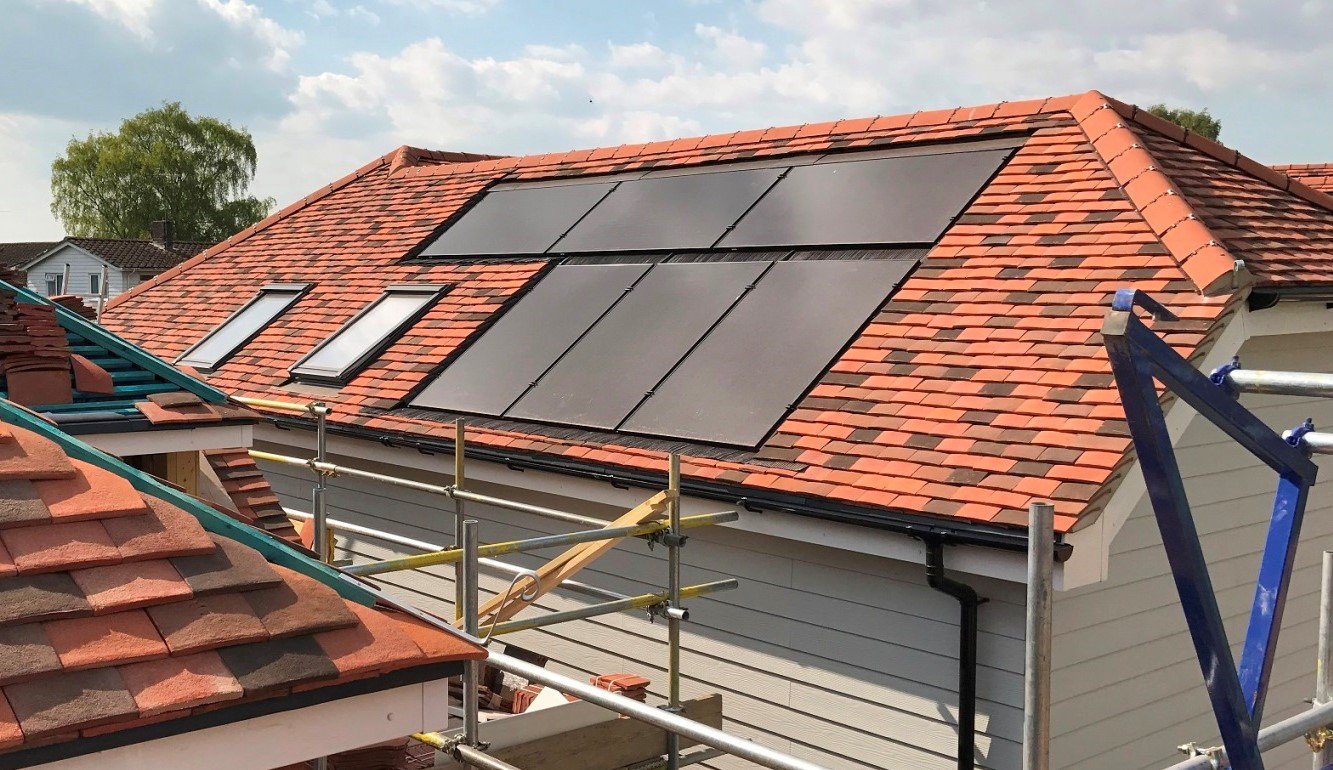
The Cost of Installing Roof Solar Panels Explained: 2026 Pricing and ROI Guide
As of 2026, the average cost to install a residential roof solar panel system typically ranges from $15,000 to $28,000 after applying the 30% federal tax credit. This investment generally covers a 7 kilowatt (kW) to 10 kW system, thoug...
As of 2026, the average cost to install a residential roof solar panel system typically ranges from $15,000 to $28,000 after applying the 30% federal tax credit. This investment generally covers a 7 kilowatt (kW) to 10 kW system, though final pricing depends on equipment efficiency, regional labor rates, and roof complexity.
Contents
The transition to renewable energy has moved from a niche environmental choice to a standard financial strategy for homeowners. In 2026, the landscape of solar technology has matured, with high-efficiency N-type modules and integrated battery storage becoming the baseline for most installations. Understanding the cost of installing roof solar panels requires a deep dive into both the visible hardware and the "soft costs" that often comprise more than half of the final invoice. This guide breaks down the financial components of solar adoption, the impact of current incentives, and the long-term value proposition for the modern homeowner.
Understanding the Solar Pricing Landscape in 2026
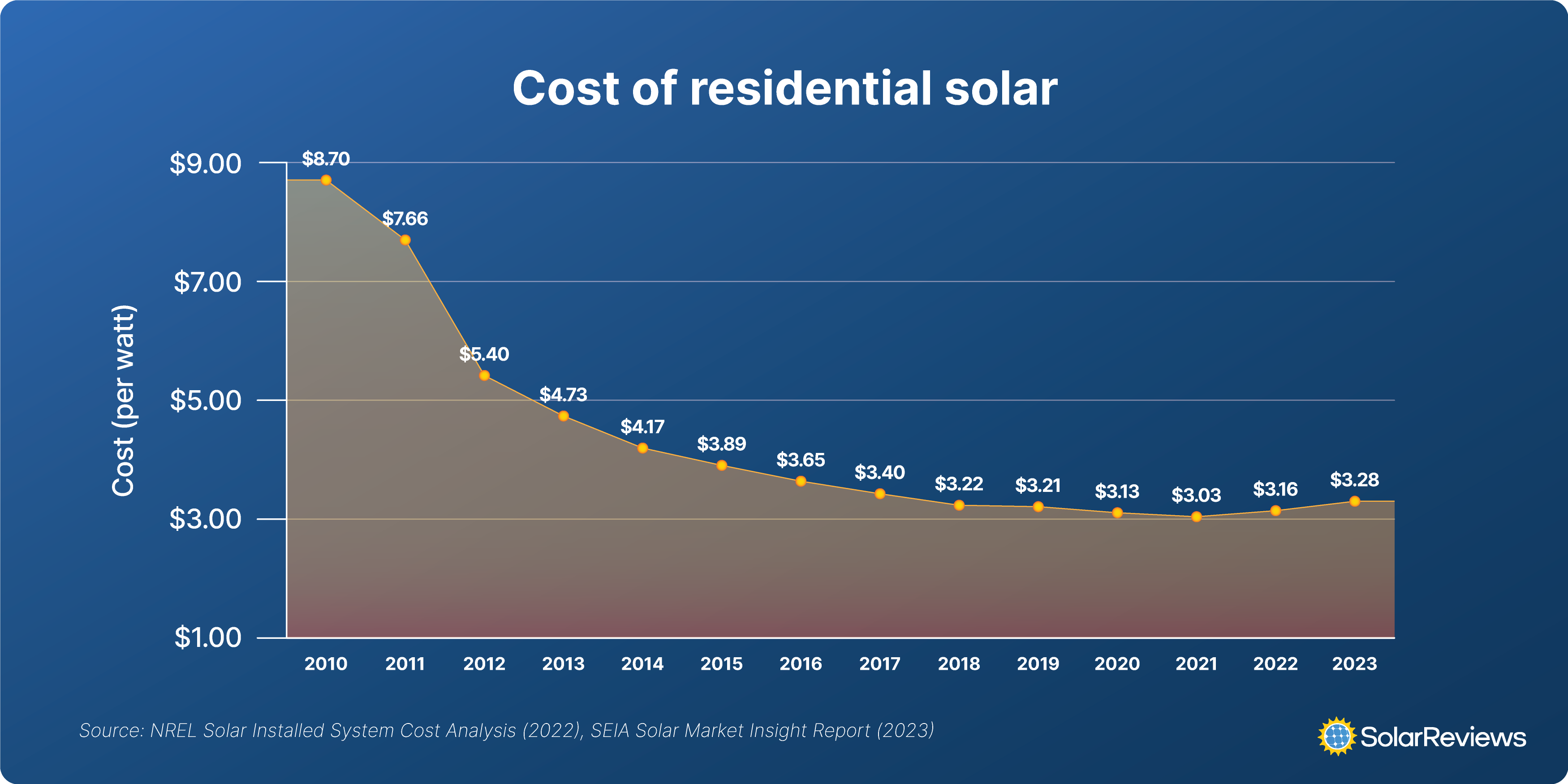
The cost of solar is no longer just about the panels themselves. In 2026, we view solar as a comprehensive energy management system. While the price of photovoltaic (PV) cells has stabilized following the supply chain fluctuations of the early 2020s, the overall system cost is influenced by the integration of smart home technology and energy storage.
Most homeowners now opt for "all-black" monocrystalline panels, which offer higher aesthetics and efficiency than older polycrystalline models. The standard efficiency rating for a residential panel in 2026 sits between 21% and 23%. While these premium modules carry a higher upfront cost, they generate more electricity per square foot, which is crucial for homes with limited roof space. Furthermore, the industry has shifted toward higher-wattage panels, with 400W to 450W modules being the standard, reducing the total number of panels needed and potentially lowering racking and labor costs.
Breaking Down the Hard Costs: Equipment and Components
The "hard costs" of a solar installation refer to the physical hardware. In 2026, these costs represent approximately 35% to 45% of the total project price.
Solar Modules (Panels)
The panels are the most recognizable part of the system. High-efficiency N-type modules, such as TOPCon or HJT (Heterojunction Technology), are favored for their lower degradation rates and better performance in high temperatures. You can expect to pay between $0.60 and $0.90 per watt for the panels alone at the wholesale level, though consumer pricing is bundled into the total installation contract.
Inverters and Power Electronics
Inverters convert the Direct Current (DC) produced by panels into the Alternating Current (AC) used by your home. In 2026, microinverters and power optimizers have largely superseded central string inverters in the residential market. These "module-level power electronics" (MLPE) allow each panel to operate independently. This is vital if your roof has partial shading or multiple angles. MLPE systems typically add $1,000 to $2,500 to the total cost but increase energy harvest by 5% to 15%.
Racking and Mounting Hardware
The hardware used to secure panels to your roof must be able to withstand 25+ years of wind, snow, and heat. Advanced "rail-less" mounting systems are common in 2026, offering a lower profile and faster installation times. These systems generally cost between $0.15 and $0.25 per watt.
Energy Storage (Batteries)
While optional, battery storage has become nearly essential in 2026 due to the widespread adoption of "Net Billing" structures that replaced older, more generous Net Metering programs. Adding a 10 kWh to 15 kWh lithium-iron-phosphate (LFP) battery typically adds $8,000 to $13,000 to the installation cost. However, it allows homeowners to use their own solar power at night, shielding them from high peak-hour utility rates.
The Invisible Expense: Soft Costs and Installation Labor
It is a common misconception that the panels are the most expensive part of the process. In reality, "soft costs"—which include labor, permitting, interconnection, and installer margins—make up the largest portion of the price tag.
Labor and Engineering
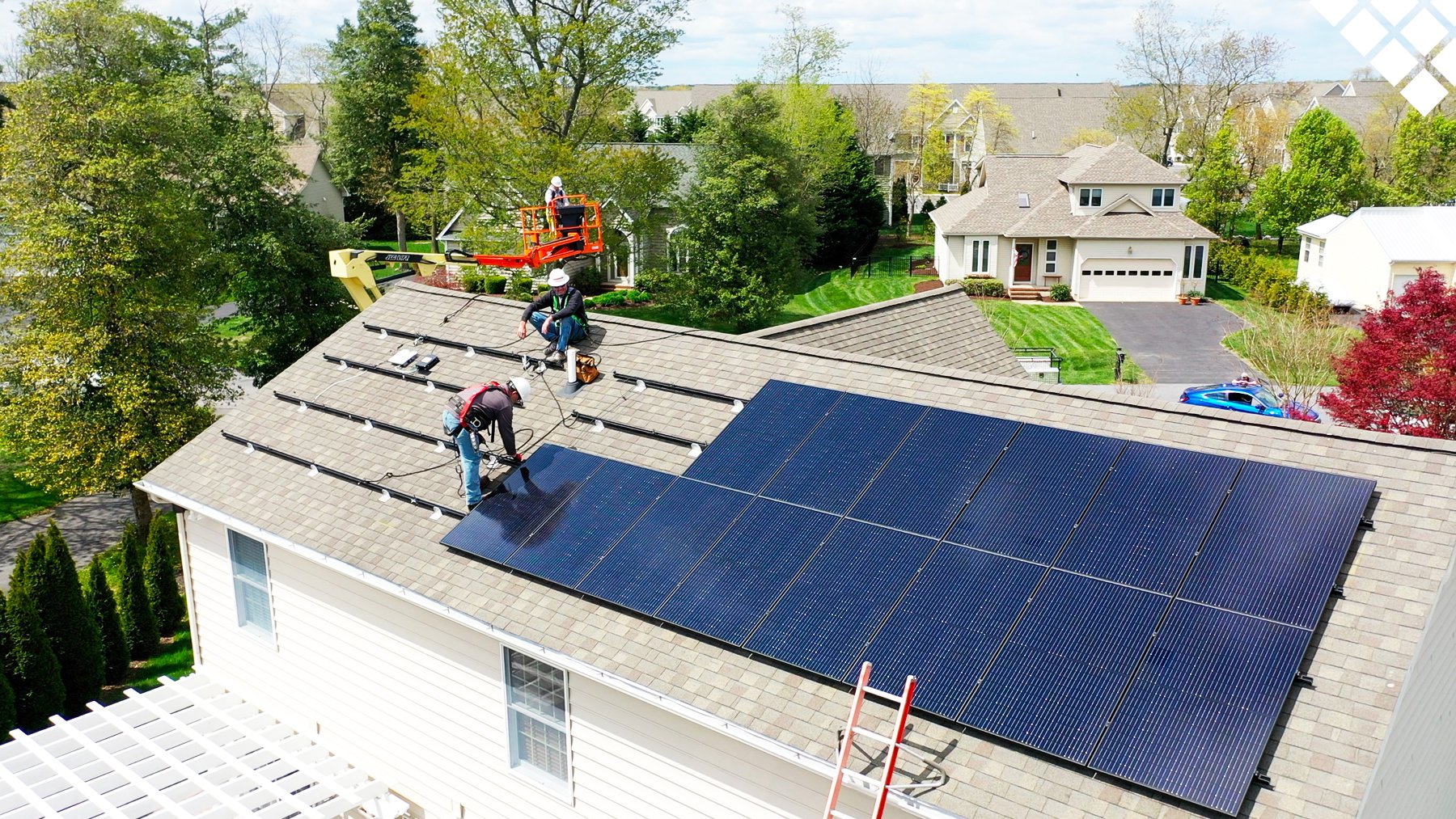
Solar installation is a specialized trade requiring licensed electricians and certified roofers. In 2026, labor costs vary significantly by region. In high-cost-of-living areas, labor can account for 15% to 25% of the total bill. This includes the physical mounting of panels, the complex electrical wiring into your home’s main service panel, and the installation of the monitoring system.
Permitting and Inspection
Every solar system must be approved by the local Building Department and the utility company. Permitting fees usually range from $200 to $1,000. Fortunately, by 2026, many jurisdictions have adopted automated permitting platforms like SolarAPP+, which has reduced the administrative time and "permitting uncertainty" that previously drove up costs.
Operational and Marketing Costs
Solar companies spend significant capital on customer acquisition, site audits, and system design. These overhead costs are factored into your quote. Working with a local, established installer might result in slightly higher soft costs than a "truck and a ladder" operation, but it ensures long-term warranty support and proper insurance coverage.
The Federal Investment Tax Credit (ITC) and Regional Incentives
The single most important factor in reducing the cost of installing roof solar panels is the federal government's support. Under the Inflation Reduction Act of 2022, the Investment Tax Credit (ITC) remains at 30% through 2032.
This is a dollar-for-dollar credit against your federal income tax liability. If your system costs $25,000, you are eligible for a $7,500 tax credit. In 2026, the credit also applies to battery storage, even if the battery is installed without solar panels, provided it meets the minimum capacity requirements.
Beyond the federal credit, many states and municipalities offer additional incentives:
- State Tax Credits: States like Massachusetts and New York offer additional income tax credits.
- Performance-Based Incentives (PBIs): Some utilities pay you for the actual kilowatt-hours your system produces over time.
- Property Tax Exemptions: Most states prevent your property taxes from increasing even though solar panels add value to your home.
- Sales Tax Exemptions: Many states waive the 5% to 9% sales tax on solar equipment and labor.
2026 Estimated Installation Costs by System Size
The following table provides an estimate of typical costs in 2026 before and after the 30% federal tax credit. Note that these are averages and actual quotes will vary based on your specific roof and location.
| System Size (kW) | Estimated Gross Cost | Cost After 30% Federal Tax Credit | Estimated Annual Savings (Year 1) |
|---|---|---|---|
| 6 kW | $16,800 - $19,200 | $11,760 - $13,440 | $900 - $1,300 |
| 8 kW | $21,600 - $24,800 | $15,120 - $17,360 | $1,200 - $1,800 |
| 10 kW | $26,000 - $30,000 | $18,200 - $21,000 | $1,600 - $2,400 |
| 12 kW | $31,200 - $36,000 | $21,840 - $25,200 | $2,000 - $3,000 |
Note: Pricing assumes a standard asphalt shingle roof and Tier 1 monocrystalline panels. Adding battery storage will increase these figures by approximately $10,000.
Impact of Roof Complexity and Material on Total Price
Your roof's physical characteristics are a primary driver of labor costs. A "simple" installation involves a single, south-facing roof plane with a shallow pitch (between 15 and 30 degrees).
Roof Material
- Asphalt Shingle: The standard and least expensive to work with.
- Tile (Clay or Concrete): Requires specialized "tile-hooks" or a "comp-out" (replacing a patch of tile with shingles under the panels) to prevent breakage. This can add $1,500 to $3,000 to the labor cost.
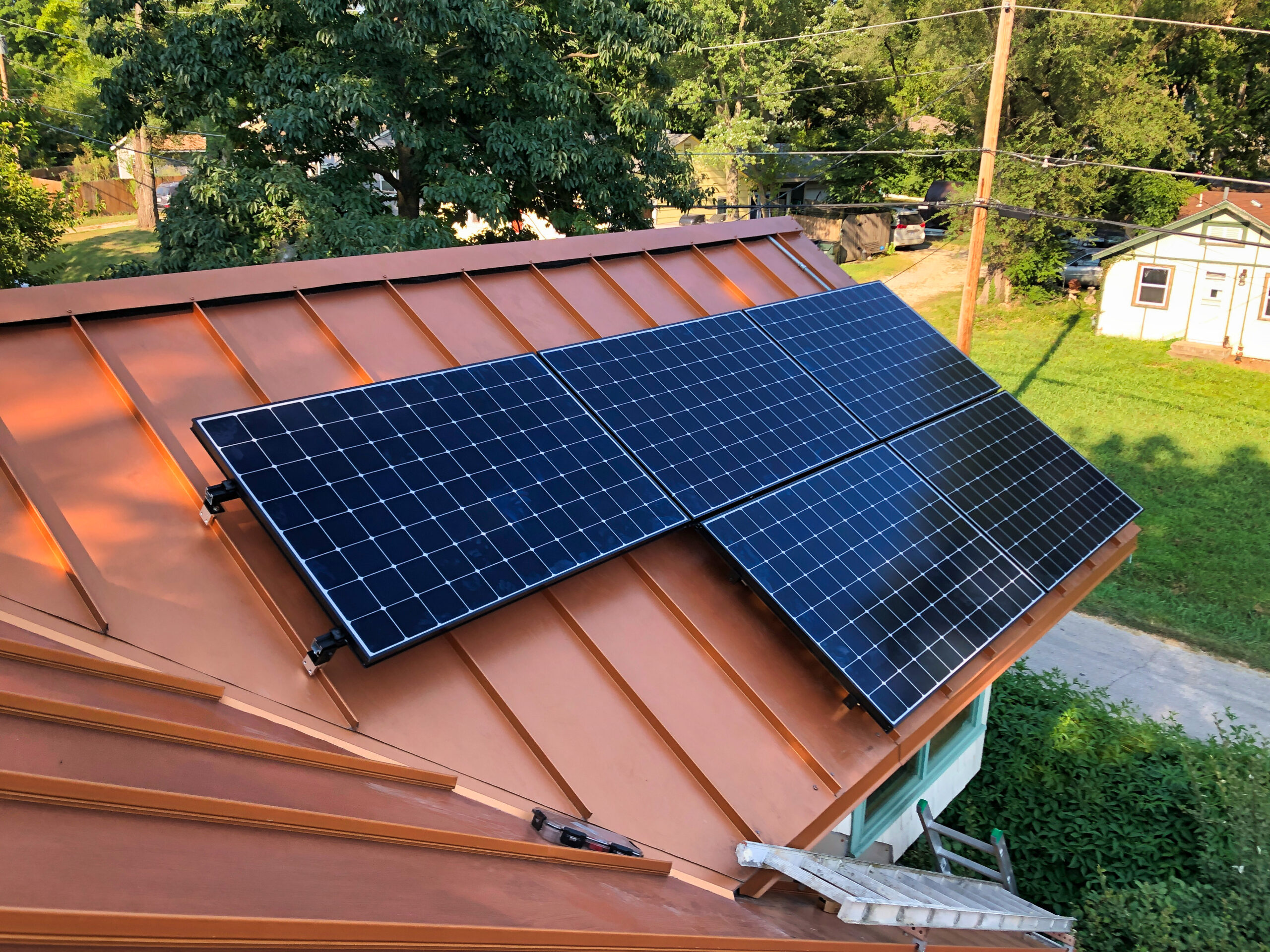
- Metal (Standing Seam): Often the best for solar because panels can be clamped directly to the seams without roof penetrations, though the initial material cost is higher.
- Flat Roofs: Require weighted "ballast" systems or tilted racking to ensure the panels reach the optimal angle for sun exposure.
Roof Complexity
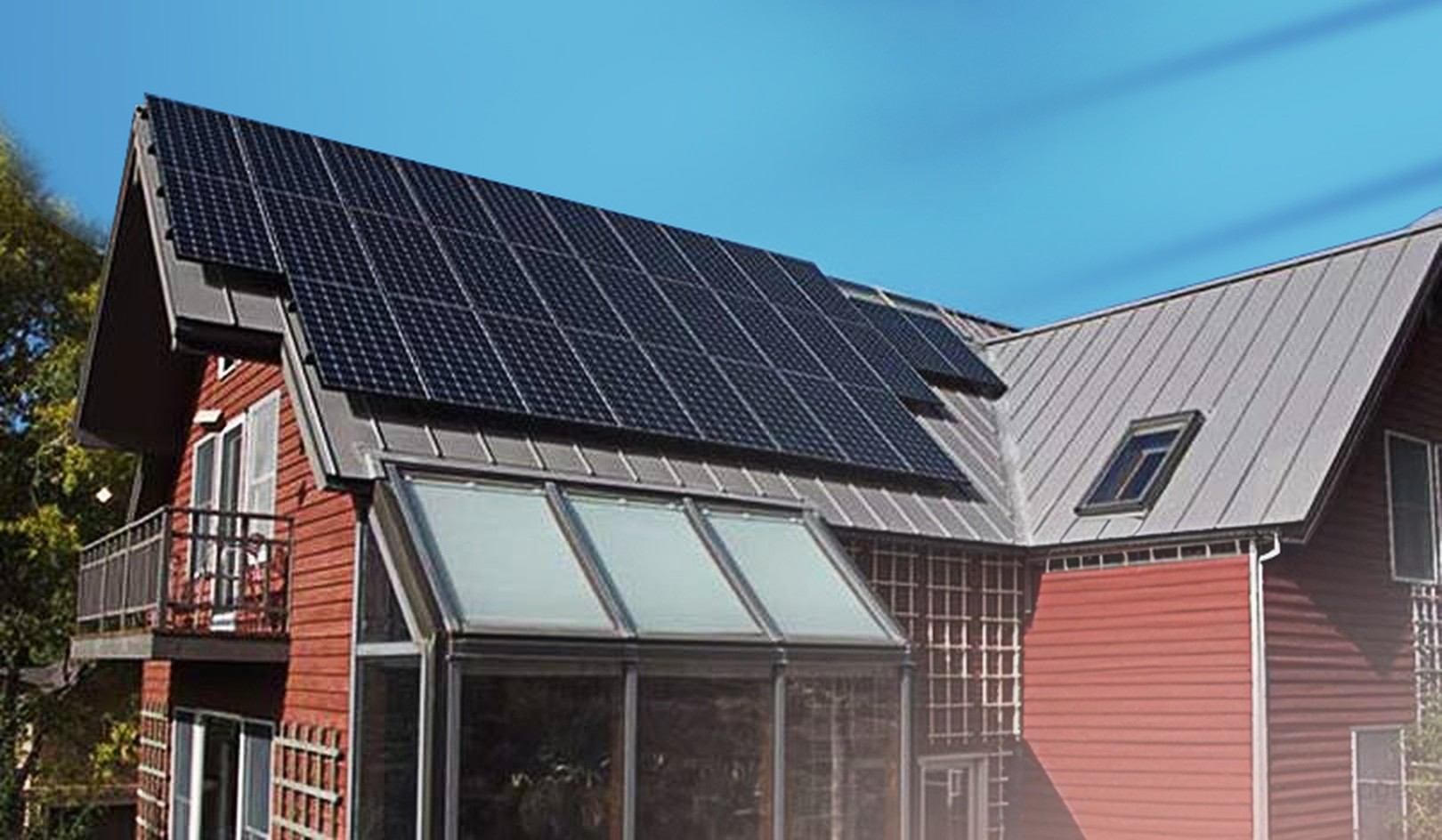
If your roof has multiple gables, dormers, or chimneys, the installer must split the panels into several smaller "arrays." This requires more wiring, more racking components, and more time for the crew to navigate the roof safely. If your roof is more than two stories high, expect an additional "high-roof" fee due to the increased safety equipment and crane/lift requirements.
Return on Investment: Calculating the Payback Period
In 2026, the "Payback Period"—the time it takes for energy savings to equal the cost of the system—averages between 6 and 9 years for most U.S. homeowners. Given that modern solar systems are warranted for 25 years and expected to last 35, the remaining 15 to 25 years represent "pure profit" in the form of avoided utility bills.
The ROI is influenced by two main factors:
- Utility Rates: Solar is most valuable where electricity prices are high (e.g., California, the Northeast, and Hawaii). As utility rates continue to rise due to grid modernization and climate events, the "avoided cost" provided by solar increases every year.
- Solar Orientation: A south-facing system in Arizona will produce significantly more energy than a north-facing system in Washington state, leading to a faster ROI.
Furthermore, studies by organizations like the Lawrence Berkeley National Laboratory have consistently shown that solar installations increase a home's resale value. In 2026, homebuyers view solar as a premium upgrade similar to a renovated kitchen, often paying a premium of $4,000 to $5,000 per kilowatt of installed solar.
FAQs
1. Does the cost of installing solar panels include a new roof?
Generally, no. A solar quote covers the panels and electrical work. However, if your roof is more than 15 years old, most installers will recommend replacing it before the panels go on. In some cases, if the roof work is required specifically for the solar installation (like structural reinforcement), a portion of that cost may be eligible for the 30% tax credit, but you should consult a tax professional to verify current 2026 IRS interpretations.
2. Is it cheaper to lease or buy solar panels in 2026?
Buying (either with cash or a solar loan) is almost always cheaper in the long run because you retain the 30% tax credit and the long-term energy savings. Leasing or Power Purchase Agreements (PPAs) involve a third party owning the system. While leasing offers $0-down installation, you lose the tax incentives and the added home value.
3. How much do permits and utility fees cost?
Permitting and interconnection fees typically total between $500 and $1,500. This covers the city’s building safety inspection and the utility company’s cost to swap your meter for a "bi-directional" one that can track energy sent back to the grid.
4. Do I need to buy a battery with my solar panels?
In 2026, it depends on your state's net metering rules. In states with "Net Billing" (like California's NEM 3.0), utilities pay very little for the extra power you send to the grid. In these areas, a battery is highly recommended to store your excess power for use at night, which significantly improves your ROI.
5. Will solar panels protect me during a blackout?
Standard grid-tied solar systems automatically shut off during a blackout for the safety of utility workers. To have power during an outage, you must install a battery backup system with a "gateway" that can disconnect your home from the grid and create a "microgrid" for your essential loads.
Final Recommendation: Next Actions
If you are considering solar in 2026, your first step should be to secure a home energy audit. Reducing your home’s energy consumption through insulation and LED lighting allows you to install a smaller, less expensive solar system.
When seeking quotes, ensure you receive at least three "itemized" proposals that clearly separate the cost of hardware, labor, and batteries. Look for installers certified by the North American Board of Certified Energy Practitioners (NABCEP) and verify that they use Tier 1 equipment with at least a 25-year linear performance warranty. Finally, ensure your system is "EV-ready"; even if you don't own an electric vehicle today, having the electrical capacity to add a Level 2 charger in the future is a standard requirement for maintaining home value in the current market.
Image Gallery