The Extreme Sisters Phenomenon Explained: Exploring the Psychology of Hyper-Interdependent Sibling Bonds
The extreme sisters phenomenon describes a rare psychological and social state where siblings, typically identical twins, maintain an obsessive level of interdependence. This manifests through shared identities, synchronized physical m...
The extreme sisters phenomenon describes a rare psychological and social state where siblings, typically identical twins, maintain an obsessive level of interdependence. This manifests through shared identities, synchronized physical movements, and the refusal to lead separate lives. While popularized by reality television, the phenomenon stems from deep-seated identity fusion and complex psychological enmeshment.
Contents
In the landscape of modern social psychology and media, few subjects captivate and confuse the public quite like the "extreme sisters" phenomenon. While the term gained mainstream traction through the eponymous TLC reality series, the underlying behavior represents a profound manifestation of human attachment. By 2026, researchers have increasingly looked at these cases not just as entertainment, but as extreme examples of identity fusion and the breakdown of individual boundaries within familial units.
To understand this phenomenon, one must look past the sensationalized headlines and examine the biological, psychological, and social mechanisms that drive two individuals to function as a single entity.
Defining the Boundaries of Extreme Interdependence
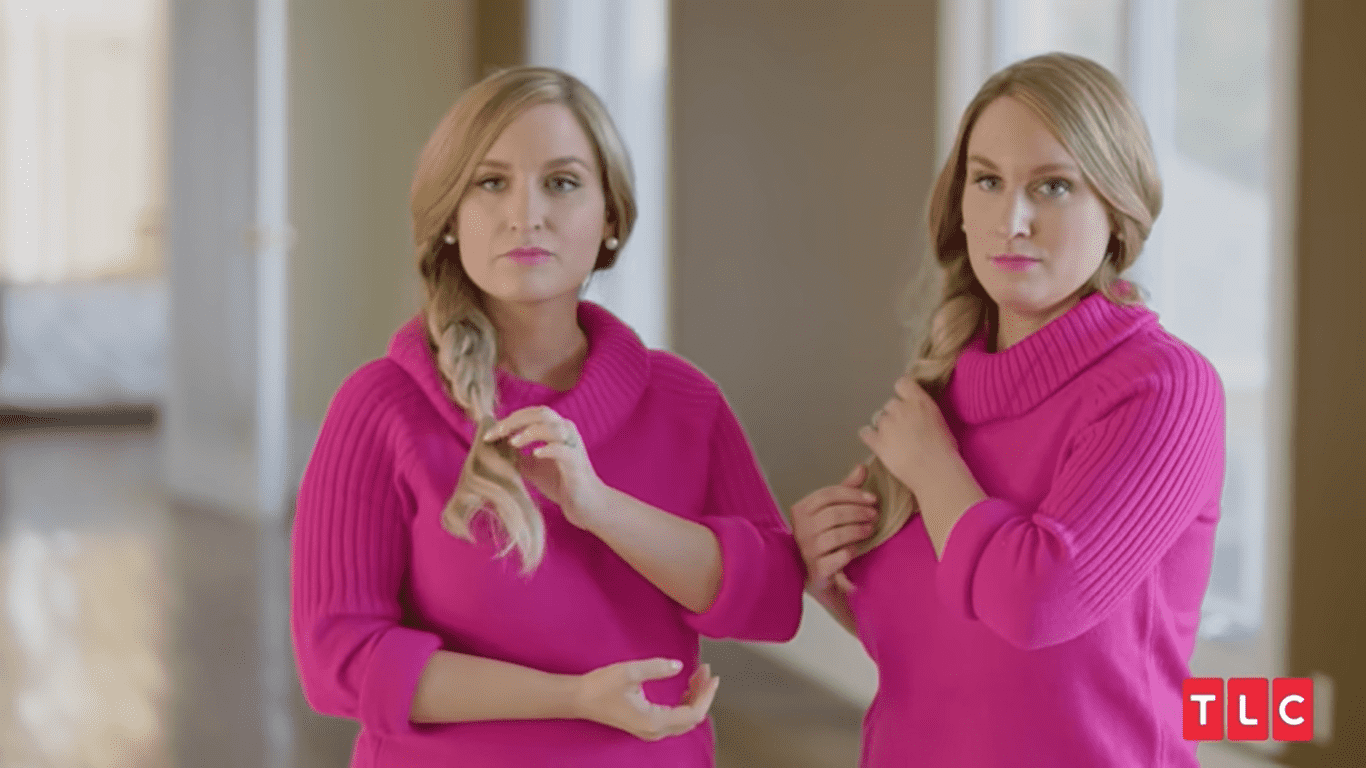
The phenomenon is characterized by a level of closeness that transcends typical sibling affection. In "extreme" cases, siblings may share every aspect of their lives, including beds, clothing, bank accounts, and even romantic partners. The goal of this behavior is often the total elimination of "self" in favor of the "we."
Psychologically, this is known as enmeshment. Enmeshment occurs when the boundaries between individuals become blurred or non-existent. In a standard healthy relationship, individuals maintain a sense of autonomy while staying connected. In the extreme sisters phenomenon, the autonomy is viewed as a threat to the relationship. Any attempt by one sister to act independently can trigger intense anxiety, guilt, or physical distress in the other.
Key Indicators of the Phenomenon:
- Synchronized Living: Performing daily tasks—eating, walking, speaking—at the exact same time.
- Physical Mirroring: Undergoing identical cosmetic procedures to ensure they remain indistinguishable.
- Identity Fusion: Referring to themselves as a single unit and struggling to identify personal preferences that differ from the sibling.
- Shared Intimacy: Attempting to integrate third parties (partners) into the existing dyad rather than forming separate external relationships.
The Psychological Roots of Identity Fusion
At the heart of the extreme sisters phenomenon is identity fusion, a state where an individual’s personal identity becomes completely submerged within a group or, in this case, a dyad. For identical twins, this process can begin in utero and be reinforced by parents who dress them alike and treat them as a "set" throughout childhood.
By 2026, psychological discourse has shifted toward viewing this not as a simple choice, but as a complex coping mechanism. For many of these siblings, the external world feels chaotic or threatening. The sibling bond provides a "cocoon" of absolute predictability and validation. When you are with someone who thinks, looks, and acts exactly like you, the fear of rejection or misunderstanding is effectively neutralized.
The Role of Separation Anxiety
Separation anxiety is a primary driver. For these individuals, the prospect of being apart—even for a few hours—can induce symptoms similar to a panic attack. This is often rooted in a lack of individuation, a developmental stage where a child learns to differentiate themselves from their caregivers or peers. If this stage is bypassed or suppressed, the individual remains tethered to their "other half" for emotional regulation.
Case Studies and Media Impact
The TLC series Extreme Sisters, which has been a staple of "extraordinary life" programming through the mid-2020s, brought several pairs into the public eye. The most notable are Anna and Lucy DeCinque, often dubbed the "world's most identical twins." Their lifestyle involves eating the exact same volume of food, measuring their steps to match, and sharing a boyfriend.
While critics often dismiss these behaviors as "clout-chasing" or staged for television, psychologists note that the consistency of their behavior across decades suggests a genuine psychological preoccupation. The presence of cameras may amplify the performance, but the foundation—a deep-seated inability to function alone—is a documented psychological reality.
Other cases, such as the Capasso sisters or the Glass twins, demonstrate different flavors of the phenomenon. Some focus on obsessive health regimes, while others focus on maintaining a "secret language" or cryptophasia, a phenomenon where twins develop a private mode of communication that only they understand.
Biological Factors and the Twin Bond
The biological component cannot be ignored. Identical (monozygotic) twins share 100% of their DNA. Research into the "Twin Bond" suggests that the neurological mirroring in identical twins is significantly higher than in fraternal twins or standard siblings.
In some instances of the extreme sisters phenomenon, siblings report "sympathetic pain." If one sister is injured, the other claims to feel the sensation in the same location. While some of this is attributed to high levels of empathy and hyper-vigilance, it highlights the extent to which their nervous systems are attuned to one another.
| Feature | Healthy Sibling Bond | Extreme Sisters Phenomenon |
|---|---|---|
| Identity | Individual goals and separate hobbies. | Fusion; "We" replaces "I" in almost all contexts. |
| Privacy | Respect for personal space and secrets. | Zero privacy; sharing all thoughts and physical space. |
| Relationships | Separate partners and social circles. | Shared partners or high interference in external ties. |
| Conflict | Disagreements handled as individuals. | High distress; conflict feels like a threat to survival. |
| Appearance | May share a resemblance or style. | Obsessive mirroring; identical surgeries or outfits. |
Social and Cultural Reception: Why We Watch
The public's fascination with the extreme sisters phenomenon is rooted in a mix of voyeurism and the "uncanny valley" effect. Seeing two humans act as one challenges our cultural emphasis on individualism. In Western societies, the "self" is sacred. When we encounter individuals who willingly discard the self to become a duplicate, it creates a sense of cognitive dissonance.
Furthermore, the phenomenon touches on the universal human desire for unconditional connection. Most people experience loneliness or the feeling of being misunderstood. Extreme sisters represent a (perceived) solution to that problem: a partner who is literally a mirror image. However, the cost of this connection—the loss of freedom and autonomy—is what makes the phenomenon so polarizing to viewers.
Challenges in Romantic and External Relationships
One of the most complex aspects of this phenomenon is the integration of romantic partners. In many documented cases, the sisters insist on a "triad" arrangement or require their partners to treat both sisters with equal affection.
This creates significant legal and social hurdles. In many jurisdictions, marriage laws do not recognize these arrangements, and the social stigma remains high. From a psychological perspective, these relationships are often fragile because they require the outsider to sublimate their own needs to the "twin unit." The partner is rarely an equal; they are an accessory to the primary bond between the sisters.
Therapeutic Perspectives and Navigating Independence
Can the bond be broken, and should it be? This is a point of contention among mental health professionals. If the siblings are happy, healthy, and not harming others, some argue that their lifestyle is simply an unconventional choice. However, when the interdependence leads to self-harm, financial instability, or the inability to seek medical care independently, intervention may be necessary.
Therapy for enmeshed siblings usually focuses on:
- Establishing Boundaries: Gradually introducing small periods of separation.
- Building Individual Efficacy: Encouraging the development of personal hobbies or skills that the other sibling does not possess.
- Cognitive Behavioral Therapy (CBT): Addressing the catastrophic thinking that occurs when they are apart.
The goal is rarely to "break" the bond, but to move it from a state of maladaptive enmeshment to a state of healthy interdependence.
Frequently Asked Questions
Is the extreme sisters phenomenon a recognized mental illness?
No, it is not a specific diagnosis in the DSM-5. However, it often involves symptoms of Dependent Personality Disorder (DPD) or Separation Anxiety Disorder. It is better described as a relational pattern or a "shared identity state" rather than a singular clinical disease.
Does this only happen with identical twins?
While it is most common among identical twins due to their shared appearance and biological link, it has been observed in fraternal twins and even non-twin siblings who have experienced shared trauma or extreme isolation during their formative years.
Are the behaviors seen on TV staged?
While reality television production often encourages participants to "lean into" their most eccentric traits for the camera, the underlying lifestyle of these sisters usually predates their television appearances. The daily commitment required to maintain such synchronicity is difficult to sustain purely for entertainment purposes.
Can extreme sisters ever live separately?
It is possible, but it usually requires years of intensive therapy and a significant life catalyst, such as one sister becoming a parent or facing a serious health crisis that forces physical separation. Even then, the emotional "tether" often remains incredibly strong.
Practical Recommendations
For those fascinated by or studying the extreme sisters phenomenon, it is essential to approach the subject with a balance of psychological curiosity and human empathy. If you or someone you know is experiencing a level of sibling enmeshment that prevents daily functioning or causes significant distress, seeking a therapist specializing in family systems theory is the recommended next step. These professionals are trained to untangle complex relational webs while respecting the unique strength of the sibling bond.
Image Gallery