What Medicaid Covers for Braces in South Carolina (2026 Guide)
South Carolina Healthy Connections (Medicaid) provides coverage for braces and orthodontic treatment exclusively for beneficiaries under the age of 21, provided the treatment is classified as a "medical necessity." Coverage is determin...
South Carolina Healthy Connections (Medicaid) provides coverage for braces and orthodontic treatment exclusively for beneficiaries under the age of 21, provided the treatment is classified as a "medical necessity." Coverage is determined by specific clinical criteria assessing severe functional impairments, such as difficulty chewing or speaking, rather than cosmetic improvements or minor misalignments.
Contents
Understanding South Carolina Medicaid Dental Coverage
In South Carolina, the Medicaid program is officially known as Healthy Connections. As of 2026, dental benefits for Medicaid recipients are primarily managed through a Third-Party Administrator (TPA), typically DentaQuest. This administrative structure ensures that dental and orthodontic services are streamlined, though it requires specific adherence to their clinical guidelines and prior authorization protocols.
The philosophy behind South Carolina's orthodontic coverage is rooted in the federal Early and Periodic Screening, Diagnostic, and Treatment (EPSDT) mandate. This mandate requires states to provide any "medically necessary" service to children under 21, even if that service is not typically covered for adults. Because braces are often viewed as elective or cosmetic by commercial standards, Healthy Connections uses rigorous benchmarks to separate elective "smile-straightening" from essential "functional correction."
For residents seeking coverage, it is vital to understand that Medicaid is a payer of last resort. If a beneficiary has private dental insurance, that insurance must be billed first. Furthermore, coverage is not guaranteed simply by having a referral; it is subject to a stringent review process by state-appointed dental consultants.
The Age Threshold: Coverage for Children vs. Adults
The most critical distinction in South Carolina’s policy is the age of the beneficiary. Under the current 2026 guidelines, individuals aged 21 and older are generally ineligible for orthodontic coverage through Healthy Connections.
Orthodontics for Children (Under 21)
Children and adolescents make up the vast majority of orthodontic approvals. The state recognizes that correcting severe malocclusions during developmental years can prevent lifelong issues with jaw alignment, speech development, and digestive health related to chewing. Coverage continues until the individual turns 21, provided the treatment was authorized and started before their 21st birthday. If a patient is mid-treatment and ages out, there may be limited provisions for completion, but this often requires specific appeals or transitional care management.
Orthodontics for Adults (21 and Over)
For adults in South Carolina, Medicaid coverage is restricted to "emergency" dental care and basic preventive services (depending on the specific plan). Routine braces, Invisalign, or corrective orthodontics are not covered for adults. The only rare exception involves reconstructive jaw surgery (orthognathic surgery) resulting from severe trauma, oral cancer, or life-threatening congenital defects. In these cases, the braces are billed as a component of a larger surgical medical claim rather than a dental benefit.
Defining "Medical Necessity" in South Carolina
To qualify for braces, a child’s dental condition must meet the definition of a handicapping malocclusion. This means the teeth are so poorly aligned that they interfere with the normal functioning of the mouth or lead to significant physical health problems.
South Carolina Medicaid utilizes a standardized scoring system, often the Salzmann Index or a variation of the Handicapping Labio-Lingual Deviation (HLD) Index, to evaluate cases. A provider must submit a "Prior Authorization" (PA) request that includes X-rays, photos, and a diagnostic narrative.
Criteria for Automatic or Likely Approval
Certain conditions are almost always considered medically necessary. These include:
- Cleft Palate and Craniofacial Anomalies: Braces required as part of a multi-disciplinary team approach to treat congenital birth defects.
- Impacted Teeth: When permanent front teeth (incisors or canines) are stuck in the bone and cannot erupt without orthodontic intervention, potentially damaging other teeth.
- Severe Overjet: Commonly known as "buck teeth," where the top teeth protrude so far forward (usually more than 9mm) that they are at high risk for trauma or prevent the lips from closing.
- Crossbite with Jaw Shift: When the upper and lower teeth don’t meet correctly, causing the lower jaw to shift to the side, which can lead to permanent facial asymmetry or TMJ disorders.
- Deep Impinging Overbite: When the lower teeth bite directly into the roof of the mouth, causing tissue damage or bleeding.
What is Considered Cosmetic (Not Covered)?
Healthy Connections will deny coverage for conditions that do not significantly impair health. These typically include:
- Crowding or spacing that does not affect speech or eating.
- Mild to moderate overbites or underbites.
- Straightening teeth solely to improve the patient’s appearance or self-esteem.
The Process: From Referral to Braces
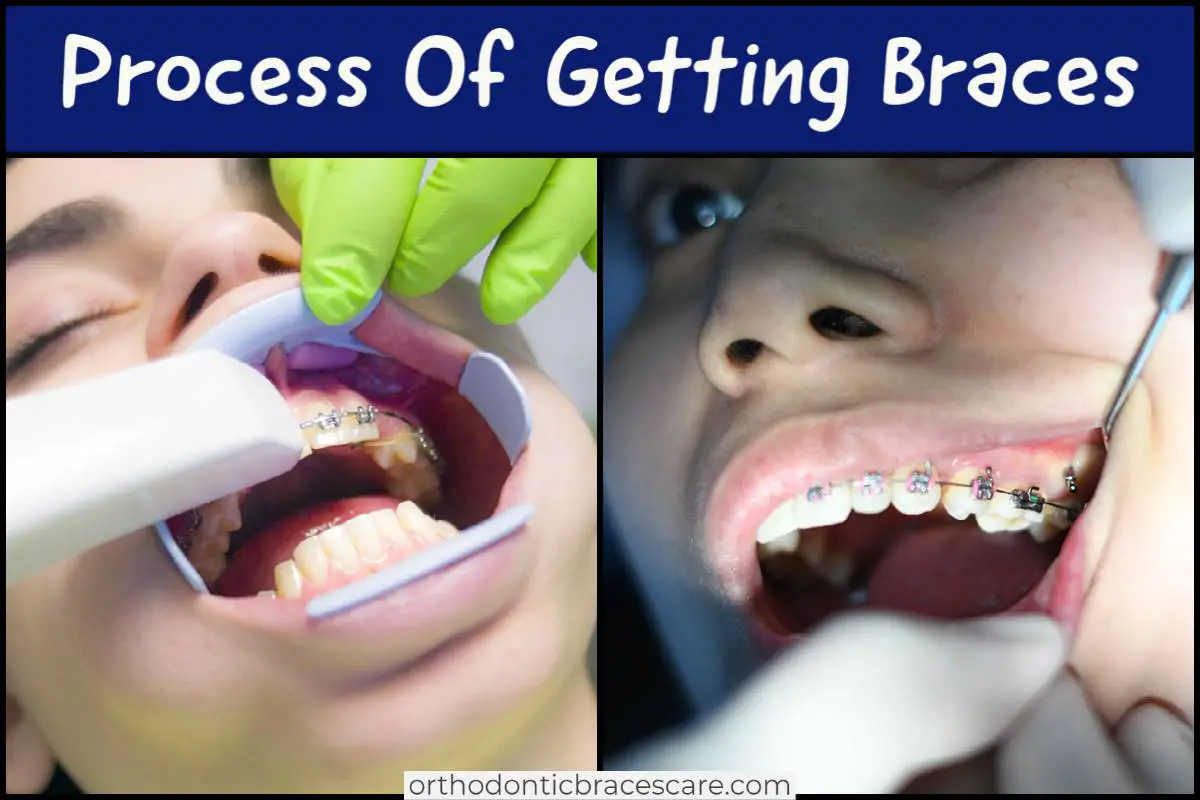
Navigating the South Carolina Medicaid system requires a specific sequence of steps. Skipping a step or visiting a non-enrolled provider will result in the claim being denied.
- Initial Dental Cleaning: The child must first visit a general dentist enrolled in Healthy Connections. The dentist must ensure that the child’s mouth is free of cavities and gum disease. Medicaid will not approve braces if there is active tooth decay.
- The Orthodontic Referral: If the general dentist identifies a potential handicapping malocclusion, they will provide a referral to a Medicaid-enrolled orthodontist.
- The Consultation and Documentation: The orthodontist performs an evaluation. They will take "records," which include a panoramic X-ray, a cephalometric X-ray (a side profile of the skull), and clinical photographs.
- Submission for Prior Authorization: The orthodontist sends these records to DentaQuest/Healthy Connections along with a scored assessment.
- The Wait Period: The state’s dental consultants review the case. This usually takes 15 to 30 business days.
- Approval or Denial: If approved, the orthodontist receives a voucher or authorization number to begin treatment. If denied, the parent receives a letter explaining the reason and their right to appeal.
Coverage Limits and Exclusions
Even when braces are approved, South Carolina Medicaid has specific rules regarding what is included in the treatment plan.
| Service Category | Coverage Status | Notes |
|---|---|---|
| Metal Braces | Covered | Standard stainless steel brackets and wires are the default. |
| Invisalign / Clear Aligners | Not Covered | Generally considered elective; Medicaid prioritizes the most cost-effective clinical solution. |
| Ceramic / Clear Brackets | Not Covered | Parents may be asked to pay the difference, though Medicaid providers are often restricted from "balance billing." |
| Retainers | Covered (Limited) | The initial set of retainers is included in the treatment cost. |
| Replacement Retainers | Varies | Often require a separate authorization; loss of a retainer is usually not covered. |
| Broken Brackets/Wires | Covered | Routine repairs are included, but excessive breakage due to non-compliance can lead to treatment termination. |
Finding a Medicaid Orthodontist in South Carolina
A common challenge for SC residents is finding an orthodontist who accepts Healthy Connections. Because Medicaid reimbursement rates are often lower than private insurance rates, many private practices limit the number of Medicaid patients they see or do not participate at all.
To find a provider, beneficiaries should:
- Use the DentaQuest Provider Search tool on the official Healthy Connections website.
- Contact the South Carolina Department of Health and Human Services (SCDHHS) member services line.
- Check with the Medical University of South Carolina (MUSC) College of Dental Medicine in Charleston, which often accepts Medicaid for complex cases.
FAQ: Frequently Asked Questions
Can I pay the difference to get Invisalign instead of metal braces?
In South Carolina, Medicaid providers are generally prohibited from "upselling" or "balance billing." If a service is covered by Medicaid, the provider must accept the Medicaid payment as payment in full. You cannot typically use Medicaid to "discount" a cosmetic Invisalign treatment; you must usually choose between the Medicaid-covered metal braces or paying 100% out-of-pocket for Invisalign.
What happens if I lose my Medicaid eligibility during treatment?
If a beneficiary loses coverage mid-treatment (e.g., family income increases or the child turns 21), Medicaid will generally stop paying the monthly or quarterly installments to the orthodontist. Parents may then be responsible for the remaining balance of the treatment. It is crucial to notify your orthodontist immediately of any changes in insurance status.
How many times will Medicaid pay for braces?
Medicaid in South Carolina typically only pays for one full course of comprehensive orthodontic treatment per lifetime. If a patient does not wear their retainers and their teeth shift back, Medicaid will not pay for a second round of braces.
What if my child was denied, but their teeth are getting worse?
You have the right to a Fair Hearing or appeal. If the dental condition has worsened since the last evaluation, your orthodontist can submit a "New Clinical Information" request or a new prior authorization with updated X-rays and photos.
Does Medicaid cover the cost of tooth extractions needed for braces?
Yes. If the approved orthodontic plan requires the extraction of permanent teeth due to severe crowding, those extractions are covered as part of the authorized treatment, provided they are performed by an enrolled dental provider.
Recommendations for Parents and Guardians
If you believe your child needs braces in South Carolina, the first step is ensuring their basic dental health is perfect. Schedule a routine cleaning and exam immediately. Ask your dentist specifically about the Salzmann Index score or if they believe the child’s bite meets the "medically necessary" threshold for Healthy Connections.
Document any physical symptoms your child experiences, such as pain while chewing, frequent biting of the cheek or tongue, or speech impediments. Sharing this information with the orthodontist helps them build a stronger case for medical necessity during the prior authorization process. Finally, be prepared for a wait; the process from the first dental visit to the actual "bonding" of the braces can take several months due to administrative reviews.
Image Gallery