Comprehensive Guide to Abrams Chiropractic Clinic in Seattle: Services, Treatment Approaches, and Patient Care
Abrams Chiropractic Clinic in Seattle provides non-invasive neuromusculoskeletal care, specializing in spinal manipulation, auto accident injury rehabilitation, chronic back and neck pain relief, and postural correction. Located in Sea...
Abrams Chiropractic Clinic in Seattle provides non-invasive neuromusculoskeletal care, specializing in spinal manipulation, auto accident injury rehabilitation, chronic back and neck pain relief, and postural correction. Located in Seattle's Greenwood neighborhood, the clinic focuses on restoring joint mobility, reducing nervous system interference, and helping patients recover functional strength without surgery.
Contents
Disclaimer: The information provided in this guide is for educational purposes only and does not constitute formal medical advice. Individuals experiencing severe back pain, neurological deficits, or acute trauma should consult a licensed healthcare professional or seek emergency medical evaluation.
Overview of Abrams Chiropractic Clinic in Seattle
Abrams Chiropractic Clinic, P.S. has served the North Seattle community—including Greenwood, Phinney Ridge, Ballard, and Crown Hill—for decades. Led by Dr. Robert Abrams, D.C., the practice centers on diagnostic accuracy, individualized manual therapy, and active physical rehabilitation.
The underlying philosophy of chiropractic care relies on the functional relationship between the spine, the central nervous system, and the musculoskeletal frame. When spinal segments experience reduced range of motion, mechanical dysfunction, or structural misalignment (often referred to historically as subluxations), surrounding tissues undergo inflammation. This inflammatory response can compress or irritate adjacent peripheral spinal nerves, sending pain signals throughout the neck, lower back, shoulders, or extremities.
Abrams Chiropractic Clinic focuses on addressing these underlying biomechanical stress points rather than relying exclusively on pharmaceutical pain suppression. By combining traditional chiropractic adjustments with modern physiological therapeutics, soft tissue massage, and active corrective exercise, the clinic helps patients transition from acute pain management to long-term spinal stability.
Primary Clinical Services and Specialty Care
Chiropractic care encompasses a range of clinical interventions tailored to specific patient conditions, lifestyle demands, and physical trauma histories. At Abrams Chiropractic Clinic, treatments are structured according to initial examination findings and individual recovery goals.
- Initial Clinical Assessment
- Health History, Orthopedic & Neurological Diagnostics
- Targeted Therapeutic Phase
- Spinal Adjustments, Soft Tissue Release, Modality Therapy
- Active Rehabilitation Phase
- Postural Retraining, Core Stabilization, Ergonomic Guidance
Acute and Chronic Back Pain Management
Lumbar spine (lower back) discomfort represents one of the primary reasons patients seek chiropractic intervention. Lower back strain can originate from lumbar disc herniation, facet joint dysfunction, sacroiliac (SI) joint instability, or chronic muscular spasms.
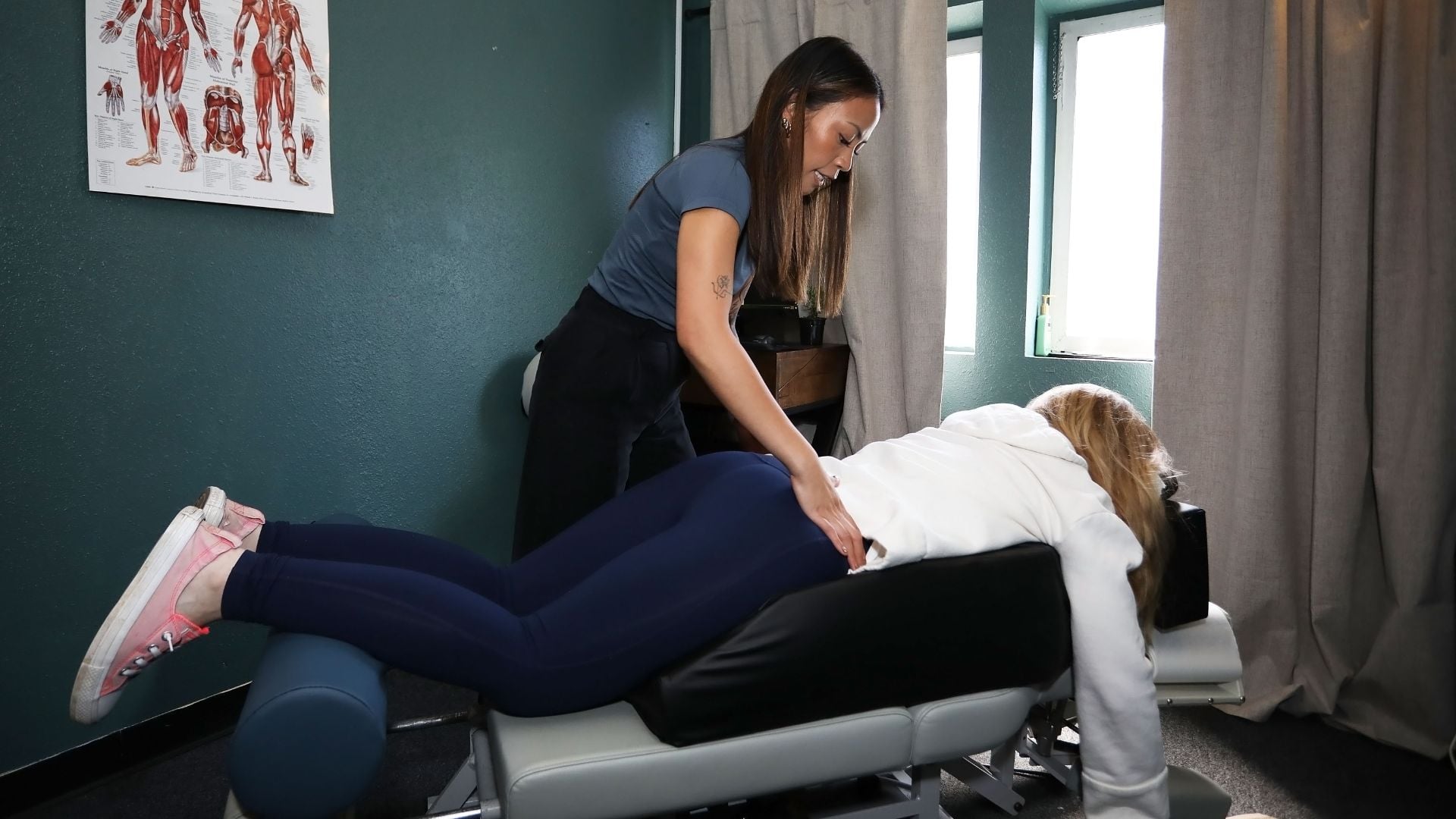
The clinic utilizes targeted lumbar manipulation and mobilization to alleviate mechanical pressure within the facet joints and surrounding neural pathways. Restoring normal pelvic and spinal mechanics reduces pressure on irritated nerves, decreases muscular hypertonicity, and improves local arterial blood flow, promoting tissue repair.
Neck Pain and Cervical Spine Rehabilitation
Cervical spine dysfunction frequently manifests as local neck stiffness, upper trap tightness, cervicogenic headaches, or radiating shoulder discomfort. Seattle’s dense workforce of software developers, corporate executives, and remote desk workers faces widespread postural strain, colloquially referred to as "tech neck."
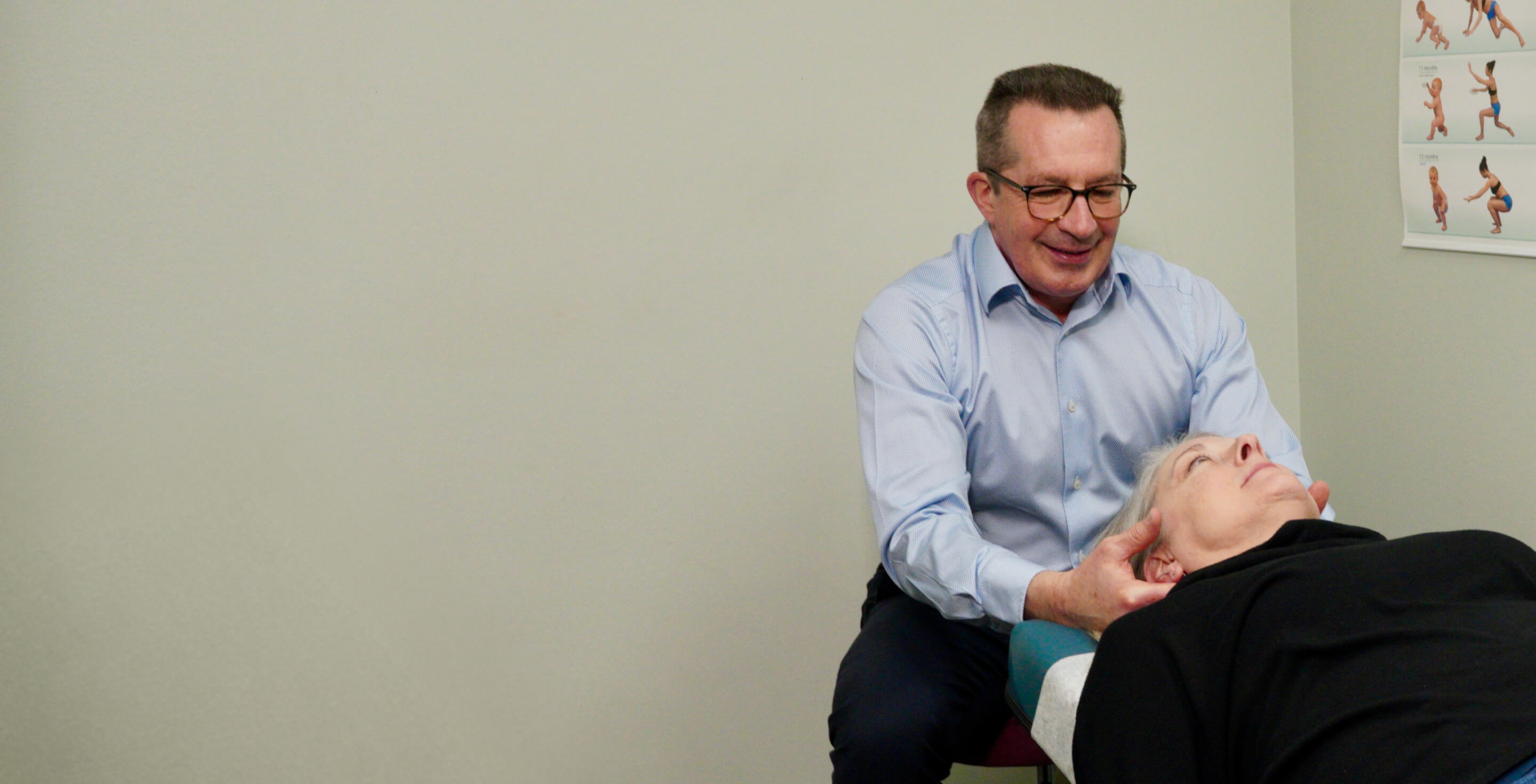
Forward head posture places abnormal force on the upper thoracic and lower cervical vertebrae. Chiropractic management involves precise cervical adjustments, suboccipital muscle decompression, and postural re-education to shift the center of gravity of the head back over the shoulders, alleviating stress on the cervical discs.
Auto Accident Injury and Whiplash Recovery
Motor vehicle collisions exert severe hyper-flexion and hyper-extension forces on the spine, causing soft tissue micro-tears, joint capsule inflammation, and ligament sprains—commonly categorized as whiplash-associated disorders (WAD). Symptoms of whiplash often develop gradually over several days following an accident.
Abrams Chiropractic Clinic provides structured trauma rehabilitation designed to mitigate scar tissue formation, re-establish spinal curvature, and restore neck mobility. Treatment protocols for personal injury patients typically integrate gentle spinal mobilization, therapeutic ultrasound or electrical muscle stimulation, and progressive strengthening routines.
Extremity Joint Treatment
While chiropractic care is widely known for spinal health, functional joint mechanics apply equally to peripheral joints. Patients suffering from shoulder impingement, elbow epicondylitis (tennis or golfer's elbow), wrist strain (including carpal tunnel symptoms), hip stiffness, or plantar fasciitis receive targeted extremity adjustments and myofascial release. Realigning peripheral joint structures minimizes stress on soft tissue attachments and improves overall movement patterns.
Chiropractic Adjusting Techniques and Modalities
Chiropractic procedures range from high-velocity, low-amplitude (HVLA) manual thrusts to gentle instrument-assisted manipulations. The chosen technique depends heavily on the patient's age, bone density, diagnostic imaging results, and comfort preferences.
Diversified Technique
The Diversified Technique is the most widely practiced manual adjusting method in modern chiropractic medicine. Using precise hand placement, the practitioner applies a short, swift thrust to a restricted joint segment. This action frequently produces an audible release of gas (cavitation) as pressure changes within the synovial joint fluid. The objective is to immediately restore joint motion and reset neuromuscular reflex pathways.
Instrument-Assisted Adjusting (Activator Methods)
For patients requiring a gentler approach—such as elderly individuals, patients with osteopenia, or those in severe acute pain—chiropractors utilize spring-loaded or electronic adjusting instruments. These instruments deliver a controlled, low-force impulse at high speeds, targeting specific joint segments before surrounding muscles can tense in resistance.
Soft Tissue Therapy and Massage Integration
Spinal misalignments rarely occur without secondary muscle imbalances. Contracted, fibrous muscle tissue can pull vertebrae out of alignment even after an adjustment. Integrating licensed massage therapy and soft tissue release techniques—such as trigger point therapy and myofascial release—helps relax taut muscle bands, break down deep scar tissue, and extend the therapeutic longevity of spinal adjustments.
Mechanical Decompression and Traction
For patients with lumbar disc herniations, degenerative disc disease, or sciatica (sciatica nerve impingement), mechanical intersegmental traction or spinal decompression therapy may be recommended. Passive traction gently stretches the spinal column, creating negative intradiscal pressure that helps retract herniated disc material and promotes the diffusion of oxygen and nutrients into spinal discs.
Navigating Auto Accident Injuries and Washington PIP Insurance
Navigating medical care after a motor vehicle accident involves both clinical healing and administrative insurance procedures. In Washington State, automobile insurance policies typically include Personal Injury Protection (PIP) coverage unless explicitly waived in writing by the policyholder.
- Motor Vehicle Collision
- File Washington PIP (Personal Injury Protection) Claim
- Medical Coverage Regardless of Driver Fault
- Comprehensive Chiropractic Assessment
- Document Injury Mechanics & Impairments
- Structured Clinical Treatment & Documentation
- Care Plans, Functional Milestone Tracking, Progress
Understanding Washington State PIP Regulations
Washington State requires auto insurers to offer PIP benefits, which cover reasonable and necessary medical expenses resulting from an auto accident regardless of fault. PIP insurance pays healthcare providers directly, eliminating the immediate need for out-of-pocket co-pays or waiting for third-party settlement negotiations.
Under Washington administrative rules and insurance guidelines, chiropractic care for whiplash, soft tissue damage, and spinal joint sprains is recognized as an eligible medical service under PIP claims.
The Importance of Immediate Diagnostic Documentation
Seeking medical evaluation immediately following an auto collision is essential. Delayed care can worsen micro-tears in ligamentous tissues and complicates insurance claims, as adjusters may argue that injuries occurred outside the accident.
Abrams Chiropractic Clinic documents subjective complaints, objective orthopedic tests, range-of-motion measurements, and functional impairments. Detailed medical records establish clear causation between the motor vehicle collision and the patient's physical limitations, providing necessary documentation for third-party settlements or legal proceedings.
What to Expect During Your Visits
Understanding the clinical workflow helps demystify the care process for first-time chiropractic patients. A standard course of care progresses through distinct diagnostic and therapeutic phases.
1. Initial Consultation and Health History
During the initial appointment, the doctor reviews the patient's health history, prior injuries, occupational demands, lifestyle factors, and specific symptoms. Understanding when pain occurs, what aggravates it, and its exact sensation (e.g., sharp, dull, aching, radiating) helps narrow down potential structural causes.
2. Comprehensive Physical Examination
The chiropractor performs a physical evaluation tailored to the chief complaint, including:
- Orthopedic Tests: Stressing specific joints, ligaments, and tendons to isolate injured structures.
- Neurological Screening: Checking deep tendon reflexes, dermatome skin sensation, and motor strength to assess nerve root health.
- Postural and Spinal Palpation: Static and dynamic evaluation of muscle tone, movement restrictions, and spinal alignment.
- Diagnostic Imaging Referral: If structural damage, severe disc herniation, or bone pathology is suspected, digital X-rays or magnetic resonance imaging (MRI) may be ordered before initiating treatment.
3. Personalize Care Plan Development
Following the examination, the chiropractor presents a summary of findings detailing the diagnosed conditions, proposed care methods, estimated recovery timelines, and projected treatment frequency. Care plans are typically structured into three main phases:
- Relief Phase (Acute Care): High-frequency visits aimed at reducing pain, inflammation, and muscle spasms.
- Corrective Phase (Rehabilitative Care): Moderate-frequency visits focused on restoring joint mechanics, rebuilding muscular endurance, and correcting long-standing structural imbalances.
- Wellness/Maintenance Phase: Periodic elective check-ups designed to maintain spinal alignment, prevent recurring injuries, and support long-term mobility.
Condition and Treatment Comparison Matrix
The table below outlines common clinical conditions evaluated in chiropractic settings, primary symptoms, applied therapeutic modalities, and practical functional outcomes.
| Condition / Diagnostic Focus | Typical Primary Symptoms | Recommended Chiropractic Modalities | Primary Functional Outcome |
|---|---|---|---|
| Lumbar Disc Herniation / Sciatica | Sharp radiating leg pain, numbness, lower back stiffness, foot weakness | Flexion-distraction, mechanical traction, soft tissue release, low-force adjustments | Relieves nerve root compression; restores lower extremity motor and sensory function. |
| Cervical Whiplash (WAD) | Neck stiffness, restricted rotation, tension headaches, upper back spasms | Gentle cervical mobilization, trigger point therapy, therapeutic ultrasound, heat/ice protocol | Restores neck range of motion; decreases inflammation and scar tissue formation. |
| Postural Syndrome ("Tech Neck") | Dull pain between shoulder blades, tight chest muscles, forward head tilt | Diversified thoracic adjustments, posture correction exercises, pectoral stretching | Re-aligns cervical/thoracic spine; decreases mechanical fatigue on postural muscles. |
| Sacroiliac (SI) Joint Dysfunction | Unilateral lower back pain, hip discomfort, pain when rising from a chair | Pelvic drop-table adjustments, SI joint stabilization belt, gluteal strengthening | Normalizes pelvic weight distribution; stabilizes the sacroiliac complex. |
| Cervicogenic Headaches | Throbbing tightness originating at base of skull, radiating behind eyes | Suboccipital myofascial release, upper cervical spinal adjustments | Reduces muscle tension at the skull base; decreases headache frequency and intensity. |
| Shoulder Impingement Syndrome | Overhead shoulder pain, restricted reach, painful arc during arm elevation | Extremity joint mobilization, rotator cuff rehabilitation exercises, kinesiology taping | Restores glenohumeral and scapular mechanics; eliminates tendon pinching. |
Criteria for Selecting a Seattle Chiropractor
Selecting the right chiropractic clinic requires evaluating diagnostic approaches, clinical credentials, location accessibility, and practice philosophy.
Key Evaluation Factors for Patients
- Diagnostic Rigor (Exams, Orthopedic Tests, Imaging)
- Clinical Expertise & State Board Licensing (WA DOH)
- Patient-Centered Care Plans (Clear Timeline & Goals)
- Integrated Services (Massage, Rehab Exercises, Traction)
- Location & Accessibility (Greenwood / North Seattle)
Diagnostic Rigor and Communication
A reputable chiropractor conducts a thorough physical examination before administering treatment. Avoid practices that offer identical, brief adjustments to every patient without performing individual assessments. The practitioner should clearly explain diagnostic findings, detail risks and benefits, and discuss realistic timelines for symptom resolution.
Integration with Broader Healthcare Disciplines
Effective modern chiropractors maintain collaborative relationships with medical doctors, orthopedic specialists, physical therapists, and neurological consultants. When a patient’s condition falls outside the scope of chiropractic care—such as progressive neurological deficits, unmanaged fractures, or systemic inflammatory arthritis—the clinic should refer the patient to an appropriate specialist.
Geographic Convenience and Facility Accessibility
Chiropractic care often requires multiple visits during the initial recovery phase. Choosing a clinic in an accessible location simplifies compliance. Located on Greenwood Avenue North, Abrams Chiropractic Clinic serves patients across Greenwood, Crown Hill, Phinney Ridge, Northgate, and Ballard, offering convenient access along major North Seattle transit corridors.
Frequently Asked Questions
Is chiropractic care safe for acute back and neck pain?
Chiropractic adjustments perform well within established medical safety parameters when delivered by a licensed Doctor of Chiropractic (D.C.). Providers conduct thorough history and physical examinations to identify red flags—such as severe osteoporosis, spinal fractures, or advanced disc pathology—that require modified gentle techniques or medical referral.
How many chiropractic visits will I need?
Treatment duration depends on the severity of the injury, whether the condition is acute or chronic, and general physical health. Acute muscle strains may respond within 4 to 8 visits over a few weeks, while complex post-collision whiplash or chronic disc degeneration may require 6 to 12 weeks of structured care, gradually tapering off as stability improves.
Will my auto insurance or health insurance cover treatment at Abrams Chiropractic Clinic?
Most major health insurance plans include benefits for chiropractic care, though co-pays, deductibles, and visit limits vary. For auto injuries, Washington Personal Injury Protection (PIP) typically covers medically necessary chiropractic care at 100% up to policy limits without out-of-pocket costs. Contacting the clinic's administrative staff prior to your first visit allows them to verify your specific insurance benefits.
What causes the popping sound during a chiropractic adjustment?
The audible sound (cavitation) occurs when a joint capsule is gently stretched, causing gas bubbles (primarily nitrogen and carbon dioxide) dissolved within the synovial fluid to release rapidly. It is similar to opening a carbonated beverage and is generally painless.
How does chiropractic care differ from physical therapy?
While both disciplines treat musculoskeletal pain and movement dysfunctions, chiropractic care emphasizes spinal alignment, joint mechanics, and nervous system function using precise manual adjustments. Physical therapy focuses heavily on muscular re-education, broad exercise rehabilitation, and functional movement retraining. Many patients benefit from a combined treatment approach.
Practical Steps for Initial Appointments
If you are preparing for an initial evaluation at Abrams Chiropractic Clinic in Seattle, taking a few practical steps can help streamline your diagnostic consultation:
- Gather Medical Documentation: Bring prior diagnostic reports, X-rays, MRI scans, and medical history summaries related to your current condition.
- Document Accident Details (If Applicable): For auto injury cases, bring your insurance policy details, PIP claim number, claim adjuster contact information, and police accident report.
- Wear Comfortable Clothing: Flexible, loose-fitting attire simplifies physical range-of-motion assessments and postural evaluations.
- Prepare Questions: List specific questions regarding your daily pain triggers, occupational ergonomic setups, physical activities, and personal care goals to discuss during your initial consultation.
Establishing care with a skilled chiropractor helps address structural imbalances early, reducing chronic pain risks and helping you return to active daily living.
Image Gallery