Medium Shaggy Hairstyles for Over 50: The Ultimate 2026 Style Guide
Medium shaggy hairstyles for over 50 offer a modern, low-maintenance aesthetic that combines feathered layers, textured ends, and volumizing movement to naturally lift the face while complementing changing hair textures. Achieving a yo...
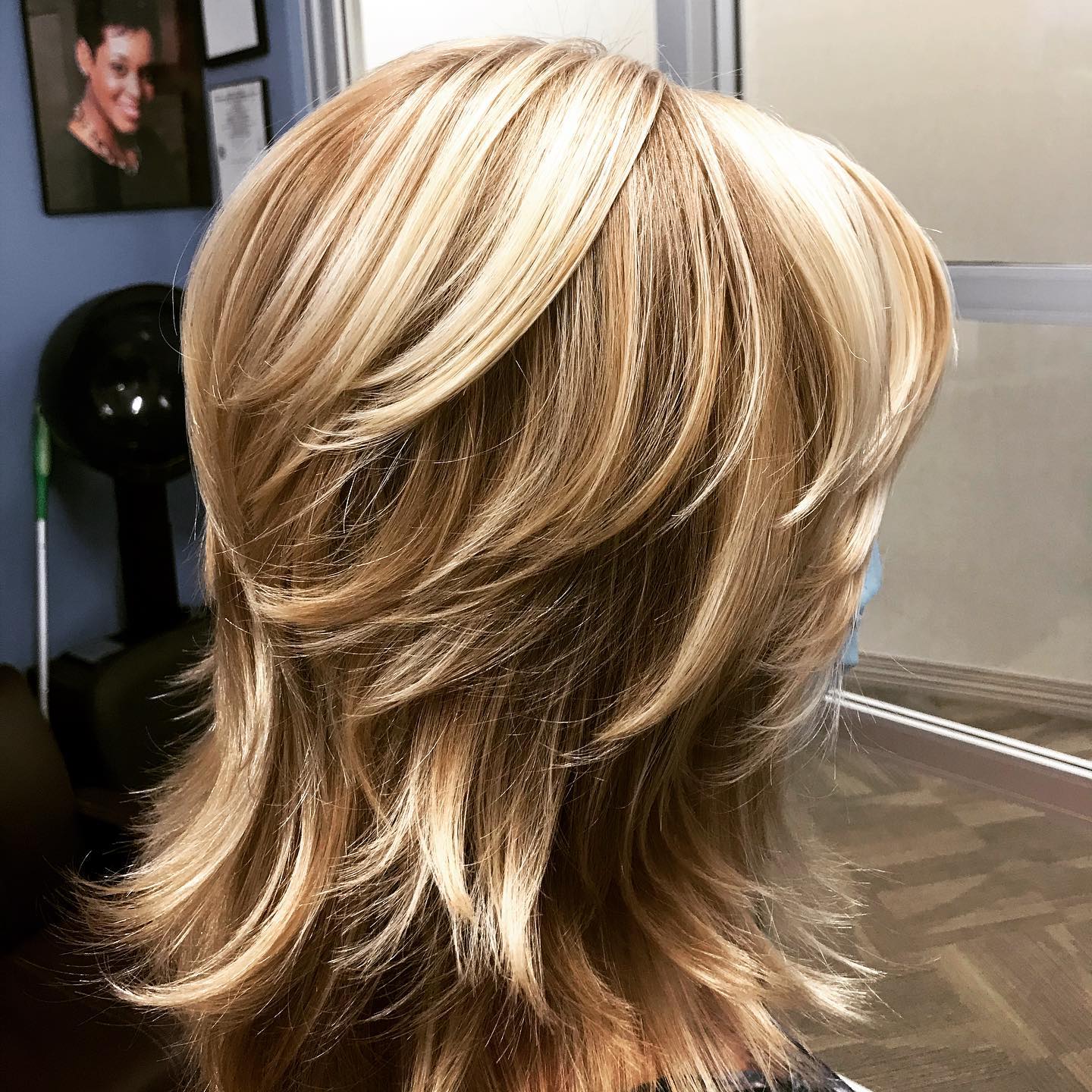
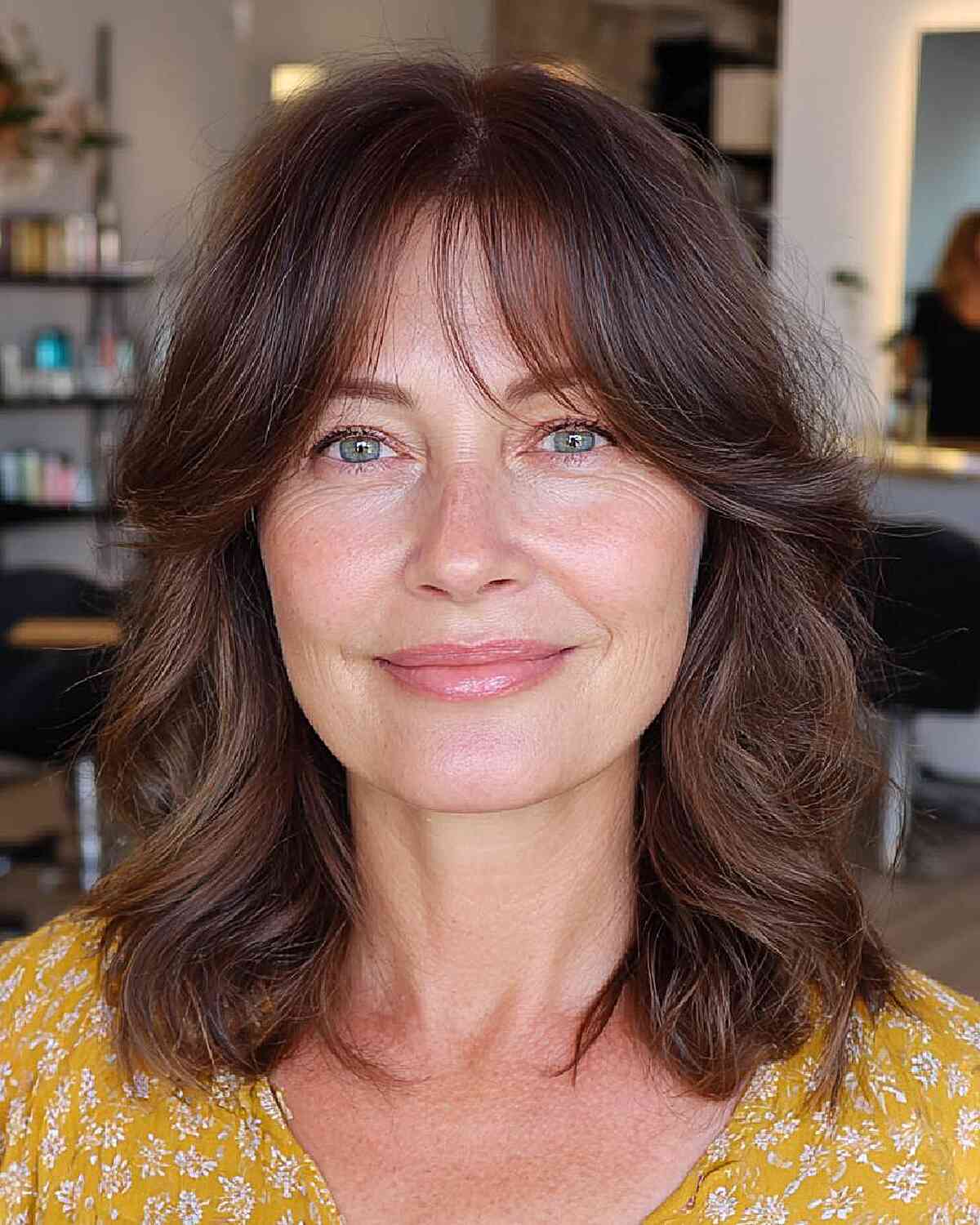
Medium shaggy hairstyles for over 50 offer a modern, low-maintenance aesthetic that combines feathered layers, textured ends, and volumizing movement to naturally lift the face while complementing changing hair textures. Achieving a youthful yet sophisticated look after fifty requires understanding how hair density, elasticity, and facial bone structure interact with modern cutting techniques.
Contents
Understanding Hair Texture and Density Changes After Fifty
As hair matures, hormonal shifts often lead to changes in diameter, reduced moisture retention, and a shift in overall density. Recognizing these structural shifts is the foundation of selecting a medium-length shag that flatters rather than fights your natural hair growth patterns.
Fine hair often loses volume at the crown, while coarse or gray hair can become more wiry, unruly, or resistant to traditional styling. A medium shag leverages strategic razor-cutting or point-cutting to remove dead weight, allowing fine hair to expand and coarse hair to lay flat with defined separation.
- Moisture Retention: Mature strands produce less sebum, making hydration a primary prerequisite before applying styling products or heat.
- Elasticity Management: Over-processed or brittle hair requires gentle handling; texturizing must be concentrated on the mid-shaft and ends rather than the roots to prevent breakage.
- Scalp Care: Healthy hair starts at the root; incorporating lightweight scalp serums prevents dryness and supports strong follicle growth.
Core Anatomical Elements of the Modern Shag
The classic shag cut relies on specific geometric principles that frame the facial structure. For women over fifty, these elements are adjusted to draw attention upward and soften angular lines or fine lines around the eyes and jawline.
Layer placement dictates where the eye is drawn. Crown layers build natural height, which elongates a round face or lifts a declining jawline. Face-framing pieces, such as curtain bangs or side-swept fringe, can be customized to conceal forehead lines while highlighting cheekbones.
Styling Tip for Mature Hair: Always consult with a stylist skilled in dry-cutting techniques for curly or wavy textures. Cutting the hair dry allows the stylist to see exactly how individual curls or waves will spring back and settle into the finished shag shape.
Tailoring Medium Shaggy Hairstyles to Your Face Shape
Every face shape benefits from a customized variation of the medium shag. Strategic layering creates the illusion of oval symmetry by adding volume where it is needed and removing bulk where it widens the silhouette.
| Face Shape | Ideal Shag Adaptation | Key Benefits |
|---|---|---|
| Round | Height at the crown, longer collarbone-grazing layers | Lengthens the face and slims the cheeks |
| Square | Wispy, textured fringe and ear-to-jaw soft feathering | Softens strong jawlines and angular features |
| Heart | Chin-length volume with structured movement | Balances a wider forehead and narrower chin |
| Oval | Versatile; balanced layers throughout | Enhances natural symmetry without overpowering features |
Step-by-Step Guide to Styling Your Medium Shag at Home
Maintaining a salon-fresh shag requires the right combination of lightweight styling products and effortless drying techniques. Avoid heavy styling waxes that weigh mature hair down; instead, opt for texture sprays and mousses that enhance natural body.
- Prep and Prime: Apply a lightweight leave-in conditioner or heat protectant to damp hair, focusing on the mid-lengths and ends where dryness is most prevalent.
- Root Lift Application: Work a volumizing mousse or root-lift spray directly into the crown area to build foundational height that prevents the shag from looking flat.
- Rough Blow-Drying: Using a blow dryer with a nozzle attachment, rough-dry your hair upside down until it is roughly 80% dry to encourage maximum root lift and natural wave activation.
- Detailing with Tools: Use a medium barrel curling wand or a flat iron to bend random sections in alternating directions (forward and backward) to create the signature disheveled, piece-y shag texture.
- Finish and Set: Mist the hair with a flexible-hold texture spray or dry shampoo to add grit, longevity, and effortless separation to the layers.
Professional Maintenance and Salon Upkeep
A well-executed medium shag is designed to grow out gracefully, but maintaining crisp ends and volume requires regular salon visits. Because the cut relies on varied lengths and textured tips, split ends can quickly disrupt the silhouette of the hairstyle.
Plan for trim appointments every 6 to 8 weeks to keep the ends sharp and prevent the style from collapsing into a heavy, unshaped mass. If you incorporate highlights or lowlights to blend gray hair, discuss root-smudging techniques with your colorist to create a seamless, low-maintenance grow-out phase that complements the textured layers of your shag.
Frequently Asked Questions
Can thin hair pull off a medium shaggy hairstyle?
Yes, thin hair is an ideal candidate for a medium shag because strategic layering removes heavy dead ends and creates the illusion of fullness. By building volume at the crown and keeping the perimeter texturized, fine hair appears thicker and more dynamic.
How do I style a medium shag if my hair is completely gray?
Gray and silver hair often has a coarser texture and can be wiry; use a smoothing anti-frizz serum combined with a lightweight styling cream to tame flyaways. Incorporating a purple shampoo once a week also keeps silver tones bright and prevents yellowing.
Are bangs necessary for a shag cut over 50?
Bangs are entirely optional and can be customized to suit your personal preference and forehead lines. Curtain bangs, textured side-swept fringe, or wispy brow-grazing bangs all blend seamlessly into a medium shag and soften facial features.
How often should I wash a medium shaggy hairstyle?
Washing your hair 2 to 3 times per week is generally recommended for mature hair to preserve natural scalp oils and prevent excessive dryness. Use dry shampoo between washes to absorb excess oil at the crown and instantly revive your shag's volume.
Will a shag cut work on naturally curly hair?
A medium shag is exceptional for naturally curly or wavy hair because the layered structure prevents the dreaded "triangle head" effect. Curls distribute themselves naturally throughout the varying lengths, creating a balanced, bohemian-inspired silhouette.
Embrace the versatility and effortless elegance of a medium shaggy hairstyle to revitalize your look with movement, volume, and modern sophistication tailored specifically for your lifestyle.
Image Gallery