Why an Unsuitability Claim Affects Whole Life Insurance Policies and Providers
An unsuitability claim affects whole life insurance by challenging the legal and ethical basis of the policy sale. If a policy is deemed unsuitable for a client’s financial goals or risk tolerance, it can lead to policy rescission, the...
An unsuitability claim affects whole life insurance by challenging the legal and ethical basis of the policy sale. If a policy is deemed unsuitable for a client’s financial goals or risk tolerance, it can lead to policy rescission, the full refund of premiums, clawbacks of agent commissions, and severe regulatory penalties for the issuing insurance carrier.
Contents
The landscape of financial litigation in 2026 continues to place a heavy emphasis on consumer protection. Within the insurance sector, "suitability" is no longer a mere suggestion; it is a rigorous legal standard. When a policyholder or beneficiary files an unsuitability claim regarding a whole life insurance policy, they are essentially alleging that the financial professional who sold the product failed to align the policy’s features, costs, and long-term commitments with the client’s actual needs and financial capacity.
Because whole life insurance is a complex, permanent product with significant front-loaded costs, it is a frequent focal point for these disputes. Understanding how an unsuitability claim moves through the system—and how it impacts every stakeholder involved—is critical for policyholders and practitioners alike.
The Legal Foundation of Suitability in 2026
The concept of suitability is rooted in the "Best Interest" standard, which has seen widespread adoption across various jurisdictions. As of 2026, most U.S. states have integrated the National Association of Insurance Commissioners (NAIC) Model #275, the Suitability in Annuity Transactions Model Regulation, and extended its spirit to life insurance products.
Suitability requires that a producer (agent or broker) has reasonable grounds to believe that a recommendation is appropriate for the consumer. This determination is based on "suitability information," which includes:
- The consumer’s age and annual income.
- Existing assets and liquidity needs.
- Financial experience and objectives.
- Risk tolerance and tax status.
When an unsuitability claim is filed, the burden of proof often shifts toward examining whether the agent gathered this data and whether the whole life policy recommended was a logical fit for those parameters. In whole life insurance, the "suitability" often hinges on the policyholder's ability to sustain high premium payments over several decades and their need for a death benefit combined with a cash-value accumulation component.
Why Whole Life Insurance is Susceptible to Claims
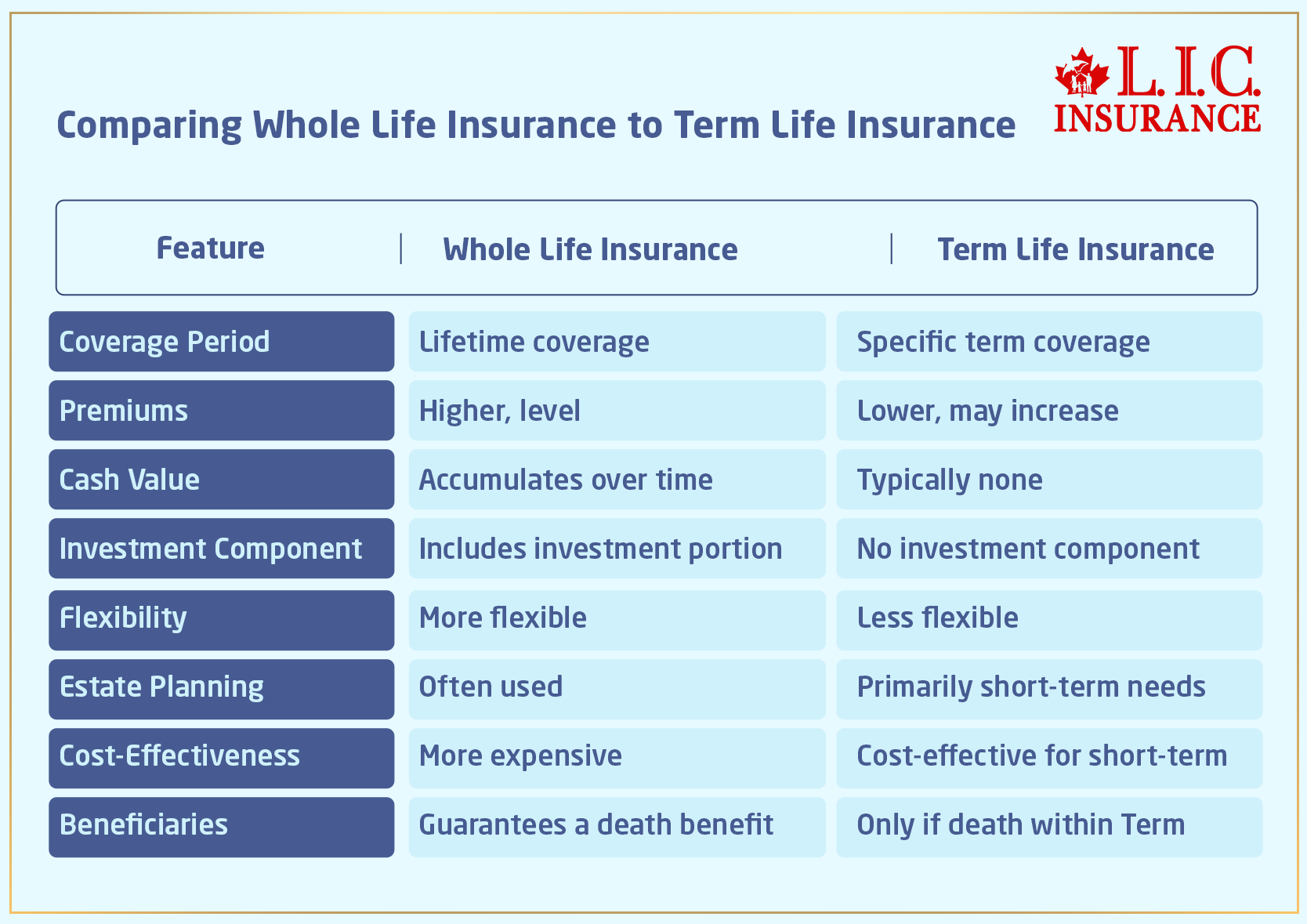
Whole life insurance is uniquely vulnerable to unsuitability claims because of its inherent structure. Unlike term life insurance, which is straightforward and low-cost, whole life involves complex riders, dividend projections, and high early-year expenses.
High Premium Commitment
Whole life premiums are significantly higher than term premiums for the same death benefit. If an agent sells a $1 million whole life policy to a young family with a tight budget, and that family eventually lets the policy lapse because they cannot afford the premiums, an unsuitability claim may arise. The argument would be that the agent "over-sold" the client on a product that was destined to fail due to affordability.
Complexity of Cash Value and Dividends
Whole life policies are often marketed as "investment-like" vehicles or "private banking" tools. However, the cash value in the first few years is typically zero or negligible due to the high costs of commissions and administrative fees. If a client is led to believe they will have immediate access to their funds for a home down payment or emergency, only to find the surrender value is non-existent, the product may be deemed unsuitable for their liquidity needs.
Churning and Twisting
"Churning" occurs when an agent replaces an existing policy from the same insurer with a new one primarily to generate a new commission. "Twisting" is the same practice but involves moving the client to a different insurer. In 2026, regulators utilize sophisticated data tracking to identify these patterns. An unsuitability claim often follows these actions because the client loses the accumulated values and "age-locked" rates of their original policy, often for no tangible benefit other than the agent’s payout.
Immediate Impacts on the Policyholder
For the policyholder, an unsuitability claim is a mechanism for restitution. The goal is typically to return the individual to the financial position they would have been in had the unsuitable sale never occurred.
Policy Rescission and Premium Refund
If a state insurance department or an arbitration panel (such as those managed by FINRA for variable products) finds the claim valid, the most common outcome is the rescission of the policy. The insurance company is forced to cancel the policy and refund all premiums paid by the policyholder. This is often referred to as "making the client whole."
Loss of Coverage and Re-insurability Issues
One significant downside of a successful unsuitability claim is that the policyholder may find themselves without life insurance. If their health has declined since the original policy was issued, they may find it difficult or prohibitively expensive to secure new coverage. Legal settlements often include provisions to address this, but it remains a complex hurdle in unsuitability disputes.
Consequences for the Insurance Agent and Agency
The financial professional is often the primary target of an unsuitability claim, as they are the individual responsible for the "fact-finding" process.
Commission Clawbacks (Chargebacks)
When a policy is rescinded due to unsuitability, the insurance carrier will almost always "charge back" the commission paid to the agent. Because whole life commissions can be as high as 60% to 100% of the first-year premium, this can create a massive sudden debt for the agent or their agency.
E&O Insurance Claims
Agents carry Errors and Omissions (E&O) insurance to protect against claims of negligence or professional mistakes. An unsuitability claim will trigger an E&O investigation. If the agent is found to have intentionally misrepresented the product or ignored suitability guidelines, the E&O provider may refuse to cover the loss, leaving the agent personally liable for legal fees and settlements.
Regulatory Action and Licensing
In 2026, state insurance commissioners are increasingly proactive. A single validated unsuitability claim can lead to an investigation of the agent's entire book of business. Penalties can range from mandatory retraining and fines to the permanent revocation of the agent's insurance license.
Systemic Effects on the Insurance Carrier
While the agent makes the sale, the insurance carrier provides the product and shares the legal liability.
| Impact Area | Effect of Unsuitability Claim |
|---|---|
| Financial | Direct loss through premium refunds and administrative costs of rescission. |
| Legal | Expenses related to defending the claim in court or through arbitration. |
| Reputational | Damage to the brand, especially if systemic "over-selling" is discovered. |
| Regulatory | Increased frequency of audits and higher oversight from the NAIC and state bodies. |
| Operational | Requirement to update compliance software and internal suitability review processes. |
Carriers are now utilizing AI-driven compliance tools to flag high-risk applications before a policy is even issued. If a carrier's "Suitability Review Department" misses a red flag that later leads to a claim, the company faces "Failure to Supervise" charges, which can result in multi-million dollar class-action lawsuits.
The Evidence Gate: Documenting Suitability
To defend against or prove an unsuitability claim, both parties rely on the "paper trail" created at the time of sale. In 2026, digital signatures and recorded video consultations have become standard evidence.
- The Suitability Questionnaire: This is the most critical document. It captures the client's financial state at the moment of application. If an agent fills this out with false information to make a policy look suitable, it is considered fraud.
- The Illustration: A whole life illustration shows projected cash values and death benefits. If these projections were based on unrealistic dividend rates or if the "guaranteed" versus "non-guaranteed" columns were not clearly explained, the claim gains significant traction.
- The Policy Summary and Disclosure: Most states require a "Buyer's Guide" to be delivered. Failure to provide this, or failure to get a signed acknowledgment of receipt, is often enough to tip the scales in favor of the claimant.
Frequently Asked Questions
What is the difference between a "bad investment" and an "unsuitable" one?
A bad investment is one that simply loses value due to market forces. An unsuitable policy is one that was fundamentally mismatched with the client's needs from the start. For example, if you need a policy for five years but are sold a whole life policy that requires 20 years to break even, that is unsuitability, regardless of how well the insurance company performs.
Can I file an unsuitability claim if my agent is no longer in business?
Yes. The insurance carrier that issued the policy remains liable for the conduct of the agents representing them at the time of the sale. You can file a complaint with your State Insurance Department or pursue legal action against the carrier directly.
How long do I have to file an unsuitability claim?
Statutes of limitations vary by state and the type of claim (contract law vs. tort). Generally, the "discovery rule" applies, meaning the clock starts when you realized—or should have realized—that the policy was unsuitable. In many jurisdictions, this window is between two and six years.
Does a drop in the company's dividend rate justify an unsuitability claim?
Usually, no. Dividend rates are non-guaranteed. However, if the agent specifically promised a certain dividend level or failed to show the "guaranteed" side of the ledger during the sales process, you may have grounds for a claim based on misrepresentation, which is a cousin to unsuitability.
Strategic Recommendations
For policyholders who suspect they hold an unsuitable whole life policy, the first step is a comprehensive "Policy Audit." This should be conducted by an independent fee-only financial planner or a specialized insurance attorney who does not have a stake in selling you a replacement product.
If you determine the policy was indeed unsuitable:
- Gather all original sales materials, including brochures and the initial illustration.
- Request your complete "agent file" from the insurance company, which includes the suitability questionnaire.
- File a formal complaint with the insurance carrier's compliance department before escalating to the state regulator.
For professionals, the best defense is meticulous documentation. Ensure that the "Reason for Recommendation" section of your files clearly explains why whole life was chosen over term insurance or other vehicles, specifically referencing the client's stated desire for permanent coverage, tax-advantaged growth, or estate planning needs.
Image Gallery