Understanding What Constitutes a Fatal Crash in Texas
In the state of Texas, a fatal crash is legally and statistically defined as a motor vehicle collision on a public roadway that results in the death of at least one person within 30 days of the incident. This classification triggers sp...
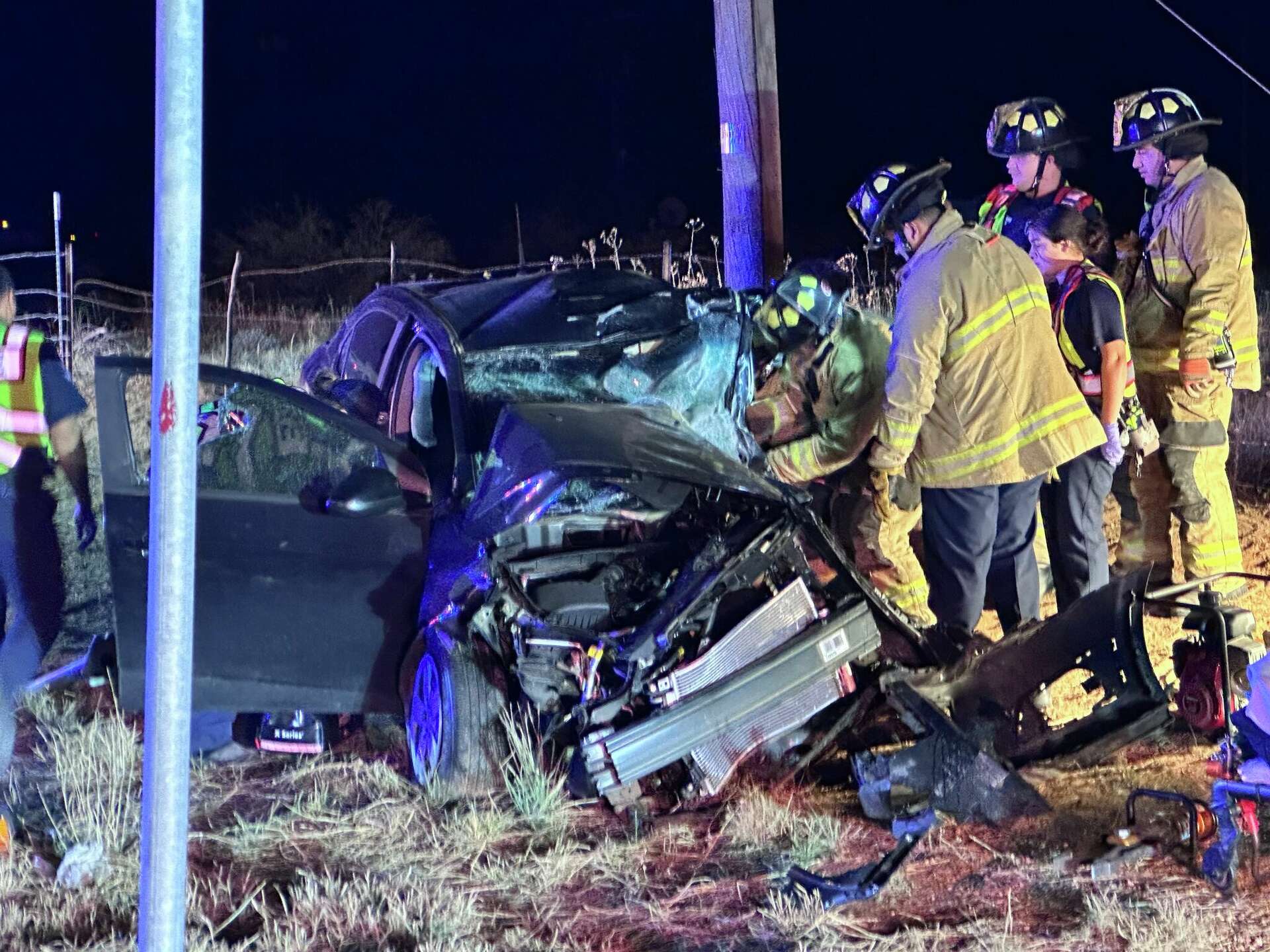
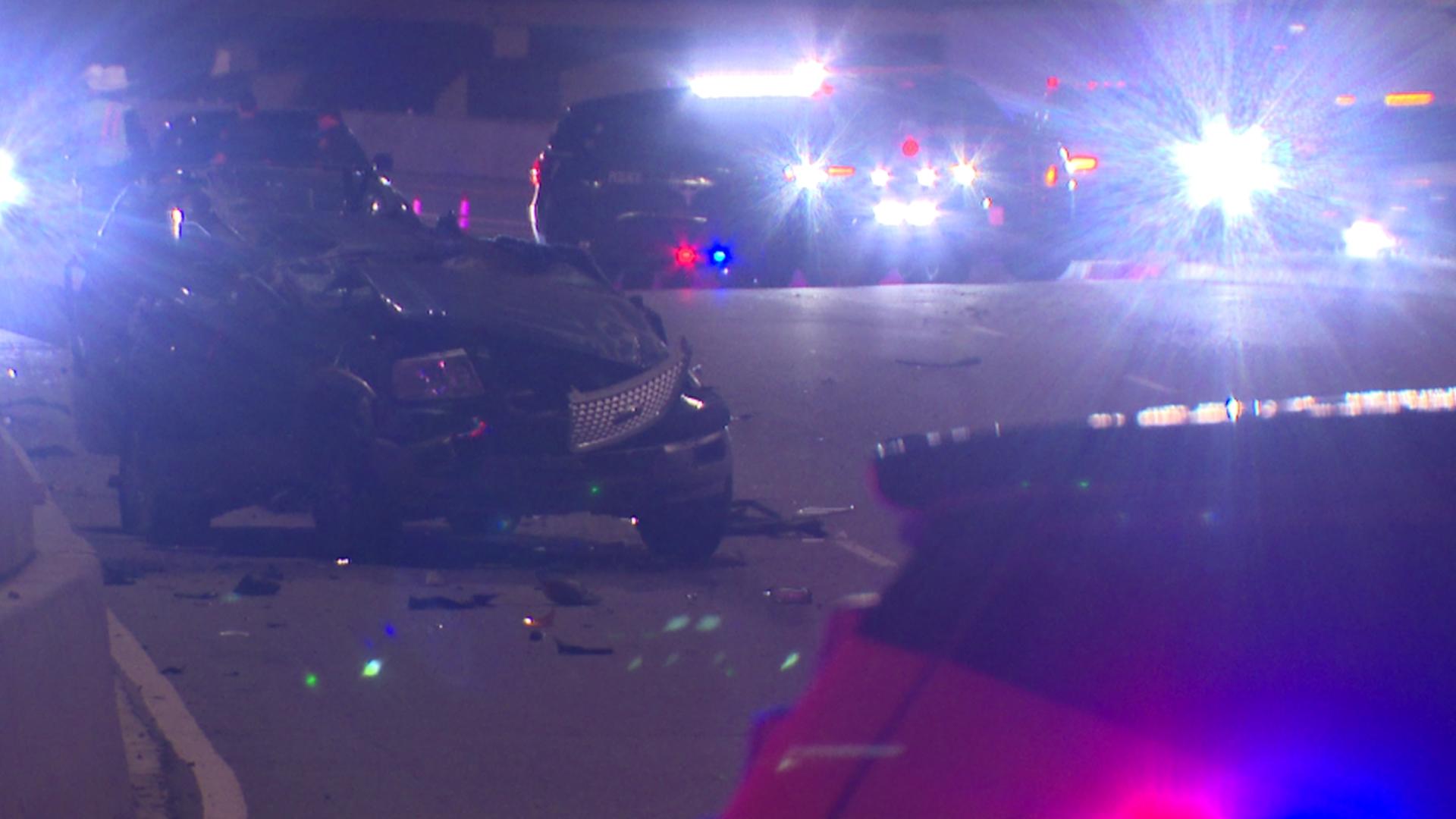
In the state of Texas, a fatal crash is legally and statistically defined as a motor vehicle collision on a public roadway that results in the death of at least one person within 30 days of the incident. This classification triggers specific reporting requirements by law enforcement and determines how the Texas Department of Transportation (TxDOT) tracks road safety data.
Contents
The Legal and Statistical Definition of a Texas Fatal Crash
To understand what a fatal crash is in Texas, one must look at both the law enforcement reporting standards and the statistical tracking used by state agencies. As of 2026, the Texas Department of Transportation continues to use the "30-day rule" for its annual reporting. If an individual sustains injuries in a motor vehicle accident and passes away because of those specific injuries at any point within 720 hours (30 days) of the collision, the event is classified as a "fatal crash."
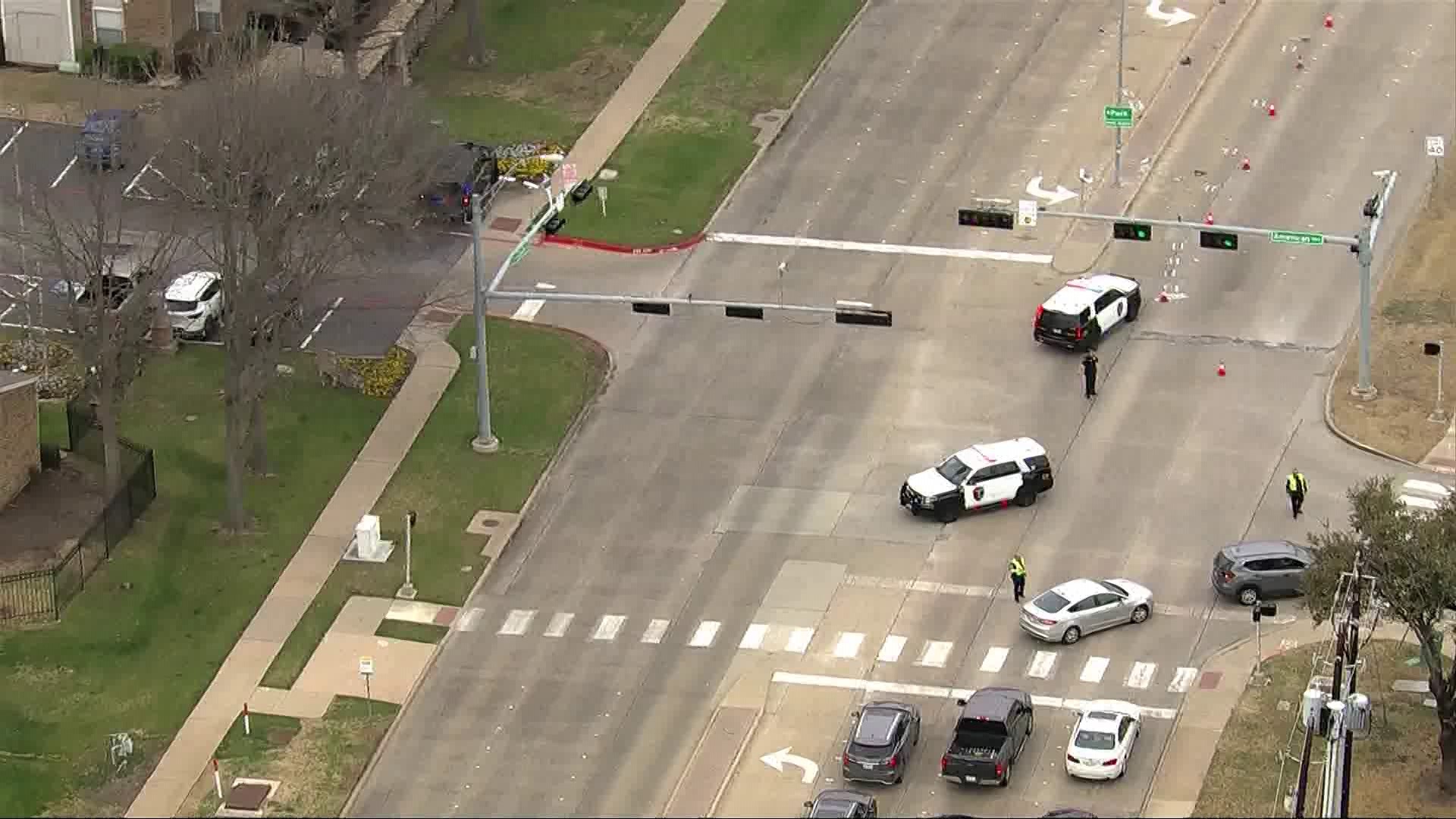
This definition is critical because it separates immediate scene fatalities from those that occur in clinical settings following the event. For legal purposes, a fatal crash is not merely a traffic violation; it is a significant event that often involves the Texas Department of Public Safety (DPS) and local medical examiners. When a death occurs at the scene, the investigation transitions from a standard traffic report to a specialized accident reconstruction.
The distinction matters for insurance providers and legal representatives because the classification dictates the statute of limitations for certain claims and the level of scrutiny applied to the evidence. In Texas, the reporting of these incidents is governed by the Texas Transportation Code Chapter 550, which mandates that any accident resulting in injury or death must be immediately reported to the authorities.
The Role of the CR-3 Peace Officer’s Crash Report
When a fatal crash occurs in Texas, the responding officer must complete a CR-3 Peace Officer’s Crash Report. This is a comprehensive document that serves as the official state record of the event. In 2026, these reports are filed electronically through the Crash Records Information System (CRIS).
For a crash to be labeled "fatal" on a CR-3, the officer must indicate the "Injury Severity" as "K" (Killed). If the death occurs after the initial report is filed but within the 30-day window, the reporting agency is required to submit a supplement to update the status. The CR-3 includes vital data points such as:
- Factors and Conditions: These are the officer's opinions on what contributed to the crash, such as "Failed to Drive in Single Lane" or "Under Influence - Alcohol."
- Unit Descriptions: Detailed information on the vehicles involved, including commercial motor vehicles (CMV), which are subject to stricter federal and state regulations.
- Sequence of Events: A step-by-step breakdown of how the collision occurred, which is essential for determining liability in subsequent wrongful death litigation.
Accessing these reports is a standardized process. Families and legal representatives can obtain them via the TxDOT Crash Report Online Purchase System. Having a verified "Fatal" designation on this report is often the prerequisite for insurance companies to initiate high-limit policy payouts.
Primary Causes and Contributing Factors in Texas Fatalities
Texas has consistently faced challenges with road safety due to its vast geography and high-speed corridors. The causes of fatal crashes are often categorized by TxDOT to help guide infrastructure improvements and enforcement strategies.
Distracted Driving and Speeding
Speeding remains the leading contributing factor in Texas road fatalities. In 2026, the state continues to see high-velocity collisions on rural interstates where speed limits can reach 80 or 85 mph. At these speeds, the kinetic energy involved in a crash makes survival statistically unlikely. Distracted driving, particularly involving mobile devices, has remained a persistent threat despite stricter hands-free laws implemented in previous years.
Driving Under the Influence (DUI)
Texas law maintains a zero-tolerance approach to fatalities involving intoxication. A fatal crash involving a driver with a Blood Alcohol Concentration (BAC) of 0.08% or higher often results in Intoxication Manslaughter charges under the Texas Penal Code § 49.08. This is a second-degree felony, highlighting that the state views fatal crashes caused by impairment as serious criminal acts rather than mere accidents.
Commercial Vehicle Involvement
Due to the heavy presence of the energy and logistics industries in Texas, a significant percentage of fatal crashes involve large trucks or "18-wheelers." These incidents are handled differently because they involve the Federal Motor Carrier Safety Administration (FMCSA) regulations. A fatal crash involving a commercial vehicle triggers mandatory drug testing for the driver and an intensive inspection of the vehicle's electronic logging device (ELD).
Legal Implications: Wrongful Death and Survival Actions
When a crash is classified as fatal, the legal landscape shifts from personal injury to Wrongful Death and Survival Actions. These are two distinct types of legal claims governed by the Texas Civil Practice and Remedies Code Chapter 71.
Wrongful Death Claims
A wrongful death claim is filed by the surviving beneficiaries—specifically the parents, children, or spouse of the deceased. The goal is to compensate the family for their losses, which include:
- Loss of earning capacity and financial support.
- Loss of companionship and society.
- Emotional pain and mental anguish.
- Loss of inheritance.
Survival Actions
A survival action is essentially the personal injury claim the deceased person would have been able to file had they survived. This claim is filed by the estate of the deceased. It seeks to recover damages for the pain and suffering the individual experienced between the time of the crash and the time of their death, as well as funeral and burial expenses.
Texas Modified Comparative Fault in Fatalities
Texas operates under a Modified Comparative Negligence rule, often called the "51% Bar Rule." In a fatal crash investigation, the jury or insurance adjuster will assign a percentage of fault to each party involved.
If the deceased individual is found to be more than 50% responsible for the crash, their estate and beneficiaries are barred from recovering any damages from other parties. If they are found to be 50% or less at fault, the total compensation is reduced by their percentage of fault. For example, if a jury determines the total damages are $1,000,000 but finds the deceased was 20% at fault for not wearing a seatbelt, the final award would be $800,000. This makes the "Fatal Crash" investigation by the police highly contentious, as the initial findings on the CR-3 report heavily influence these fault percentages.
Comparison of Fatal Crash Categories in Texas
The following table outlines the different classifications of fatal crashes and the typical regulatory bodies involved in their investigation.
| Crash Type | Primary Investigating Authority | Key Regulatory Focus | Common Legal Charge (if applicable) |
|---|---|---|---|
| Passenger Vehicle | Local Police / Sheriff | Texas Transportation Code | Manslaughter / Criminally Negligent Homicide |
| DUI/Intoxication | Texas DPS / Highway Patrol | Texas Penal Code § 49.08 | Intoxication Manslaughter |
| Commercial Truck | Texas DPS / FMCSA | Federal Motor Carrier Regs | Corporate Negligence / Vicarious Liability |
| Pedestrian/Cyclist | Local Police Reconstruction | Right-of-Way Statutes | Failure to Yield / Improper Lookout |
| Work Zone | TxDOT / OSHA | Safety Signage / Coning | Gross Negligence |
Steps Following a Fatal Crash in Texas
The period following a fatal crash is often chaotic. However, specific administrative and legal steps are necessary to protect the rights of the survivors and ensure the crash is recorded accurately.
- Secure the Narrative Report: Beyond the CR-3, many departments (like the Houston Police or Austin PD) produce a detailed narrative and a "Scale Diagram." This is essential for understanding the physical evidence like skid marks and point of impact.
- Contact the Medical Examiner: The Medical Examiner’s office in the county where the death occurred will issue a formal death certificate and an autopsy report. These documents confirm that the crash was the proximate cause of death, which is a requirement for a fatal crash designation.
- Preserve Electronic Evidence: In 2026, most vehicles have an Event Data Recorder (EDR), similar to a "black box." This data must be preserved immediately, as it records speed, braking, and steering inputs in the seconds leading up to the fatality.
- Notify Probate Court: Since a fatal crash involves a decedent, an estate must often be opened in a Texas Probate Court to authorize a representative to act on behalf of the deceased in legal matters.
Frequently Asked Questions
What happens if a person dies more than 30 days after the crash?
If a victim dies from their injuries 31 days or more after the accident, the crash is generally not counted in the state’s official "fatal crash" statistics for that year. However, this does not prevent the family from filing a wrongful death lawsuit. For civil litigation, the primary factor is whether the crash caused the death, regardless of the timeframe.
Can a driver be charged if a crash was fatal but they weren't drunk?
Yes. In Texas, a driver can be charged with Criminally Negligent Homicide if they ought to have been aware of a substantial and unjustifiable risk that their conduct would result in death. Examples include extreme speeding or reckless maneuvers that do not involve intoxication.
Who can see the fatal crash report in Texas?
Because fatal crash reports contain sensitive information, they are not entirely public. Under Texas law, they can be accessed by the drivers involved, their authorized representatives, the parents/spouses/children of the deceased, and insurance companies covering the vehicles involved.
Does Texas have a "Death Streak"?
Texas has famously (and unfortunately) not had a death-free day on its roads since November 7, 2000. The #EndTheStreakTX campaign is a TxDOT initiative aimed at raising awareness about the frequency of fatal crashes. In 2026, this remains a major point of public safety messaging across the state.
How is "Fault" determined in a fatal crash if the victim cannot speak?
Investigators rely on physical evidence, such as tire marks, vehicle deformation, and witness statements. They also use digital forensics from the vehicle's onboard computers. In many cases, private accident reconstruction experts are hired to "speak" for the deceased by recreating the physics of the crash.
Practical Recommendation
If you are dealing with the aftermath of what you believe is a fatal crash in Texas, your first priority should be to ensure the Texas Peace Officer’s Crash Report (CR-3) accurately reflects the circumstances. If there are inaccuracies in the contributing factors or the sequence of events, you may need to provide supplemental evidence to the reporting agency. Because fatal crashes involve complex intersections of the Texas Penal Code and Civil Practice and Remedies Code, consulting with a legal professional who specializes in Texas wrongful death statutes is highly recommended to navigate the "Modified Comparative Fault" rules.
Image Gallery