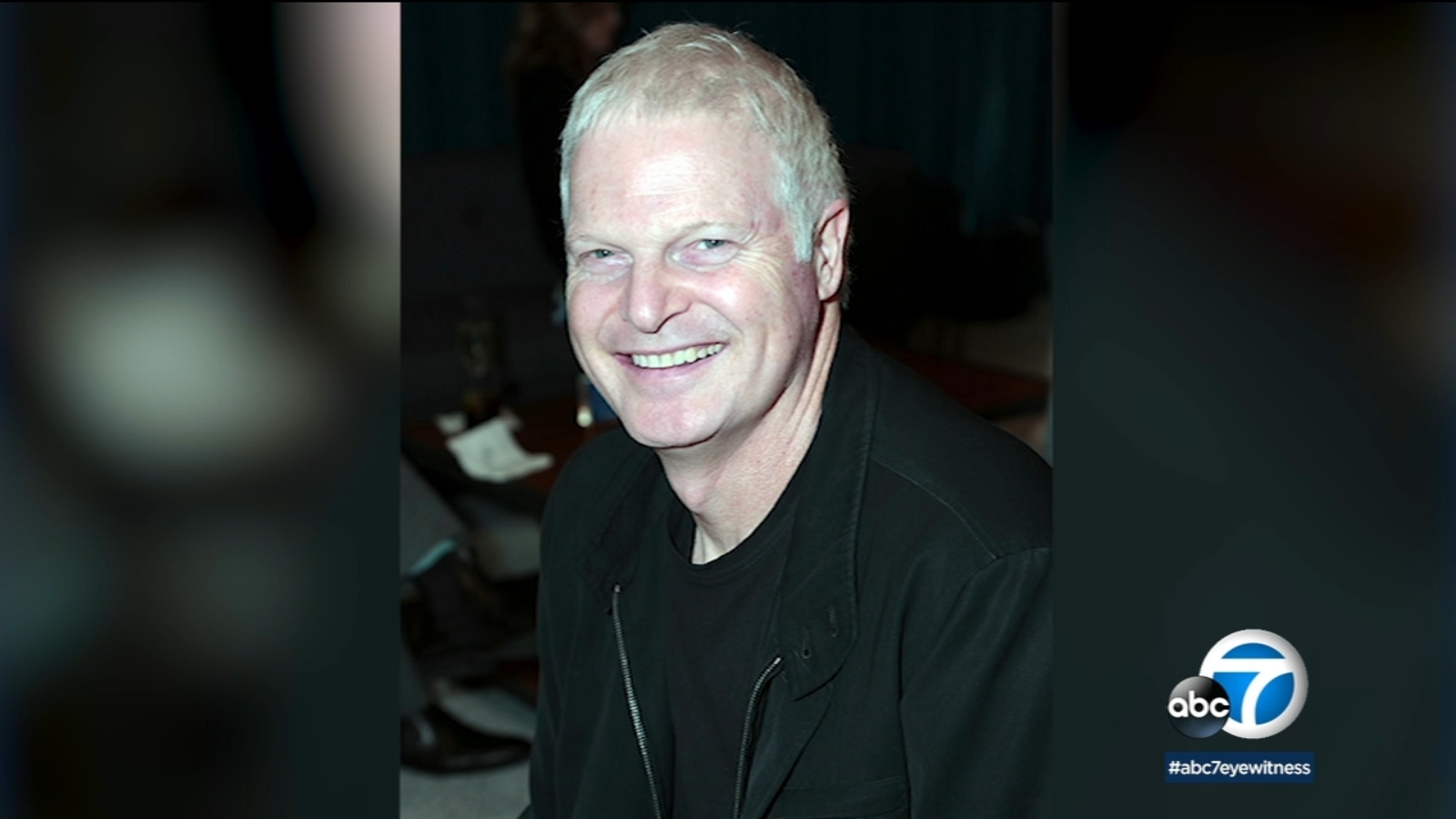
The Legacy and Impact of Steve Bing: Producer, Philanthropist, and Entrepreneur
Steve Bing was a prominent American film producer, financier, and philanthropist best known for founding Shangri-La Entertainment and funding major cinematic projects such as The Polar Express and Beowulf. His high-profile career spann...
Steve Bing was a prominent American film producer, financier, and philanthropist best known for founding Shangri-La Entertainment and funding major cinematic projects such as The Polar Express and Beowulf. His high-profile career spanned Hollywood production, substantial political fundraising, and significant real estate investments before his death in 2020.
Contents
Early Life and the Real Estate Foundation
Born in March 1965 in New York City, Steve Bing grew up in a prominent and affluent family. His grandfather, Leo S. Bing, was a pioneering real estate developer who shaped much of New York's skyline through the construction of residential apartment buildings in the early-to-mid 20th century. This vast real estate portfolio provided the foundational wealth that allowed Bing to pursue his own entrepreneurial and creative ventures later in life.
Bing attended the elite Harvard-Westlake School in Los Angeles before enrolling at Stanford University to study economics. However, driven by an early fascination with the entertainment industry, he made a pivotal life decision during his junior year. At the age of 18, he dropped out of Stanford after inheriting a reported multi-million-dollar fortune from his grandfather's estate, relocating permanently to Los Angeles to break into the motion picture business.
Cinematic Investments and Shangri-La Entertainment
Upon arriving in Southern California, Bing initially worked on various low-budget film productions and tried his hand at screenwriting. Recognizing that traditional studio financing often stifled creative independence, he utilized his substantial personal wealth to establish Shangri-La Entertainment, a multi-faceted film production, financing, and artist management company.
Through Shangri-La Entertainment, Bing positioned himself as a unique Hollywood player—someone capable of independently greenlighting and funding high-risk, high-reward projects. His financial backing was instrumental in bringing several landmark films to the silver screen.
- The Polar Express (2004): Bing heavily financed this Robert Zemeckis-directed holiday film, which pioneered performance-capture animation techniques in mainstream cinema.
- Beowulf (2007): Continuing his partnership with Zemeckis, he backed this visually ambitious 3D fantasy epic.
- Shine a Light (2008): Bing served as a producer and financial backer for this Martin Scorsese-directed documentary chronicling the Rolling Stones' performance at the Beacon Theatre.
- Kangaroo Jack (2003): He provided production support and funding for this commercially successful family comedy.
Despite his successes, Bing's independent financing model also encountered financial hurdles. Projects like the Warren Beatty-directed romantic comedy Town & Country (2001) suffered notorious production delays, ballooning budgets, and severe box-office losses, serving as a cautionary tale of independent studio financing in the early 2000s.
Philanthropic Contributions and Political Advocacy
Beyond his work in cinema, Steve Bing was a prolific philanthropist and one of the most influential Democratic political donors of the late 1990s and 2000s. He utilized his financial resources to support numerous educational institutions, environmental causes, and progressive political campaigns.
Bing maintained close relationships with prominent political figures, including former Presidents Bill Clinton and Barack Obama. He famously made headlines in 2001 by donating several million dollars to help cover the costs of the Democratic National Convention and contributed heavily to environmental initiatives, including campaigns to promote renewable energy and reduce carbon emissions in California.
His philanthropic reach extended to cultural institutions and medical research. He served on the board of trustees for the Los Angeles County Museum of Art (LACMA) and donated generously to organizations focused on youth development and homelessness in Southern California.
| Philanthropic Sector | Primary Focus Areas | Notable Contributions |
|---|---|---|
| Political Advocacy | Democratic Party campaigns, voter registration, environmental policy | Multi-million dollar donations to national committees and presidential campaigns |
| Environmentalism | Renewable energy adoption, conservation initiatives, anti-pollution measures | Funding for California-based ballot propositions and green technology research |
| Arts and Culture | Museum endowments, film preservation, public exhibitions | Board service and financial support for LACMA and cinematic archives |
| Community Welfare | Homelessness mitigation, educational access, youth programs | Direct grants to Los Angeles-based shelters and community development organizations |
Personal Life and Public Scrutiny
Steve Bing's personal life frequently attracted tabloid attention due to his immense wealth, high-profile romantic relationships, and legal disputes regarding family matters. He was never married, but his relationships with high-profile figures, including actress Elizabeth Hurley and tennis player Lisa Bonder, kept him in the public eye.
His relationship with Elizabeth Hurley resulted in a highly publicized paternity dispute in 2002 regarding the birth of his son, Damian Hurley. Following DNA testing that confirmed paternity, Bing accepted financial responsibility and maintained a relationship with his son. He also shared a daughter, Kira Bonder, with Lisa Bonder, with whom he navigated complex family dynamics over the years.
The Evolution of Independent Film Financing
To understand Bing's impact on the entertainment industry, it is essential to examine how his approach to film financing compared to traditional studio models. Independent financiers operate outside the major studio system, accepting greater financial exposure in exchange for complete creative control and a larger share of potential profits.
- Traditional Studio Model: Relies on diversified slate financing, pre-sales, tax incentives, and risk-mitigation strategies across multiple corporate stakeholders.
- Independent Financer Model (Bing's Approach): Relies on private equity, personal capital, and direct risk assumption, allowing filmmakers to pursue unconventional or technologically risky projects.
- Risk Profile: High exposure to individual project failure, contrasted with the potential for massive returns on breakout hits like The Polar Express.
- Creative Freedom: Total autonomy for directors and producers without interference from risk-averse studio executives.
The Final Years and Legacy
In his later years, Steve Bing stepped back from active film production, shifting his focus toward real estate management, private investments, and quiet philanthropic efforts. However, mounting personal struggles, compounded by professional challenges and the isolation of his later life, took a heavy toll.
Bing passed away in June 2020 at the age of 55 in Los Angeles, California. His death prompted an outpouring of tributes from Hollywood colleagues, political leaders, and charitable organizations who remembered him as a generous, complex, and visionary figure who left an indelible mark on American cinema and political fundraising.
Frequently Asked Questions
Who was Steve Bing?
Steve Bing was an American film producer, financier, and philanthropist who founded Shangri-La Entertainment and funded major movies like The Polar Express. He was also known for his extensive political philanthropy and real estate investments.
What were Steve Bing's most famous movies?
His most notable producing and financing credits include The Polar Express (2004), Beowulf (2007), Shine a Light (2008), and Kangaroo Jack (2003). He backed these projects primarily through his independent production company, Shangri-La Entertainment.
Where did Steve Bing get his wealth?
Bing inherited a massive fortune from his grandfather, Leo S. Bing, a prominent New York real estate developer. He expanded this wealth through smart real estate investments and private equity ventures in Los Angeles.
What was Steve Bing's connection to politics?
He was one of the most prominent Democratic mega-donors during the late 1990s and 2000s, contributing millions to presidential campaigns, national party committees, and environmental advocacy initiatives.
How did Steve Bing impact independent cinema?
By utilizing his personal wealth to independently finance high-budget and technologically ambitious films, Bing provided directors with creative freedom that traditional Hollywood studios were often unwilling to risk.
Image Gallery