Exploring the Role of Madagascar’s Capital Antananarivo in 2026
Antananarivo serves as the undisputed political, economic, and cultural nerve center of Madagascar. Located in the central highlands, it functions as the primary gateway for international diplomacy, the headquarters for the nation’s fi...
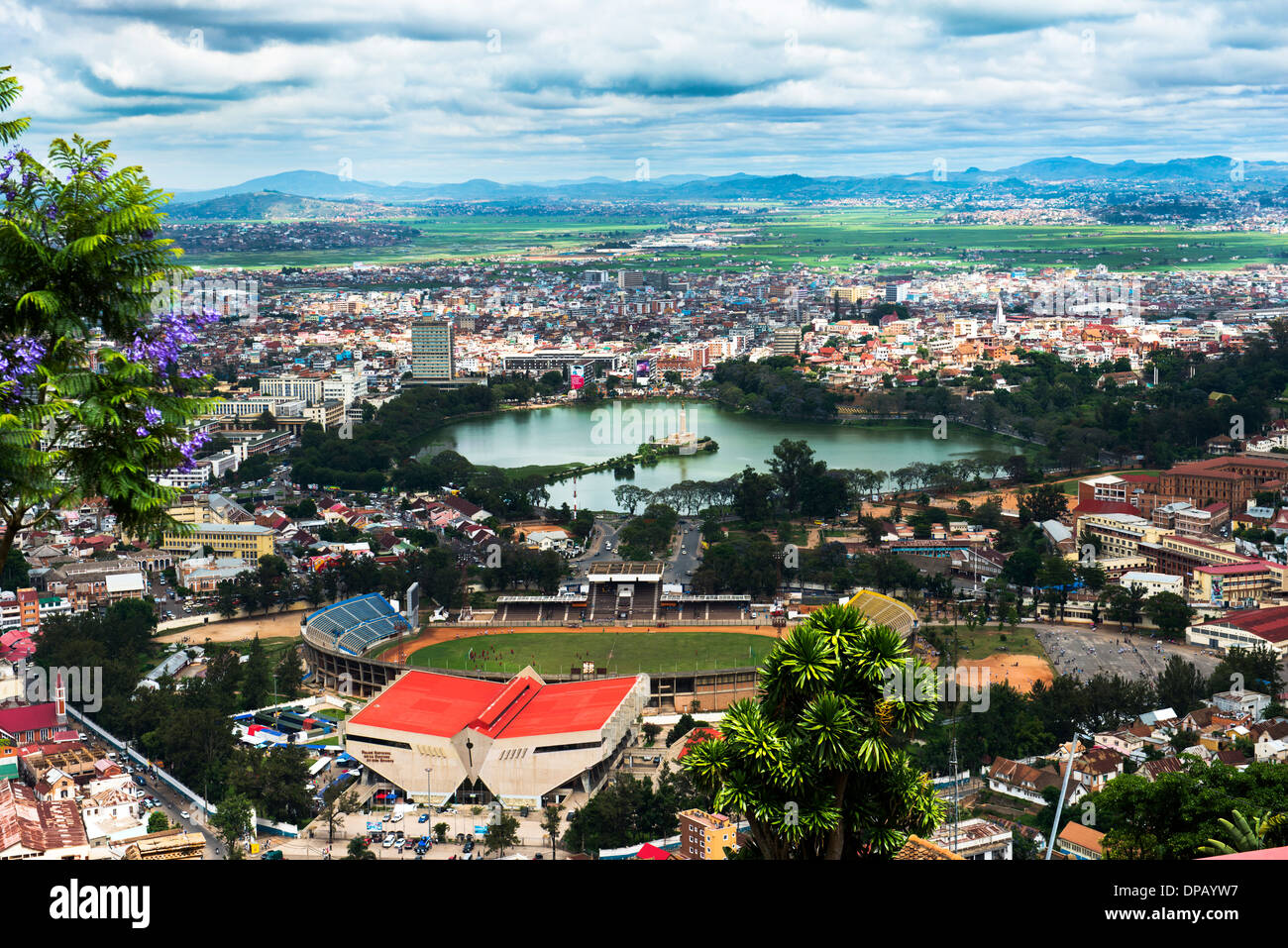
Antananarivo serves as the undisputed political, economic, and cultural nerve center of Madagascar. Located in the central highlands, it functions as the primary gateway for international diplomacy, the headquarters for the nation’s financial institutions, and the logistical hub connecting the island’s diverse coastal regions and agricultural provinces.
Contents
The Historical Evolution of the City of a Thousand
To understand the role of Antananarivo in 2026, one must first look at its foundational identity. Founded around 1610 by King Andrianjaka, the city was originally a fortress defended by a thousand soldiers—hence its name, which translates to "The City of a Thousand." Historically, it served as the seat of the Merina Kingdom, the monarchy that eventually unified much of Madagascar before the French colonial period.
The city’s topography, built across several steep hills, dictated its early development. The highest point, Analamanga, remains the site of the Rova (the royal palace complex), which serves as a symbol of national sovereignty and historical resilience. During the colonial era (1895–1960), the French restructured the lower parts of the city, introducing European architectural styles, grand boulevards, and administrative buildings that still define the "Analakely" or downtown district today. This dual heritage—pre-colonial Merina royalty and French urban planning—creates a unique urban identity that influences current administrative and social structures.
Antananarivo as the Political and Administrative Core
As the capital city, Antananarivo hosts the presidency, the national assembly, and every major government ministry. In 2026, the city remains the focal point for Malagasy governance. The presidency operates from two primary locations: the Ambohitsorohitra Palace in the city center for ceremonial and daily functions, and the Iavoloha Palace on the southern outskirts for executive residence and high-level summits.
The concentration of power in "Tana" (as it is colloquially known) creates a highly centralized political landscape. Nearly all legal, judicial, and regulatory decisions originate here. For international stakeholders, including NGOs and foreign embassies, the city is the essential base of operations. This centralization, while efficient for administrative coordination, has historically led to debates regarding regional decentralization. However, as of 2026, the city remains the primary site for legislative debate and the implementation of national development policies such as the "Initiative pour l'Emergence de Madagascar" (IEM).
The Economic Engine of the High Plateau
Antananarivo is the primary driver of Madagascar's GDP. While the country is famous for its vanilla and sapphire exports from other regions, the capital is where the secondary and tertiary sectors thrive.
Industrial and Manufacturing Hub
The outskirts of the city, particularly areas like Tanjombato and Ankorondrano, house the majority of the nation’s manufacturing plants. Madagascar’s textile industry, bolstered by trade agreements like the African Growth and Opportunity Act (AGOA), relies heavily on the labor pool and logistical facilities located in the capital. These factories produce garments for global brands, providing significant employment and foreign exchange.
Financial and Digital Services
Antananarivo is the home of the Central Bank of Madagascar (Banque Centrale de Madagascar) and the headquarters of all major commercial banks. Furthermore, the city has seen a surge in the digital economy. In 2026, the Business Process Outsourcing (BPO) sector—including call centers and IT support—has become a major employer for the city’s youth. The availability of high-speed fiber optic internet, which entered the country through coastal landing stations and is piped directly to the capital, has transformed Tana into a burgeoning tech hub in the Indian Ocean region.
Logistics and Urban Mobility
Antananarivo’s role as a logistical hub is dictated by its geography. It sits at the junction of the nation’s most important "Routes Nationales" (RN).
- RN7: Leads south to Antsirabe, Fianarantsoa, and Toliara.
- RN2: The vital economic artery connecting the capital to Toamasina, the country’s largest port.
- RN4: Connects the capital to the northwestern port of Mahajanga.
The Ivato International Airport, located roughly 15 kilometers from the city center, underwent significant modernization and expansion in the early 2020s. By 2026, it serves as the primary entry point for tourists heading to the "Big Island’s" rainforests and beaches, as well as for business travelers.
To combat the city's notorious traffic congestion, 2026 marks a period of significant infrastructure transition. The "Grand Tana" urban development plan has seen the introduction of new bypass roads and the continued development of the urban cable car system (téléphérique). This aerial transport project aims to move thousands of commuters daily between the high-altitude residential hills and the low-lying commercial zones, bypassing the narrow, winding streets of the old city.
Cultural and Educational Significance
The capital is the intellectual heart of the country. The University of Antananarivo (Ankatso) is the nation’s premier institution for higher education, producing the majority of the country's doctors, engineers, and civil servants. This concentration of academia fosters a vibrant cultural scene, from the "Hiragasy" (traditional highland musical theater) performed in open-air markets to contemporary art galleries in the Isoraka district.
The city’s culinary scene is a microcosm of the island’s history, blending Malagasy staples like rice and romazava (meat and leaf stew) with French pastry techniques and Chinese-influenced noodle dishes (mine sao). This cultural synthesis makes the capital the primary site for the preservation and evolution of the "Malagasy soul."
Challenges and Urban Resilience
Despite its central role, Antananarivo faces substantial challenges in 2026. The city was originally designed for a much smaller population and now struggles with high density, sanitation issues, and seasonal flooding.
| Indicator | Status/Details (2026) | Impact on Capital Role |
|---|---|---|
| Population Density | Estimated 3 million+ (Metropolitan) | Strains housing and public utilities. |
| Transport | Introduction of Cable Car & Bypass Roads | Critical for maintaining economic productivity. |
| Infrastructure | "Grand Tana" Expansion Projects | Aiming to decentralize services to suburbs. |
| Water/Power | JIRAMA Modernization Efforts | Essential for the growing industrial and tech sectors. |
| Tourism | Gateway for National Circuit | Drives hospitality and service sector revenue. |
The city's resilience is tested annually during the cyclone season (January–March). The management of the "Plaîne de Betsimitatatra"—the rice paddies surrounding the city—is a delicate balance between preserving traditional agriculture and expanding urban drainage systems to prevent catastrophic flooding.
Strategic Comparison: Antananarivo vs. Provincial Hubs
While coastal cities like Toamasina (economic/port) and Nosy Be (tourism) are vital, they do not replicate the multi-functional role of the capital.
- Administrative Depth: Only Antananarivo possesses the full range of ministerial oversight and judicial high courts.
- Educational Concentration: While provincial universities exist, the highest concentration of specialized training remains at Ankatso.
- Diplomatic Proximity: All foreign embassies and international donor organizations (World Bank, IMF, UN) are headquartered in the capital, making it the only viable location for international policy negotiation.
Frequently Asked Questions
Why is Antananarivo located in the mountains instead of on the coast?
The city was established in the central highlands for strategic defense. The high elevation provided a vantage point against rival kingdoms and offered a healthier climate, away from the malaria-prone coastal marshes. Over centuries, this central location also proved advantageous for controlling trade routes across the island.
Is Antananarivo safe for international business travelers in 2026?
Like many large metropolitan areas, the city requires standard precautions. Business travelers generally stay in secure districts such as Ivandry, Ankorondrano, or Isoraka. Infrastructure improvements and increased security presence in tourist and commercial zones have stabilized the environment for international visitors.
What is the "Grand Tana" project?
"Grand Tana" is a comprehensive urban development initiative designed to expand the city's infrastructure beyond its historical limits. It includes the construction of new roads, improved sanitation systems, and the relocation of some administrative functions to the outskirts to reduce congestion in the historic center.
How do people get around the city?
The primary mode of transport for most residents is the taxi-be (minibus). For shorter or more specific routes, private taxis are used. In 2026, the urban cable car system provides an alternative for crossing the city's varying elevations, though it complements rather than replaces the ground-based transport network.
What role does the Rova play today?
The Rova of Antananarivo (the Queen's Palace) is a national monument and a UNESCO-recognized site. While it no longer serves as a seat of government, it is a potent symbol of national identity and a major cultural draw for both domestic and international tourists.
Future Outlook and Recommendations
As Madagascar moves through 2026, the role of Antananarivo is shifting from a congested colonial relic to a modernizing African metropolis. For investors, the capital offers the most stable access to high-speed internet and a skilled workforce. For travelers, it remains the essential cultural introduction to the island.
Recommended Actions for Visitors and Professionals:
- Logistics: Always allow extra time for transit within the city, even with new bypass roads, as peak-hour traffic remains significant.
- Accommodation: Focus on the northern districts (Ivandry/Alarobia) for proximity to the airport and international organizations, or the central hills (Isoraka) for cultural and culinary access.
- Networking: Engage with the Chamber of Commerce (CCIA) located near the city center for the most accurate data on local business regulations and opportunities.
Antananarivo is more than just a capital; it is the laboratory where Madagascar's future—balancing tradition with modern urbanity—is being tested daily.
Image Gallery