Workers Compensation Insurance Explained: A Practical Guide for Employers
Workers compensation insurance is a mandatory form of business insurance that provides medical coverage and wage replacement for employees who suffer job-related injuries or illnesses. It acts as a "no-fault" system, meaning employees...
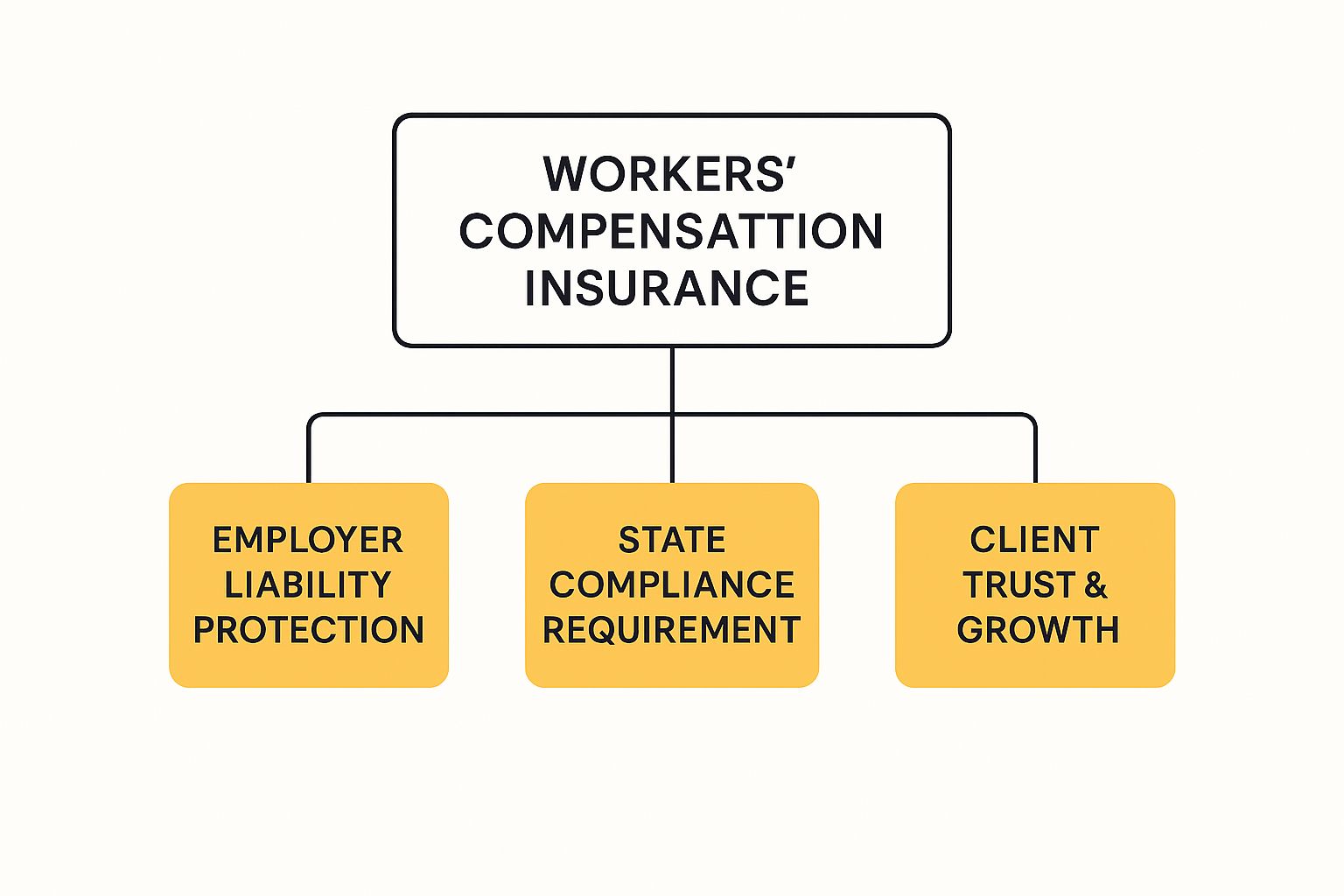
Workers compensation insurance is a mandatory form of business insurance that provides medical coverage and wage replacement for employees who suffer job-related injuries or illnesses. It acts as a "no-fault" system, meaning employees receive benefits regardless of who caused the accident, while employers are generally protected from being sued by employees for work-related injuries.
Contents
Understanding the Purpose of Workers Compensation
At its core, workers compensation is a compromise between the interests of the employer and the employee. Before the implementation of these state-mandated programs, an injured worker had to sue their employer to recover damages, proving the employer was negligent. This was costly, time-consuming, and risky for both sides.
Today, the system functions as a social contract. Employees are guaranteed medical care and a portion of their lost wages if they are hurt on the clock, regardless of fault. In exchange, the employee typically gives up the right to sue the employer for the injury. This framework provides stability for businesses, preventing a single workplace accident from resulting in a catastrophic legal judgment that could force a company into bankruptcy.
Who Needs to Provide Coverage?
In the United States, workers compensation requirements are determined at the state level. While regulations vary, the vast majority of states require businesses to carry workers compensation insurance as soon as they hire their first employee.
Key Considerations for Compliance
- Definition of an Employee: Many states distinguish between W-2 employees and independent contractors. Misclassifying an employee as a contractor to avoid insurance costs is a common source of legal trouble.
- Corporate Officers and Owners: Some states allow business owners or corporate officers to opt out of coverage, while others mandate it for everyone on the payroll.
- Penalty Structures: Failing to maintain required coverage can lead to severe penalties, including hefty daily fines, "stop-work" orders from state regulators, and personal liability for the employer for any medical costs incurred by injured staff.
What Does the Insurance Cover?
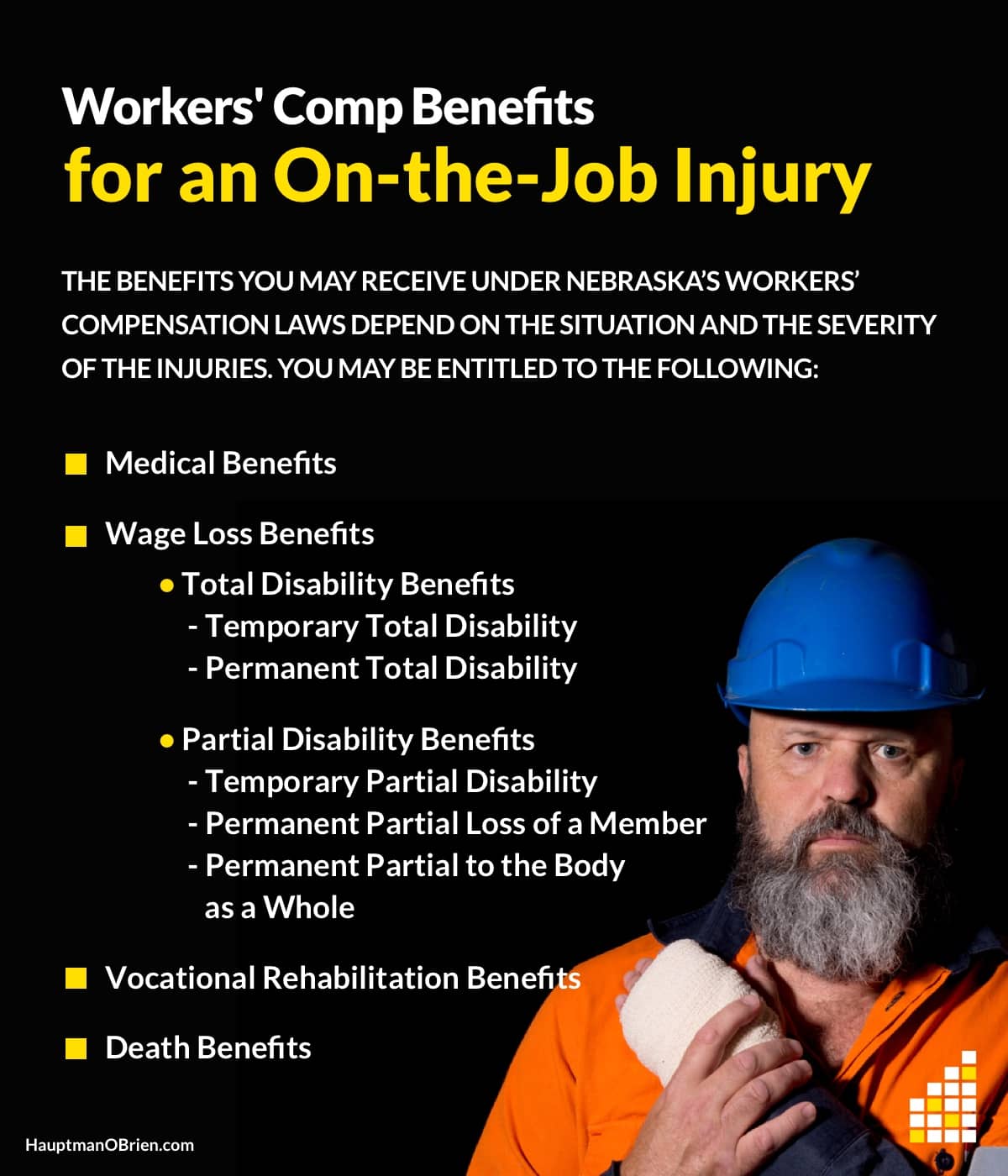
Workers compensation is not a general health insurance plan. It covers only conditions that arise out of and in the course of employment. When an incident occurs, the policy generally covers four main areas:
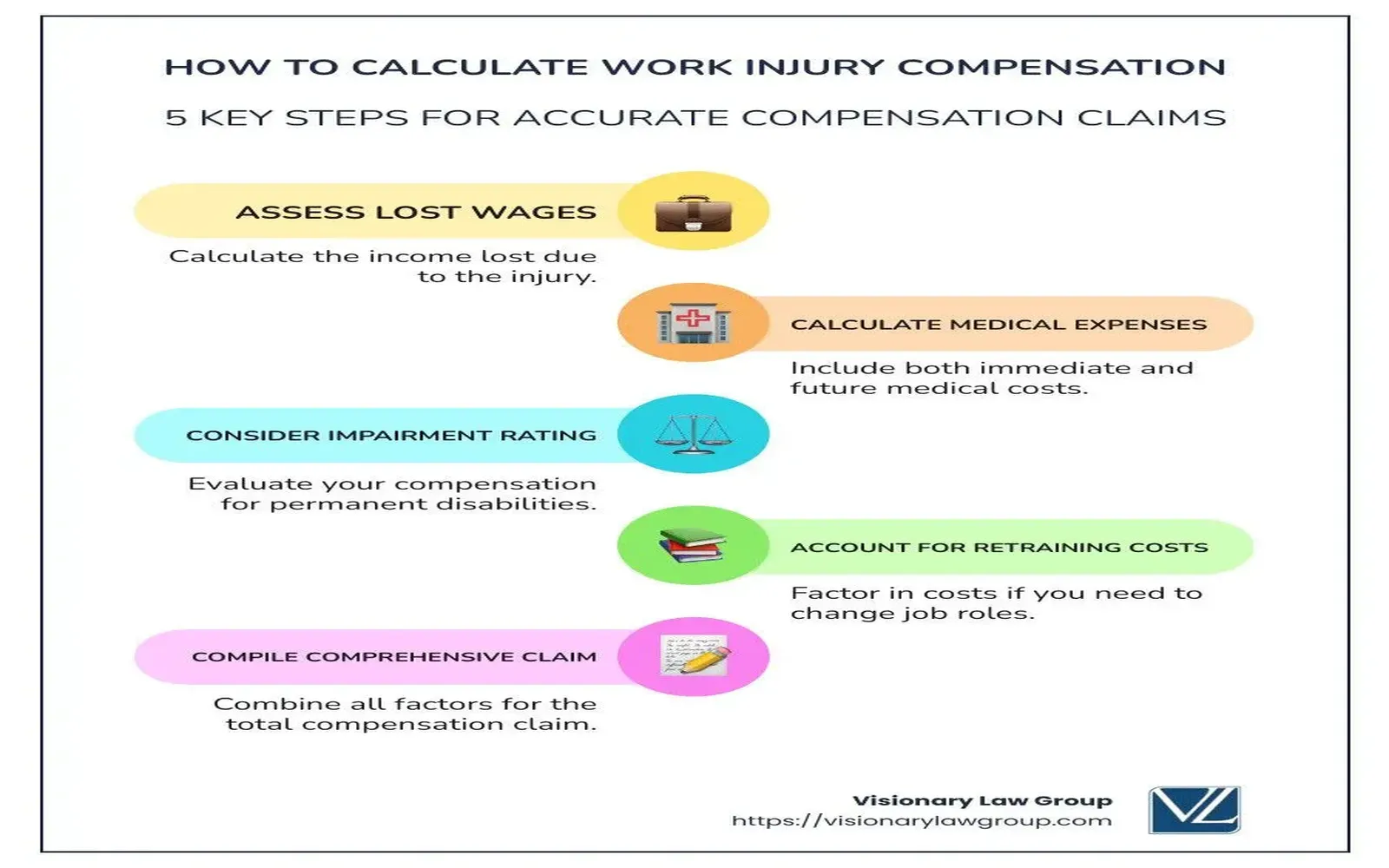
- Medical Expenses: Costs for emergency room visits, surgery, prescription medication, diagnostic tests (X-rays, MRIs), and ongoing physical therapy.
- Lost Wages: If a doctor clears an employee for light duty—or no duty—the policy provides "indemnity" benefits. These usually equate to a percentage of the worker's average weekly wage, subject to state-specific caps.
- Vocational Rehabilitation: If an injury prevents an employee from returning to their previous job, the insurance may pay for retraining or job placement services.
- Death Benefits: If a workplace injury results in a fatality, the policy provides death benefits to the surviving dependents of the employee, covering funeral expenses and a portion of lost income.
Comparison of Coverage Scenarios
| Coverage Aspect | What is Covered | What is NOT Covered |
|---|---|---|
| Injury Source | Physical harm during work tasks | Injuries while commuting to/from work |
| Illness | Work-related chemical exposure | Common colds or seasonal flu |
| Fault | Accidental drops or slips | Injuries caused by intoxication |
| Duration | Necessary recovery time | Long-term disability unrelated to work |
How Premiums Are Calculated
Workers compensation premiums are not flat rates; they are highly specific to your business operations. Insurers use a complex formula to determine the risk level of your workforce.
The Primary Rating Components
- Classification Codes: Every job function is assigned a code (often based on the National Council on Compensation Insurance, or NCCI, standards). A clerical worker in an office has a much lower risk rating than a roofer or a heavy equipment operator, resulting in lower premiums for office-heavy businesses.
- Payroll: Premiums are calculated per $100 of payroll. As your workforce grows, your premiums generally increase proportionately.
- Experience Modification Rate (EMR): This is your company's "safety score." If your business has a history of frequent or costly claims compared to similar businesses in your industry, your EMR will rise, driving up your premiums. Conversely, a strong safety record can lead to a credit, effectively discounting your annual cost.
Navigating the Claims Process
When an injury happens, the employer has a specific role in facilitating the claim. Prompt reporting is the most important factor in keeping costs down and maintaining compliance with state law.
- Immediate Care: Ensure the employee receives necessary medical attention. If it is an emergency, professional medical intervention takes priority over paperwork.
- Internal Incident Report: Document exactly what happened, where, and when. Gather witness statements if possible.
- Notification: Report the incident to your insurance carrier as soon as possible. Most states have strict deadlines for "First Report of Injury" filings.
- Return-to-Work Program: Coordinate with the physician to see if the employee can perform "light duty." Returning to work in any capacity helps the employee recover faster and reduces the indemnity (lost wage) portion of the claim.
Common Mistakes to Avoid
Many small business owners struggle with avoidable errors that result in higher costs or legal exposure.
- Underestimating Payroll: Providing inaccurate payroll estimates to your insurer will lead to a significant "audit" bill at the end of the policy year. Always reconcile your payroll figures quarterly.
- Ignoring Safety Culture: Training employees on proper lifting techniques, ergonomics, and chemical handling is the most effective way to lower your EMR over time.
- Failing to Distinguish Contractors: Relying on independent contractors without verified certificates of insurance can expose you to liability if that contractor is injured while working for you. Always request a Certificate of Insurance (COI) from any subcontractor you hire.
Frequently Asked Questions
Is workers compensation the same as disability insurance?
No. Disability insurance (typically short-term or long-term) covers injuries or illnesses that occur outside of the workplace. Workers compensation is exclusively for work-related conditions.
Can an employee sue me if they accept workers compensation?
Generally, no. This is known as the "exclusive remedy" rule. By accepting benefits, the employee waives the right to sue for damages. Exceptions exist, however, in cases of gross negligence or intentional harm by the employer.
Do I need insurance if I only have one employee?
In most states, yes. Even for a single employee, the financial risk of a major workplace injury is significant. Only a few states have "thresholds" regarding the number of employees before mandatory coverage kicks in.
Does workers compensation cover remote workers?
Yes. If an employee is working from home and suffers an injury that arises directly from their job duties, it is generally considered a compensable claim. It is important for employers to establish clear work-from-home safety guidelines to mitigate these risks.
What is a workers compensation audit?
At the end of your policy period, your insurer will review your actual payroll records compared to the estimates you provided at the start of the year. If your payroll was higher than expected, you will owe an additional premium; if lower, you may receive a refund.
Next Steps for Employers
To ensure your business is protected, start by checking your specific state’s Department of Labor or Workers' Compensation Board website. These government portals provide definitive information on local mandates, required posters for the workplace, and lists of licensed insurance carriers. Contact a licensed commercial insurance agent to request quotes tailored to your industry classification codes, and prioritize implementing a robust safety program to keep your EMR low and your team protected.
Image Gallery