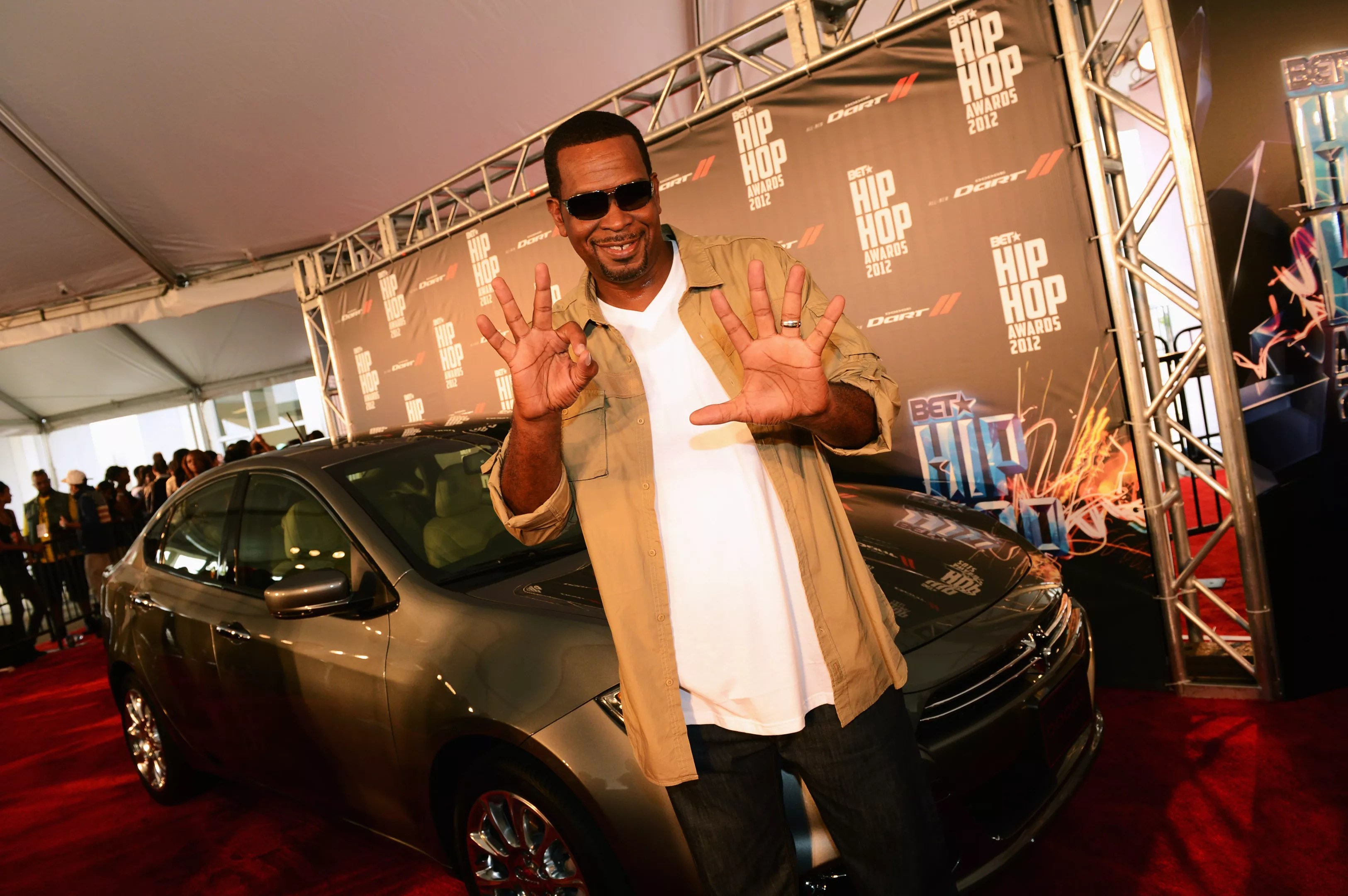
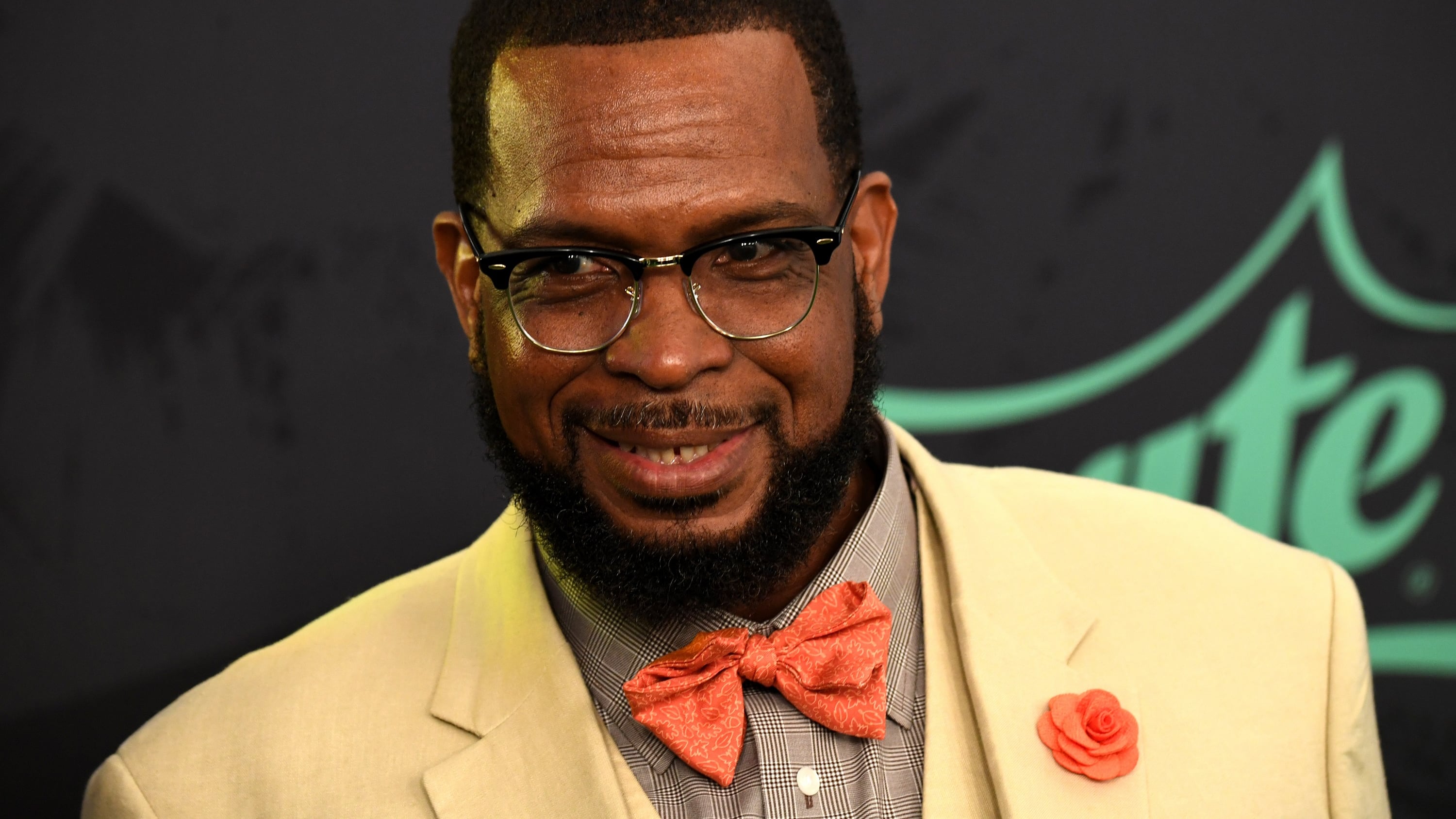
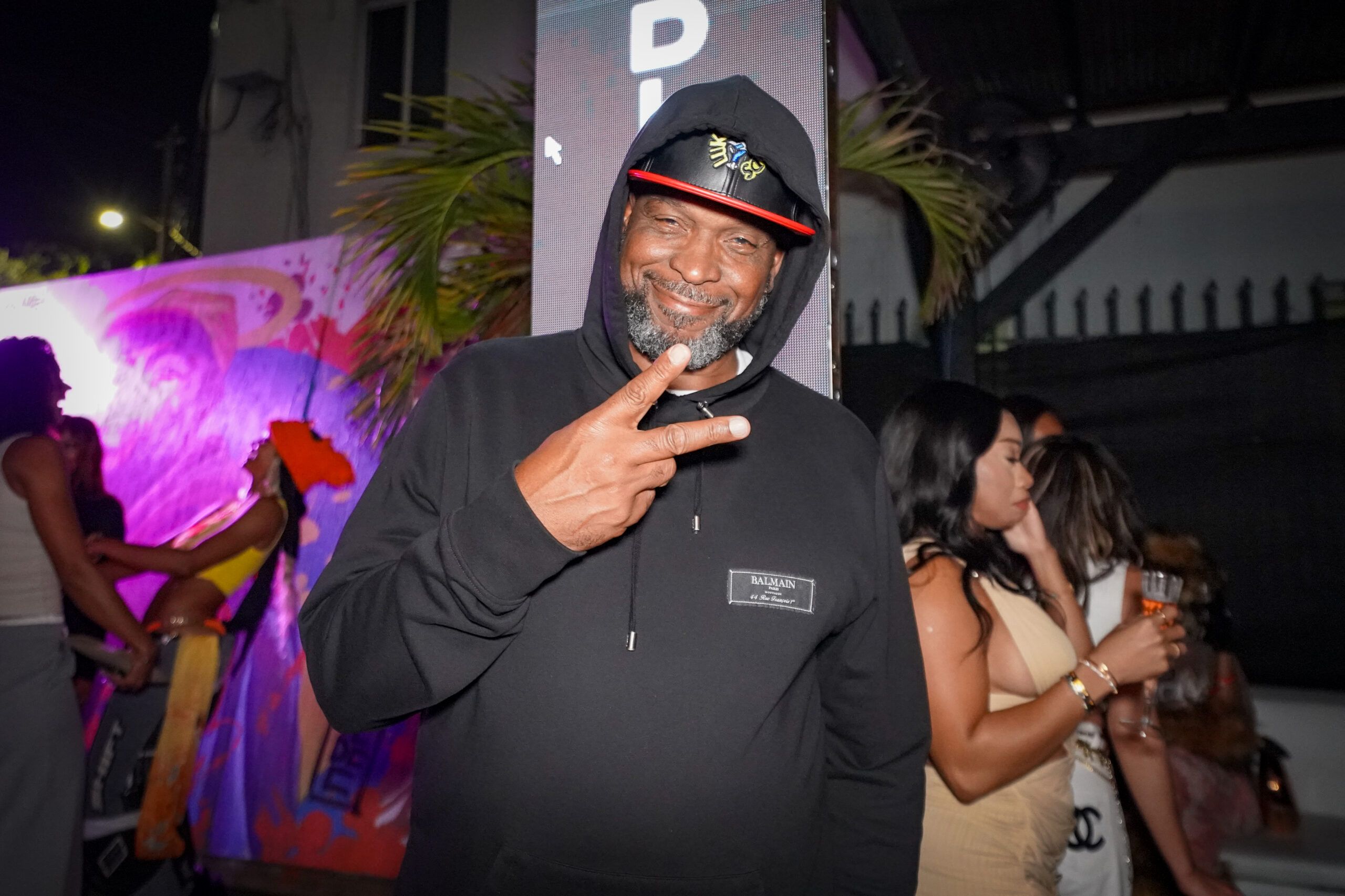
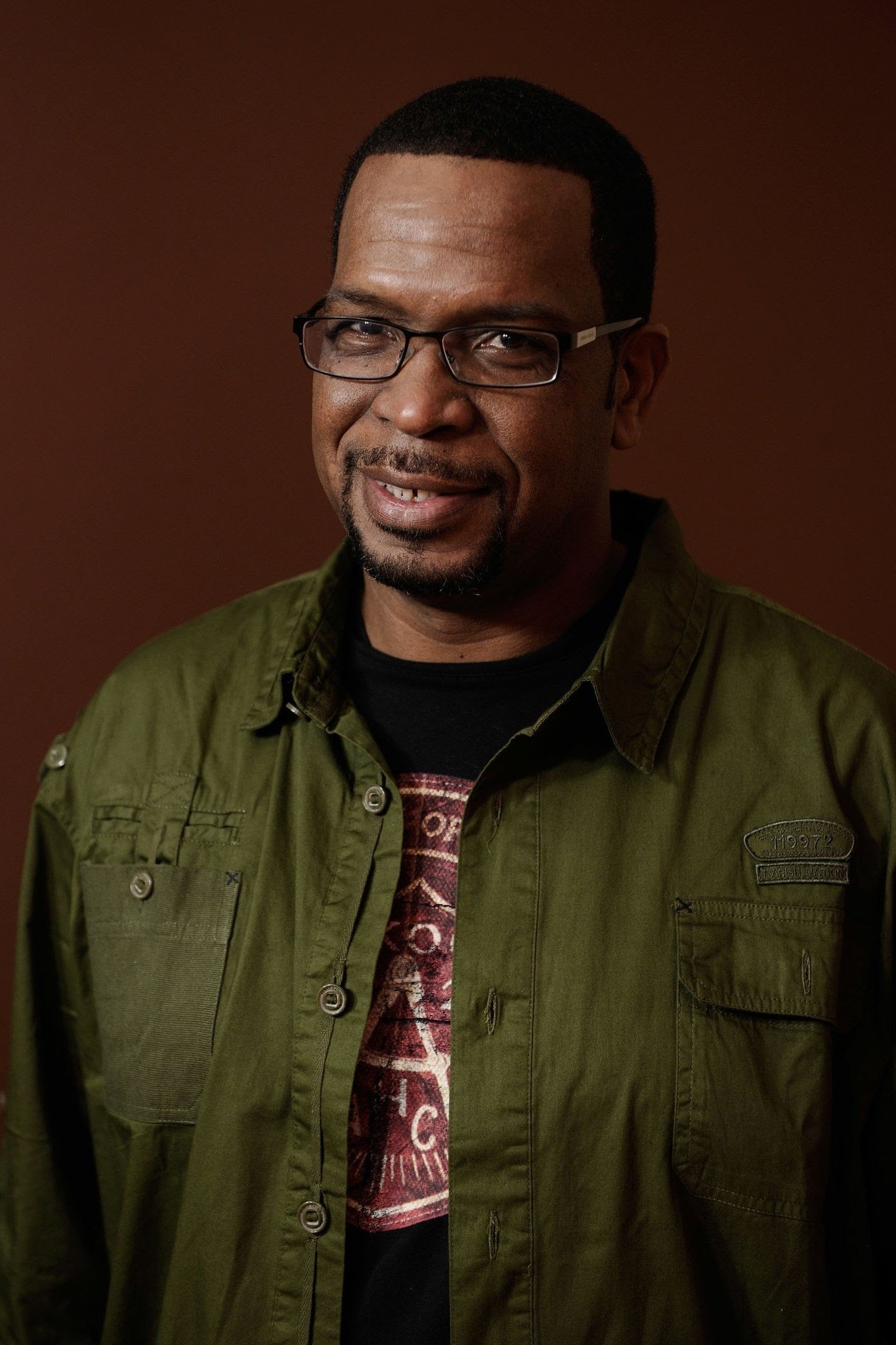
Uncle Luke Campbell: The Legacy of a First Amendment Pioneer and Miami Icon
Luther "Uncle Luke" Campbell is a seminal figure in American hip-hop, a pioneering record executive, and a central protagonist in the history of First Amendment litigation. Best known as the leader of the rap group 2 Live Crew, Campbel...
Luther "Uncle Luke" Campbell is a seminal figure in American hip-hop, a pioneering record executive, and a central protagonist in the history of First Amendment litigation. Best known as the leader of the rap group 2 Live Crew, Campbell’s career spans music production, professional sports scouting, high school coaching, and political activism. His legal victories in the 1990s fundamentally reshaped the boundaries of free speech, parody, and artistic expression in the United States.
Contents
The Architect of Miami Bass and the 2 Live Crew Era
Luther Campbell’s rise began in the mid-1980s, when he transitioned from a local Miami DJ and promoter to a record label executive. Under his leadership, Luke Records (originally Luke Skyywalker Records) became the primary engine for "Miami Bass," a subgenre of hip-hop characterized by heavy 808 kick drums, fast tempos, and highly explicit lyrics.
The group 2 Live Crew, consisting of Campbell, Fresh Kid Ice, Brother Marquis, and Mr. Mixx, became the face of this movement. Their 1989 album, As Nasty As They Wanna Be, became a flashpoint for cultural and legal conflict in America. While the music was celebrated in Florida’s club scene, it drew the ire of conservative activists and law enforcement officials who viewed the lyrics as obscene.
Campbell’s role was more than just that of a performer; he was a marketing visionary. He understood that controversy could be leveraged as a promotional tool. When George Lucas sued him for using the name "Luke Skyywalker," Campbell pivoted to "Uncle Luke," a moniker that eventually became a permanent fixture of his brand. This adaptability allowed him to navigate the high-stakes environment of the music industry while maintaining a distinct, local identity rooted in Liberty City, Miami.
The Legal Battle for Free Speech
The most significant contribution of Luther Campbell to American society is arguably his role in legal history. In the early 1990s, Campbell and 2 Live Crew became the center of two landmark legal battles that reached the highest levels of the American judicial system.
The Obscenity Trial in Florida
In 1990, a federal judge in Florida ruled that As Nasty As They Wanna Be was legally obscene. This led to the arrest of record store owners who sold the album and the arrest of the group members after a performance in Broward County. Campbell fought these charges, arguing that his music was a form of cultural expression protected by the First Amendment. The ruling was eventually overturned by the U.S. Court of Appeals for the Eleventh Circuit, which found that the prosecution failed to prove the album lacked "serious artistic, scientific, literary, or political value."
Campbell v. Acuff-Rose Music, Inc.
The second major legal battle concerned the 2 Live Crew song "Pretty Woman," a parody of Roy Orbison’s "Oh, Pretty Woman." Acuff-Rose Music, which owned the rights to the original song, sued Campbell for copyright infringement. The case, Campbell v. Acuff-Rose Music, Inc. (1994), went to the U.S. Supreme Court.
The Court ruled unanimously in favor of Campbell, establishing that a commercial parody can qualify as "fair use." Justice David Souter’s opinion noted that parody provides social benefit by shedding light on earlier works and creating new ones. This decision remains a cornerstone of intellectual property law, protecting the right of artists to use existing material for commentary and humor.
| Landmark Event | Year | Legal/Cultural Impact |
|---|---|---|
| Release of As Nasty As They Wanna Be | 1989 | Sparked the national debate on music censorship and the PMRC. |
| Broward County Arrest | 1990 | First time a musical group was arrested for performing "obscene" material. |
| Campbell v. Acuff-Rose Music, Inc. | 1994 | U.S. Supreme Court victory establishing parody as "Fair Use." |
| Miami-Dade Mayoral Run | 2011 | Shifted his public persona toward civic leadership and community activism. |
| Induction into the Florida Sports Hall of Fame | 2023 | Recognized his decades of contribution to youth athletics and football. |
The "Uncle Luke" Influence on Sports and Coaching
Beyond the recording studio, Luther Campbell is a monumental figure in the world of American football. He is widely credited with helping to establish the culture of the University of Miami (UM) Hurricanes during their dominant run in the 1980s and 90s. His involvement with the program was controversial at the time, but his influence on the "bad boy" image of "The U" is undeniable.
As of 2026, Campbell’s most lasting community impact is found in his work with youth athletics. He co-founded the Liberty City Warriors, a youth football program that has produced dozens of NFL stars, including Devonta Freeman, Duke Johnson, and Teddy Bridgewater. Campbell transitioned into high school coaching, serving as a defensive coordinator and mentor at various Miami-area schools, including Miami Central, Miami Northwestern, and Miami Norland.
His coaching philosophy emphasizes discipline and academics as much as athletic prowess. He often uses his platform to criticize the exploitation of young athletes and advocates for better resources in inner-city communities. For Campbell, football is a vehicle for social mobility and a tool to keep at-risk youth engaged with their education.
Political Activism and Civic Leadership
In 2011, Luther Campbell shocked the political establishment by running for Mayor of Miami-Dade County. While he did not win, he finished fourth in a crowded field of eleven candidates, securing a significant percentage of the vote. His platform focused on transparency, community policing, and economic revitalization of neglected neighborhoods.
In the years since his mayoral run, Campbell has remained a vocal political commentator. He writes columns for local publications and uses social media to address issues such as gentrification, police reform, and local government accountability. As of 2026, he is viewed less as a provocative rapper and more as a community elder and political kingmaker in South Florida. His ability to mobilize voters in Miami’s Black communities makes him a person of significant interest for local and state politicians.
Business Ventures and Media Evolution
Luke Records was one of the first successful independent labels in the South, proving that a localized sound could achieve national commercial success. Campbell’s business model—owning his masters and controlling his distribution—served as a blueprint for later Southern rap moguls like Master P and Birdman.
In the 2020s, Campbell expanded his brand into digital media and documentary filmmaking. He has been involved in several projects documenting the history of Miami Bass and the evolution of the Liberty City Warriors. His life story has been the subject of numerous retrospectives, highlighting the transition from a "public enemy" to a respected entrepreneur. His business interests have also expanded into the hospitality industry and sports management, where he continues to leverage his deep connections within the Miami community.
Why Luther Campbell Matters in 2026
As we look at the cultural landscape in 2026, Uncle Luke’s influence is pervasive. The "Miami Bass" sound can be heard in the DNA of modern trap and pop music. More importantly, the legal precedents he set continue to protect artists in an era of digital sampling and AI-generated content.
Campbell’s journey reflects the broader evolution of hip-hop culture: from a marginalized art form viewed as a threat to public morality to a dominant global force that informs politics, sports, and law. He remains a polarizing figure to some, but his commitment to his community and his defense of artistic freedom have earned him a permanent place in American history.
Common Misconceptions About Uncle Luke
It is common for the public to focus solely on the explicit nature of 2 Live Crew’s lyrics while ignoring the technical and legal sophistication Campbell brought to the industry. He was not merely a rapper; he was a self-taught legal strategist who understood the mechanics of the First Amendment better than many of his critics. Additionally, his "Uncle Luke" persona, while often associated with party culture, belies a deeply serious commitment to youth mentorship and community stability.
Frequently Asked Questions
What was the result of the "Pretty Woman" Supreme Court case?
The Supreme Court ruled unanimously in favor of Luther Campbell in Campbell v. Acuff-Rose Music, Inc.. The court decided that 2 Live Crew’s version of "Oh, Pretty Woman" was a parody and therefore fell under the "fair use" doctrine of the Copyright Act. This meant that Campbell did not need permission from the original rights holders to release the parody, as long as it met certain criteria for transformative use.
Did Luther Campbell ever go to jail for his music?
While he was arrested in 1990 following a performance in Broward County, Florida, Campbell did not serve a long-term prison sentence for his music. The obscenity charges were part of a high-profile legal battle that he ultimately won on appeal. His arrests were significant because they highlighted the government's attempts to censor art based on content.
Which NFL players did Uncle Luke coach or mentor?
Through the Liberty City Warriors and his work in Miami high schools, Campbell has influenced a vast number of professional players. Notable names include Chad "OchoCinco" Johnson, Devonta Freeman, Duke Johnson, Teddy Bridgewater, and Antonio Brown. He is often cited by these players as a father figure who provided guidance during their youth.
Why did Luther Campbell change his name from Luke Skyywalker?
He changed his name after being sued by George Lucas, the creator of Star Wars. Lucas claimed that Campbell’s use of "Luke Skyywalker" infringed on his trademark. To avoid further legal complications and a potentially massive settlement, Campbell dropped "Skyywalker" and became known simply as Luke or Uncle Luke.
Is Luther Campbell still active in the music industry?
As of 2026, Campbell is primarily focused on his roles as a media executive, community leader, and sports mentor. While he occasionally performs and collaborates with younger artists, his professional focus has shifted toward producing documentaries, writing, and managing his various business and philanthropic ventures.
Practical Recommendation for Further Research
For those interested in the legal history of the First Amendment or the evolution of Southern hip-hop, the following actions are recommended:
- Review the Supreme Court Opinion: Read the full text of Campbell v. Acuff-Rose Music, Inc. (510 U.S. 569) to understand the legal definition of parody.
- Explore the "Liberty City Warriors" History: Research the impact of the youth football program on Miami’s social fabric through local archives.
- Study Miami Bass: Listen to early Luke Records releases to understand how the 808-heavy sound influenced modern production styles in trap and electronic dance music.
Image Gallery