Comprehensive Guide to Eye Creams for Puffiness in 2026
Eye creams for puffiness are targeted skincare products formulated with vasoconstrictors, such as caffeine, and anti-inflammatory agents like peptides or botanical extracts. They work by stimulating lymphatic drainage, reducing fluid r...
Eye creams for puffiness are targeted skincare products formulated with vasoconstrictors, such as caffeine, and anti-inflammatory agents like peptides or botanical extracts. They work by stimulating lymphatic drainage, reducing fluid retention (edema), and temporarily tightening the delicate periorbital skin to create a smoother, more rested appearance.
Contents
Understanding the Mechanisms of Under-Eye Puffiness
To select an effective eye cream, one must first understand that "puffiness" is a broad term describing several distinct physiological conditions. The skin surrounding the eyes—the periorbital region—is the thinnest on the human body, measuring approximately 0.5mm. This lack of subcutaneous fat and structural density makes it highly susceptible to visible changes caused by internal and external factors.
The most common cause of morning puffiness is periorbital edema, which is the accumulation of fluid in the tissues. During sleep, the lack of blinking (which usually helps circulate tears and drain fluids) and a horizontal position can lead to fluid pooling. Other contributors include high sodium intake, which causes water retention, and seasonal allergies, which trigger histamine responses and inflammation.
In contrast, structural puffiness is often caused by steatoblepharon, the protrusion of infraorbital fat pads. As we age, the orbital septum—the membrane that holds fat in place around the eye—weakens, allowing fat to migrate forward. While topical eye creams are highly effective for fluid-based edema, they have limited impact on structural fat pads, which typically require dermatological procedures or surgical intervention.
Essential Ingredients in Eye Creams for Puffiness
When evaluating eye creams in 2026, the efficacy of a formulation is determined by its active ingredient profile. Modern dermatology prioritizes ingredients that address microcirculation, skin elasticity, and inflammation simultaneously.
1. Caffeine and Vasoconstrictors
Caffeine remains the "gold standard" for immediate puffiness reduction. As a vasoconstrictor, it narrows the blood vessels beneath the skin, which reduces the volume of fluid and minimizes the appearance of "bags." Beyond its vascular effects, caffeine is a potent antioxidant that protects the skin from oxidative stress induced by UV exposure. High-concentration caffeine serums (often 5%) are particularly effective for rapid morning de-puffing.
2. Synthetic and Natural Peptides
Peptides like Eyeliss™ and Haloxyl™ are engineered specifically for the eye area. Eyeliss consists of three active molecules that work together: a capillary-strengthening flavonoid, an anti-inflammatory peptide, and a protein-clearance peptide. These compounds improve lymphatic circulation and decrease capillary permeability, preventing fluid from leaking into the surrounding tissue.
3. Botanical Anti-Inflammatories
Extracts such as Arnica Montana, Green Tea, and Horse Chestnut (Escin) provide natural pathways to reducing swelling. Escin is particularly noted for its ability to "seal" the gaps in capillary walls, which directly addresses the root cause of fluid-based puffiness. Green tea contains EGCG (epigallocatechin gallate), which calms reactive skin and reduces redness associated with allergy-induced puffiness.
4. Hygroscopic and Barrier-Repair Agents
Hydration is paradoxically crucial for treating puffiness. When the skin is dehydrated, it can appear crepey, making underlying puffiness look more pronounced. Ingredients like Hyaluronic Acid, Glycerin, and Ceramides ensure the skin barrier remains intact and plump, providing a smoother surface that reflects light more evenly.
Choosing the Right Formulation Based on Skin Type
Eye creams come in various vehicles, from lightweight aqueous serums to heavy lipid-based balms. The choice depends heavily on your primary concern and skin chemistry.
| Formulation Type | Primary Benefit | Best For | Key Ingredients to Look For |
|---|---|---|---|
| Cooling Gels | Immediate vasoconstriction and soothing. | Morning use; oily skin. | Caffeine, Cucumber, Aloe Vera. |
| Lightweight Serums | Deep penetration of active peptides. | Layering under makeup; all skin types. | Matrixyl 3000, Eyeliss, Hyaluronic Acid. |
| Rich Creams | Barrier repair and overnight recovery. | Dry skin; mature skin. | Ceramides, Shea Butter, Retinol. |
| Metal-Tip Applicators | Physical lymphatic drainage (cryotherapy). | Severe morning edema. | Stainless steel or ZAMAC tips. |
The Role of Application Technique and Temperature
The effectiveness of an eye cream is significantly enhanced by how it is applied. Because the lymphatic system in the face relies on external pressure and movement to drain, a manual massage can double the results of a topical product.
The Lymphatic Drainage Method:
- Preparation: Apply a small, pea-sized amount of cream to the ring finger. This finger naturally exerts the least amount of pressure, preventing tugging on the delicate skin.
- Dotting: Place dots of product along the orbital bone, starting from the inner corner near the bridge of the nose and moving outward toward the temple.
- Pressure: Using a gentle "tapping" or "stippling" motion, press the product into the skin. Do not rub or pull.
- Directional Sweep: To encourage drainage, use a very light sweeping motion from the inner corner toward the ear. This directs excess fluid toward the lymph nodes located in the preauricular area.
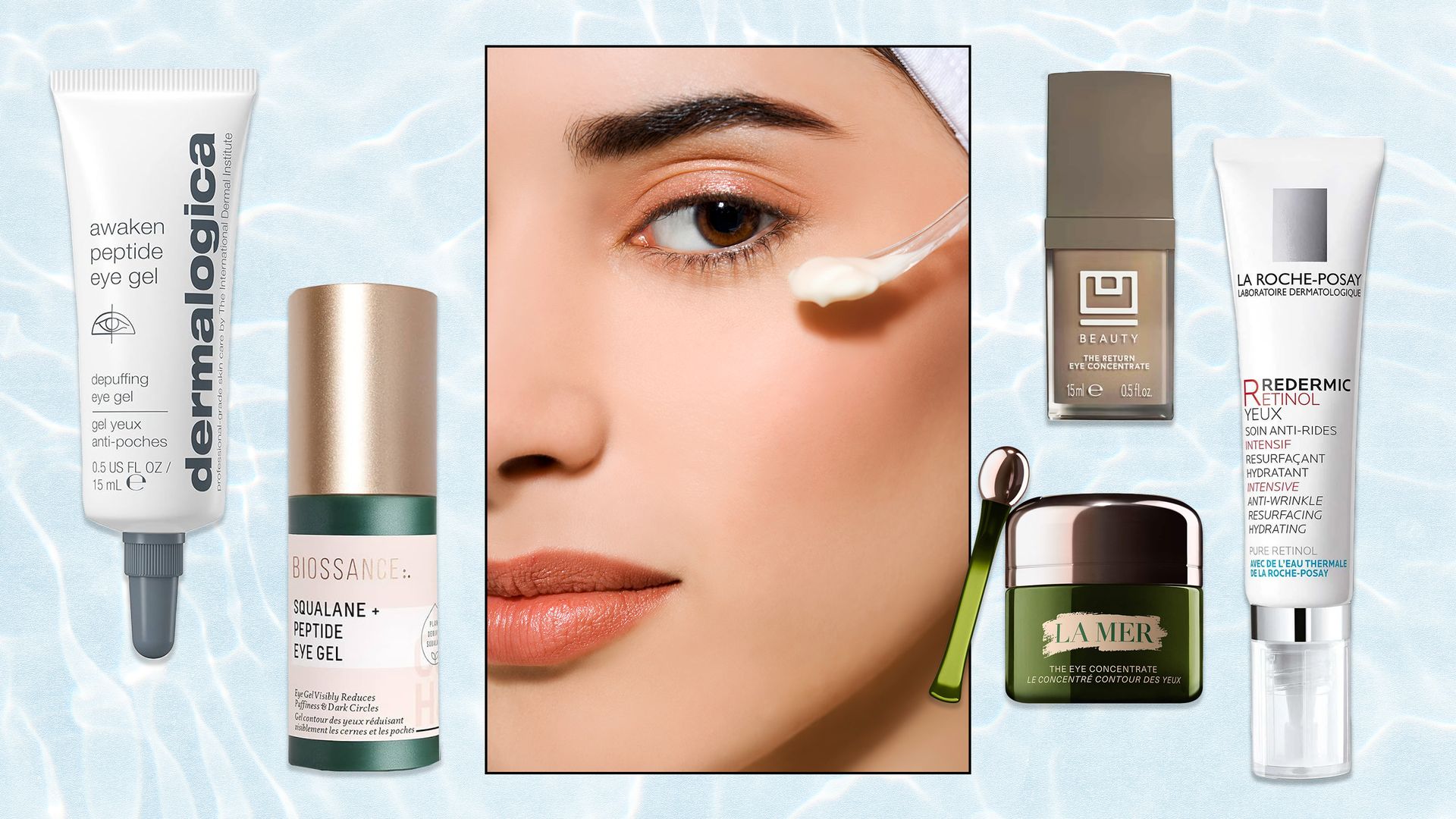
Thermal Optimization: Many professional aestheticians recommend storing eye gels in a refrigerator. The cold temperature induces cold-induced vasoconstriction, which works synergistically with ingredients like caffeine to shrink swollen tissues faster. In 2026, many high-end eye creams include specialized metal applicators designed to maintain a low temperature during use, providing a "cryo-effect" without the need for refrigeration.
Lifestyle Factors and Preventive Measures
While eye creams are powerful tools, they are most effective when supported by lifestyle choices that minimize fluid retention.
- Sodium Management: Diets high in salt lead to systemic water retention, which is often most visible in the periorbital area due to the thinness of the skin. Reducing salt intake, especially in the evening, can drastically reduce morning swelling.
- Sleep Posture: Sleeping with the head slightly elevated (using an extra pillow) utilizes gravity to prevent fluid from pooling in the face.
- Allergy Control: Chronic puffiness is often a symptom of low-grade allergies. Using a silk pillowcase and maintaining a clean sleep environment can reduce the inflammatory response that leads to "allergic shiners" and puffiness.
- Blue Light Exposure: In 2026, the impact of "HEV light" (High Energy Visible light) from screens is a recognized contributor to skin fatigue. Modern eye creams often include antioxidants specifically designed to mitigate the oxidative stress caused by prolonged screen time.
When to Consult a Dermatologist
If puffiness is persistent, asymmetrical, or accompanied by pain and redness, topical creams may not be sufficient.
Structural Issues: If the bags under your eyes do not change in size throughout the day or when you change your salt intake, they are likely fat pads. Treatments such as lower blepharoplasty or tear trough fillers (to smooth the transition between the cheek and the eye) are more effective solutions for structural concerns.
Medical Conditions: Chronic edema can sometimes signal underlying issues with thyroid function or kidney health. If topical treatments and lifestyle changes show no improvement over a 4-week period, a consultation with a medical professional is advised to rule out systemic causes.
Frequently Asked Questions
Can I use my regular face moisturizer as an eye cream for puffiness? While face moisturizers provide hydration, they often lack the specific vasoconstrictors (like caffeine) and drainage-promoting peptides (like Eyeliss) found in dedicated eye creams. Furthermore, facial moisturizers can sometimes contain heavy oils or fragrances that may irritate the thin skin around the eyes or cause "milia"—small white bumps caused by trapped keratin.
How long does it take to see results from an eye cream? The timeline for results depends on the active ingredients. Vasoconstrictors like caffeine and cooling applicators provide visible results within 10 to 20 minutes by temporarily shrinking blood vessels. However, peptide-based creams that aim to strengthen the skin and improve long-term lymphatic drainage typically require 4 to 8 weeks of consistent, twice-daily application to show significant cumulative improvement.
Does caffeine in eye cream cause dehydration? No. When applied topically at standard concentrations, caffeine acts as a local vasoconstrictor and antioxidant. It does not have the same systemic diuretic effect as drinking large quantities of coffee. Most high-quality eye creams balance caffeine with hydrating agents like hyaluronic acid or squalane to ensure the skin remains supple while the puffiness is reduced.
Should I apply eye cream before or after my facial serum? Generally, you should apply products from thinnest to thickest consistency. If you use a very lightweight, watery eye serum, apply it before your facial moisturizer. If you use a rich eye cream, it should be one of the last steps in your routine. However, many experts suggest applying eye cream first to clean skin to ensure the active ingredients can penetrate the thin periorbital tissue without being blocked by heavier face oils or creams.
Is it better to apply eye cream in the morning or at night? For puffiness, morning application is most critical, as this is when fluid retention is typically at its peak. However, a nighttime application with a formula containing peptides or retinol can help strengthen the skin's structure over time, making it more resilient against fluid pooling in the future.
Practical Recommendation
For the best results in 2026, look for a dual-action approach: use a caffeine-based cooling gel with a metal applicator in the morning to address immediate fluid retention, and a peptide-rich cream at night to improve skin elasticity and long-term vascular health. Always perform a patch test when trying new formulations, as the eye area is highly sensitive to active ingredients.
Image Gallery