How to Resolve an Outstanding Warrant in Colorado Springs: 2026 Search and Resolution Guide
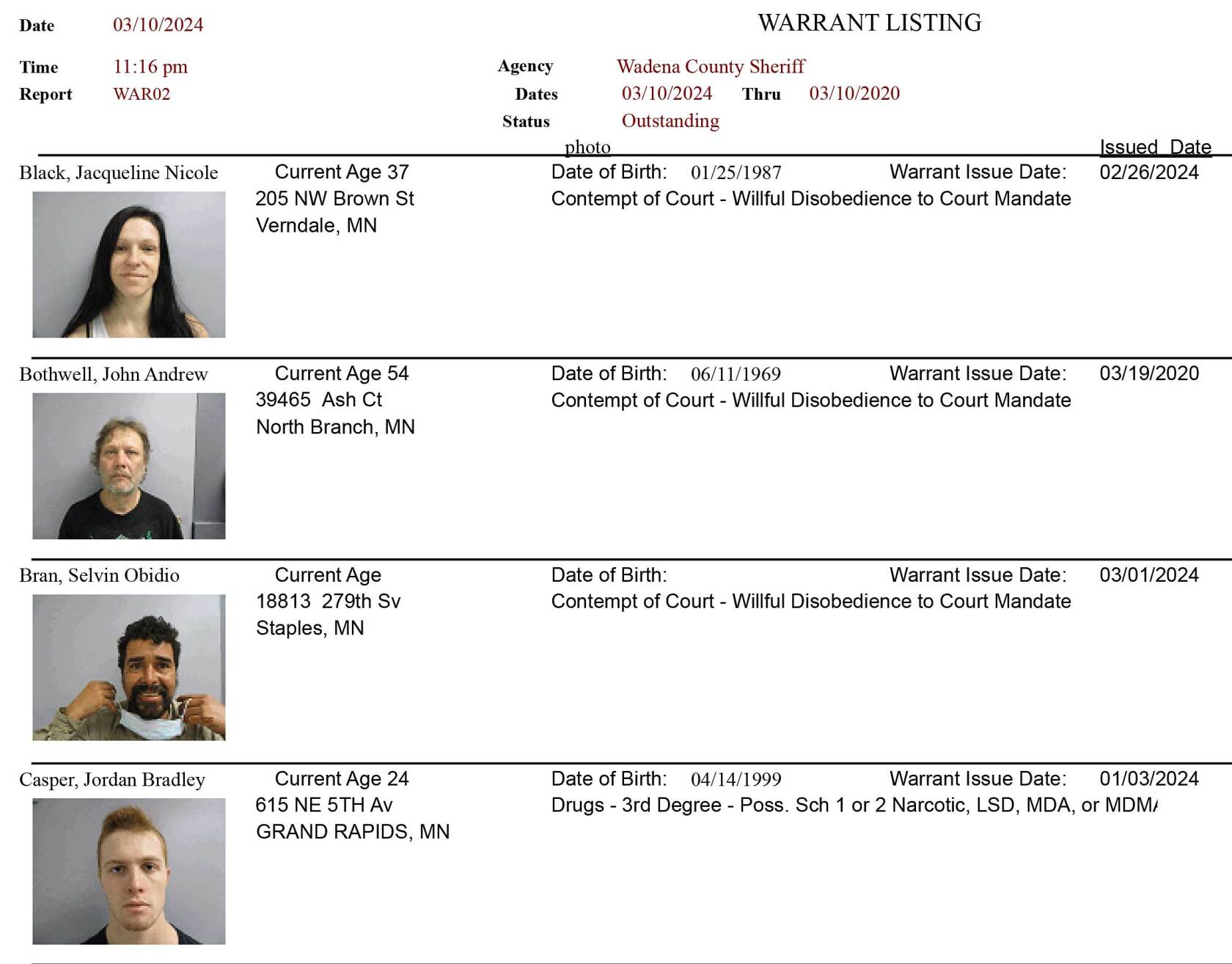
To check for an outstanding warrant in Colorado Springs, you must access the El Paso County Sheriff’s Office online warrant database or the Colorado Judicial Branch’s electronic records. If a warrant exists, you should consult a defens...
To check for an outstanding warrant in Colorado Springs, you must access the El Paso County Sheriff’s Office online warrant database or the Colorado Judicial Branch’s electronic records. If a warrant exists, you should consult a defense attorney immediately to arrange a "quash" hearing or a voluntary surrender to avoid a public arrest.
Contents
An outstanding warrant in Colorado Springs is a serious legal matter that remains active until a judge rescinds it or the individual is taken into custody. In the 4th Judicial District, which encompasses El Paso and Teller Counties, law enforcement agencies like the Colorado Springs Police Department (CSPD) and the El Paso County Sheriff’s Office (EPSO) have streamlined their digital tracking systems in 2026, making it easier for officers to identify individuals with active warrants during routine interactions. Understanding the specific type of warrant issued against you and the local protocols for clearing it is the first step toward regaining your legal standing.
Primary Types of Warrants Issued in El Paso County
Before attempting to resolve a warrant, you must identify its origin and purpose. In Colorado Springs, warrants generally fall into two primary categories, each governed by different sections of the Colorado Revised Statutes (C.R.S.).
- Arrest Warrants: These are typically issued by a judge after law enforcement presents an affidavit establishing probable cause that a crime was committed. These are common in felony investigations or domestic violence cases where immediate intervention is required.
- Bench Warrants: These are the most common warrants in Colorado Springs. A judge issues a bench warrant "from the bench" when an individual fails to comply with court orders. This includes failing to appear (FTA) for a scheduled court date, failing to pay court-ordered fines, or violating terms of probation.
- Failure to Appear (FTA) Warrants: Often resulting from traffic violations or municipal code infractions, these warrants can lead to driver's license suspensions in addition to the risk of arrest.
How to Conduct an Outstanding Warrant Search in 2026
The 2026 digital infrastructure in Colorado Springs allows for several methods to verify warrant status. While some methods are anonymous, others carry a risk of immediate detention if performed in person at a police station.
Official Government Portals
The most reliable source for El Paso County warrants is the EPSO Warrant Search tool. This database includes active warrants issued within the county. However, it is important to note that a "clean" result on the county level does not guarantee you are clear statewide. For a comprehensive check, the Colorado Bureau of Investigation (CBI) maintains a statewide database, though this often requires a small processing fee.
Third-Party vs. Official Search Comparison
The following table outlines the differences between search methods available to Colorado Springs residents in 2026:
| Search Method | Authority Level | Cost | Risk Level | Data Accuracy |
|---|---|---|---|---|
| El Paso County Sheriff Portal | High (Local) | Free | Low (Online) | Real-time |
| Colorado Judicial Branch (CoCourts) | High (State) | Paid ($) | Low (Online) | High |
| CSPD Records Department | High (Municipal) | Free | High (In-person) | Real-time |
| Private Background Check Sites | Low | Subscription | Zero | Delayed/Inaccurate |
| Legal Counsel Inquiry | High | Legal Fees | Zero | Guaranteed |
Professional Verification
If you suspect you have a warrant for a serious felony, the safest method is to have a criminal defense attorney run the search. Attorneys can contact the 4th Judicial District Court clerks or the District Attorney’s office directly without triggering an immediate arrest notification to field officers.
Step-by-Step Guide to Resolving a Warrant
Once a warrant is confirmed, the goal shifts from discovery to resolution. Ignoring a warrant does not make it expire; in Colorado, most warrants remain active indefinitely until addressed by the court.
Step 1: Determine the Bond Amount
Most warrants in Colorado Springs come with a "pre-set bond." This is the amount of money you must pay to be released after being processed. If the warrant is "No Bond," you will be held in the El Paso County Jail until you can see a judge, typically within 24 to 48 hours (excluding weekends and holidays).
Step 2: Consult with a Defense Attorney
An attorney can file a "Motion to Quash" the warrant. In many bench warrant cases involving failure to appear for minor offenses, a judge may agree to set aside the warrant and schedule a new court date without requiring the individual to go through the jail booking process.
Step 3: The "Walk-Thru" Process
If the warrant cannot be quashed, you may need to perform a "walk-thru" at the El Paso County Criminal Justice Center (CJC). This is a self-surrender process where you turn yourself in, are booked, and then immediately post bond to be released. This is significantly more controlled than being arrested during a traffic stop, as it allows you to coordinate with a bail bondsman in advance.
Step 4: Appearing in the 4th Judicial District Court
Resolving the warrant is not the same as resolving the underlying case. You will still need to address the original charges. Ensure you have a clear record of your new court date and any requirements set by the judge as a condition of your release.
Risks of Ignoring a Warrant in Colorado Springs
The consequences of an active warrant extend beyond the fear of arrest. In 2026, integrated data systems mean that an outstanding warrant can impact various aspects of daily life in Colorado.
Employment and Housing Obstacles Most landlords and employers in the Pikes Peak region utilize background check services that flag active warrants. An outstanding warrant can lead to the immediate denial of a rental application or the termination of employment, especially in sectors requiring security clearances or professional licensing.
Driver's License and Vehicle Impacts Under Colorado law, the Department of Revenue may be notified of outstanding warrants related to traffic offenses. This can result in the suspension of your driving privileges. Furthermore, if you are pulled over while driving, your vehicle will likely be impounded if you are taken into custody, adding significant towing and storage fees to your legal costs.
Enhanced Sentencing and Bond Amounts Judges in El Paso County view a history of warrants—specifically Failure to Appear—as a sign that an individual is a "flight risk." If you are eventually caught on a warrant rather than surrendering, the judge is significantly more likely to set a higher cash-only bond or deny bond entirely for future proceedings.
Frequently Asked Questions
Can I clear a Colorado Springs warrant by paying the fine online?
In some cases involving minor traffic infractions or municipal violations, paying the full fine and associated late fees through the Colorado Springs Municipal Court portal may satisfy the warrant. However, for most misdemeanor and felony warrants, a physical or virtual court appearance is mandatory to "clear" the warrant from the system.
Does a warrant ever expire in Colorado?
No, warrants in Colorado do not have an expiration date. A warrant issued in 1995 is technically as valid as one issued in 2026. While the likelihood of proactive pursuit by police may diminish for older, minor offenses, the warrant will still appear during any law enforcement interaction or background check.
What is the difference between a "No-Bond" warrant and a "Cash/Surety" warrant?
A "No-Bond" warrant means you cannot pay your way out of jail immediately; you must stay in custody until you appear before a judge. A "Cash/Surety" warrant allows you to pay the full amount in cash or use a bail bondsman (surety) to secure your release shortly after being booked.
Will the police come to my house to arrest me for a bench warrant?
While CSPD and the Sheriff’s Office generally prioritize high-level felony warrants for home arrests, they do conduct periodic "warrant sweeps." Most people with bench warrants are arrested during incidental contacts, such as being a passenger in a vehicle during a traffic stop or when reporting a separate crime.
How do I find out the specific charges on my warrant?
The El Paso County Sheriff’s warrant search usually lists the charge (e.g., "C.R.S. 18-4-401 Theft"). You can look up the specific statute in the Colorado Revised Statutes to understand the severity of the charge and the potential penalties.
Strategic Recommendations for Resolution
If you discover an outstanding warrant in Colorado Springs during 2026, the most effective strategy is proactive communication. Law enforcement and the judiciary are generally more lenient with individuals who demonstrate a desire to resolve their legal obligations voluntarily.
- Secure Documentation: Keep a digital and physical copy of your warrant search and any bond receipts.
- Contact a Bondsman: If your warrant has a high bond, speak with a local Colorado Springs bail bondsman before surrendering. They can meet you at the jail to expedite your release.
- Check Municipal vs. County: Ensure you check both the Colorado Springs Municipal Court and the El Paso County Combined Courts, as they maintain separate jurisdictions and databases.
Taking these steps ensures that you manage the situation on your own terms, minimizing the disruption to your personal and professional life while moving toward a final legal resolution in the 4th Judicial District.
Image Gallery