Ethanol Brazil: Fuel Innovation and Policy Dynamics
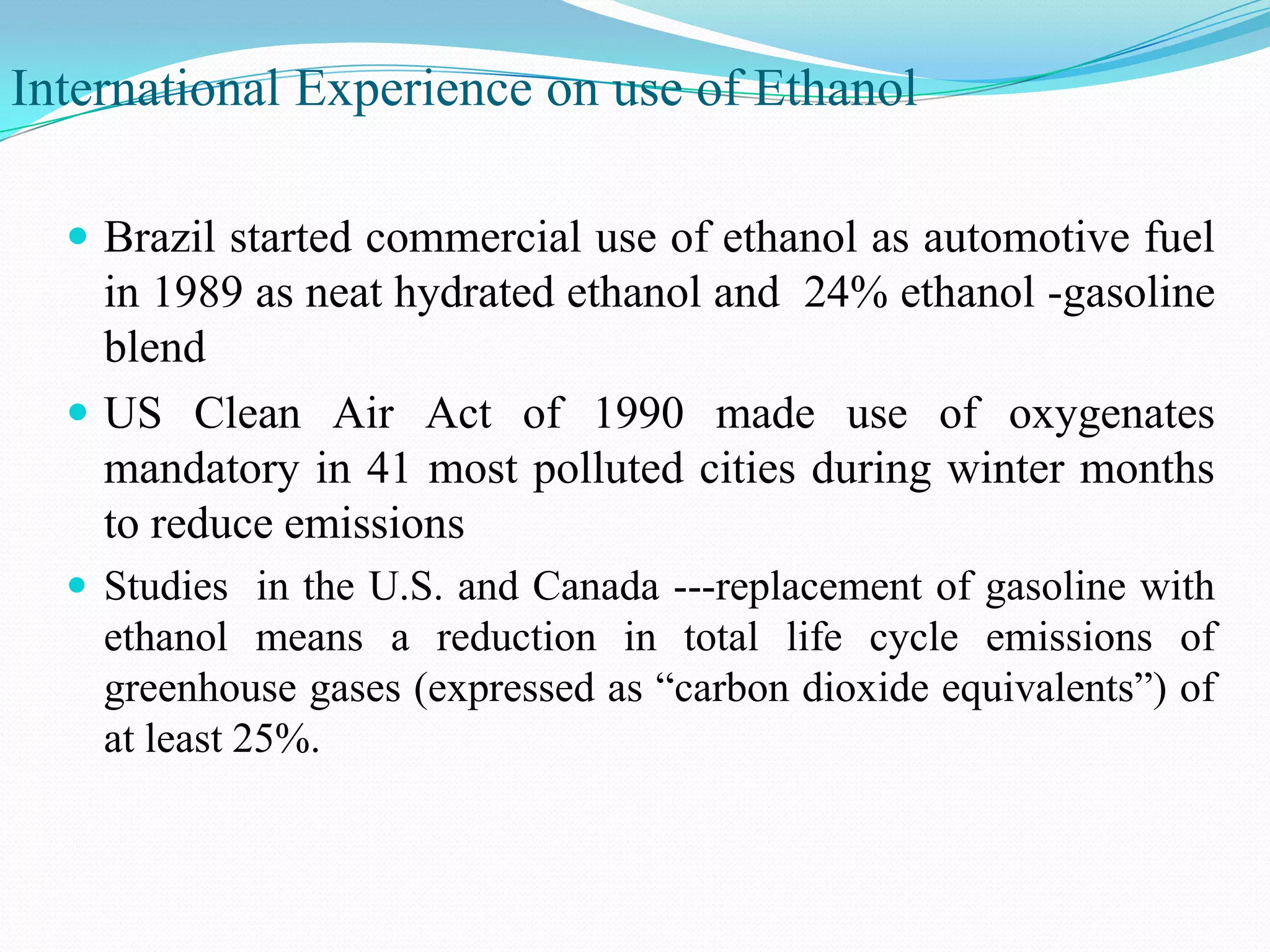
Brazil’s leadership in ethanol fuel innovation is driven by a sophisticated synergy between decades of established agricultural policy, long-term regulatory frameworks like RenovaBio, and a unique national infrastructure that supports...
Brazil’s leadership in ethanol fuel innovation is driven by a sophisticated synergy between decades of established agricultural policy, long-term regulatory frameworks like RenovaBio, and a unique national infrastructure that supports high-level biofuel integration. By aligning domestic sugarcane production with aggressive decarbonization mandates and flexible fuel technology, Brazil maintains a global model for energy security and environmental compliance in the liquid fuel sector.
Contents
The Architecture of Brazil's Ethanol Dominance
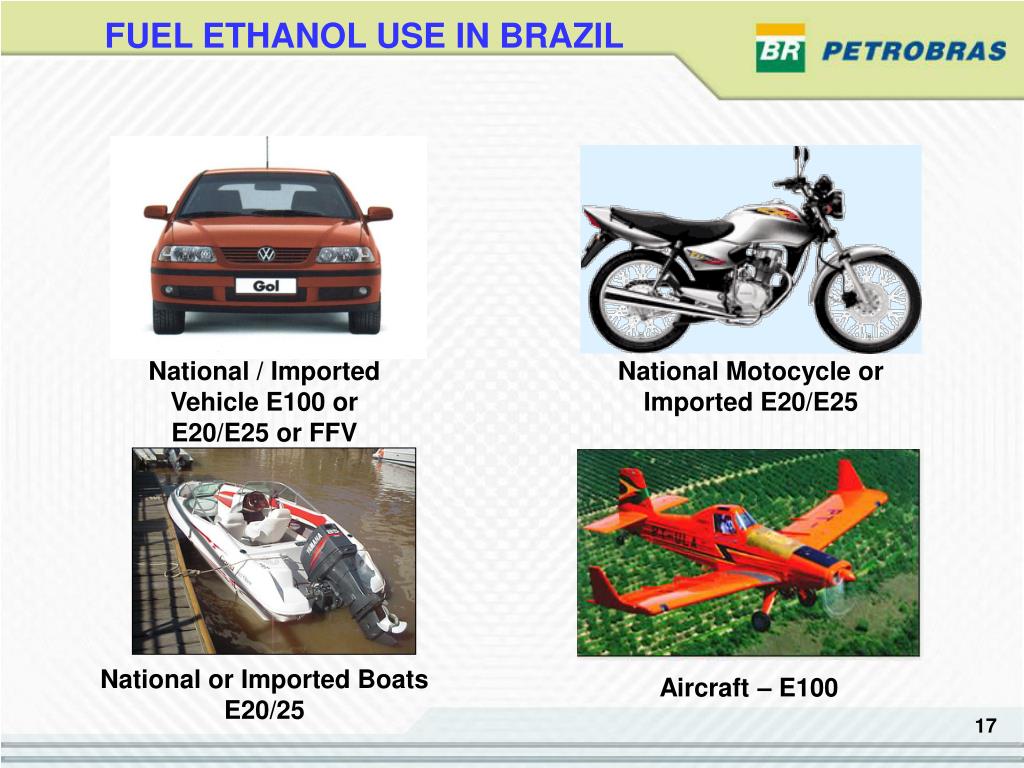
Brazil's status as a top-tier ethanol producer is not an accident of geography but the result of sustained policy intervention. At the heart of this system is the integration of fuel-flexible vehicles (FFVs) and a nationwide distribution network that allows consumers to choose between hydrous ethanol and gasoline blends at the pump based on daily price fluctuations.
The core of current policy dynamics is RenovaBio (the National Biofuels Policy), established by Law No. 13.576/2017. RenovaBio shifted the focus from production quotas to carbon intensity, utilizing a market-based instrument called CBIOs (Decarbonization Credits). These credits act as a primary driver for innovation, as producers who demonstrate lower carbon footprints receive higher financial rewards. In 2026, this policy continues to force technological upgrades in refineries and agricultural practices, ensuring that ethanol remains the primary tool for meeting Brazil's Nationally Determined Contributions (NDCs) under international climate agreements.
Technological Innovation in Feedstocks and Processing
Innovation in Brazil’s ethanol sector extends beyond the fermentation process, reaching into biotechnology and precision agriculture. The industry is currently transitioning toward a more holistic biorefinery model.
Advanced Agricultural Practices
Efficiency gains are increasingly achieved through:
- Precision Agriculture: Use of satellite imagery and IoT sensors to optimize fertilizer application, reducing the nitrous oxide emissions associated with sugarcane cultivation.
- Genetic Improvement: Development of drought-resistant and high-sucrose varieties through the Centro de Tecnologia Canavieira (CTC), which improves yield per hectare without increasing the total land footprint.
- Harvest Mechanization: The shift away from manual, pre-harvest burning to fully mechanized harvesting has drastically reduced local air pollution and improved soil carbon sequestration.
Biorefinery Integration
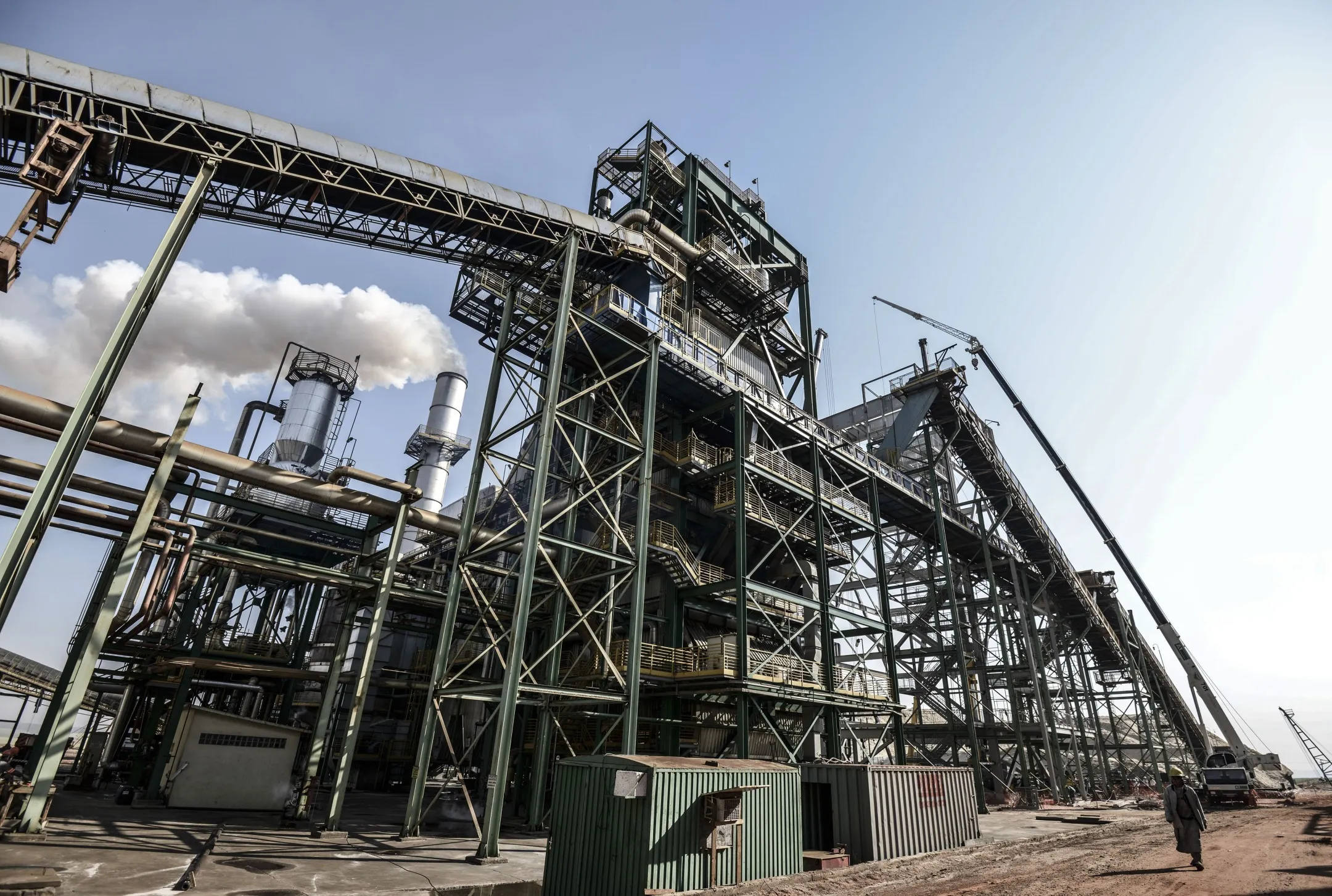
Modern Brazilian mills are no longer just ethanol plants. Many have pivoted to become power plants that generate electricity from sugarcane bagasse (biomass), effectively operating as a circular economy entity. The integration of Second-Generation (2G) ethanol—produced from lignocellulosic biomass—represents the current technological frontier, allowing mills to increase production by 30-50% without planting a single additional hectare of cane.
Policy Frameworks and Regulatory Dynamics
The regulatory landscape in Brazil is characterized by its stability and commitment to "blend mandates." The Agência Nacional do Petróleo, Gás Natural e Biocombustíveis (ANP) strictly regulates fuel quality and mandates specific anhydrous ethanol percentages for gasoline blends, currently targeting levels between 27% and 30% for regular gasoline.
Key Policy Components
- Mandatory Blending: Requires fuel distributors to include a specific volume of ethanol, guaranteeing market demand regardless of global oil price volatility.
- CBIO Market: An exchange-traded credit system where distributors must purchase credits from biofuel producers to meet individual decarbonization targets.
- Taxation Stability: Federal and state taxes (PIS/COFINS and ICMS) are periodically adjusted to ensure that ethanol remains price-competitive against fossil fuel imports, insulating the economy from volatile international oil markets.
Comparative Overview: Ethanol Integration Strategies
The following table summarizes the key drivers that differentiate the Brazilian model from other major global biofuel markets.
| Metric | Brazil (Ethanol Focus) | United States (Corn Focus) | EU (Regulatory Focus) |
|---|---|---|---|
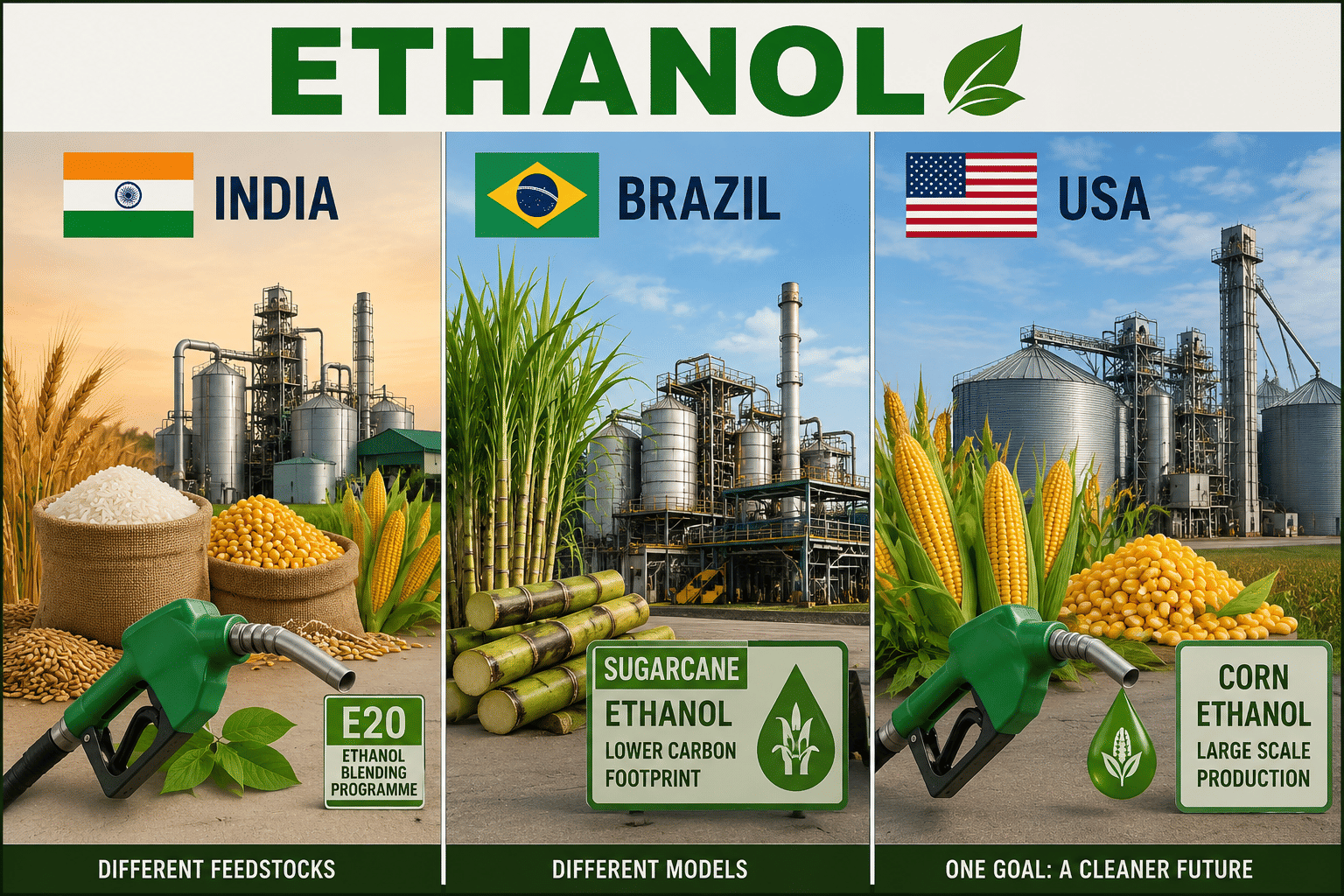
| Primary Feedstock | Sugarcane | Corn (Maize) | Rapeseed/Wheat |
| Vehicle Capability | High (FFVs are standard) | Moderate (E85 available) | Low (Limited blending) |
| Decarbonization Tool | CBIO (Credit Market) | RIN (Renewable ID) | RED III Mandates |
| Grid Integration | High (Bio-electricity) | Low | Moderate |
| Land Use Impact | Minimal (High yield) | Moderate | High |
Economic Implications for Producers and Consumers
For the consumer, the primary benefit of this policy-driven environment is price competition. In many Brazilian states, the "70% rule"—a long-standing heuristic where consumers choose ethanol if the price is less than 70% of the price of gasoline—governs purchasing decisions. Because ethanol is produced locally and lacks the logistical costs of imported refined petroleum products, it often acts as a hedge against global inflation in fuel prices.
For producers, the challenge lies in the high initial capital expenditure required for 2G ethanol plants. While the ROI is attractive due to the increased yield, smaller mills often struggle to access the credit lines needed for this technological leap. Government-backed development banks like the BNDES (National Bank for Economic and Social Development) remain critical in financing these transitions, ensuring that the industry continues to scale sustainably.
Addressing Challenges and Future Outlook
Despite the success of the ethanol program, several challenges persist that dictate the 2026 policy discourse.
- Logistical Bottlenecks: While production is highly efficient, the transport of ethanol from the Center-South production hubs to the North/Northeast remains dependent on road transport. Investment in rail infrastructure (the "Ferrovia Norte-Sul") is the primary focus of current policy to lower the carbon footprint of transport logistics.
- Sustainability Certification: As global markets demand more transparency, the implementation of rigorous land-use change (LUC) monitoring remains vital to ensure that ethanol production does not infringe upon protected biodiversity zones or lead to deforestation.
- Electrification Competition: The rise of Electric Vehicles (EVs) creates a new dynamic. Brazilian policy is currently evolving to position "Hybrid-Ethanol" vehicles—which combine electric motors with internal combustion engines running on pure ethanol—as a superior environmental solution compared to pure battery-electric vehicles, citing the lower life-cycle emissions of the ethanol-electric powertrain.
Frequently Asked Questions
Why does Brazil use sugarcane instead of corn for ethanol?
Sugarcane yields significantly more biomass per hectare than corn and possesses a higher net energy balance. In Brazil, the juice is used for fermentation while the fiber (bagasse) is burned for steam and electricity, creating a more efficient and less carbon-intensive fuel cycle.
What is a CBIO and how does it influence fuel prices?
A CBIO is a Decarbonization Credit issued by biofuel producers. Fuel distributors are required by law to purchase these credits to meet their annual targets. The cost of these credits is an operational expense for distributors, which is balanced by the carbon-reduction benefits that keep the overall fuel market compliant with national climate goals.
Can traditional gasoline engines run on pure ethanol?
No. Standard gasoline engines are not equipped to handle the chemical properties of hydrous ethanol, which is more corrosive and requires a different fuel-air mixture ratio. Only "Flexible Fuel Vehicles" (FFVs) are designed with sensors and specialized fuel system components to automatically adjust for any combination of gasoline and ethanol.
Does ethanol production in Brazil cause deforestation?
Data from government agricultural monitoring agencies confirms that sugarcane expansion has historically occurred on pastureland rather than virgin forest. Current policy strictly enforces "Sugarcane Agro-ecological Zoning" (ZAE Cana), which prohibits the expansion of sugarcane into the Amazon or the Pantanal wetlands.
How does the 2026 outlook for 2G ethanol appear?
The outlook is aggressive. 2026 marks a ramp-up period where major mills are scaling up lignocellulosic conversion capacity. The goal is to move beyond first-generation production, utilizing leftover straw and fibers to boost national supply without the need for additional land clearing.
Next Actions for Stakeholders
For industry participants and policymakers, the priority remains the integration of the RenovaBio compliance cycle with emerging carbon-capture technologies. Stakeholders should focus on the "Bio-CCS" (Bioenergy with Carbon Capture and Storage) potential, which promises to make ethanol a carbon-negative fuel. Verification of emissions reductions through official registry portals remains the single most important administrative task for producers looking to maximize their CBIO revenue in the current fiscal year.
Image Gallery