Social Media Marketing for Loan Officers: A Strategic Approach for 2026
Social media marketing for loan officers requires balancing rigorous financial regulatory compliance with the need to build personal trust and authority. By leveraging professional networking platforms and localized content, originator...
Social media marketing for loan officers requires balancing rigorous financial regulatory compliance with the need to build personal trust and authority. By leveraging professional networking platforms and localized content, originators can effectively reach potential homebuyers and real estate partners, turning social engagement into measurable referral pipelines and qualified mortgage applications.
Contents
The Regulatory Landscape and Compliance Requirements
Before a loan officer posts their first piece of content, they must reconcile social media activity with federal and state regulations. In the United States, mortgage professionals must adhere to the Truth in Lending Act (TILA), implemented by Regulation Z, and the Real Estate Settlement Procedures Act (RESPA).
In 2026, the regulatory focus remains on clear and conspicuous disclosure. Any social media post that mentions interest rates, loan terms, or specific financial products must include the necessary disclosures to prevent misleading consumers. Loan officers should work closely with their company’s compliance department to create an "approved content library." This library ensures that all shared infographics, mortgage calculators, and market updates are pre-verified, reducing the risk of accidental non-compliance.
Key compliance steps for every post:
- NMLS Identification: Always display your NMLS number prominently in your bio or profile description.
- Standardized Disclosures: Include links or text for mandatory disclosures regarding licensing, state-specific lending authority, and Equal Housing Opportunity statements.
- Recordkeeping: Utilize archiving software to capture every post, comment, and direct message. Regulators require that these interactions be stored for specified periods to satisfy audit requirements.
Building Authority: The Value-First Content Model
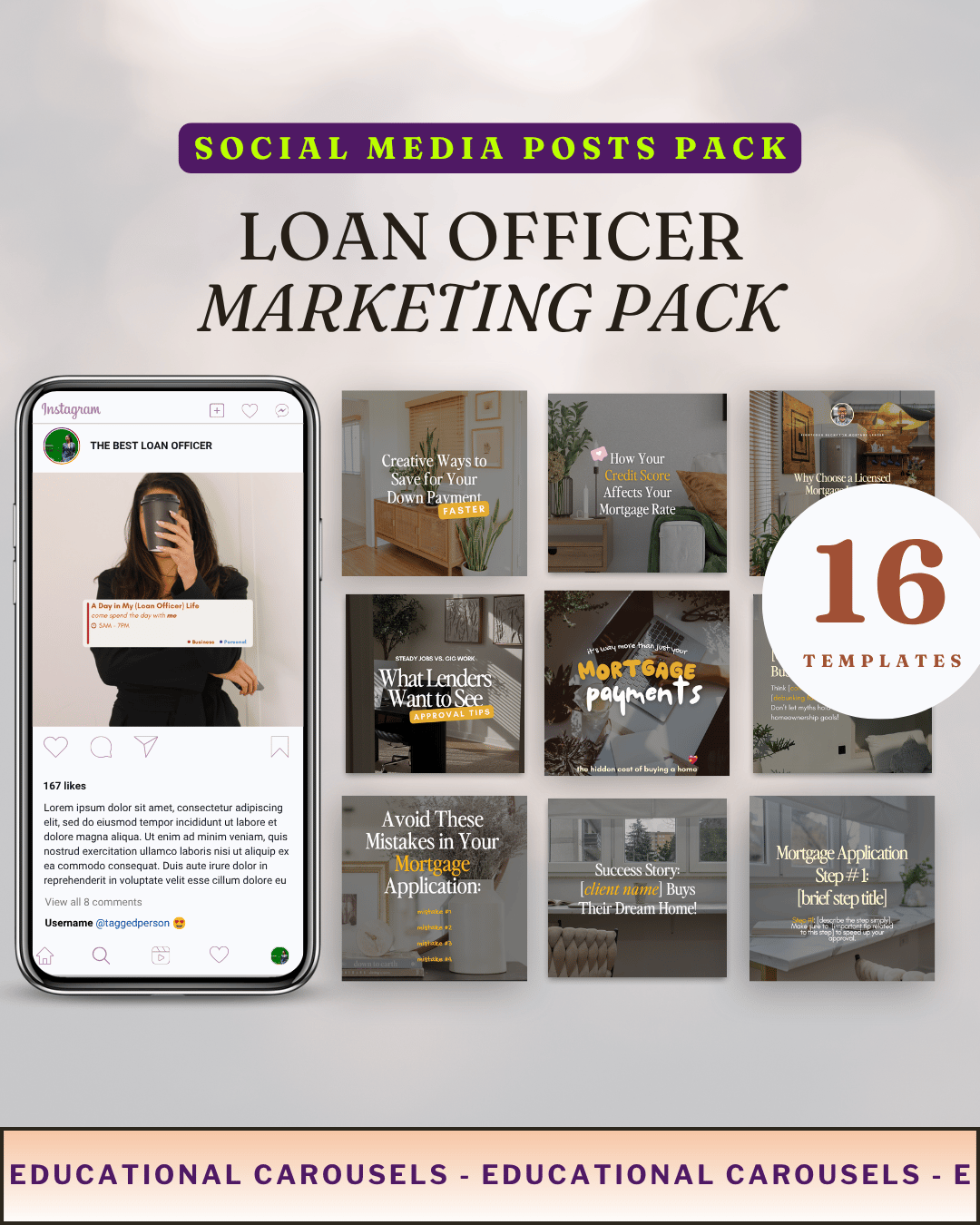
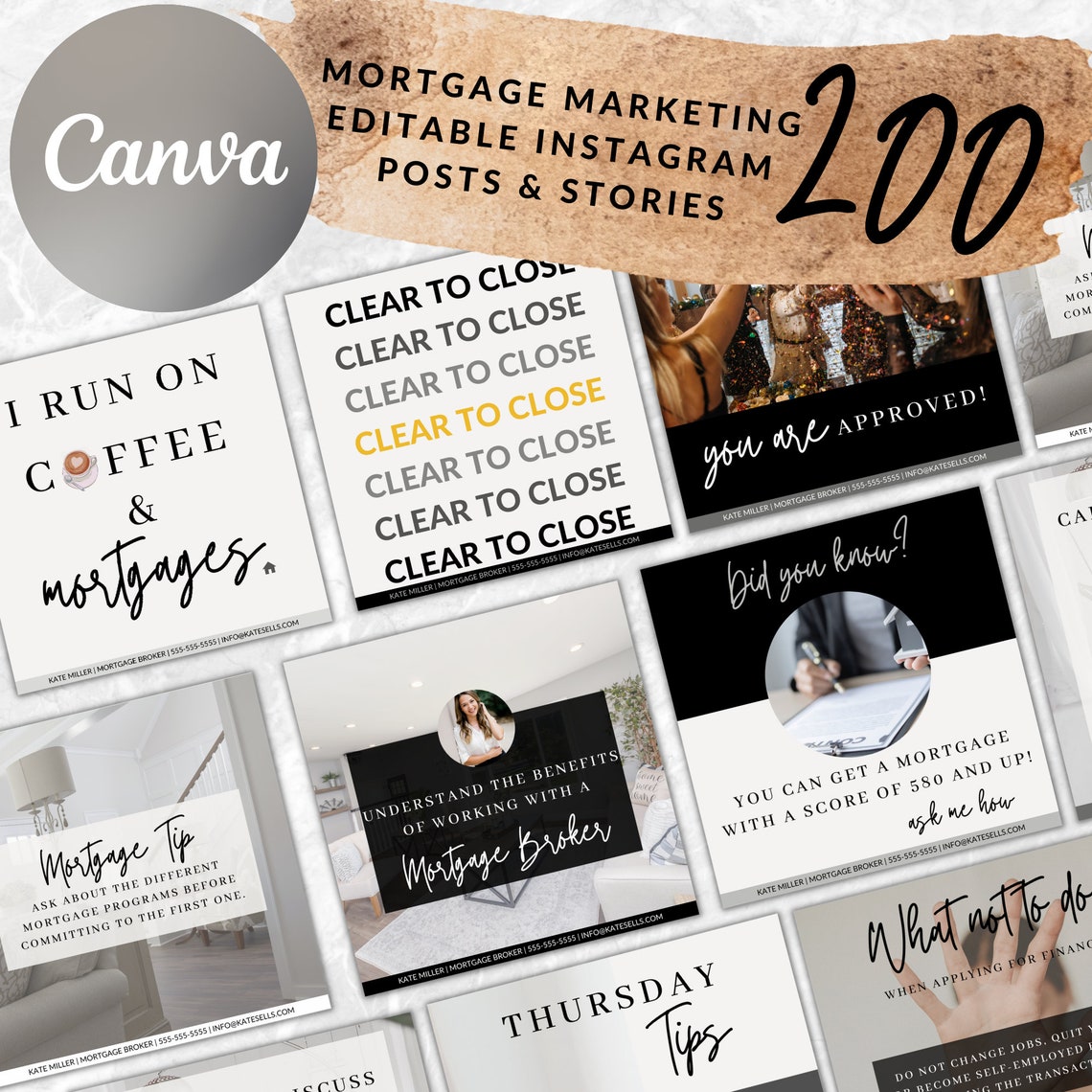
Modern mortgage marketing has shifted away from aggressive sales pitches toward educational content that solves specific borrower problems. A loan officer’s social media feed should act as a digital resource center for first-time homebuyers, refinancers, and real estate agents.
To build authority, focus on the "why" behind the numbers. Instead of simply posting a rate sheet, explain how current market fluctuations impact a buyer’s monthly payment or how different loan programs—such as FHA, VA, or conventional products—serve different household financial profiles.
- Educational Short-Form Video: Use 60-second clips to address common borrower hurdles, such as explaining the difference between private mortgage insurance (PMI) and homeowners insurance, or detailing what documentation is required for a self-employed borrower.
- Localized Market Reports: Borrowers care about their specific community. Partner with local real estate agents to create co-branded content that highlights inventory levels, average time on market, and neighborhood-specific appreciation trends.
- The "Behind-the-Scenes" Human Element: Trust is the primary currency in lending. Sharing brief glimpses of your team at work or explaining your process for helping a family clear a credit hurdle fosters a sense of accessibility and transparency that purely automated services cannot replicate.
Platform Comparison for Mortgage Professionals
Different social media platforms serve distinct purposes within a loan officer’s ecosystem. Choosing where to invest time depends on whether your goal is lead generation, partner networking, or brand awareness.
| Platform | Primary Objective | Target Audience | Best Content Format |
|---|---|---|---|
| Referral Networking | Realtors, Financial Planners | Thought leadership, industry data | |
| Brand Awareness | First-time homebuyers | Visual listings, educational Reels | |
| Community Engagement | Local homeowners, past clients | Community events, Q&A sessions | |
| YouTube | Long-term Search SEO | Serious researchers/prospects | Deep-dive loan program reviews |
For most loan officers, LinkedIn is essential for nurturing relationships with referral partners like real estate agents and CPAs. In contrast, Instagram and Facebook are more effective for reaching the consumer directly through visual storytelling and local community updates.
Mastering the Referral Ecosystem
Social media is not just a lead-generation tool; it is a relationship management platform. The most successful loan officers use social media to deepen their connection with their existing referral partners.
Tagging local real estate agents in posts about successful closings (with client permission) provides those agents with social proof and strengthens the professional bond. When a partner shares your content, you gain access to their audience, effectively expanding your reach without additional ad spend.
Consistency is the most significant hurdle. Establishing a cadence—such as three educational posts per week and daily engagement with your network’s content—is more effective than occasional, sporadic posting. Use scheduling tools that allow you to plan content weeks in advance, ensuring that your feed remains active even during the busiest periods of the loan cycle.
Common Pitfalls and Troubleshooting
Even with a strong strategy, loan officers often encounter common roadblocks that stall progress.
- The "Vanishing" Engagement Problem: If your posts are not receiving interaction, you may be posting too much about yourself and not enough about your audience. Shift your focus to addressing the specific frustrations of your local market—such as lack of affordable housing or credit score requirements.
- Inconsistent Branding: Ensure your headshot, bio, and contact information are identical across all platforms. A borrower should not have to guess if they have found the correct loan officer.
- Ignoring Direct Messages: Social media algorithms prioritize accounts that foster real conversations. Treat your direct messages as a critical communication channel. When a potential borrower asks a question in the comments or via DM, respond promptly, but move the conversation to an official, secure, and encrypted portal as soon as the discussion touches upon sensitive personal financial information.
Next Steps for Implementation
To operationalize your social media marketing in 2026, start by auditing your current profiles to ensure all NMLS disclosures are visible and links to your application portal are functional. Once your profiles are compliant, define your niche—such as first-time buyers, veterans, or jumbo loan borrowers—and create a 30-day content calendar focusing on the top five questions your borrowers ask during the pre-approval process. Finally, schedule 15 minutes each morning to engage with the posts of your referral partners, as this is the most reliable way to maintain top-of-mind awareness in your professional network.
Frequently Asked Questions
1. Can I use social media to promote specific mortgage interest rates? Yes, but you must include specific disclaimers. Because rates change daily, your post must clearly state that the rate is an example, provide the Annual Percentage Rate (APR), and include a date stamp showing when the rate was valid. Always review these posts with your compliance team before hitting publish.
2. How do I handle client testimonials on social media? Testimonials are powerful, but they are subject to strict advertising rules. You must ensure that the testimonial is truthful and not misleading. Additionally, verify if your company allows unsolicited public reviews, as some lenders have policies against posting specific loan experiences that could potentially reveal a client's private financial data.
3. Is it worth using paid social media advertising? Paid advertising can be effective for lead generation, but it requires careful adherence to the Fair Housing Act. On platforms like Meta, you are often restricted to the "Special Ad Category" for credit-related ads. This limits your ability to target based on age, gender, or zip code, requiring you to focus on broader interest-based targeting.
4. How can I protect client privacy on social media? Never share sensitive details like loan amounts, credit scores, or specific property addresses without written consent, and even then, it is generally best practice to keep such details anonymous. When sharing success stories, focus on the outcome—such as closing on a new home—rather than the mechanics of the borrower's personal finances.
Image Gallery