Average Pro Wrestler Salary Explained: How Much Do Stars and Indies Earn in 2026?
In 2026, the average pro wrestler's salary varies significantly based on the promotion, ranging from $50,000 for developmental talent to over $5 million for top-tier superstars. While WWE main roster performers typically earn a downsid...
In 2026, the average pro wrestler's salary varies significantly based on the promotion, ranging from $50,000 for developmental talent to over $5 million for top-tier superstars. While WWE main roster performers typically earn a downside guarantee starting around $350,000, independent circuit wrestlers often rely on per-match fees averaging $100 to $2,000.
Contents
Professional wrestling has evolved from a regional territory system into a multi-billion-dollar global entertainment industry. With the consolidation of major players like TKO Group Holdings (WWE) and the continued expansion of AEW (All Elite Wrestling), the financial landscape for athletes has shifted dramatically. Understanding the "average" salary requires looking past the multi-million-dollar contracts of household names to examine the complex layers of "downside guarantees," merchandise royalties, and the high overhead costs born by the performers themselves.
The Multi-Tiered Pay Structure of Professional Wrestling
The professional wrestling industry does not have a standardized salary scale like the NBA or NFL. Instead, compensation is tiered based on the size of the promotion, the performer's "drawing power," and their specific contract terms. By 2026, the industry is largely divided into three financial tiers: major global promotions (WWE), national competitors (AEW), and the independent circuit.
Major Global Promotions (WWE)
As the industry leader, WWE offers the highest potential earnings. Contracts here are built around a "downside guarantee," which is the minimum amount a wrestler is paid regardless of how many matches they perform. If a wrestler’s share of ticket sales, pay-per-view (Premium Live Event) bonuses, and merchandise exceeds their downside, they are paid the higher amount. In 2026, the baseline for a main roster talent typically starts at $350,000, though seasoned mid-carders often command between $700,000 and $1.2 million.
National Competitors (AEW)
AEW remains the primary alternative for top-tier talent. Their salary structure is often more flexible than WWE’s, sometimes offering higher guaranteed sums to lure talent away from the market leader. Average salaries for established AEW stars in 2026 hover around the $300,000 to $1 million mark, with elite performers reaching the multi-million-dollar bracket.
The Independent Circuit
This is the "gig economy" of wrestling. There is no "salary" here; wrestlers are paid per appearance. A local "indy" wrestler might make $50 to $150 per night, while a "super-indie" star who has appeared on national television can command $1,000 to $3,000 per booking. Most independent wrestlers must maintain secondary jobs to sustain their careers.
Breaking Down WWE Salaries: From NXT to WrestleMania
WWE’s compensation model is the most transparent due to its status as a publicly-traded entity under TKO. The pay scale is strictly hierarchical, rewarding tenure and television exposure.
NXT and Developmental Contracts
For those starting at the WWE Performance Center, salaries are modest. Most NXT recruits earn between $50,000 and $150,000 annually. This is intended to cover basic living expenses while the athlete trains. However, top collegiate athletes recruited through the NIL (Next In Line) program can sometimes negotiate higher starting bonuses.
Main Roster Mid-Carders
Once a wrestler moves to RAW or SmackDown, their income increases significantly. In 2026, the average mid-card wrestler—someone who appears regularly on television but is not in the main event—earns a downside guarantee in the range of $500,000. These performers also benefit from a significant boost in merchandise sales and video game licensing fees.
The 1% - Main Event Stars
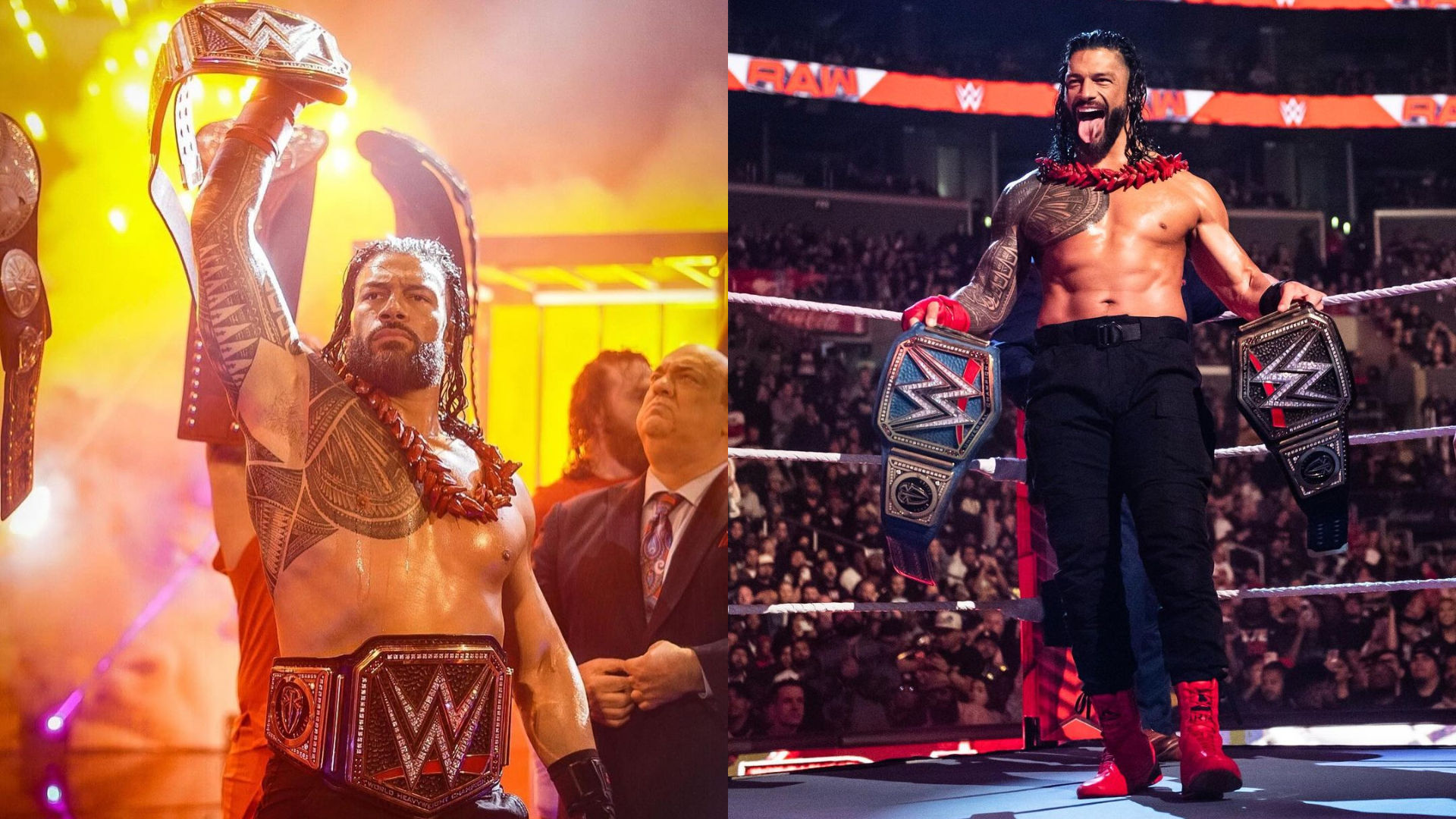
The highest earners in the industry, such as Roman Reigns, Cody Rhodes, or Seth Rollins, operate on a different plane. These contracts frequently exceed $5 million annually. Their deals often include private jet travel, first-class accommodations, and a higher percentage of merchandise revenue. According to reports from the Wrestling Observer Newsletter, top-tier "attractions" may also receive bonuses for headlining major events like WrestleMania.
AEW’s Impact on Market Value
The presence of All Elite Wrestling has fundamentally changed the "average" salary by creating a bidding war for talent. Unlike WWE, which historically had a rigid pay structure, AEW’s owner Tony Khan has been known to offer lucrative contracts that prioritize a lighter schedule.
In 2026, AEW's average salary for a full-time television performer is estimated to be between $400,000 and $700,000. AEW also allows many of its performers to take independent bookings or maintain third-party revenue streams (like Twitch or Cameo), which WWE has historically restricted. This "freedom factor" adds intangible value to the AEW salary.
Beyond the Base: Bonuses, Royalties, and Merchandise
A pro wrestler’s total compensation is rarely just their base salary. Several ancillary revenue streams can double or even triple their take-home pay.
- Merchandise Royalties: Wrestlers typically receive 25% of the net licensing revenue and 5% of direct sales for merchandise featuring their likeness. For a top seller, this can equate to hundreds of thousands of dollars.
- Licensing Fees: Inclusion in the annual WWE 2K video game series or specialized trading card sets results in royalty checks. These are often distributed annually and vary based on the wrestler’s prominence in the game.
- Gate and PLE Bonuses: While the "PPV bonus" of the 1990s has changed with the move to streaming services (Peacock/Netflix), wrestlers still receive "booking fees" for appearing on major Premium Live Events. The size of the crowd and the importance of the match dictate the bonus amount.
The Reality of the "Independent Contractor" Status
It is vital to distinguish between gross income and net profit in professional wrestling. Most major promotions classify wrestlers as independent contractors rather than employees. This classification has significant financial implications:
- Travel and Lodging: In most cases, WWE wrestlers are responsible for their own ground transportation (rental cars) and hotels. While the company covers airfare, the annual cost of 200+ nights in hotels and daily car rentals can exceed $50,000.
- Health Insurance: As contractors, wrestlers must often provide their own health insurance. Given the high-risk nature of the profession, premiums are exceptionally high.
- Taxes: Wrestlers must pay self-employment taxes and often owe taxes in multiple states depending on where they performed throughout the year. This requires expensive specialized accounting services.
- Professional Costs: Wrestlers pay for their own "gear" (trunks, boots, masks), which can cost $1,000 to $5,000 per set, as well as their own gym memberships and physical therapy.
Comparative Salary Overview (2026 Estimates)
| Tier / Promotion | Estimated Annual Pay Range | Primary Income Source |
|---|---|---|
| WWE Main Event | $3,000,000 - $10,000,000+ | Downside + Heavy Merch + PLE Bonuses |
| WWE Mid-Card | $500,000 - $1,500,000 | Downside + Video Game Royalties |
| AEW Top Star | $1,000,000 - $5,000,000 | Guaranteed Salary |
| AEW Mid-Card | $200,000 - $500,000 | Guaranteed Salary + Independent Dates |
| WWE NXT | $50,000 - $150,000 | Base Stipend |
| Top Independent Star | $75,000 - $250,000 | Per-match Fees + Personal Merch |
| Local Independent | $5,000 - $25,000 | Per-match Fees (Part-time) |
Factors That Influence a Wrestler’s Earnings
Several variables determine whether a wrestler settles at the bottom or top of the average pay scale:
Drawing Power
In the "work-shoot" world of wrestling, your pay is linked to your ability to sell tickets. If a wrestler can prove that television ratings or ticket sales increase when they are on the card, they gain immense leverage during contract negotiations.
Physical Health and Longevity
Because contracts are often based on "per-match" or "active" status, injuries can be financially devastating. While a downside guarantee provides a safety net, an injured wrestler misses out on bonuses and merchandise pushes, which can represent 30-40% of their potential income.
Social Media Following
In 2026, a wrestler’s "reach" on platforms like X, Instagram, and TikTok is a key metric in contract talks. Promoters view a large following as a built-in marketing machine, often leading to higher downside guarantees.
Frequently Asked Questions
Do wrestlers get paid if they are injured?
In major promotions like WWE and AEW, wrestlers continue to receive their "downside guarantee" while injured. However, they lose out on performance bonuses, road expenses (which are no longer incurred), and the "out of sight, out of mind" dip in merchandise sales.
Who is the highest-paid wrestler in 2026?
While exact figures are proprietary, it is widely accepted that Roman Reigns and Brock Lesnar (on a per-appearance basis) remain among the highest-paid, with total compensation packages exceeding $10 million when factoring in all revenue streams.
Do independent wrestlers have to pay for their own travel?
Generally, yes. On the independent circuit, a "booking fee" usually includes a flat rate. A wrestler might negotiate for the promoter to cover a hotel or flight, but for most regional shows, the wrestler pays for their own gas and lodging out of their match fee.
How has the Netflix deal affected WWE salaries?
The 2025 move of WWE RAW to Netflix significantly increased the company’s media rights revenue. By 2026, this influx of capital has led to a roughly 15-20% increase in the "floor" for main roster downside guarantees compared to the early 2020s.
Is there a union for professional wrestlers?
As of 2026, there is no formal union for professional wrestlers. They remain independent contractors. However, there have been increased efforts toward "performers' associations" to negotiate for better long-term health benefits and royalty structures.
Final Considerations for Aspiring Professionals
If you are looking to enter the industry, understand that the "average" is heavily skewed by the top 1%. For the vast majority of performers, professional wrestling is a high-cost, high-risk pursuit that requires years of financial struggle before reaching a livable wage. The most successful modern wrestlers are those who view themselves as a "brand," diversifying their income through digital content and merchandise to supplement their in-ring earnings.
Image Gallery