Understanding Buying on the Margin: Definition and Dynamics in Modern Markets
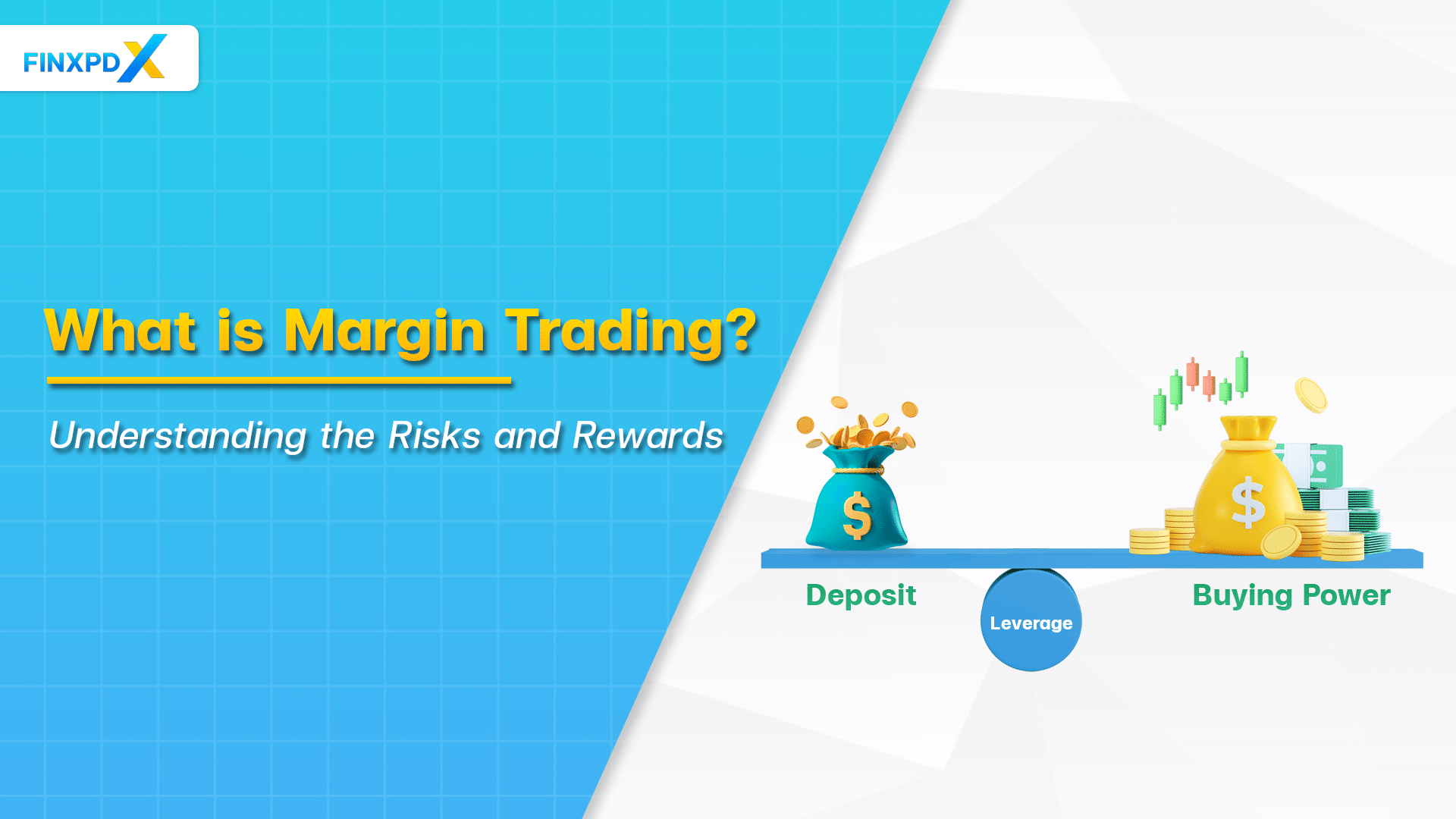
Buying on the margin is the practice of borrowing funds from a brokerage firm to purchase financial assets, using the securities in the account as collateral. This investment strategy enables traders to exercise greater purchasing powe...
Buying on the margin is the practice of borrowing funds from a brokerage firm to purchase financial assets, using the securities in the account as collateral. This investment strategy enables traders to exercise greater purchasing power through leverage, potentially amplifying returns while simultaneously increasing the risk of significant financial losses beyond the initial investment.
Contents
In the financial landscape of 2026, margin trading remains a cornerstone of active market participation. While the core mechanics of borrowing against equity have remained consistent for decades, the speed of modern execution and the volatility of global markets necessitate a sophisticated understanding of how margin functions. Whether you are an individual retail trader or an institutional investor, navigating the requirements and consequences of margin is essential for effective capital management.
The Mechanics of a Margin Account
To understand buying on the margin, one must first distinguish between a standard cash account and a margin account. In a cash account, you can only trade using the settled funds currently available. In contrast, a margin account is essentially a line of credit extended by your broker. This credit allows you to purchase more securities than you could afford with your existing cash balance.
When you buy on the margin, you are essentially taking out a loan. The broker provides the capital to cover a portion of the purchase price, and you provide the rest, known as the "margin." The securities you purchase are held as collateral for the loan. Because this is a loan, you are charged interest on the borrowed amount. These interest rates can vary significantly between brokerages and are typically tied to the prevailing federal funds rate or a specific benchmark like the Secured Overnight Financing Rate (SOFR).
The availability of margin is not unlimited. Modern regulations, primarily governed by the Federal Reserve and the Financial Industry Regulatory Authority (FINRA), dictate exactly how much a broker can lend and under what conditions.
The Regulatory Framework: Regulation T and FINRA Rule 4210
The backbone of margin trading in the United States is Regulation T (often called Reg T), established by the Federal Reserve Board. As of 2026, Reg T generally permits investors to borrow up to 50% of the purchase price of eligible securities. This initial requirement is known as the Initial Margin.
For example, if you wish to purchase $20,000 worth of stock on the margin, Reg T requires you to deposit at least $10,000 (50%) of your own capital. The broker lends you the remaining $10,000. While some brokers may have more stringent requirements—requiring you to put up 60% or 70% for certain volatile assets—they cannot legally require less than the 50% mandated by the Federal Reserve for most equities.
Beyond the initial purchase, FINRA Rule 4210 governs the ongoing requirements for maintaining a margin position. This rule establishes the Maintenance Margin, which is the minimum amount of equity an investor must maintain in their account after the purchase is made. By law, the maintenance margin must be at least 25% of the total market value of the securities in the margin account. However, many brokerage firms set their "house" requirements higher, often at 30% to 40%, to provide a buffer against rapid market fluctuations.
Calculating Equity and the Impact of Price Fluctuations
In margin trading, "equity" is defined as the current market value of the securities minus the amount borrowed from the broker. This figure is dynamic; it changes every second the market is open.
Consider the following scenario:
- Initial Purchase: You buy 100 shares of Company X at $100 per share. Total cost: $10,000.
- Funding: You use $5,000 of your own cash and borrow $5,000 from the broker (50% initial margin).
- Market Movement (Gain): If the stock rises to $150, the market value is $15,000. Your loan remains $5,000. Your equity is now $10,000. You have achieved a 100% return on your $5,000 investment, even though the stock only rose 50%.
- Market Movement (Loss): If the stock drops to $70, the market value is $7,000. Your loan remains $5,000. Your equity is now $2,000. You have lost 60% of your investment, even though the stock only dropped 30%.
This mathematical relationship demonstrates why margin is often described as a "double-edged sword." While it accelerates wealth building during bull markets, it can lead to the rapid depletion of capital during downturns.
The Anatomy of a Margin Call
A margin call occurs when the equity in your account falls below the broker’s maintenance margin requirement. This is the most critical risk for any margin trader. When a margin call is triggered, the broker demands that you either deposit more cash or sell securities to bring the account back up to the required level.
In the high-speed trading environment of 2026, the timeline for responding to a margin call is often shorter than many investors realize. While brokers may technically provide a few days to meet the call, they are legally permitted to liquidate your positions immediately and without notice if they believe their capital is at risk.
If you fail to meet the call, the broker will sell your stocks at the current market price—regardless of whether that price is favorable to you—to recover the loan. This can lead to a "forced liquidation" scenario where you realize heavy losses and are left with little to no equity in the account. Furthermore, you are still responsible for any remaining debt if the liquidation of your assets does not cover the full amount of the loan.
Costs and Technical Considerations
Buying on the margin is not a free service. Investors must account for several types of costs that can erode profits over time.
- Margin Interest: This is the most direct cost. Interest is typically calculated daily and charged monthly. If you hold a margin position for an extended period, the interest can significantly impact your "break-even" point. In 2026, with interest rates reflecting modern central bank policies, the cost of carry is a vital calculation in any margin-based strategy.
- Opportunity Cost: By using your securities as collateral, you may be restricted in how you use those assets.
- Security Restrictions: Not all securities are "marginable." For instance, most IPOs cannot be purchased on the margin for the first 30 days of trading. Penny stocks, OTC (Over-the-Counter) stocks, and highly volatile derivatives are also frequently excluded from margin eligibility by brokerage firms to mitigate risk.
| Feature | Cash Account | Margin Account |
|---|---|---|
| Purchasing Power | Limited to available cash. | Up to 2x available equity (typically). |
| Interest Charges | None. | Variable rates charged on borrowed funds. |
| Risk Profile | Maximum loss is the initial investment. | Potential loss can exceed the initial investment. |
| Minimum Balance | Often $0 (depends on broker). | $2,000 minimum (FINRA requirement). |
| Margin Calls | Not applicable. | Triggered if equity falls below maintenance levels. |
| Settlement Rules | T+1 standard (as of 2024/2026). | Offers more flexibility for immediate reinvestment. |
Margin and Pattern Day Trading (PDT) Rules
For many modern traders, the motivation for opening a margin account is to circumvent the restrictions placed on frequent trading. Under FINRA rules, a "Pattern Day Trader" is anyone who executes four or more day trades within five business days in a margin account, provided those trades represent more than 6% of their total trading activity for that period.
If you are designated as a Pattern Day Trader, you are required to maintain a minimum equity of $25,000 in your margin account at all times. If the account falls below this threshold, you will be restricted from day trading until the balance is restored. This rule exists to ensure that high-frequency traders have enough of a capital cushion to withstand the intraday volatility that margin can exacerbate.
Risk Management Strategies for Margin Trading
Professional traders in 2026 rarely utilize their maximum available margin. Instead, they treat margin as a strategic tool to be used sparingly. Effective risk management involves several key practices:
- Maintaining a Cushion: Never trade right up to the limit of your maintenance margin. Keeping your equity well above the 25-30% requirement provides a safety net against "flash crashes" or sudden overnight gaps in stock prices.
- Monitoring Interest Rates: Because margin interest is variable, a sudden hike in rates by the Federal Reserve can increase your costs overnight. Investors should regularly review the "effective rate" they are paying.
- Using Stop-Loss Orders: While not a guarantee against all losses (especially during market gaps), stop-loss orders can help automate the process of exiting a margin position before equity reaches critical levels.
- Understanding Volatility Haircuts: Brokers often increase margin requirements for specific stocks during periods of high volatility (e.g., earnings reports or regulatory news). This is known as a "haircut," and it can trigger a margin call even if the stock price hasn't moved significantly.
Frequently Asked Questions
What is the minimum amount needed to start buying on the margin? According to FINRA regulations, you must have at least $2,000 (or 100% of the purchase price, whichever is less) in equity to open a margin account and begin borrowing. However, individual brokerages may set higher minimums, and if you intend to day trade frequently, you will need to maintain a minimum of $25,000 to comply with Pattern Day Trader rules.
Can I lose more money than I initially deposited when buying on the margin? Yes. This is the primary danger of margin trading. If the value of the securities you purchased drops significantly, you could lose your entire initial investment and still owe the brokerage firm the remaining balance of the loan plus interest. This distinguishes margin trading from standard cash trading, where your maximum loss is capped at the amount you invested.
Are dividends paid on stocks bought on the margin? Yes, you are the owner of the shares even if they were purchased with borrowed money. Therefore, you are entitled to receive any dividends or distributions associated with those shares. However, these dividends are often automatically applied to reduce your margin loan balance or cover interest charges unless you specify otherwise.
How is margin interest calculated? Brokerages typically calculate margin interest daily based on the size of the loan balance at the end of each day. This daily interest is then totaled and charged to your account monthly. The rate is usually a "base rate" set by the broker plus a premium that may decrease if you borrow larger sums of money.
Can a broker change margin requirements without warning? Yes. Brokerage firms have the right to increase their "house" maintenance requirements at any time, especially during periods of extreme market volatility. They are not required to provide advance notice or an extension of time for you to meet a resulting margin call.
Strategic Recommendation
If you are considering buying on the margin in the 2026 market environment, the most prudent course of action is to start with a low leverage ratio. Avoid using more than 10-20% of your available margin capacity until you have a firm grasp of the interest costs and the speed at which a margin call can manifest. Margin is most effective for short-term tactical opportunities or as a bridge for liquidity; using it as a long-term "buy and hold" strategy is rarely advisable due to the compounding effect of interest rates and the perpetual risk of forced liquidation. Always consult with a certified financial advisor to ensure margin trading aligns with your overall risk tolerance and investment objectives.
Image Gallery