The Significance of Simon Bolivar Contributions to Latin American Independence
Simon Bolivar’s contributions were foundational to the decolonization of South America, acting as the primary military and political architect who dismantled Spanish imperial rule across six modern-day nations. His efforts, spanning fr...
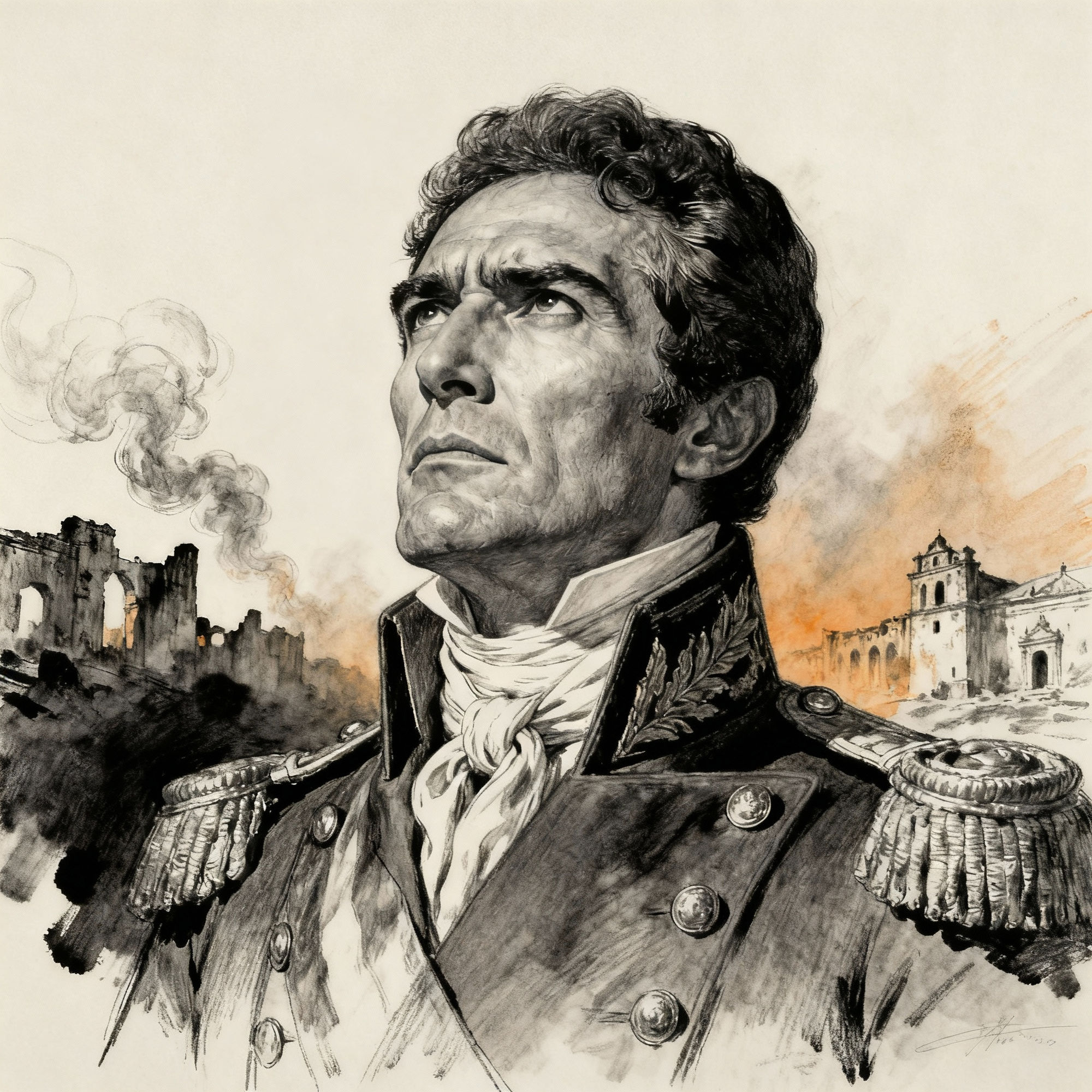
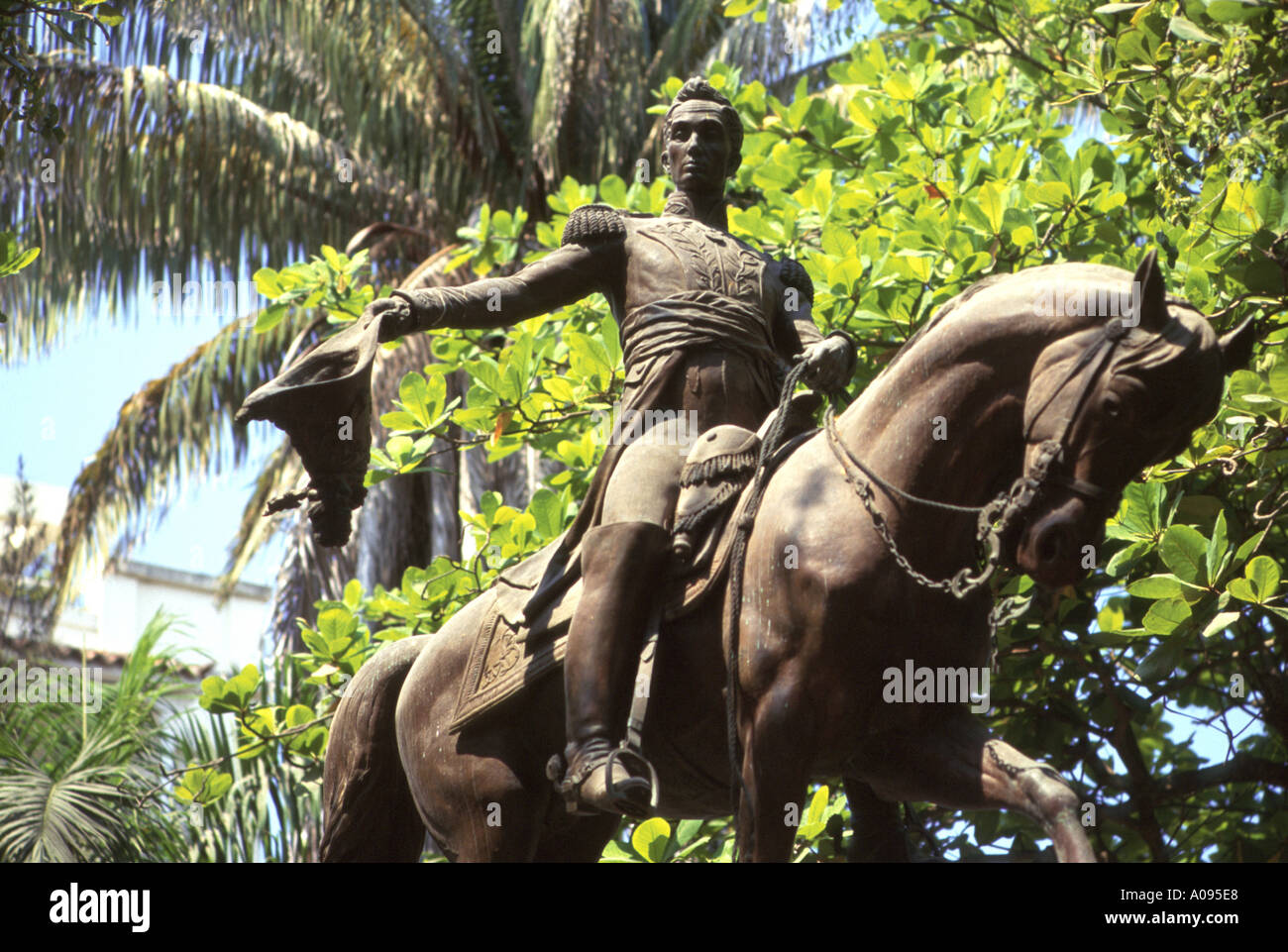
Simon Bolivar’s contributions were foundational to the decolonization of South America, acting as the primary military and political architect who dismantled Spanish imperial rule across six modern-day nations. His efforts, spanning from 1810 to 1830, shifted the continent from a collection of viceroyalties into a series of independent republics, establishing a lasting, albeit complex, legacy of constitutional governance and regional integration known as Pan-Americanism.
Contents
The Context of the Independence Movement
By the early 19th century, the Spanish Empire in the Americas was strained by internal mismanagement, the Napoleonic Wars in Europe, and a growing desire for self-determination among the criollo (locally born) elite. Simon Bolivar, born in Caracas in 1783, emerged from this social stratum to provide the ideological and tactical leadership that unified disparate revolutionary factions.
Bolivar’s significance lies not only in his military victories but in his vision for a unified South America. He recognized that regional independence would be fragile if nations remained isolated. This realization led to the conceptualization of Gran Colombia—a massive state comprising present-day Venezuela, Colombia, Panama, and Ecuador—which served as a precursor to modern federalist structures in the region.
Key Military Contributions and Strategic Campaigns
Bolivar’s military career is characterized by his capacity to recover from catastrophic defeats and his innovative use of geography. His most significant strategic achievement remains the crossing of the Andes in 1819, a logistical feat that allowed his forces to surprise the royalist army at the Battle of Boyacá.
The Turning Points of the Conflict
- The Admirable Campaign (1813): Bolivar led a series of successful battles through the Andes, resulting in the temporary capture of Caracas and the declaration of the Second Republic of Venezuela.
- The Battle of Boyacá (1819): This engagement secured the independence of New Granada, creating a solid base of operations that provided the resources and manpower necessary to liberate the rest of the continent.
- The Battle of Carabobo (1821): A decisive victory that effectively ended Spanish control in Venezuela.
- The Battle of Ayacucho (1824): While led by Antonio José de Sucre, this battle was the culmination of Bolivar’s continental strategy, effectively ending Spanish military presence in South America.
Political Vision and the Ideal of Gran Colombia
Bolivar was as much a political philosopher as a general. His writings, most notably the "Letter from Jamaica" (1815) and his address at the Congress of Angostura (1819), provide the theoretical framework for his actions. He argued for republicanism but often expressed skepticism regarding the readiness of South American societies for purely democratic systems, frequently advocating for strong, centralized executive power to prevent anarchy.
The creation of Gran Colombia was his primary effort to implement this vision. By centralizing power, he aimed to build a state capable of resisting European re-colonization and ensuring internal stability. Although Gran Colombia dissolved by 1831, the institutional frameworks and legal codes established during this period influenced the constitutions of the individual nations that emerged from its collapse.
Comparative Overview of Bolivar’s Administrative Impact
The influence of Bolivar on the structure of the emerging nations varied based on geography and local political resistance. The following table summarizes his impact on key regions.
| Region | Primary Role | Outcome of Intervention |
|---|---|---|
| Venezuela | Military Liberator | Established the Second Republic; focal point of early resistance. |
| Colombia (New Granada) | Strategic Architect | Secured sovereignty through the 1819 Andean campaign. |
| Ecuador | Military Organizer | Integrated into Gran Colombia; strategic hub for the south. |
| Peru | Dictatorial Protector | Assisted in finalizing independence and reforming local legal codes. |
| Bolivia | Namesake & Legislator | Drafted the constitution for the newly formed nation. |
The Enduring Concept of Pan-Americanism
Beyond the liberation of specific territories, Bolivar’s greatest contribution was the promotion of Pan-Americanism—the idea that the nations of the Americas share common geopolitical interests. This culminated in the Congress of Panama in 1826, which he intended to be a forum for permanent cooperation and mutual defense.
While the congress failed to produce a lasting confederation due to domestic infighting and resistance from regional elites, the assembly established a precedent for inter-American diplomacy. It marked the first time the newly independent nations attempted to solve collective security issues through international law rather than war.
Challenges and Critiques of His Legacy
Understanding Bolivar requires acknowledging the tensions in his leadership. Critics in his own time, and modern historians, often point to his drift toward authoritarianism in his later years. As president of Gran Colombia, Bolivar assumed dictatorial powers in 1828 in a failed attempt to hold the fracturing state together.
This period of his life highlights the fundamental challenge he faced: reconciling the liberal ideals of the Enlightenment with the reality of a fractured, post-colonial society. His significance remains contentious in some circles because of the gap between his democratic rhetoric and his executive actions. However, his ability to define the borders and initial political identity of these states remains an undisputed historical fact.
Frequently Asked Questions
What was the significance of the "Letter from Jamaica"?
The "Letter from Jamaica" was an analytical document in which Bolivar outlined the failures of the early revolutionary governments and predicted the necessity of a unified effort to defeat Spain. It served as his manifesto, detailing the political, economic, and social justifications for independence.
Why did Gran Colombia fail?
Gran Colombia failed due to intense regionalism, geographic barriers that made administration nearly impossible, and ideological conflicts between centralists (who followed Bolivar) and federalists (who favored local autonomy). The economic exhaustion caused by the long war of independence also left the state unable to sustain its debts.
Did Bolivar influence the drafting of national constitutions?
Yes, Bolivar was an active drafter of constitutional documents. Most notably, he wrote the initial constitution for Bolivia, which proposed a lifetime presidency and a complex, four-branch government structure, reflecting his belief that South American states needed stability over radical democracy.
What is the primary difference between Bolivar’s vision and reality?
Bolivar envisioned a "United States of South America" that would act as a global power. The reality, dictated by local interests and colonial-era administrative divides, resulted in the creation of several smaller, often conflicting, nation-states that struggled for decades to maintain domestic order.
How did Bolivar impact the status of the Catholic Church?
Bolivar generally maintained a pragmatic, though often tense, relationship with the Catholic Church. While he advocated for republican ideals, he recognized the Church's necessity for maintaining social order, leading to a complex policy of secular reform balanced with the preservation of institutional religious influence.
Final Recommendation for Further Research
To fully grasp the magnitude of Bolivar's work, it is recommended to examine the primary source documentation provided by the Archivo del Libertador in Caracas. Reviewing these documents provides direct insight into the administrative difficulties he faced, such as the logistics of troop provisioning and the diplomatic correspondence that preceded the formation of the nascent republics. Understanding these logistical challenges is essential to appreciating why his contributions succeeded in military terms while facing such severe limitations in long-term political unification.
Image Gallery