Final Destination Age Rating: A Comprehensive Parental Guide for 2026
The Final Destination film franchise is rated R by the Motion Picture Association (MPA) for strong horror violence, disturbing images, language, and some drug references. Due to these mature themes, the series is generally considered i...
The Final Destination film franchise is rated R by the Motion Picture Association (MPA) for strong horror violence, disturbing images, language, and some drug references. Due to these mature themes, the series is generally considered inappropriate for viewers under the age of 17, and it is strongly recommended that parents exercise caution even for older teenagers.
Contents
Understanding the R-Rating Classification Criteria
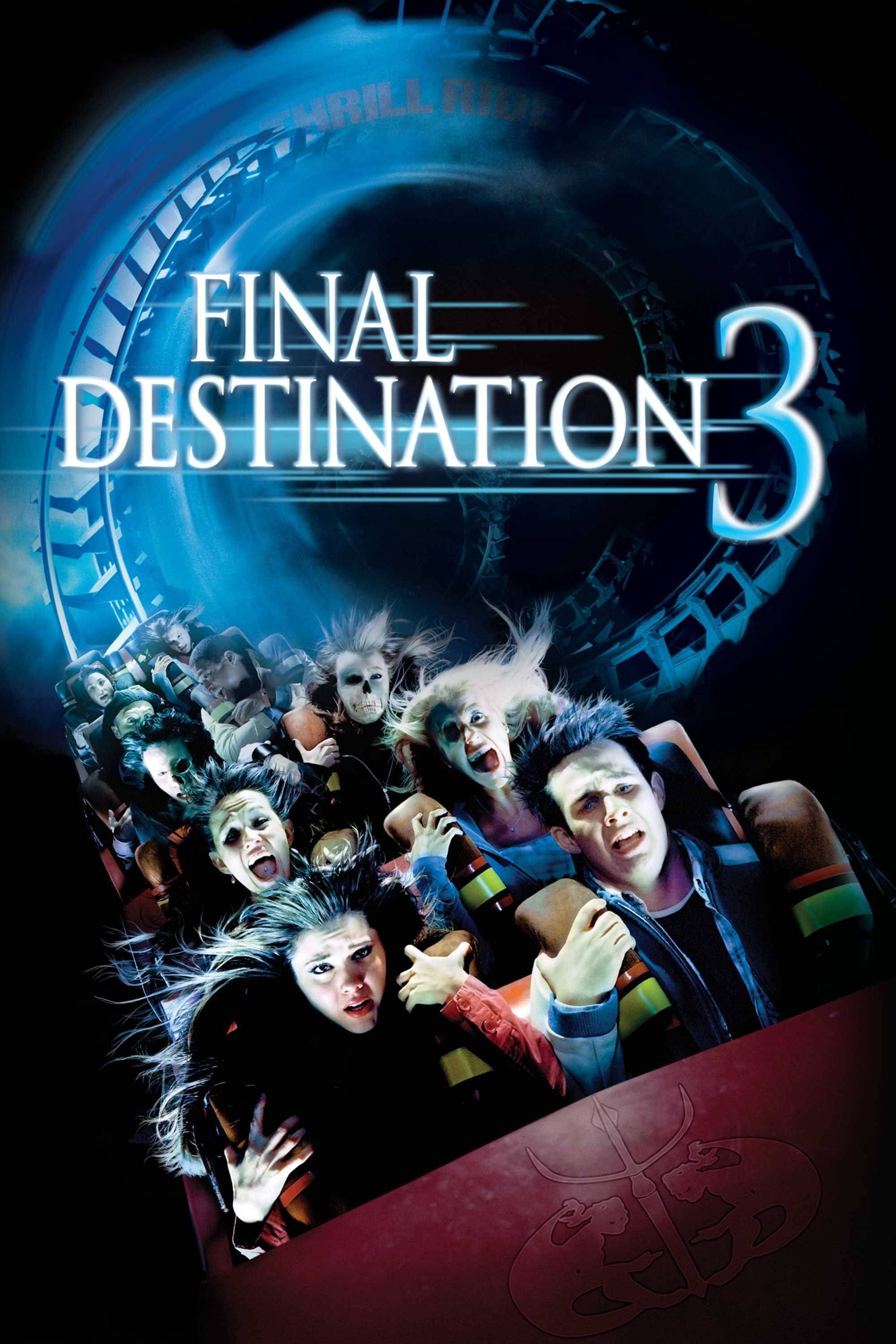
The Final Destination series occupies a unique space in the horror genre, focusing on "Rube Goldberg-esque" supernatural deaths rather than traditional slasher villains. The R-rating is consistently applied across all five installments—Final Destination (2000), Final Destination 2 (2003), Final Destination 3 (2006), The Final Destination (2009), and Final Destination 5 (2011)—due to specific content triggers.
The primary factors influencing these ratings include:
- Graphic Visceral Content: Each film features elaborate death sequences that include dismemberment, impalement, and crushing injuries. The visual presentation is highly realistic, often focusing on the anatomical consequences of the accidents.
- Psychological Tension: The franchise relies heavily on the concept of "avoiding death," which creates prolonged sequences of extreme anxiety and suspense that can be unsettling for younger or more sensitive audiences.
- Thematic Maturity: Beyond the gore, the series explores themes of nihilism, the inevitability of death, and existential dread. These complex subjects are often framed through dialogue that assumes an adult level of comprehension.
Breakdown of Content Concerns by Film
While all five films carry the R-rating, the level of intensity varies slightly depending on the specific production team and the era in which the film was released.
| Film Title | Release Year | Primary Content Warning |
|---|---|---|
| Final Destination | 2000 | Strong violence, intense psychological distress |
| Final Destination 2 | 2003 | Extreme gore, highway carnage, intense imagery |
| Final Destination 3 | 2006 | Brutal accidents, adult language, thematic intensity |
| The Final Destination | 2009 | Enhanced 3D gore, frequent dismemberment |
| Final Destination 5 | 2011 | Precision-based surgical and structural violence |
Evaluating Readiness: Is Your Teenager Prepared?
As of 2026, media literacy experts and psychologists suggest that age ratings are baseline guidelines rather than strict developmental milestones. When deciding if your teenager is ready for the Final Destination franchise, parents should evaluate several behavioral indicators:
- Tolerance for Horror Logic: Can the viewer distinguish between a fictional supernatural premise and real-world safety hazards? The Final Destination films often trigger a temporary fear of everyday objects (fans, elevators, plumbing).
- Emotional Regulation: Consider how the teenager typically reacts to high-stress media. If the viewer is prone to nightmares or high anxiety, the specific "inescapable" nature of the deaths in this franchise may be counter-productive to their entertainment needs.
- Peer Context: Often, teenagers express interest in the franchise due to its status as a "cult classic" in the horror genre. Viewing it as a shared experience within a mature group setting is vastly different from isolated consumption.
Comparing Final Destination to Other Horror Sub-genres
To provide further context on the intensity level, it is helpful to compare the Final Destination series against other common horror ratings. Understanding these distinctions helps parents calibrate their expectations for what their household considers "too much."
Horror Content Hierarchy
PG-13 Horror: Typically features "jump scares," minimal blood, and suspense-driven narratives. Examples include The Ring or The Sixth Sense. These are generally acceptable for early teenagers with parental consent.
R-Rated Slasher: Often focused on human antagonists. These films rely on suspense and intensity, with gore levels that vary widely.
R-Rated Supernatural/Gore-Focused (Final Destination): These are specifically designed to showcase creative and gruesome fatalities. They lack the "slasher" trope of a singular villain, making the violence feel more random and ever-present, which can be psychologically more taxing for some viewers than a traditional monster movie.
Addressing Common Parent and Viewer Inquiries
Why are these movies rated R instead of PG-13?
The MPA assigns the R-rating because the death sequences in Final Destination are sustained, realistic, and focused on the gore itself rather than the implication of violence. A PG-13 film must usually cut away before the impact or minimize the blood shed, whereas this franchise lingers on the mechanics of the fatality.
Are there versions of these films that are safer for younger viewers?
No. There are no official "edited for television" versions of the Final Destination films that remove the core graphic nature of the deaths while retaining the narrative, as the deaths are the primary feature of the film's structure. Any broadcast versions are heavily censored, often losing the narrative coherence of the plot.
Does the 3D version of the fourth film make it more intense?
Yes. The Final Destination (2009) was specifically filmed to utilize 3D effects to propel debris and gore into the audience's field of vision. This intentional design increases the visceral impact, making the 3D version significantly more intense than the standard 2D home viewing experience.
Can these films lead to long-term phobias?
While there is no clinical evidence suggesting that watching a film causes lasting phobias in healthy, well-adjusted teens, the "death design" element of these films is frequently cited by viewers as causing temporary hyper-vigilance regarding household objects and public infrastructure.
Strategic Recommendations for Media Consumption
If you determine that your household will permit viewing of the Final Destination series, follow these best practices for a controlled experience in 2026:
- Co-Viewing: The most effective way to monitor the impact is to watch the film with your teenager. This allows for immediate dialogue to debrief the content and normalize the experience.
- Establish Hard Stops: If the tension becomes overwhelming, do not hesitate to pause or stop the film. The pacing of these movies is designed to be relentless; breaking the cycle is a valid management strategy.
- Prioritize Viewing Context: Avoid watching these films immediately before bed, as the suspenseful nature of the scenes can disrupt sleep cycles, even in mature teens.
- Resource Utilization: Utilize online parental guide databases that offer timestamped breakdowns of graphic scenes. This allows you to identify which specific segments might be problematic for your child and skip those moments as needed.
By focusing on the maturity of the themes and the specific nature of the gore-heavy production, parents can make informed decisions that respect the artistic intent of the filmmakers while protecting the emotional well-being of the viewer. Evaluate the maturity of your teen against the franchise's emphasis on graphic, unavoidable accidents rather than simple narrative horror. If concerns persist, err on the side of caution and wait until the viewer is closer to the intended adult audience demographic.
Image Gallery