The Historical Record of the Black Dahlia Investigation and Associated Photographic Evidence
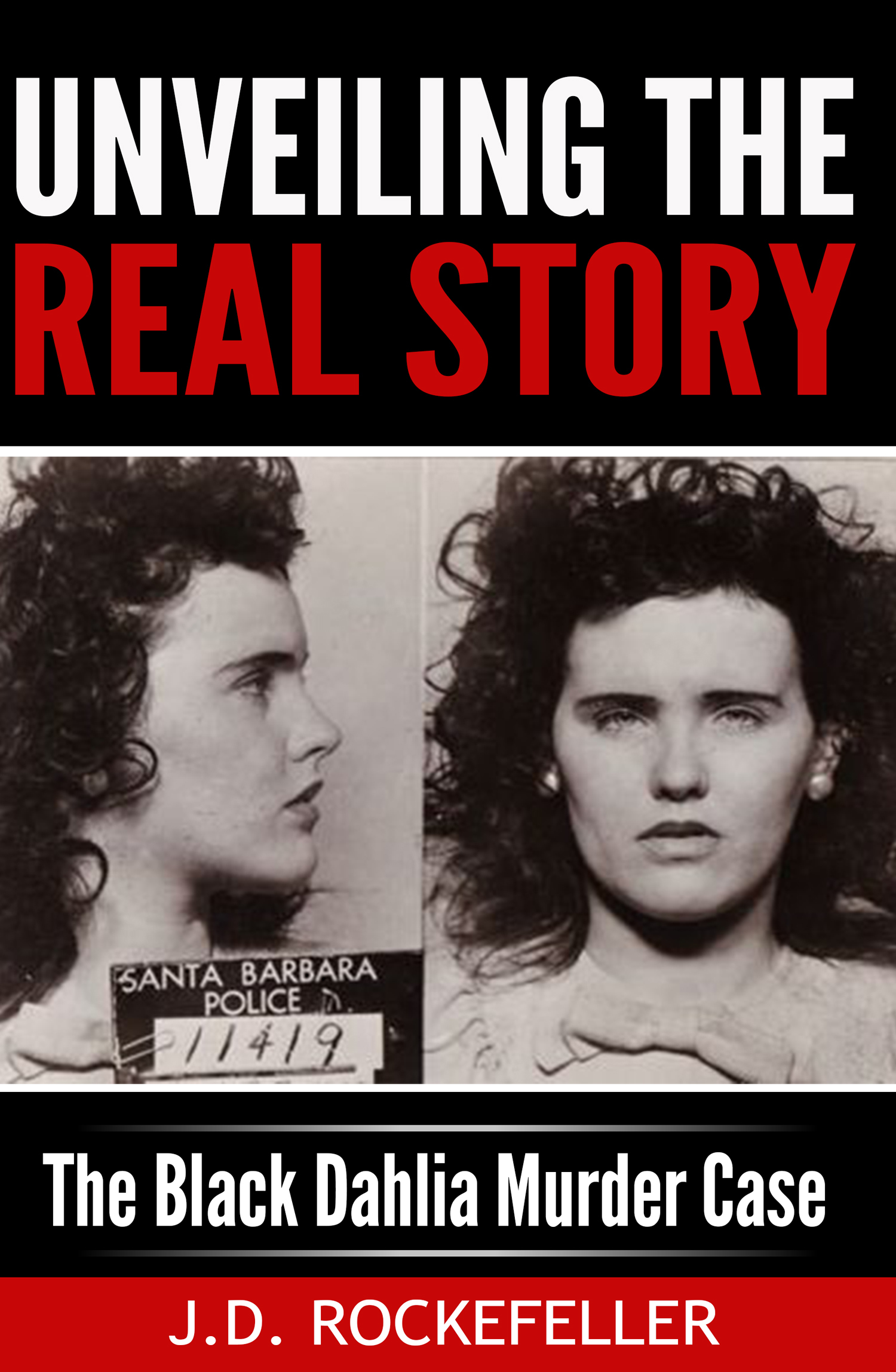
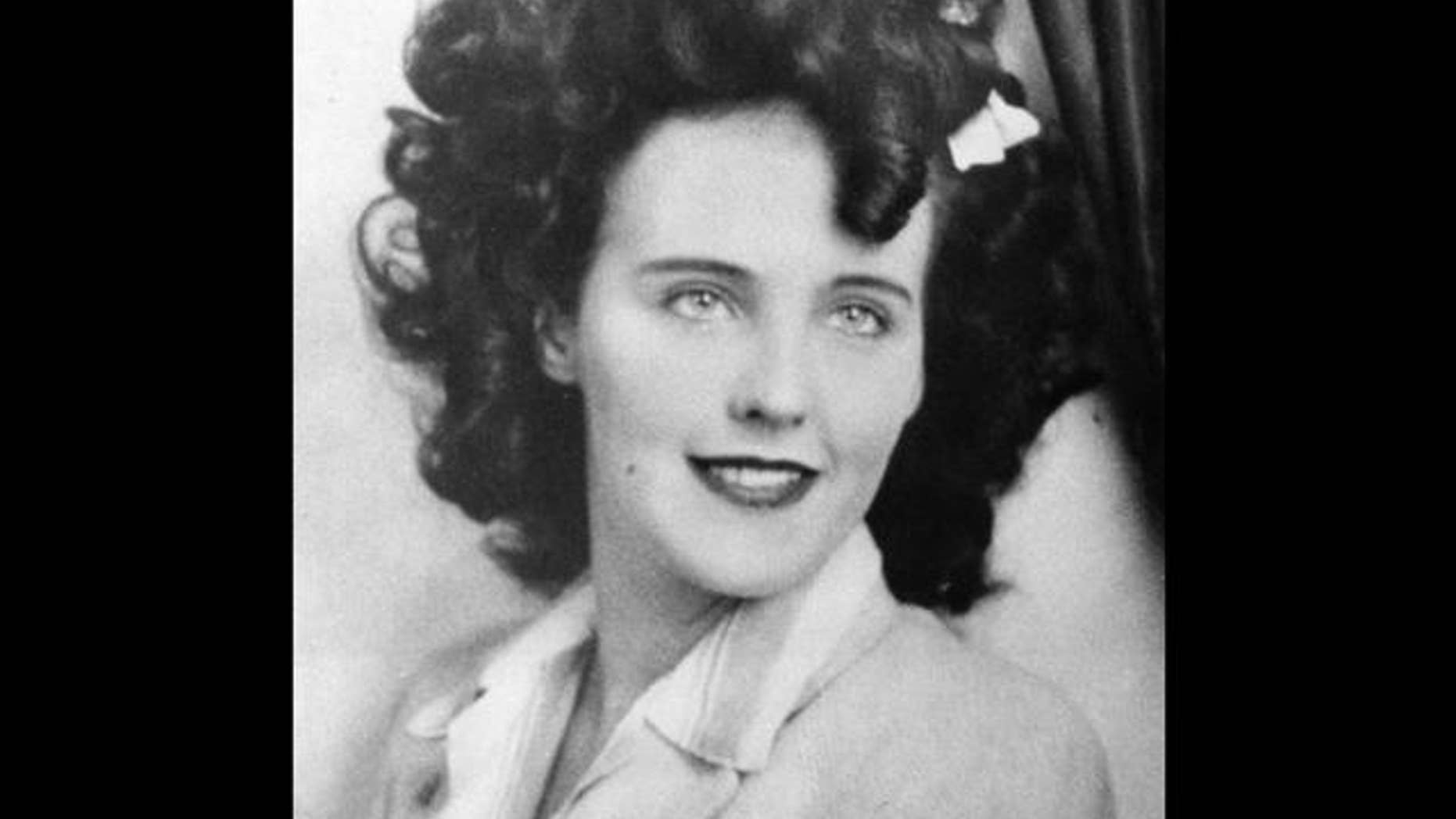
The term "black dahlia death pictures" refers to the crime scene and autopsy photographs associated with the 1947 murder of Elizabeth Short in Los Angeles. These images are considered historical artifacts of one of America's most famou...
The term "black dahlia death pictures" refers to the crime scene and autopsy photographs associated with the 1947 murder of Elizabeth Short in Los Angeles. These images are considered historical artifacts of one of America's most famous unsolved cold cases; they remain under the jurisdiction of the Los Angeles Police Department’s archives.
Contents
Historical Context of the Elizabeth Short Murder
The investigation into the death of 22-year-old Elizabeth Short remains a foundational study in American criminal history. On January 15, 1947, her body was discovered in a vacant lot in the Leimert Park neighborhood of Los Angeles. The brutality of the crime, characterized by the bisection of the victim’s body and the lack of forensic evidence available at the time, turned the case into a media sensation.
During the late 1940s, forensic photography was evolving. The images captured by law enforcement photographers and the press were intended to document the crime scene for investigative purposes. Because these photographs represent a violent crime and are considered sensitive historical material, access to the original, uncensored versions is strictly controlled by the Los Angeles Police Department (LAPD) and local historical archives.
Forensic Documentation and Investigative Standards
In 1947, the lack of modern DNA profiling, advanced ballistics, and computerized databases meant that investigators relied heavily on traditional surveillance, witness interviews, and physical evidence collection. The crime scene photographs were critical for:
- Establishing the timeline of the victim's final movements.
- Documenting the precise positioning of the remains at the Leimert Park site.
- Assessing the signature of the assailant to determine potential links to other unsolved crimes.
Archival Preservation Protocols The physical negatives and prints related to the Black Dahlia case are housed within the LAPD’s internal files. As of 2026, these materials are maintained under stringent conditions to prevent degradation. Requests for public viewing are generally denied to protect the privacy of the victim’s surviving family and to adhere to institutional policies regarding graphic evidence.
Comparison of Investigative Methods: 1947 vs. 2026
The following table outlines the contrast between the investigative capabilities of the mid-20th century and contemporary forensic standards.
| Feature | 1947 Investigative Reality | 2026 Forensic Capability |
|---|---|---|
| Forensic Evidence | Limited to latent fingerprints and blood typing | Rapid DNA analysis and genetic genealogy |
| Surveillance | Manual observation and witness testimony | Integrated CCTV and digital footprint analysis |
| Database Access | Paper-based filing systems | Real-time global law enforcement integration |
| Image Analysis | Standard film photography and manual processing | AI-enhanced image restoration and spatial analysis |
Ethical Considerations of True Crime Imagery
The widespread interest in the "Black Dahlia" images highlights a persistent tension between historical research and the ethical treatment of crime victims. The consumption of graphic crime imagery has sparked significant debate in modern digital archives. Experts in historical preservation emphasize the following points regarding the handling of such materials:
- Victim Advocacy: The focus on the graphic nature of the crime often overshadows the humanity of the victim, leading to a loss of perspective in true-crime analysis.
- Archival Integrity: Historical institutions must balance the public's right to information with the obligation to maintain the dignity of the deceased.
- Digital Responsibility: In the 2026 media landscape, the unauthorized dissemination of crime scene photographs is often monitored by copyright and privacy laws to prevent the exploitation of historical tragedy.
Frequently Asked Questions Regarding the Case
Are the Black Dahlia crime scene photos available for public purchase? No, these photographs are the property of the Los Angeles Police Department. They are not authorized for commercial sale, and any imagery found online is often subject to copyright claims or ethical restrictions.
Why is this case still considered a significant subject of study? The Black Dahlia murder serves as a case study for the limitations of mid-century forensic science and the role of yellow journalism in shaping public perception of law enforcement.
Did modern technology ever solve the case? Despite numerous theories and attempts by amateur investigators to apply modern techniques to old evidence, the case remains officially unsolved. No definitive forensic match has been established through modern testing.
Where can one find verified historical information about the case? Official records are held by the Los Angeles Police Museum and the archives of the Los Angeles Public Library. These institutions provide the most accurate, vetted documentation of the event.
Is it legal to distribute these images? The distribution of graphic crime scene imagery is governed by regional privacy laws and institutional copyright. While historical facts are public domain, the specific photographic negatives remain protected assets of their respective archives.
Conclusion and Research Recommendations
For those interested in the historical and forensic aspects of the Elizabeth Short investigation, the best approach is to consult the official documentation provided by recognized legal and historical organizations. Avoiding speculative or tabloid-focused sources ensures that the information retrieved is accurate and respects the gravity of the case. Researchers are encouraged to utilize resources provided by the Los Angeles Police Museum to understand the technical challenges faced by investigators in 1947 rather than focusing on the sensationalist aspects of the crime.
Image Gallery