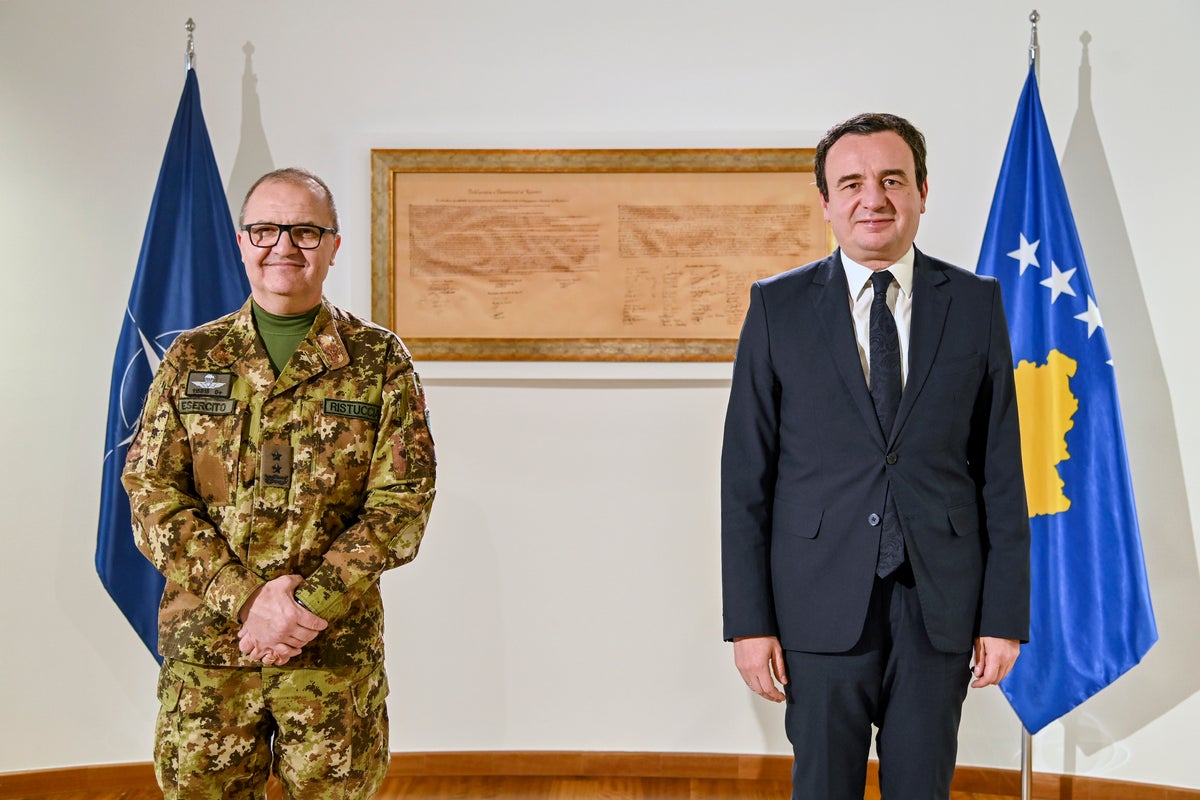
Kosovo NATO: Understanding the Security Mandate and Regional Stability in 2026
The presence of NATO in Kosovo is defined by the Kosovo Force (KFOR), a NATO-led international peacekeeping mission tasked with maintaining a secure environment and freedom of movement. As of 2026, KFOR continues to operate under the U...
The presence of NATO in Kosovo is defined by the Kosovo Force (KFOR), a NATO-led international peacekeeping mission tasked with maintaining a secure environment and freedom of movement. As of 2026, KFOR continues to operate under the United Nations Security Council Resolution 1244, serving as a critical guarantor of stability amidst ongoing political negotiations and regional geopolitical tensions.
Contents
The Foundation of the KFOR Mission
The North Atlantic Treaty Organization (NATO) initiated its peacekeeping operation in Kosovo in June 1999, following a 78-day air campaign aimed at ending the humanitarian crisis and large-scale displacement of civilians. The mission was established under the authority of the United Nations, which remains the foundational framework for the KFOR mandate today.
Throughout its existence, KFOR has evolved from a large combat-ready force into a smaller, more agile capability-based force. By 2026, the mission remains focused on:
- Security Maintenance: Ensuring a safe and secure environment for all communities living in Kosovo, regardless of their ethnic background.
- Freedom of Movement: Guaranteeing that all citizens can traverse the territory without intimidation or obstruction.
- Support for Dialogue: Providing a secure space for the EU-facilitated Belgrade-Pristina Dialogue, which seeks to normalize relations between the two parties.
- Institutional Capacity Building: Supporting the development of local security organizations, including the Kosovo Police and the Kosovo Border and Boundary Police, through mentoring and training.
Operational Structure and Troop Contribution
KFOR is not a static static entity; it is a multinational force comprising personnel from both NATO member states and partner countries. The tactical structure is designed to respond rapidly to any potential security breaches. In 2026, the force remains divided into regional commands that monitor the border, maintain presence in major urban centers, and protect cultural and religious heritage sites.
The following table summarizes the primary operational pillars of the KFOR mission:
| Operational Pillar | Primary Objective | Strategic Importance |
|---|---|---|
| Situational Awareness | Monitoring ethnic tensions | Early warning for potential instability |
| Border Security | Prevention of illicit trafficking | Regional border integrity and stability |
| Public Order Support | Backing the Kosovo Police | Maintains law and order during civil unrest |
| Liaison and Monitoring | Community engagement | Builds trust between KFOR and local populations |
The Role of KFOR in Regional Geopolitics
In 2026, the security environment in the Western Balkans remains complex. KFOR serves as the "third responder" in the security architecture of Kosovo. This means that the Kosovo Police are the first responders to incidents, followed by the European Union Rule of Law Mission (EULEX) as the second, with KFOR intervening only if the security situation risks deteriorating beyond the capacity of the first two responders.
The presence of NATO remains a point of contention for some regional actors while being viewed as an essential deterrent by others. NATO’s policy remains one of neutrality regarding the status of Kosovo, focusing exclusively on the security mandate as defined by the international community.
Evolution of Mandate Responsibilities
Since its inception, the mission has moved through several distinct phases. During the early 2000s, the focus was heavily on disarmament and reconstruction. By the 2010s, the focus shifted toward "deterrent presence." In 2026, the mission emphasizes "proactive monitoring" and high-readiness response capabilities.
Key activities for the 2026 operational year include:
- Joint Exercises: Conducting frequent tactical training sessions to ensure multinational interoperability.
- Infrastructure Security: Maintaining oversight of critical infrastructure, including electrical grids and major transportation arteries, to prevent sabotage.
- Diplomatic Facilitation: Providing a secure, neutral environment for international negotiators to conduct high-level meetings between representatives from Belgrade and Pristina.
Challenges to Peace and Stability
Despite the long-term presence of NATO forces, several challenges persist in 2026. These include intermittent political impasses, rhetoric that can fuel ethnic tensions, and the ongoing need for a comprehensive, legally binding agreement between Kosovo and Serbia.
- Political Sensitivity: Issues surrounding license plates, energy billing in northern municipalities, and the establishment of municipal associations continue to test the endurance of the local peace.
- Information Warfare: Managing the influence of external actors who seek to disrupt Euro-Atlantic integration efforts in the Balkans.
- Community Relations: The requirement to maintain professional, unbiased relationships with both the majority and minority ethnic communities to ensure the mission retains its legitimacy.
Frequently Asked Questions
What is the current primary role of NATO in Kosovo? The primary role of NATO through KFOR is to ensure a safe and secure environment and freedom of movement for all people in Kosovo. It acts as a third-tier security provider, intervening only when requested or when the local police and EULEX are unable to maintain order.
Does KFOR have a timeline for its departure? KFOR does not have a fixed exit date. Its presence is based on conditions on the ground rather than a calendar. The transition to a "success" state depends on the normalization of relations between Belgrade and Pristina and the stabilization of the regional security environment.
How does KFOR interact with the Kosovo Police? KFOR maintains a close liaison with the Kosovo Police. They conduct joint patrols and share intelligence regarding security threats. KFOR provides tactical support and monitoring to ensure that the police forces are operating in accordance with international human rights standards.
Is NATO’s presence in Kosovo related to its membership status? No, NATO's presence in Kosovo is a peacekeeping mission mandated by the UN, not a defense of a member state. Kosovo is not a NATO member, and NATO’s involvement is strictly focused on maintaining peace and security under the existing UN Resolution 1244.
Why is the 2026 security environment considered significant? The year 2026 is critical as it marks a period where the region is attempting to balance the integration of the Western Balkans into European frameworks against persistent historical grievances. KFOR plays a vital role in preventing these tensions from escalating into direct conflict.
Recommendations for Future Stability
To ensure long-term regional security, the international community continues to emphasize that the solution to the "Kosovo question" is political, not military. NATO’s role is to provide the time and space for these political processes to mature. Stakeholders interested in the ongoing status of the mission should monitor updates from the official KFOR website and NATO’s regional briefing pages, which provide transparent data on troop numbers and mission objectives. As the situation evolves, the mission will continue to adjust its force posture to address contemporary threats, ensuring that Kosovo remains a stable zone within the broader European security landscape.
Image Gallery