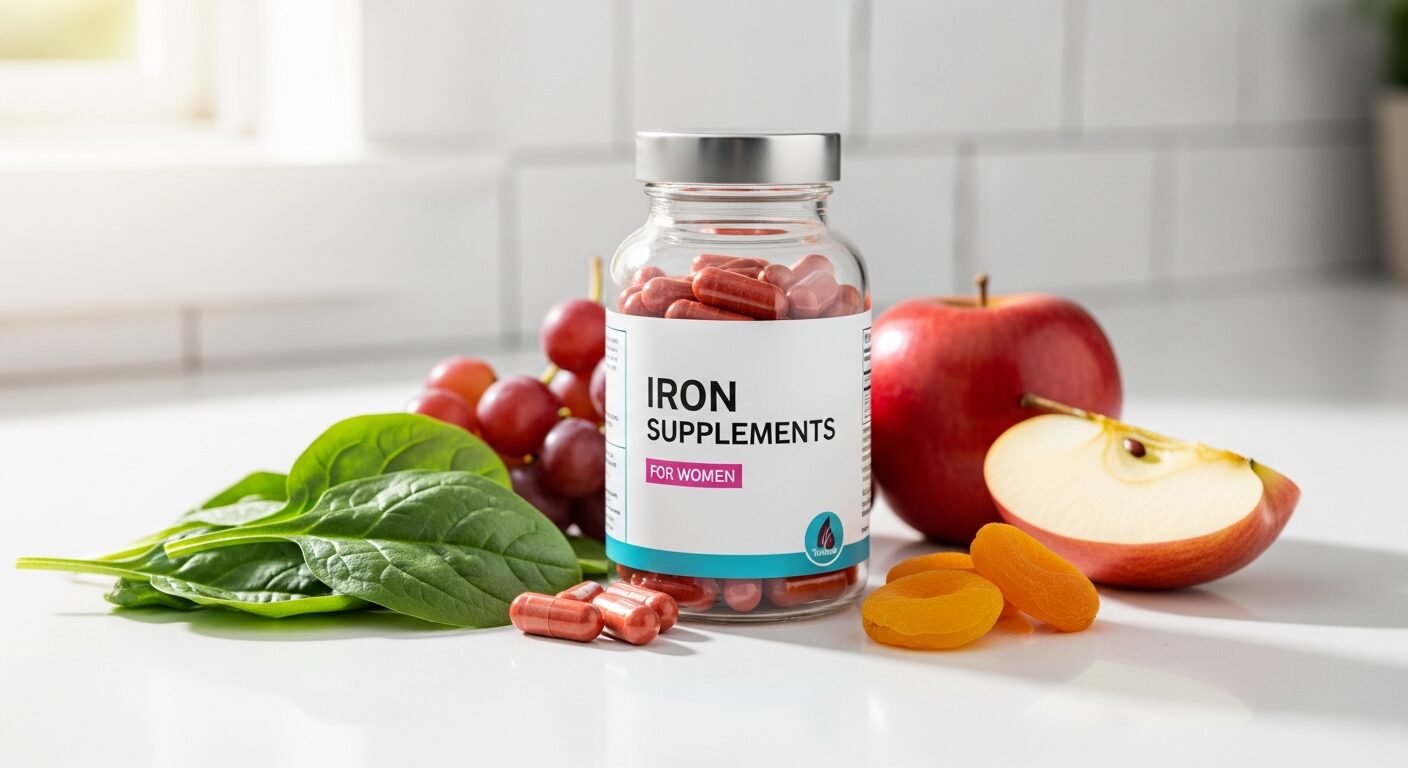
The Best Womens Iron Supplement for Health and Budget: A Comprehensive Guide
Finding the best womens iron supplement for health and budget requires balancing elemental iron potency, gastrointestinal tolerance, and cost-per-serving value. For women experiencing fatigue, heavy menstrual cycles, or iron-deficiency...
Finding the best womens iron supplement for health and budget requires balancing elemental iron potency, gastrointestinal tolerance, and cost-per-serving value. For women experiencing fatigue, heavy menstrual cycles, or iron-deficiency anemia, selecting an affordable yet bioavailable option prevents nutritional gaps without straining daily living expenses.
Contents
Iron deficiency remains one of the most common nutritional disorders globally, disproportionately affecting menstruating women, pregnant individuals, and endurance athletes. When dietary modifications fail to maintain adequate ferritin and hemoglobin levels, oral supplementation becomes necessary. However, the market is crowded with options ranging from cheap drugstore ferrous sulfate to expensive, branded, slow-release formulas. Navigating this landscape safely requires understanding how different iron salts affect absorption, why certain formulations cause digestive distress, and how to identify cost-effective products that meet daily nutritional guidelines without hidden financial burdens or unwanted side effects.
Understanding Iron Needs and Deficiency in Women
Women have distinct physiological requirements for iron due to regular blood loss from menstruation, increased blood volume expansion during pregnancy, and demands postpartum. The Recommended Dietary Allowance (RDA) for premenopausal women aged 19 to 50 is set at 18 milligrams (mg) per day, whereas pregnant women require 27 mg daily. Postmenopausal women see their requirement drop to 8 mg per day, mirroring the needs of adult men.
Despite these guidelines, dietary intake often falls short. Plant-based diets, heavy periods, gastrointestinal disorders like celiac disease or inflammatory bowel disease, and intense physical training elevate the risk of depletion. Left unchecked, low iron progresses from depleted storage ferritin to iron-deficiency anemia (IDA), manifesting as chronic fatigue, weakness, pale skin, shortness of life, brittle nails, and frequent headaches. Before purchasing any supplement, blood testing ordered by a physician—specifically checking serum ferritin, serum iron, and complete blood count (CBC)—remains the gold standard for confirming a genuine deficiency rather than guessing based on symptoms alone.
Evaluating Iron Supplement Formulations: Forms Matter Most
Not all iron supplements are created equal. The chemical compound bound to the iron molecule dictates how well the body absorbs it and how likely it is to cause side effects such as constipation, nausea, abdominal cramping, and dark stools. When balancing health and budget, consumers must weigh bioavailability against tolerability.
Ferrous Sulfate
Ferrous sulfate is the most common, traditional, and cost-effective form found on pharmacy shelves. It provides a high percentage of elemental iron per pill, making it exceptionally budget-friendly. However, it is notorious for causing gastrointestinal side effects because a large amount of unabsorbed iron remains in the gut lumen, irritating the mucosal lining.
Ferrous Gluconate and Ferrous Fumarate
Ferrous gluconate contains a lower percentage of elemental iron, meaning consumers might need to take larger pills or more frequent doses to reach the same target. Because of the lower elemental concentration, it is often gentler on the stomach than ferrous sulfate. Ferrous fumarate sits between sulfate and gluconate in terms of elemental iron percentage and cost-effectiveness, offering a reasonable middle ground for budget-conscious buyers seeking moderate tolerance.
Carbonyl Iron and Polysaccharide Iron Complex (PIC)
Carbonyl iron consists of microscopic spheres of nearly pure iron that dissolve slowly in stomach acid, reducing toxicity risk and gastric irritation, though it typically commands a higher price tag. Polysaccharide iron complex suspends iron in a sugar-protein matrix, allowing for steady absorption with lower rates of constipation. While easier on sensitive stomachs, these specialized formulations are rarely the cheapest options per serving.
Key Factors in Balancing Health and Budget
Purchasing an economical iron supplement should never mean compromising on safety, purity, or efficacy. Discerning shoppers evaluate several critical variables before committing to a bottle.
Cost-Per-Serving Calculation
The sticker price on a supplement bottle can be deceptive. A large bottle costing twenty dollars may seem expensive compared to a five-dollar bottle, but if the large bottle contains two hundred servings and the small bottle contains thirty, the cost per serving of the larger container is significantly lower. Savvy buyers always calculate the price per pill or per milligram of elemental iron.
Third-Party Testing and Quality Control
Dietary supplements lack pre-market approval from regulatory bodies like the U.S. Food and Drug Administration (FDA) for efficacy, though manufacturers must adhere to current Good Manufacturing Practices (cGMP). To ensure safety, heavy metal contamination testing, and label accuracy, consumers should prioritize budget-friendly brands that undergo independent third-party verification from organizations such as U.S. Pharmacopeia (USP), NSF International, or ConsumerLab.com.
Additives and Synergistic Nutrients
Some inexpensive supplements are formulated with vitamin C (ascorbic acid), which significantly enhances non-heme iron absorption by reducing ferric iron to ferrous iron in the acidic environment of the stomach. Conversely, cheap fillers, artificial dyes, and common allergens (such as gluten, soy, or dairy) may be present in generic brands, requiring label scrutiny for individuals with sensitivities.
Comparison of Common Budget-Friendly Iron Types
| Iron Form | Average Cost Level | Elemental Iron % | Gastrointestinal Tolerance | Best Suited For |
|---|---|---|---|---|
| Ferrous Sulfate | Very Low ($) | High (~20%) | Low to Moderate | High budget sensitivity, robust digestion |
| Ferrous Gluconate | Low ($) | Lower (~12%) | Moderate | Mild deficiencies, sensitive stomachs |
| Ferrous Fumarate | Low to Moderate ($$) | High (~33%) | Low to Moderate | Rapid replenishment needs on a budget |
| Polysaccharide Iron | Moderate ($$) | Variable | High | Chronic constipation sufferers willing to pay slightly more |
Maximizing Absorption and Minimizing Side Effects
Even the best womens iron supplement for health and budget will fail to raise ferritin levels if taken incorrectly. Dietary factors heavily influence iron uptake in the gastrointestinal tract.
Enhancers and Inhibitors
Vitamin C is the single most effective dietary enhancer for iron absorption; taking an iron pill with a glass of orange juice or a citrus-based supplement can double or triple uptake rates. Conversely, calcium (found in dairy products and calcium supplements), tannins (found in coffee and black tea), phytates (found in whole grains and legumes), and polyphenols actively inhibit iron absorption. Supplements should ideally be taken on an empty stomach with water or vitamin C, spaced at least two hours apart from coffee, tea, calcium-rich meals, or antacids.
Managing Common Gastrointestinal Upset
Gastrointestinal side effects cause many women to abandon iron therapy prematurely. Starting with a lower dose every other day—supported by emerging clinical research showing that alternate-day dosing can actually improve fractional iron absorption and reduce inflammatory side effects like hepcidin spikes—offers a practical troubleshooting strategy. Hydration, increased dietary fiber, and gentle physical activity also mitigate supplement-induced constipation.
Frequently Asked Questions
Can I take my iron supplement with my morning coffee or tea?
No. Coffee, tea, and other polyphenol- or tannin-rich beverages bind to iron in the digestive tract, forming insoluble compounds that significantly reduce absorption. It is best to wait at least two hours before or after consuming these beverages to take an iron supplement.
Why do cheap iron supplements cause stomach cramps and constipation?
Budget-friendly options like ferrous sulfate release free iron ions rapidly in the upper gastrointestinal tract. These unabsorbed ions can irritate the mucosal lining, generate oxidative stress, and alter the gut microbiome, leading to cramping, nausea, and slowed bowel motility.
Is it necessary to take vitamin C with an iron supplement?
It is not strictly mandatory, but it is highly recommended. Vitamin C acts as a reducing agent that converts ferric iron into the more absorbable ferrous state, maximizing the efficiency of your supplement and allowing you to achieve therapeutic goals faster.
How long does it take for an iron supplement to correct a deficiency?
Reversing iron-deficiency anemia typically takes several months. While symptoms like fatigue may begin to improve within two to four weeks, replenishing depleted iron storage ferritin levels often requires three to six months of consistent supplementation under medical supervision.
Are gummies or liquid iron better than pills for budget buyers?
Gummies and liquids are generally more expensive per serving than traditional tablets or capsules. Furthermore, liquid iron can stain teeth, and gummies often contain lower elemental iron doses alongside added sugars, making them less ideal for strict health and budget optimization.
Conclusion and Next Actions
Selecting the best womens iron supplement for health and budget involves balancing cost, elemental concentration, and gastrointestinal tolerability. Standard ferrous sulfate or ferrous gluconate options offer unmatched affordability, provided they are paired with vitamin C and taken correctly to optimize absorption. Before initiating any supplementation regimen, consult a healthcare provider to verify iron deficiency through blood panels, rule out underlying medical conditions, and establish a safe, personalized dosage schedule.
Image Gallery