How to Fix Your Credit Rating: A Comprehensive Guide to Improving Your Score
Fixing your credit rating involves a systematic approach of identifying inaccuracies on your credit reports, disputing errors with the major credit bureaus, and implementing disciplined financial habits. By focusing on lowering your cr...
Fixing your credit rating involves a systematic approach of identifying inaccuracies on your credit reports, disputing errors with the major credit bureaus, and implementing disciplined financial habits. By focusing on lowering your credit utilization, ensuring 100% on-time payments, and strategically managing your account mix, you can see significant score improvements within six to twelve months.
Contents
A high credit rating is more than just a number; in 2026, it remains the primary gateway to affordable housing, competitive interest rates on auto loans, and even favorable terms on insurance premiums. While "quick fixes" are often marketed by predatory services, the reality of credit repair is grounded in federal law and personal financial management. Under the Fair Credit Reporting Act (FCRA), you have the right to an accurate credit report, and the tools to fix a damaged rating are available to every consumer for free.
Understanding the Components of Your Credit Rating
Before you can fix your credit, you must understand the architecture of the score itself. Most lenders in 2026 continue to rely on FICO and VantageScore models, which aggregate data from the three primary credit reporting agencies: Equifax, Experian, and TransUnion. These models weigh different aspects of your financial behavior to determine your risk level.
The most significant factor is your payment history, which typically accounts for 35% of your score. A single 30-day late payment can cause a significant drop, as it signals to lenders a potential breakdown in your ability to manage debt. Following this is credit utilization, accounting for 30%. This is the ratio of your outstanding balances to your total available credit limits. Lenders generally prefer to see this figure below 30%, though the highest scorers often keep it under 10%.
The remaining 35% is divided between the length of your credit history (15%), your credit mix (10%), and new credit inquiries (10%). Length of history rewards you for maintaining long-standing accounts, while credit mix looks for a healthy balance between revolving credit (like credit cards) and installment loans (like mortgages or student loans). New inquiries, particularly "hard pulls," can temporarily lower your score if you apply for multiple lines of credit in a short period.
| Credit Factor | Weight | Action to Improve |
|---|---|---|
| Payment History | 35% | Automate all minimum payments to avoid late fees. |
| Amounts Owed (Utilization) | 30% | Pay down high-balance cards or request limit increases. |
| Length of Credit History | 15% | Keep your oldest accounts open, even if not in active use. |
| Credit Mix | 10% | Maintain a variety of account types (revolving vs. installment). |
| New Credit | 10% | Limit hard inquiries to once every six to twelve months. |
Step 1: Accessing and Auditing Your Credit Reports
The first actionable step in fixing your credit rating is obtaining your official reports. By law, you are entitled to a free copy of your credit report from each of the three major bureaus. In 2026, the standard remains using AnnualCreditReport.com, the only site authorized by the Federal Trade Commission (FTC) for this purpose.
Once you have your reports, you must perform a line-by-line audit. Look for "identity errors," such as accounts that do not belong to you or incorrect addresses that might suggest identity theft. More subtle errors include "status errors," such as a debt marked as "delinquent" that was actually paid on time, or a "balance error," where an account shows a much higher balance than what you actually owe.
Pay close attention to the date of last activity. Most negative information, such as late payments, foreclosures, and repossessions, must be removed from your report after seven years. Chapter 7 bankruptcies stay for ten years. If you find negative items that have exceeded these legal timeframes, they are candidates for immediate removal through the dispute process.
Step 2: The Formal Dispute Process
If you identify inaccuracies, the next step is to file a formal dispute with the credit bureaus. While many bureaus offer online dispute portals, many consumer advocates recommend sending disputes via certified mail with return receipt requested. This creates a paper trail that is essential if you need to take further legal action under the FCRA.
When writing a dispute letter, be specific. Identify each item you are contesting, explain why it is incorrect, and provide supporting documentation, such as bank statements, cancelled checks, or letters from the creditor confirming an account was closed. The credit bureau generally has 30 to 45 days to investigate your claim. If they cannot verify the information with the creditor, they are legally required to remove or update the item.
It is important to note that you should also contact the furnisher (the bank or collection agency that provided the data) directly. Under the Consumer Financial Protection Bureau (CFPB) guidelines, furnishers have an equal responsibility to investigate and correct inaccurate data. Correcting the error at the source prevents the incorrect data from being re-reported to the bureaus in the next billing cycle.
Step 3: Managing Existing Debt and Utilization
Once the "noise" of inaccuracies is cleared, you must address the actual debt. The fastest way to see a score increase without removing negative items is by manipulating your credit utilization ratio. This is a mathematical calculation: if you have a $1,000 limit and a $900 balance, your utilization is 90%, which is viewed as high risk.
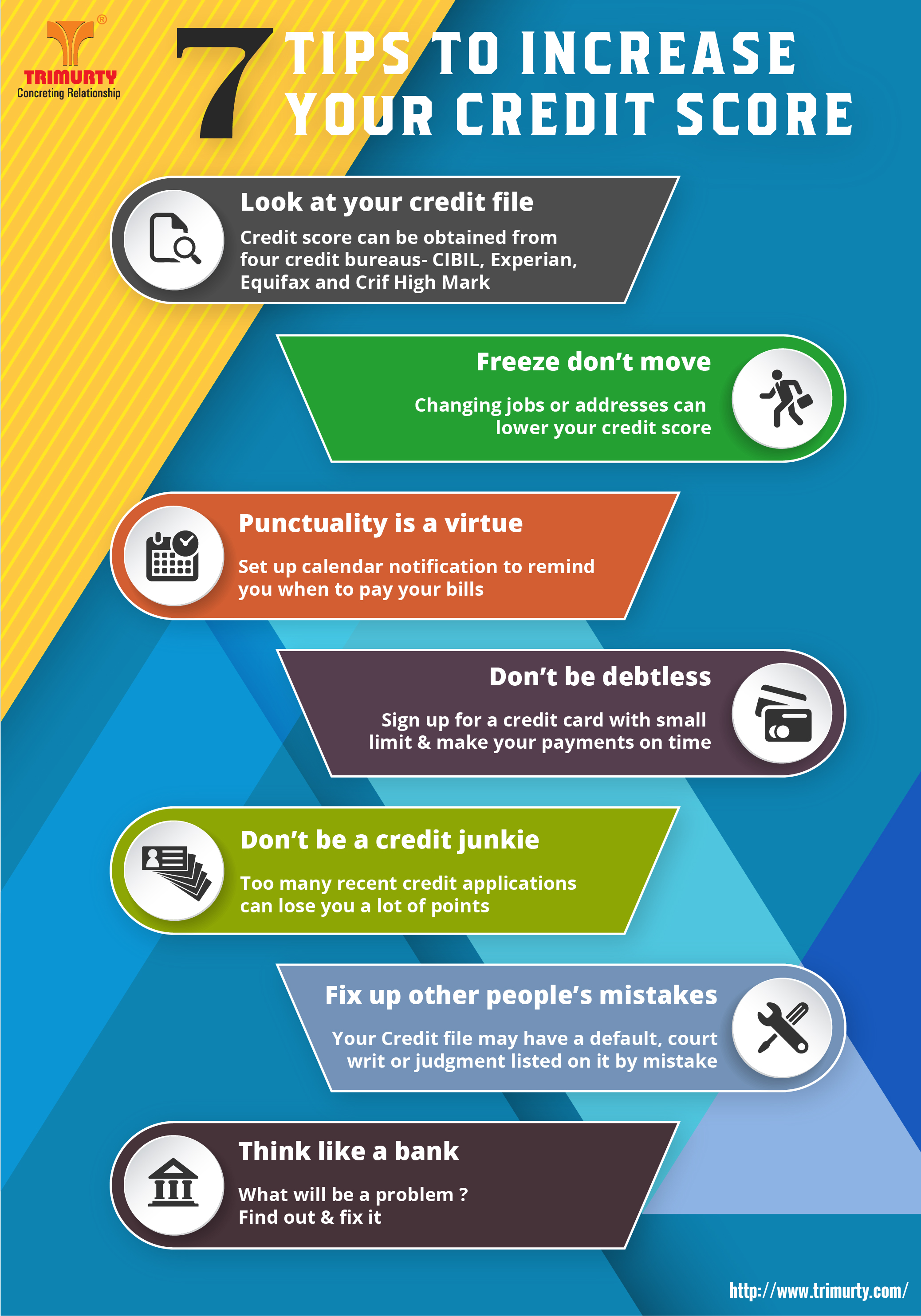
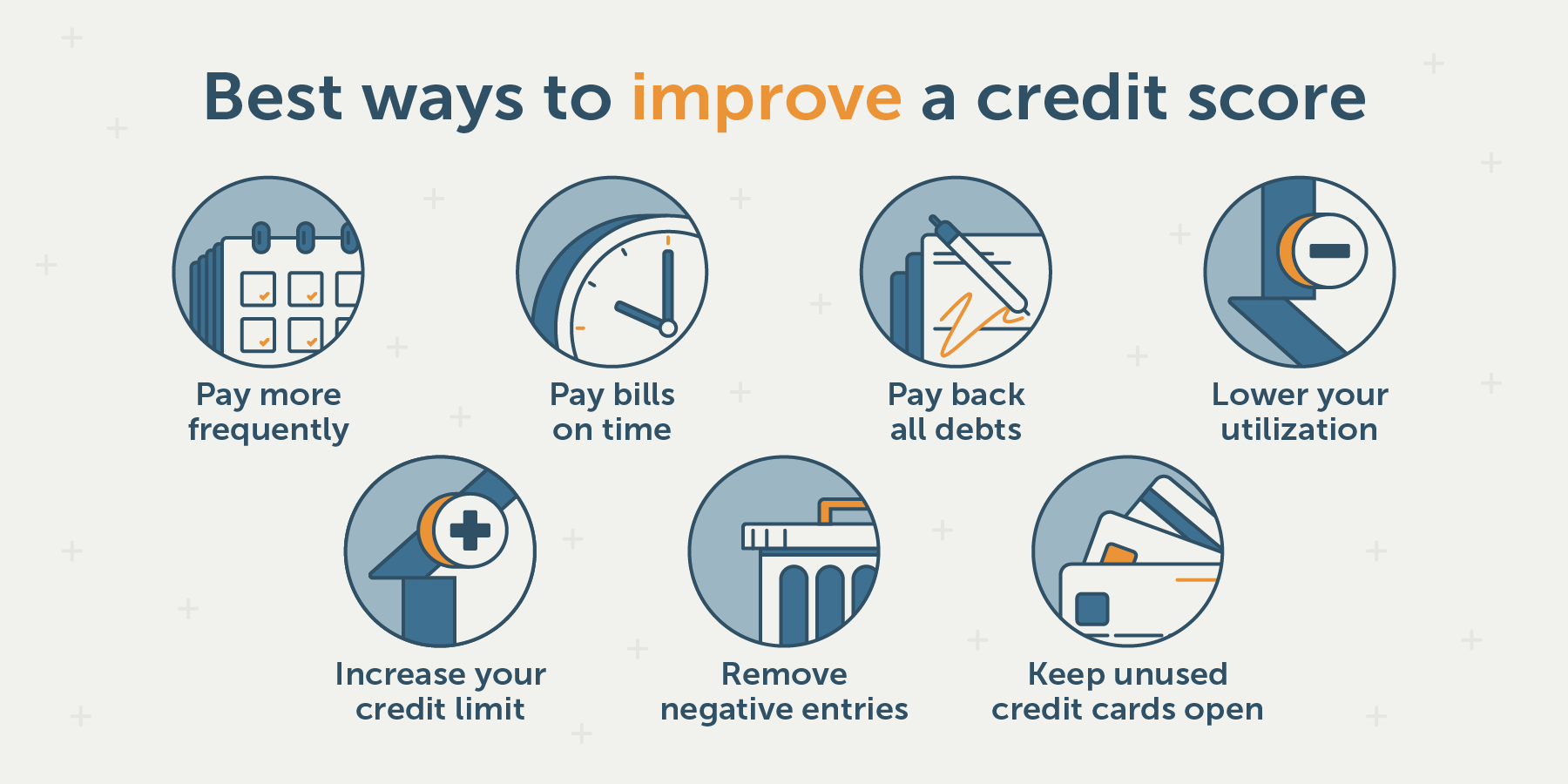
There are two ways to fix this: pay down the balance or increase the limit. If you have the capital, paying balances down to below 30% can result in a score jump within 30 days. Alternatively, you can call your credit card issuer and request a credit limit increase. If granted, this immediately lowers your utilization percentage, provided you do not spend into the new limit. However, be cautious: some issuers perform a "hard inquiry" to approve a limit increase, which could cause a minor, temporary dip in your score.
For those struggling with multiple high-interest debts, a debt consolidation loan might be appropriate. By moving high-interest credit card debt into a single installment loan, you effectively reduce your revolving credit utilization to zero. While you still owe the same amount of money, the scoring models treat installment debt more favorably than "maxed out" credit cards.
Step 4: Strategic Rebuilding of Credit
If your credit file is "thin" or heavily damaged, you may need to add positive information to outweigh the negatives. One of the most effective tools for this is a secured credit card. Unlike a standard card, a secured card requires a cash deposit that serves as your credit limit. Because the lender's risk is minimized by your deposit, these are often available to individuals with very low ratings. Using a secured card for small monthly purchases and paying it in full ensures a consistent stream of positive "on-time" payment data.
Another option is a credit builder loan, often offered by credit unions or online lenders like Self. With these loans, the money you "borrow" is held in a blocked savings account while you make monthly payments. Once the loan is paid off, the funds are released to you. The lender reports these monthly payments to the bureaus, building your payment history without the risk of overspending associated with a credit card.
For those with a trusted family member or friend, becoming an authorized user on an established account can provide a significant boost. When you are added to an account with a long history and a perfect payment record, that entire history may be reflected on your credit report. This "credit piggybacking" can be highly effective, but it requires that the primary cardholder maintains their good habits; if they miss a payment, it could negatively impact your score as well.
Addressing Collections and "Pay for Delete"
Dealing with accounts in collections requires a nuanced strategy. Simply paying a collection account does not necessarily remove it from your report; it merely changes the status to "Paid Collection." While this looks better to a human underwriter, many older scoring models do not see a score increase from a paid collection.
In some cases, you may negotiate a "Pay for Delete" agreement. This is an arrangement where the collection agency agrees to remove the account from your credit report entirely in exchange for full or partial payment. While many agencies are hesitant to do this because it conflicts with their contracts with the credit bureaus, it is a legal and often successful tactic. Always ensure you get this agreement in writing before sending any money.
If a debt is very old, check the statute of limitations for debt in your state. This is the legal timeframe during which a creditor can sue you for a debt. Once this period has passed, the debt is "time-barred." Be careful when communicating with collectors about old debt; in many jurisdictions, making even a small payment or acknowledging the debt in writing can "restart the clock" on the statute of limitations.
FAQs
How long does it take to fix a credit rating? There is no fixed timeline, but most consumers see changes within 30 to 90 days of starting the dispute process. Substantial score increases usually take six to twelve months of consistent on-time payments and lowered utilization. Removing a major negative item, like an erroneous bankruptcy, can result in an immediate and significant jump.
Can I fix my credit myself, or do I need a company? You can do everything a credit repair company does for free. Credit repair organizations often charge high monthly fees to send the same dispute letters you can write yourself. The law does not give these companies any special powers; they operate under the same FCRA rules available to you.
Will closing an old credit card help my score? Generally, no. Closing an old account reduces your overall available credit (increasing your utilization) and will eventually shorten your average age of accounts. Unless the card has an exorbitant annual fee, it is usually better to keep it open, even if you only use it once every few months to keep it active.
Does checking my own credit score lower it? No. When you check your own score through a service like Credit Karma or your bank's app, it is considered a "soft inquiry." Soft inquiries do not affect your credit rating. Only "hard inquiries" performed by lenders when you apply for credit can impact your score.
What should I do if a bureau refuses to remove an error? If a credit bureau verifies an item you know is incorrect, you can file a complaint with the CFPB. You also have the right to add a "consumer statement" of up to 100 words to your report, explaining your side of the dispute. If the error is significant, you may need to consult a consumer rights attorney to pursue a claim under the FCRA.
Recommended Next Actions
To begin fixing your credit rating today, go to AnnualCreditReport.com and download your reports from all three bureaus. Use a highlighter to mark any accounts you don't recognize, incorrect balances, or late payments that you believe were paid on time. Draft your dispute letters for these specific items immediately. Simultaneously, identify your highest-balance credit card and create a plan to pay it down to under 30% of its limit by your next billing cycle. This dual-pronged approach of cleaning up history while managing current debt provides the most reliable path to a higher score in 2026.
Disclaimer: This article provides general information and does not constitute legal or financial advice. Credit laws and scoring models may vary by jurisdiction and are subject to change. Consult with a qualified financial advisor or consumer attorney for specific guidance on your situation.
Image Gallery