Understanding the Significance of Mumford & Sons' Song "Wings"
While often confused with other tracks due to the band’s thematic consistency, "Wings" is a standout composition from the Mumford & Sons discography that explores deep-seated notions of identity, emotional vulnerability, and the search...
While often confused with other tracks due to the band’s thematic consistency, "Wings" is a standout composition from the Mumford & Sons discography that explores deep-seated notions of identity, emotional vulnerability, and the search for spiritual or personal flight. It serves as a quintessential example of the group’s early folk-rock aesthetic, characterized by driving acoustic instrumentation and introspective, literary lyricism.
Contents
The Origins and Artistic Context of "Wings"
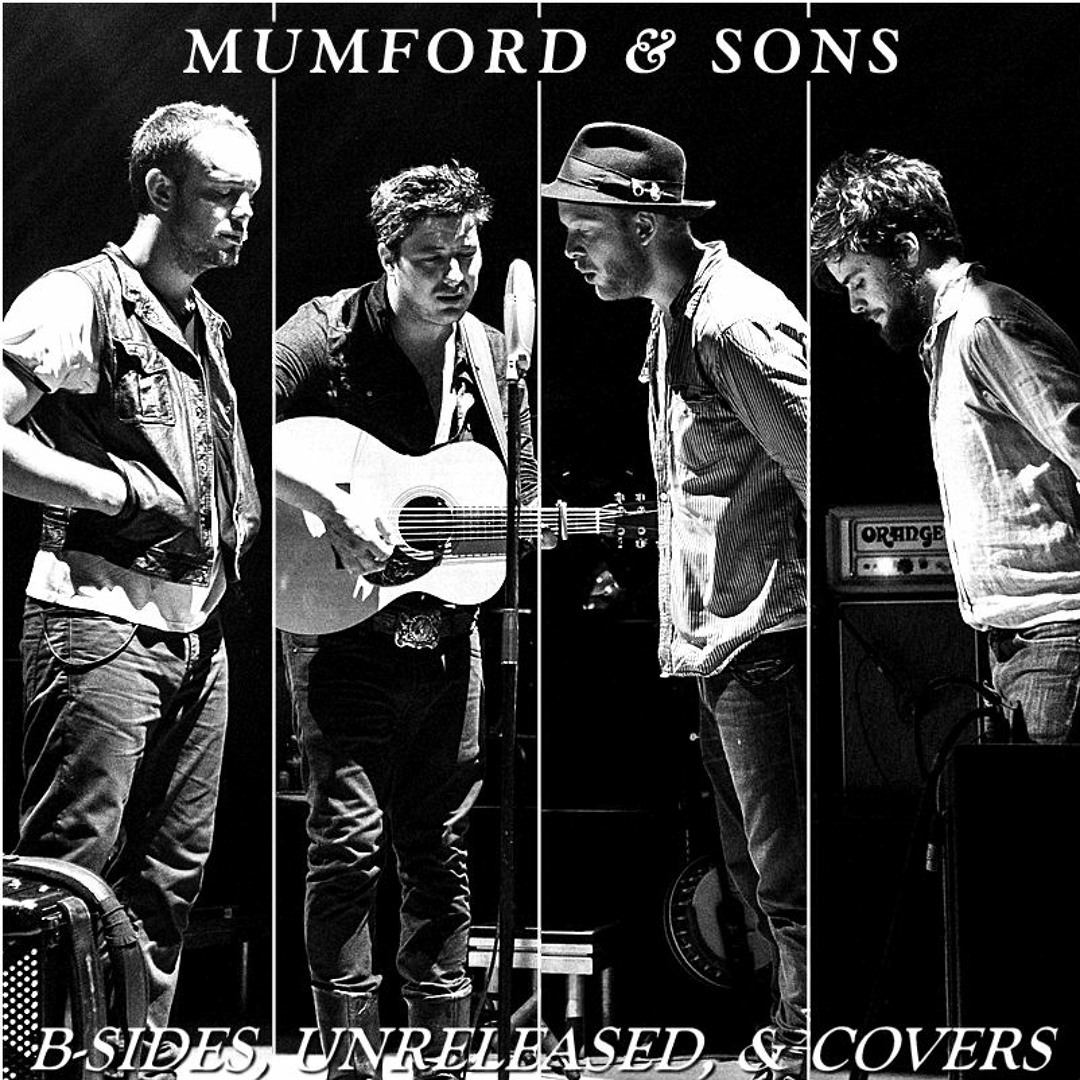
To appreciate "Wings," one must first situate it within the broader trajectory of Mumford & Sons. Formed in London in 2007, the band—comprising Marcus Mumford, Ben Lovett, Winston Marshall, and Ted Dwane—pioneered a revival of folk instrumentation in contemporary rock. Their sound is defined by the heavy usage of the banjo, upright bass, and kick drum, creating a high-energy "stomp-and-holler" style that captivated global audiences during the late 2000s and early 2010s.
"Wings" is often associated with the thematic depth found in their debut studio album, Sigh No More (2009). The track reflects the band's penchant for weaving existential questions with melodic hooks. Unlike songs that rely on simple narratives, "Wings" utilizes metaphorical imagery of flight and transcendence to describe the struggle of breaking free from past burdens or societal expectations. The song’s structure builds steadily, mirroring the lyrical theme of gradual ascent or realization.
Lyrical Analysis and Emotional Resonance
The lyrics of "Wings" resonate because they capture a universal human conflict: the tension between the desire for freedom and the weight of personal history. The song does not provide a roadmap for this journey but instead acts as a sonic mirror for the listener’s own frustrations and aspirations.
Key themes typically explored in the track include:
- Release and Liberation: The metaphorical "wings" represent the capacity to move beyond stagnant situations.
- Vulnerability: The acknowledgement of one's limitations is a necessary precursor to the "flight" described in the chorus.
- Persistence: The driving, rhythmic pulse of the song suggests that the process of finding one’s wings is an active, physical struggle rather than a passive event.
For long-time listeners, the song is a reminder of the band’s ability to marry traditional folk sensibilities with an arena-ready intensity. It captures a moment in time where the band successfully bridged the gap between intimate folk storytelling and the grandiosity of modern alternative rock production.
Musical Composition and Instrumentation
The technical execution of "Wings" is vital to its impact. The production highlights the interplay between the acoustic guitar and the banjo, which provides the rapid, percussive melodic lines that have become the band’s signature.
| Element | Role in "Wings" |
|---|---|
| Acoustic Guitar | Provides the harmonic foundation and chordal rhythm. |
| Banjo | Delivers the high-frequency melodic hooks and energy. |
| Kick Drum | Acts as the heartbeat, driving the tempo and emotional urgency. |
| Vocal Delivery | Ranges from hushed, intimate tones to powerful, belting crescendos. |
The evolution of the song's energy—starting with a singular, focused melody and expanding into a wall-of-sound arrangement—is a common technique in the band's repertoire. This structural approach allows the listener to experience the "wings" taking flight, moving from ground-level introspection to a cathartic, soaring finale.
Navigating Misconceptions and Ambiguity
It is common for fans to search for "Mumford and Sons wings" while inadvertently referring to other songs that share thematic overlaps. In the context of the band's discography, there is occasionally confusion with tracks like "The Cave," "Winter Winds," or even songs by other artists with similar titles.
"Wings" specifically remains an outlier in some digital archives because of how it was performed live versus in the studio. During live performances in the mid-2010s, the band often modified the tempo and added extended instrumental breaks, which occasionally obscured the original studio version for newer listeners. When searching for the track, it is essential to verify the album source, as early EPs and live sessions often feature variations that may differ from the definitive studio recording.
The Role of Instrumentation in Folk-Rock
The "stomp-and-holler" genre, of which Mumford & Sons were the primary architects, owes much of its success to the specific blend of instruments used in tracks like "Wings." The choice of an upright bass rather than an electric bass guitar gives the low end a woody, resonant quality that is less aggressive but more textured. This texture allows the acoustic instruments to cut through a mix even when played at a high volume.
Furthermore, the vocal harmonies, which are integral to "Wings," draw heavily from traditional choral and folk singing styles. These harmonies add a layer of communal experience to what is otherwise a deeply personal, solo narrative. By incorporating these elements, the song achieves a balance between the private sorrow of the narrator and the collective emotional release of the listener.
Practical Tips for Fans and Analysts
If you are looking to study or perform this piece, consider the following technical observations:
- Tempo Management: The song relies on a consistent, driving beat. Practicing with a metronome is essential to capture the intended urgency without rushing the transitions.
- Harmonic Complexity: While the chords may seem straightforward, the tension is created through syncopation and the dynamic swell of the instrumentation. Focus on the dynamics—the shift from soft to loud—rather than just the note accuracy.
- Lyrical Interpretation: When analyzing the lyrics, look for the connections between the specific imagery used (flight, wind, open spaces) and the underlying emotional state of the speaker. The song is best understood when the listener maps these metaphors to their own personal experiences.
Frequently Asked Questions
Is "Wings" considered one of the band’s most popular tracks? While not always cited as their primary hit, "Wings" is highly regarded by fans and critics as a quintessential example of the band's sound during their formative years. It is frequently included in live setlists due to its high energy and emotional impact.
How does "Wings" reflect the band's shift in musical style over the years? "Wings" represents the band's earlier, more traditional folk-influenced sound. As the band progressed into albums like Wilder Mind, they incorporated more electric instruments and synthesizers, but "Wings" remains a benchmark for their acoustic-based songwriting capabilities.
What is the best way to find the definitive version of the song? The most reliable way to find the definitive version is to refer to the official studio albums released between 2009 and 2012. Avoid unofficial live recordings if you are looking for the precise arrangement intended by the producers, as live versions are often subject to improvisation.
Are there legal or licensing considerations for using this song in projects? Yes. Like all compositions by Mumford & Sons, the song is protected under international copyright law. If you intend to use the track in a video, performance, or digital project, you must secure the appropriate licenses through the band’s publisher or the relevant performing rights organizations.
Why is there confusion regarding the title? The confusion stems from the common use of natural elements (wind, wings, caves, mountains) in the band's song titles, which often leads to misremembering the specific name of a track. Searching by the band's discography year is the most effective way to disambiguate the title.
Next Actions for Listeners and Researchers
For those looking to deepen their engagement with the music of Mumford & Sons, the best next step is to analyze the band's debut album, Sigh No More, in its entirety. By listening to the track within the context of the full album, you will gain a clearer understanding of how "Wings" contributes to the overarching narrative themes of the record. Additionally, reviewing the band’s official concert films from the 2011–2012 era provides an invaluable look at how these songs were physically realized on stage, revealing the raw energy that cemented the band's status in the modern folk-rock canon.
Image Gallery