San Diego Hula Classes: Finding the Right Hālau and Mastering Hawaiian Dance
San Diego offers a vibrant array of Hawaiian hula classes, ranging from traditional hālau hula (formal hula schools) focused on deep cultural preservation to accessible community center programs and fitness-oriented workshops. Dancers...
San Diego offers a vibrant array of Hawaiian hula classes, ranging from traditional hālau hula (formal hula schools) focused on deep cultural preservation to accessible community center programs and fitness-oriented workshops. Dancers of all skill levels across San Diego County can find instruction tailored to their age, physical readiness, and artistic goals, whether studying ancient chanter traditions or modern meles.
Contents
Cultural Foundations: Kahiko vs. ʻAuana
To choose the right hula class in San Diego, it is essential to understand the two primary forms of Hawaiian dance taught in traditional schools: Hula Kahiko and Hula ʻAuana. While both styles share foundational footwork and convey story through movement, they differ significantly in music, attire, instrumentation, and cultural protocol.
Hula Styles:
- Hula Kahiko (Ancient / Traditional)
- Chants (Oli) & Pahu
- Natural Fiber Attire
- Sacred Protocols
- Hula ʻAuana (Modern / Evolving)
- Ukulele & Guitar
- Flowing Fabrics
- Expressive Melodies
Hula Kahiko (Ancient Hula)
Hula Kahiko represents the traditional, ancient form of hula performed prior to Western contact in Hawaiʻi. It is characterized by percussive accompaniment, solemn chanting (oli), and powerful, grounded movements.
- Music and Sound: Accompanied by the chanter using traditional rhythmic percussion instruments such as the pahu (sharkskin drum) or ipu heke (double-gourd drum). Dancers generally do not sing; they move in precise synchronization with the rhythm and narrative of the chant.
- Attire and Adornment: Costumes rely on earth tones, traditional foliage leis, and natural fibers. The attire reflects historical reverent protocols (kapu) and honors Hawaiian deities, ancestors (ʻaumākua), or historical lineage.
- Physical Demands: Requires deep knee bends (ʻehi), strong muscular endurance, and an intense physical presence. Footwork is firm and deliberate.
Hula ʻAuana (Modern Hula)
Hula ʻAuana developed in the late 19th and 20th centuries as Western musical influences integrated with Hawaiian storytelling. It is the fluid, expressive style most recognized in contemporary performances.
- Music and Sound: Performed to modern Hawaiian music utilizing melodic instruments such as the ukulele, steel guitar, double bass, and vocal harmonies sung in the Hawaiian language or English.
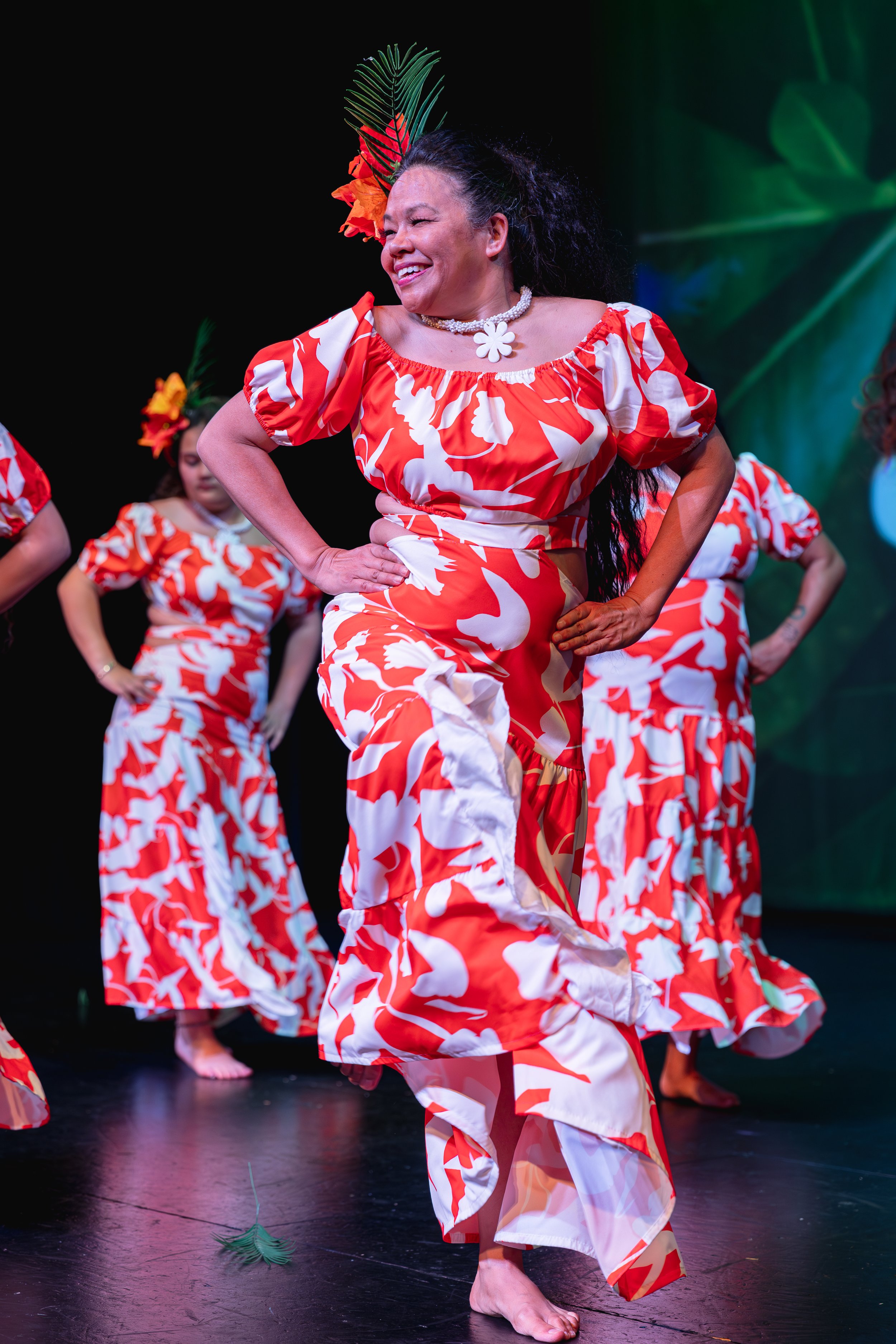
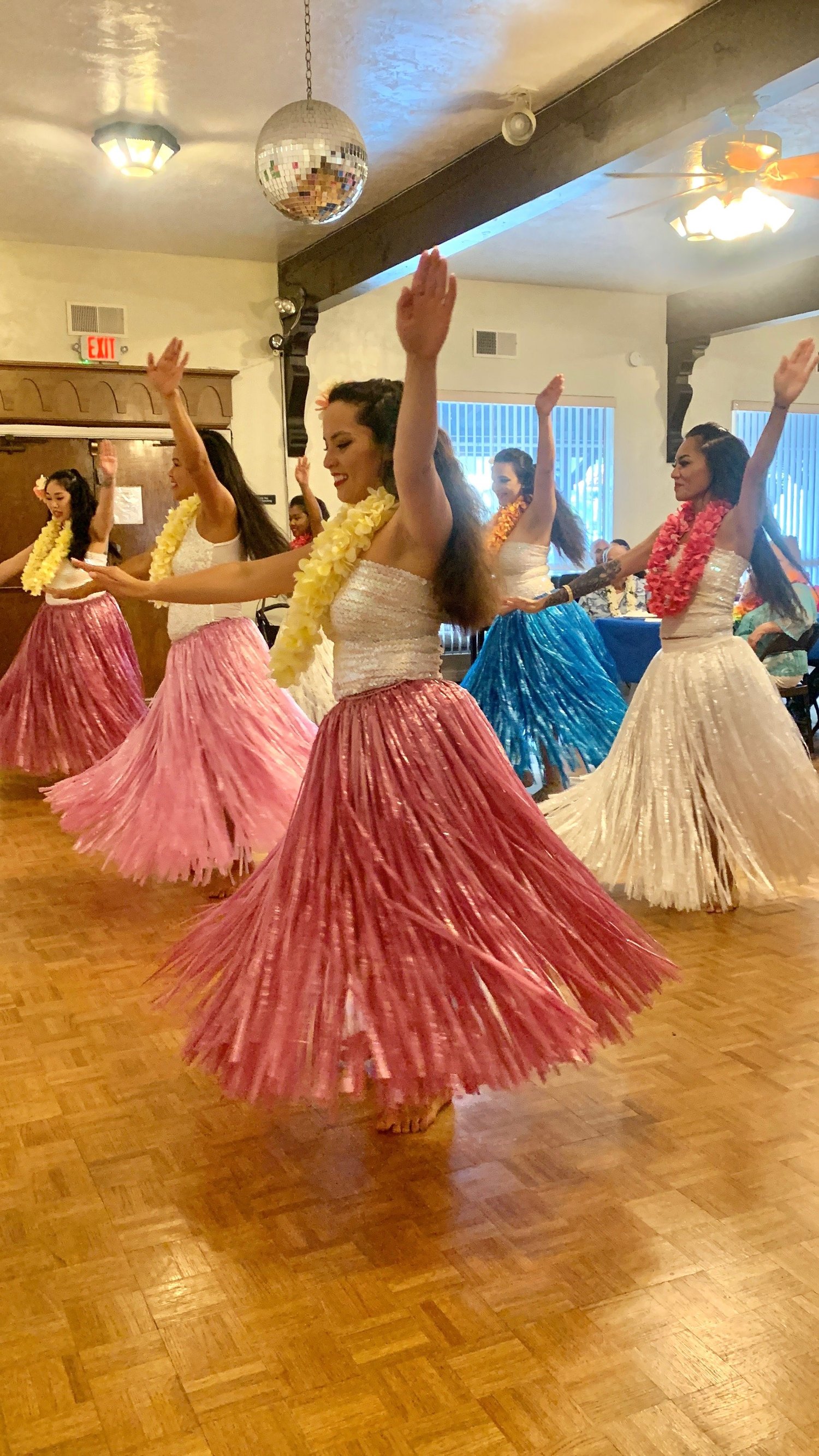
- Attire and Adornment: Dancers wear flowing dresses (holokū or muʻumuʻu), fabric skirts, vivid flower leis, and hair adornments, emphasizing grace and visual warmth.
- Physical Demands: Focuses on smooth, continuous hip movements, soft hand gestures (lima), and expressive facial storytelling while maintaining precise control over core posture.
Types of Hula Classes in San Diego
Hula programs across San Diego County cater to different demographic groups, commitment levels, and personal goals. Understanding these divisions helps prospective students enroll in the appropriate section.
Hālau Class Structure:
- Keiki (Children)
- Wāhine (Women)
- Kāne (Men)
- Kūpuna (Elders)
- Fitness (Drop-in)
1. Age and Gender Divisions in Traditional Hālau
Formal hula instruction in San Diego traditionally separates students into distinct groups to tailor the choreography, chant pitch, and movement intensity appropriately:
- Keiki (Children): Classes tailored for youth (typically ages 4 to 12). Instruction focuses on basic footwork, rhythm recognition, discipline, cultural values like ʻohana (family) and aloha, and introductory story interpretation.
- Wāhine (Women): Designed for adult women (typically ages 13 to 49). These classes emphasize technique refinement, complex hand and foot combinations, endurance, and historical storytelling.
- Kāne (Men): Dedicated to male dancers. Instruction emphasizes powerful, athletic movements, dynamic footwork, low stances, and energetic physical expression.
- Kūpuna (Elders/Seniors): Classes structured for mature adults (generally ages 50 and older). Choreography focuses on low-impact movement, joint mobility, memory retention through song lyrics, and community connection, accommodating physical limitations while maintaining artistic integrity.
2. Traditional Hālau vs. Recreational/Fitness Classes
San Diego residents can choose between two main structural pathways for learning hula:
- Traditional Hālau Hula Track: Led by a recognized Kumu Hula (hula master/teacher), these schools focus on comprehensive cultural immersion. Students learn Hawaiian language (ʻŌlelo Hawaiʻi), lei making, implement crafting, chant recitation, and traditional protocols. Joining a hālau requires ongoing commitment, attendance discipline, and participation in annual performances or regional competitions.
- Recreational and Fitness Track: Offered through local city recreation centers, adult education programs, and dance studios across San Diego (such as facilities in Clairemont, Chula Vista, or Oceanside). These drop-in or short-session classes prioritize cardiovascular health, flexibility, basic footwork, and gentle movement without requiring performance commitments or protocol mastery.
Fundamental Hula Terminology and Basic Steps
Before attending your first hula class in San Diego, familiarizing yourself with core movement terminology provides a strong foundation. Hula movement relies on maintaining a lower-center-of-gravity stance called ʻai haʻa (keeping knees bent, spine straight, and hips fluid).
Essential Footwork (Wāwae)
All hula choreography is built from standard footwork patterns:
- Kāholo: The fundamental side-to-side step. The dancer takes two steps to the right (step right, close left, step right, tap left foot without weight), followed by two steps to the left. The hips sway naturally with the weight transfer.
- Hela: The dancer places one foot forward at a 45-degree angle with the knee straight, tapping the toes while keeping weight on the bent back leg, then returns the foot to the center and alternates.
- Kao: A side-to-side hip sway executed while keeping both feet stationary on the floor, lifting alternate heels slightly to create continuous hip movement.
- ʻUwehe: The dancer steps one foot forward or to the side, then lifts both heels simultaneously while bending the knees deeply, dropping the heels back down smoothly on the beat.
- Ami: A circular rotational movement of the hips while keeping the torso steady and knees bent. Variations include Ami Kūkū (fast circular movements) and Ami Pōkiʻi (low rotational movements).
Common Hula Implements (Nā Mea Hula)
As students advance from basic hand movements to intermediate levels, Kumu Hula introduce traditional percussion instruments:
- Ipu: A single-gourd drum held in the hand and struck with the palm or against the ground to provide rhythm.
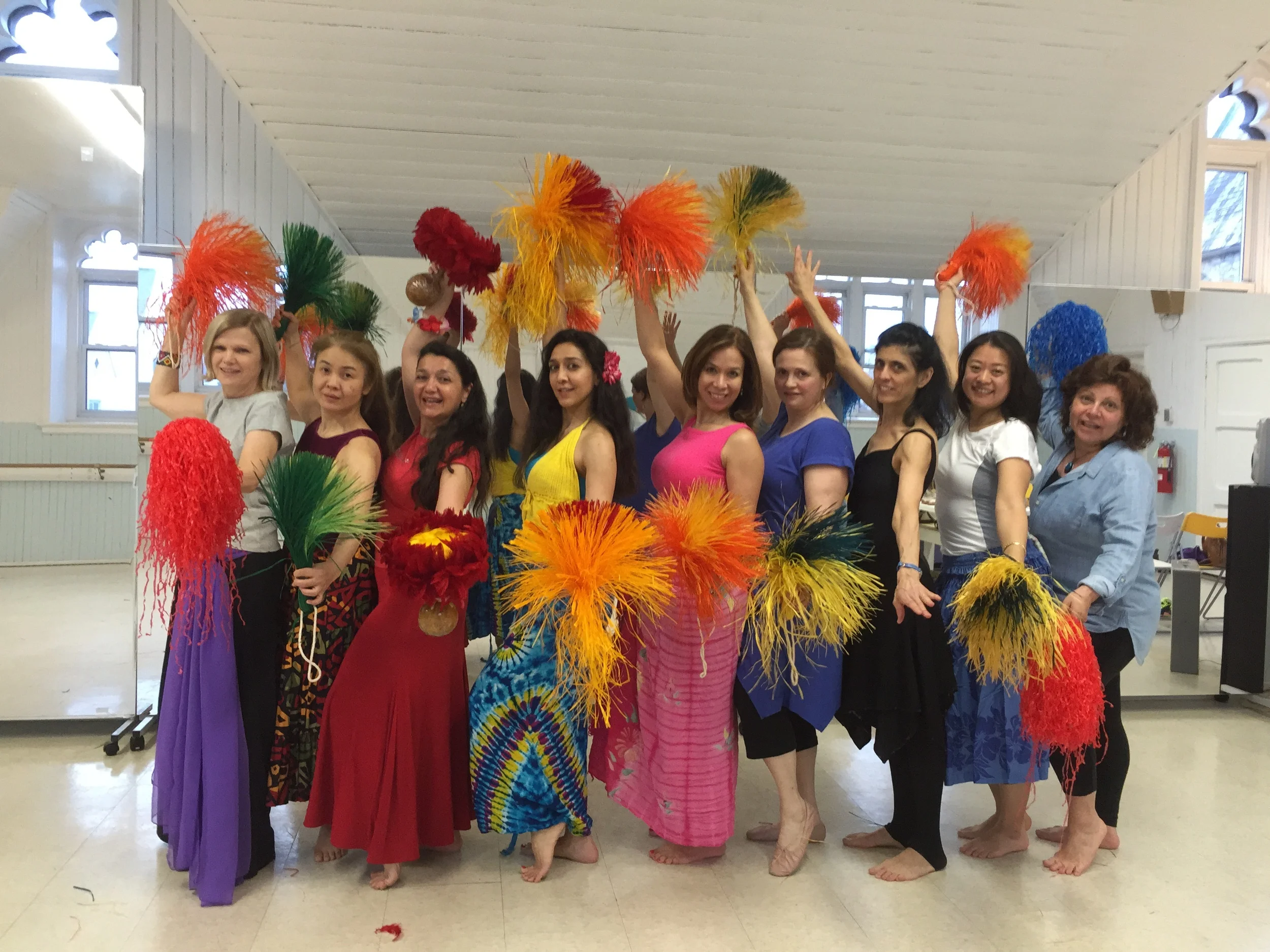
- ʻUlīʻulī: Feathered gourd rattles filled with seeds or small pebbles, used to create sharp, rhythmic sounds accompanied by synchronized arm gestures.
- Puʻʻili: Split bamboo sticks tapped against one another, against the floor, or against a partner's sticks to create a distinct rustling sound.
- ʻIliʻili: Smooth, water-worn basalt stones held two in each hand, clicked together similarly to castanets.
Key Considerations When Selecting a Class in San Diego
San Diego County spans a wide geographic area with diverse dance offerings. Evaluating several key factors helps ensure a positive educational and cultural experience.
Evaluation Criteria:
- Lineage & Background: Verify Kumu Hula credentials
- Geographic Location: Match class to your SD neighborhood
- Goal Alignment: Choose Cultural vs. Fitness track
- Schedule & Time: Assess weekly rehearsals & events
- Financial Commitment: Review tuition, attire & gear costs
1. Instructor Lineage and Credentials
In Hawaiian culture, dance knowledge is passed down through established lineages (mōʻalapua). When evaluating a traditional hālau, review the Kumu Hula's training:
- Did the instructor complete formal graduation ceremonies (ʻūniki) under a recognized master teacher?
- Does the school emphasize cultural education, language usage, and proper etiquette alongside dance steps?
2. Geographic Accessibility Across San Diego County
Class locations impact your ability to maintain consistent attendance. Hula offerings across San Diego typically divide by region:
- Central San Diego & Balboa Park: Home to historical cultural organizations (such as the House of Hawaii in Balboa Park's International Cottages), central studio spaces, and city parks and recreation programs.
- South Bay (Chula Vista, National City): Robust Pacific Islander communities offering multi-generational family hālau and community center classes.
- North County (Oceanside, Vista, Escondido): Numerous studios and coastal community hubs catering to both adult beginners and advanced performance troupes.
- East County (La Mesa, El Cajon): Local recreation programs and independent dance centers providing beginner-friendly hula and Polynesian dance fitness.
3. Financial and Time Commitments
Beyond regular monthly tuition, traditional hālau membership involves additional obligations. Review all potential costs prior to signing up:
Cost Comparison and Requirements Table
The table below outlines typical financial expectations, equipment needs, and scheduling commitments for hula instruction across San Diego County:
| Class Type | Average Cost (San Diego Region) | Required Gear & Attire | Weekly Time Commitment | Primary Focus |
|---|---|---|---|---|
| Recreational / Fitness Hula | $15 – $25 per drop-in class(or $50–$80/month via Rec Centers) | Comfortable workout clothes, bare feet, water bottle. | 1 hour per week | Low-impact exercise, basic footwork, stress relief. |
| Beginner Hālau (Adults/Keiki) | $70 – $120 per month | Practice skirt (Paʻu), notebook, basic foliage lei for performance. | 1.5 – 3 hours per week | Fundamental steps (wāwae), hand gestures, basic chants, cultural etiquette. |
| Intermediate / Advanced Hālau | $100 – $160 per month | Practice Paʻu, custom performance dresses, implements (Ipu, Puʻʻili, ʻUlīʻulī). | 4 – 8+ hours per week (plus weekend workshops) | Repertoire mastery, implement technique, Hawaiian language, live show preparation. |
| Private Lessons | $60 – $120 per hour | Customized per instructor recommendation. | Flexible / On-demand | Audition prep, rapid technique correction, solo performance refinement. |
What to Expect in Your First Hula Class
Stepping into a hula class for the first time involves unique spatial and cultural etiquette designed to create a respectful learning environment.
Typical Class Workflow:
- Arrival & Entry Protocol: Remove shoes, greet classmates
- Opening Chant (Oli): Focus mind and request entry
- Warm-up & Stance Work: Deep knee bends (ʻAi haʻa)
- Drill Executions: Kāholo, Hela, and basic footwork
- Choreography / Song: Learn hand gestures (Lima)
- Closing Chant & Reflection: Show gratitude to teacher & space
1. Attire and Preparation
For your initial lesson, wear modest, flexible clothing that allows instructors to clearly observe your knee alignment and waist motion:
- Top: A comfortable t-shirt or tank top that is fitted (not excessively baggy).
- Bottom: A traditional paʻu skirt (a gathered, elastic-waist practice skirt made of cotton fabric) is standard in formal hālau. Beginners are often permitted to wear leggings, bike shorts, or a wide yoga skirt for their first few sessions until purchasing or sewing a paʻu.
- Footwear: Hula is practiced in bare feet to ground the dancer to the floor and facilitate proper ankle balance.
2. Standard Class Sequence
- Entry and Greeting: Students remove street shoes outside the studio door. In traditional settings, students recite an opening chant (Oli Kūpaʻa or Oli Komo) asking permission to enter the learning space and focus their minds.
- Warm-Up and Drills: Classes begin with physical stretching followed by repetitive footwork drills (kaholo, hela, ami) conducted across the room to build muscular memory and leg stamina.
- Choreography Practice: The instructor breaks down a song (mele), explaining the meaning of the Hawaiian lyrics, the cultural context of the story, and the specific hand movements representing elements like rain, mountains, ocean waves, or love.
- Cool-Down and Closing: The session ends with review notes, administrative announcements regarding upcoming events, and a closing chant or group song demonstrating gratitude (mahalo).
3. Basic Hālau Etiquette (Kumu Rules)
- Show deep respect for the Kumu Hula and senior assistants (Alakaʻi).
- Avoid filming or recording choreography unless explicit permission is granted.
- Keep long hair neatly tied back off the face and neck.
- Turn off mobile phones before stepping onto the dance floor (pā).
Cultural Engagement in the San Diego Community
Learning hula extends beyond weekly studio rehearsals; it connects dancers to San Diego’s broader Pacific Islander community. Participation in local gatherings enriches a dancer's understanding of Polynesian culture.
- Pacific Islander Festival Association (PIFA): Held annually in San Diego (traditionally at Mission Bay), PIFA showcases hula performance groups, traditional food, crafts, and educational booths, offering hula students an opportunity to observe diverse dance styles.
- Hoʻolauleʻa Celebrations: Regional Hawaiian festivals held throughout San Diego County feature live music, workshops, and multi-hālau showcases.
- Community Performance Opportunities: Advanced hālau students often perform at cultural centers, educational institutions, senior facilities, and civic ceremonies throughout the year.
Frequently Asked Questions
Can adults with no prior dance experience join a hula class in San Diego?
Yes. Most traditional hālau and community recreation centers offer dedicated beginner adult classes (Wāhine or Kāne). Hula footwork builds progressive strength, making it accessible to beginners of any fitness level regardless of prior dance background.
What is the difference between a drop-in dance class and a traditional hālau?
A drop-in class focuses primarily on movement, cardiovascular exercise, and basic choreography without requiring long-term attendance commitments, formal attire, or cultural study. A traditional hālau is a structured school focused on holistic Hawaiian culture, requiring regular attendance, participation in chants, learning Hawaiian language basics, and wearing traditional practice attire.
Do I need to buy traditional hula instruments immediately?
No. Beginners start with basic footwork and hand gestures. Instructors inform students when it is time to acquire implements (such as the ipu or puʻʻili). Many Kumu Hula guide students through making or selecting authentic instruments once they reach the intermediate level.
How do I know if a hula class is physically suitable for seniors?
Look specifically for Kūpuna classes or low-impact recreational hula courses. Kūpuna classes adapt footwork to reduce strain on knees and hips while retaining the cognitive, fluid, and social benefits of Hawaiian dance storytelling.
Do I need to speak Hawaiian to take hula classes?
No. Classes in San Diego are taught primarily in English. However, instructors introduce Hawaiian vocabulary for body parts, dance steps, directional cues, and song translations as part of the standard curriculum.
Next Steps for Aspiring Dancers
To find the right hula class in San Diego:
- Define Your Goal: Determine whether you seek cultural immersion, performance opportunities, or casual exercise.
- Research Local Options: Check San Diego Parks and Recreation activity guides for entry-level classes, or research local hālau hula across San Diego County.
- Observe a Class: Contact prospective instructors to ask if you can audit or observe a practice session before officially enrolling. Watching a class provides insight into the teaching style, physical pace, and atmosphere of the school.
Image Gallery