Understanding New Jersey Landlord Insurance Requirements: A Comprehensive Guide
New Jersey law does not explicitly mandate that landlords carry landlord insurance as a state-level requirement for residential property ownership. However, because mortgage lenders invariably require property insurance as a condition...
New Jersey law does not explicitly mandate that landlords carry landlord insurance as a state-level requirement for residential property ownership. However, because mortgage lenders invariably require property insurance as a condition of financing, and because operating a rental property without liability coverage exposes owners to significant personal financial risk, obtaining a specialized landlord insurance policy is a fundamental operational necessity for every property owner in the state.
Contents
The Distinction Between Homeowners and Landlord Insurance
Many first-time landlords mistakenly assume that their existing homeowners insurance policy will cover their rental property. This is a critical misconception. A standard homeowners insurance policy is designed for owner-occupied dwellings; it generally excludes coverage for incidents occurring when the policyholder is not the primary resident or when the property is being used for commercial purposes, such as generating rental income.
Landlord insurance, also known as dwelling fire insurance or rental property insurance, is specifically structured to address the risks inherent in leasing real estate. Unlike homeowners insurance, which protects your personal belongings inside the home, landlord insurance focuses on the structural integrity of the building, the liability risks associated with having tenants on-site, and the potential loss of rental income. If you file a claim on a primary homeowners policy for a property that is actually being rented out, the insurer may deny the claim and cancel your coverage for misrepresentation.
Core Components of a New Jersey Landlord Policy
A comprehensive landlord insurance policy in New Jersey typically consists of three primary coverage pillars. Understanding how these function is essential for mitigating the unique risks found in the state’s high-density and varied climate zones.
1. Dwelling Coverage
This is the base of your policy, covering the physical structure of the rental property against named perils—such as fire, lightning, windstorm, hail, and vandalism. In New Jersey, where aging infrastructure and coastal weather patterns are factors, it is critical to ensure your coverage limit is based on the "replacement cost" of the building rather than the "actual cash value." Replacement cost provides enough funding to rebuild the property to its current state without deducting for depreciation.
2. Liability Protection
Liability is perhaps the most significant financial concern for a landlord. If a tenant, guest, or maintenance worker sustains an injury on your property due to a maintenance failure—such as a broken stairwell, faulty electrical wiring, or failure to clear ice from a sidewalk—you could be held legally responsible. Liability insurance covers your legal fees, medical costs, and potential judgments if you are sued. Given New Jersey’s litigious environment, most financial experts suggest carrying liability limits of at least $500,000 to $1,000,000.
3. Loss of Use (Rental Income Coverage)
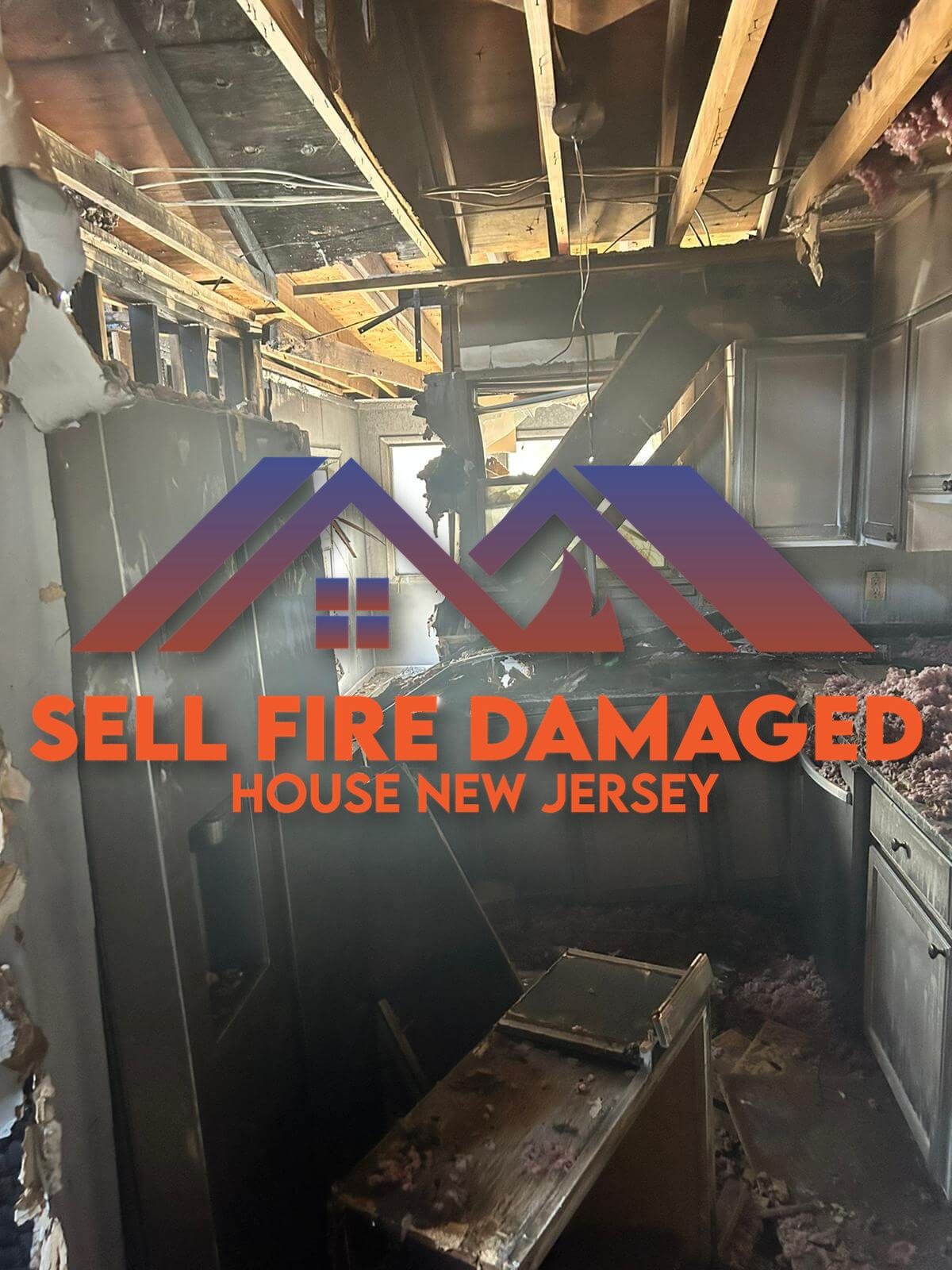
If your rental property becomes uninhabitable due to a covered peril (e.g., a major fire), you lose your monthly rental income. Loss of use coverage (often called Fair Rental Value coverage) compensates you for the rent you would have collected during the period of repair, helping you keep up with mortgage payments, property taxes, and other carrying costs while the property is being restored.
Evaluating Optional Add-On Coverages
Beyond the standard components, New Jersey landlords should evaluate specific endorsements to address gaps in basic protection.
- Ordinance or Law Coverage: Older properties in New Jersey may not meet current municipal building codes. If your property is damaged and you are forced to rebuild to meet updated code requirements, standard policies may not cover the additional costs. This endorsement bridges that gap.
- Equipment Breakdown: This covers the cost of repairing or replacing mechanical systems like HVAC units, boilers, and water heaters that fail due to internal electrical or mechanical issues, which are often excluded from standard peril coverage.
- Water Backup and Sump Pump Failure: New Jersey’s seasonal flooding and heavy precipitation make this a vital consideration. Standard policies often exclude damage caused by water backing up through sewers or drains.
Comparison of Coverage Types
| Feature | Homeowners Insurance | Landlord Insurance |
|---|---|---|
| Primary Purpose | Protects owner-occupied residence | Protects investment/rental property |
| Personal Property | Covers tenant/owner contents | Covers only landlord-owned items (appliances) |
| Loss of Income | Not applicable | Covers lost rent after a covered loss |
| Liability | Personal liability for the resident | Liability for the landlord/property owner |
| Tenants | Excluded | Designed specifically for tenant occupancy |
Managing Risks in the New Jersey Market
New Jersey’s unique geographical and legal landscape creates specific risk profiles for landlords. Coastal areas in Monmouth, Ocean, and Atlantic counties face specific hurricane and windstorm risks that may require separate wind-and-hail deductibles or even state-mandated FAIR Plan coverage if private insurers are unwilling to underwrite the property.
Furthermore, New Jersey’s landlord-tenant laws are highly protective of the tenant. While insurance cannot protect you from a tenant failing to pay rent, it does provide a safety net for property damage caused by tenants. It is also important to note that landlord insurance does not replace the need for a security deposit or a rigorous tenant screening process. Combining a robust insurance strategy with a solid lease agreement—which should explicitly require tenants to carry their own "Renters Insurance" (HO-4 policy)—creates a layered defense strategy. A renter’s policy protects the tenant’s personal property and provides them with their own liability coverage, which can reduce the likelihood of the tenant looking to your insurance policy to cover their personal losses.
Steps to Secure Your Policy
- Assess Property Value: Determine the current replacement cost of your structure. Consult with a contractor or use an online calculator to ensure your coverage limit aligns with current labor and material costs in 2026.
- Inventory Your Assets: If you provide appliances (refrigerators, stoves, washers), ensure these are itemized and covered under your policy’s personal property section.
- Review Mortgage Requirements: If you have a mortgage, your lender will have specific insurance minimums. Ensure your policy meets or exceeds these requirements.
- Comparison Shopping: Obtain quotes from at least three different insurers. Look for companies that specialize in real estate investment portfolios rather than just standard home insurance.
- Verify Licensing: Ensure the insurance carrier is licensed to operate in New Jersey through the Department of Banking and Insurance (DOBI) website.
Frequently Asked Questions
Does landlord insurance cover damage caused by my tenants? Most policies cover "accidental" damage caused by tenants, such as a fire caused by cooking mishaps. However, intentional damage or vandalism caused by a tenant is often excluded or subject to high deductibles. Review your policy language regarding "malicious mischief."
Is renters insurance a substitute for landlord insurance? No. Renters insurance (HO-4) covers the tenant’s personal property and liability. It provides zero protection for the landlord’s building structure or the landlord’s legal liability.
What is the difference between Actual Cash Value and Replacement Cost? Actual Cash Value pays you the depreciated value of an item or structure at the time of loss. Replacement Cost pays you the amount required to replace the item or rebuild the structure new, without deduction for age or wear.
Can I deduct landlord insurance premiums from my taxes? Yes, in most cases, insurance premiums for a rental property are considered a necessary business expense and are tax-deductible for the year the premium is paid. Consult with a tax professional regarding your specific investment entity structure.
Final Recommendation
Do not view insurance as a mere expense, but as a critical component of your property management business plan. In 2026, the risk of litigation and property damage remains significant for residential landlords in New Jersey. Review your existing policy annually to ensure your coverage limits reflect current inflationary costs for materials and labor. If you own multiple properties, consult with an independent insurance broker who can aggregate your policies to potentially secure multi-policy discounts and ensure there are no coverage gaps between individual units.
Image Gallery