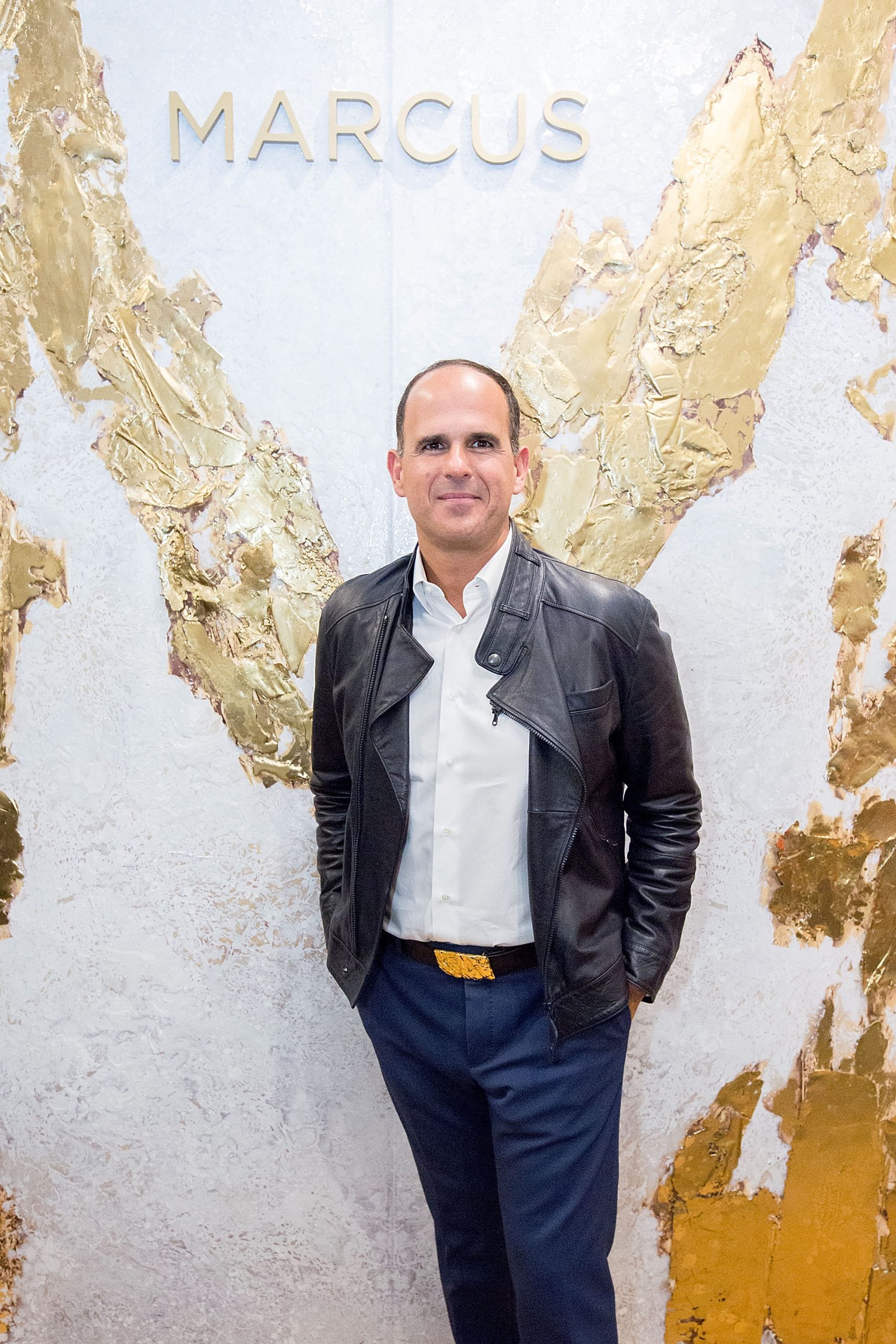
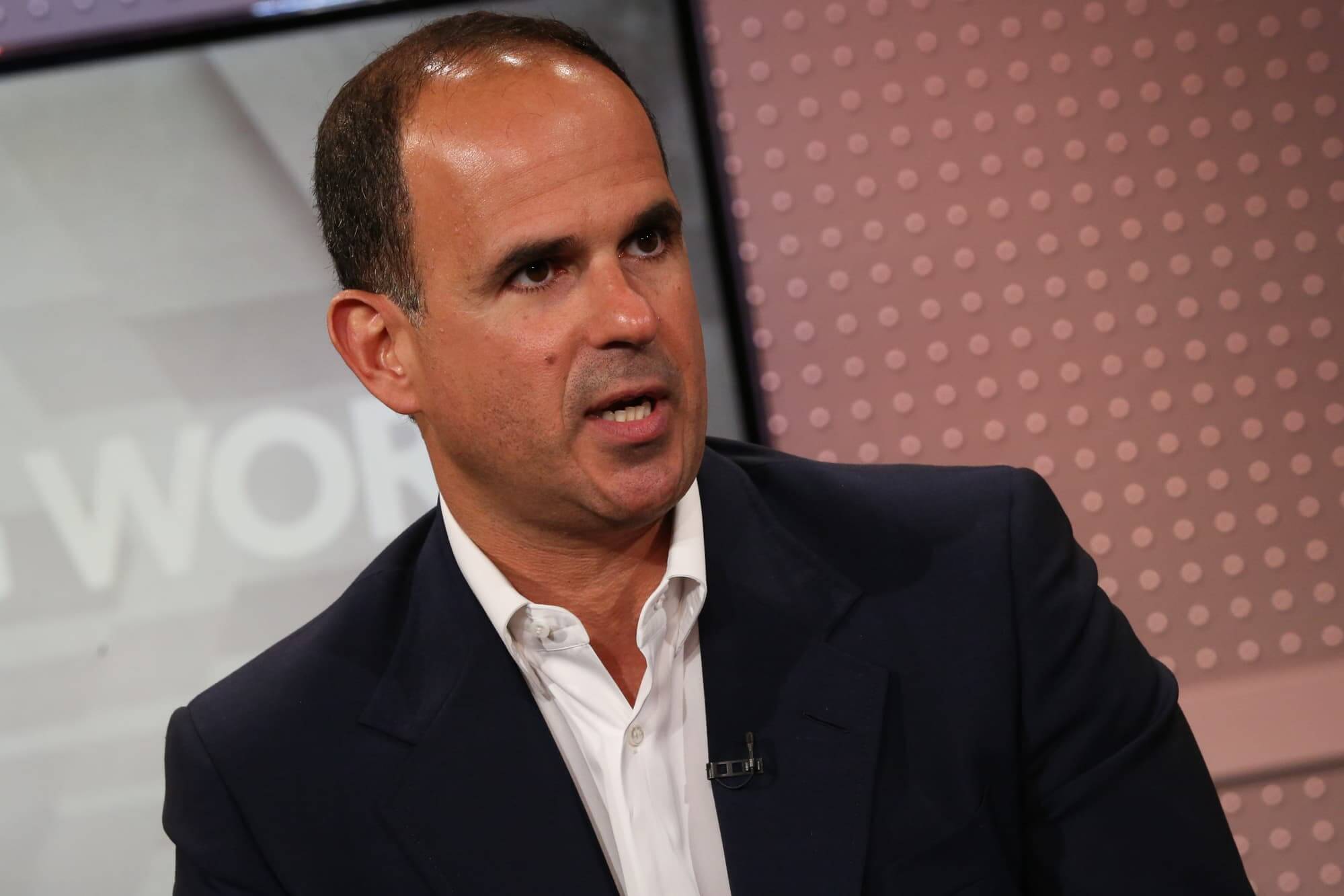
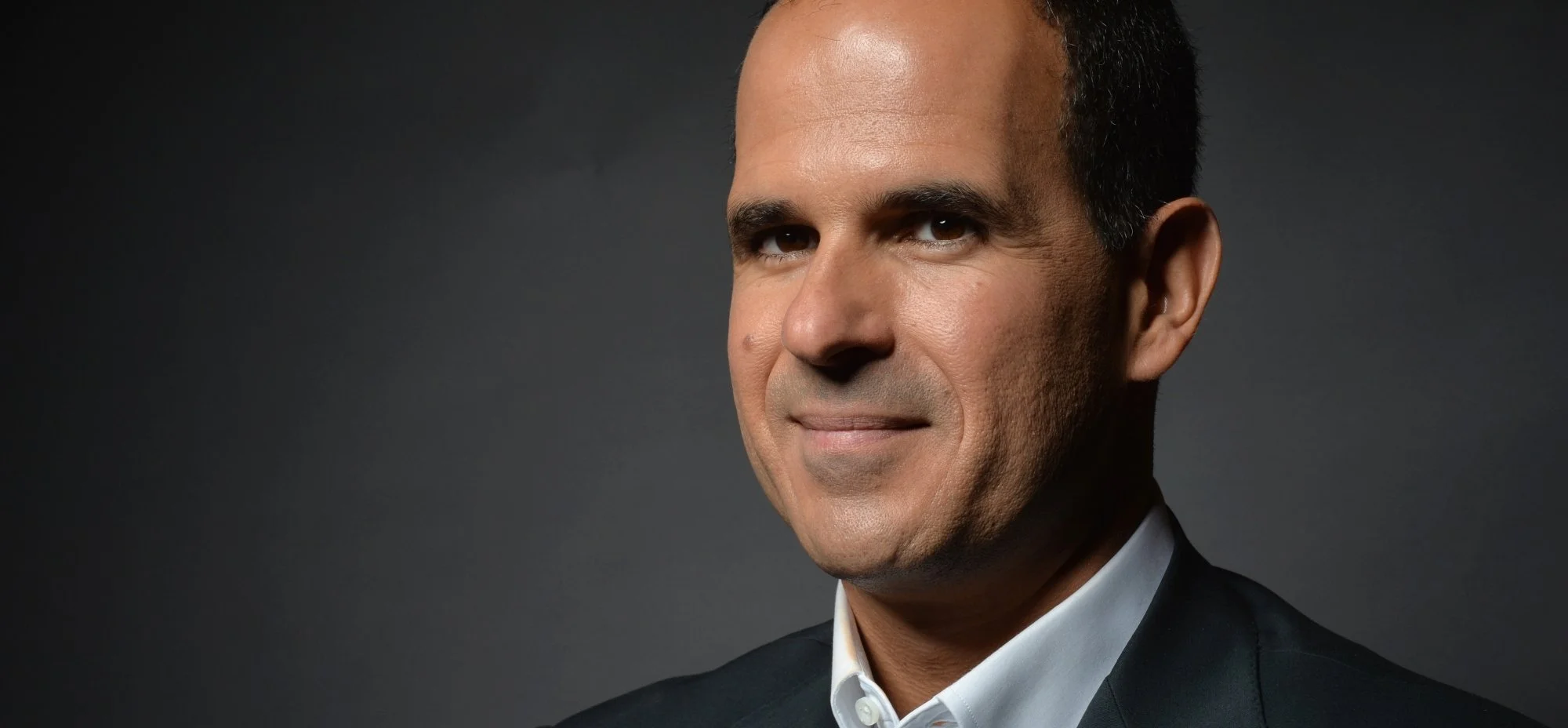
Analyzing the Financial Profile and Net Worth of Marcus Lemonis
Marcus Lemonis, an American entrepreneur and television personality, maintains a net worth estimated to be in the range of $500 million to $600 million as of 2026. This valuation reflects his long-standing role as the chairman and CEO...
Marcus Lemonis, an American entrepreneur and television personality, maintains a net worth estimated to be in the range of $500 million to $600 million as of 2026. This valuation reflects his long-standing role as the chairman and CEO of Camping World, his extensive real estate portfolio, and his history of strategic investments in small businesses through his media appearances.
Contents
Foundations of Wealth: The Camping World Legacy
The primary engine of Marcus Lemonis’s financial success is his involvement with Camping World, the nation’s largest retailer of recreational vehicles (RVs) and outdoor supplies. Lemonis joined the organization in 2006, following the merger of FreedomRoads and Camping World. His leadership trajectory from the CEO of FreedomRoads to the head of the consolidated public company (Camping World Holdings, Inc.) provided the foundation for his significant personal wealth.
His approach to business—often categorized as a "people, process, and product" methodology—focused on scaling retail operations through aggressive acquisitions and the vertical integration of the RV supply chain. By positioning Camping World as a lifestyle brand rather than a mere automotive retailer, he captured the growth in the outdoor and travel sectors. The company’s initial public offering (IPO) on the New York Stock Exchange in 2016 significantly increased the liquidity and valuation of his equity holdings, marking a pivotal moment in his financial history.
Diversification and Investment Strategy
Beyond the RV industry, Lemonis has built a multi-faceted investment portfolio that spans various sectors, including retail, culinary arts, and apparel. His strategy is characterized by "distressed asset" acquisition; he frequently enters partnerships with failing or underperforming small businesses, providing the capital and operational restructuring required to turn them into profitable entities.
This business model was popularized through his television presence, where he served as the host and lead investor for programs that documented the financial turnaround of diverse ventures. These investments are managed under various private entities, which allow him to hold stakes in companies ranging from high-end fashion boutiques to local manufacturing plants. This diversification acts as a hedge against the cyclical nature of the retail RV market, ensuring a steady stream of revenue from assets that operate independently of the Camping World infrastructure.
Real Estate and Asset Allocation
A significant, though often less publicized, portion of Lemonis's net worth is tied to commercial real estate. His real estate holdings include substantial footprints in regional retail centers, industrial warehouse space to support logistics, and residential properties.
Strategic asset allocation is a hallmark of his financial management. By retaining ownership of the properties occupied by his business interests, he captures both the operational profit of the business and the long-term appreciation of the underlying land and improvements. This "landlord-tenant" synergy is a common strategy among high-net-worth individuals to maximize tax efficiency and create passive wealth accumulation that persists even when specific operational business segments face market headwinds.
Understanding the Valuation Complexity
Estimating the net worth of a private investor like Lemonis involves several variables that often lead to discrepancies in public reporting. It is important to distinguish between liquid assets, controlled equity, and the valuation of private holdings.
| Asset Class | Role in Financial Profile | Valuation Sensitivity |
|---|---|---|
| Public Equities | Primary liquidity source via CWH stock | High (Market volatility) |
| Private Businesses | Long-term growth and operational cash flow | Low (Subject to private appraisal) |
| Commercial Real Estate | Asset appreciation and tax shelter | Moderate (Interest rate dependent) |
| Cash/Equivalents | Working capital for new investments | Minimal (Market stability) |
Because much of his wealth is tied up in equity and non-publicly traded business interests, his total net worth is subject to the performance of these specific companies. Changes in consumer spending, interest rates, and the broader retail landscape of 2026 directly influence the valuation of these holdings.
Financial Oversight and Risk Management
Lemonis utilizes a sophisticated corporate structure to manage his various interests. By operating under holding companies, he isolates liability, ensuring that the legal or financial failures of one small business investment do not compromise the stability of his larger corporate holdings. This risk-management approach is essential for any investor who operates across multiple, disparate industries.
The volatility associated with the retail sector requires a disciplined approach to debt management. Lemonis has historically emphasized maintaining manageable debt-to-equity ratios within his primary public ventures. This conservative financial philosophy allows him to remain opportunistic, as he is often able to provide liquidity to struggling businesses when credit markets tighten for smaller players.
Challenges and Market Realities
The retail environment of 2026 presents unique challenges. Shifts in consumer behavior toward e-commerce, coupled with inflationary pressures on discretionary spending, have required Lemonis to adapt his business models. While the outdoor and RV lifestyle sector remains resilient, it is not immune to the rising costs of raw materials and the tightening of consumer credit.
His ability to maintain his wealth is directly tied to his ability to anticipate these market shifts. In years of economic expansion, his portfolio benefits from the growth of his retail holdings; in years of contraction, his strategy of "fixing" distressed businesses often provides an alternative revenue stream, as he identifies companies that are undervalued and restructures them for long-term viability.
Frequently Asked Questions
What is the primary source of Marcus Lemonis's wealth? His wealth is primarily derived from his leadership position and equity stake in Camping World Holdings, Inc., which he has helped grow into a dominant force in the outdoor and RV industry over the last two decades.
How do his television appearances impact his net worth? While his media presence provides brand visibility, his net worth is not generated by appearance fees alone. Rather, these platforms function as business development tools that allow him to identify and acquire equity in small businesses that align with his investment criteria.
Does Marcus Lemonis manage his investments personally? He employs a team of financial advisors and legal experts to manage the tax, structural, and regulatory aspects of his business interests. However, he remains deeply involved in the operational decision-making of the companies in which he holds a controlling interest.
Is Marcus Lemonis's wealth liquid? Only a portion of his wealth is liquid. A significant amount is tied to equity in publicly traded companies, private business stakes, and illiquid real estate assets, which cannot be converted to cash immediately without affecting his market influence and long-term strategy.
How does his wealth compare to other retail entrepreneurs? While he is not among the top-tier global retail billionaires, his net worth places him in the upper echelon of specialized retail and private equity investors, particularly those focused on mid-market business turnarounds.
Conclusion and Next Actions
For those interested in understanding the financial mechanics of high-net-worth entrepreneurs, observing the regulatory filings of public companies like Camping World provides the most accurate and verifiable data. For investors looking to mirror his strategy, the focus should remain on identifying undervalued operational assets and applying rigid financial controls to improve profitability. Readers are encouraged to consult SEC filings and public financial reports for specific, real-time disclosures regarding his corporate equity and holdings.
Image Gallery