The Role of Nano Nuclear Technology in Modern Energy Systems
Nano nuclear technology represents the integration of nanotechnology and advanced nuclear physics to create ultra-compact, portable, and exceptionally efficient power sources. In 2026, its primary role is providing decentralized, carbo...
Nano nuclear technology represents the integration of nanotechnology and advanced nuclear physics to create ultra-compact, portable, and exceptionally efficient power sources. In 2026, its primary role is providing decentralized, carbon-free energy for microgrids, remote industrial sites, and high-demand facilities like data centers, while utilizing nanomaterials to enhance reactor safety, thermal conductivity, and fuel longevity.
Contents
The Evolution of Nuclear Power: Moving Toward the Nano Scale
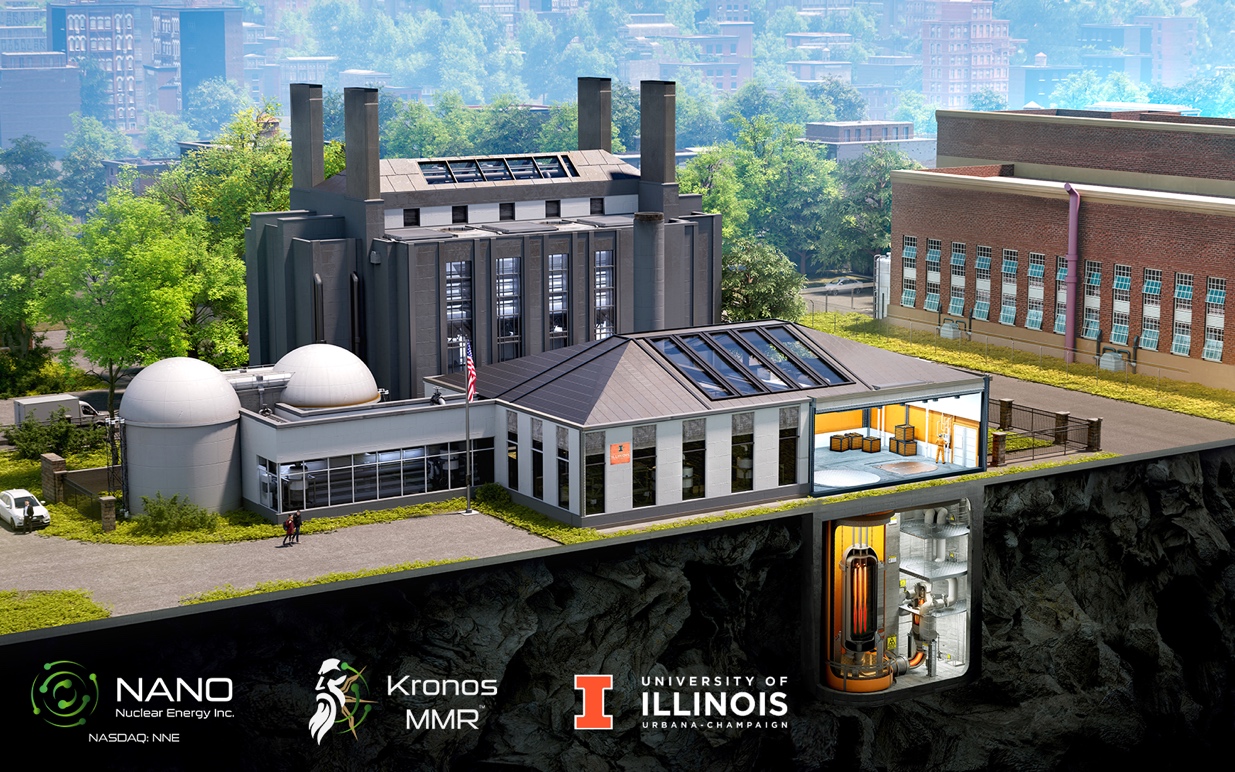
The traditional nuclear landscape, dominated for decades by massive gigawatt-scale light-water reactors, has undergone a fundamental shift. As of 2026, the focus has moved toward "nano nuclear" solutions—specifically micro-reactors that utilize nanotechnology to solve the historical challenges of size, cooling, and deployment speed. While traditional plants take a decade or more to build, nano nuclear systems are factory-fabricated and transportable via standard shipping containers.
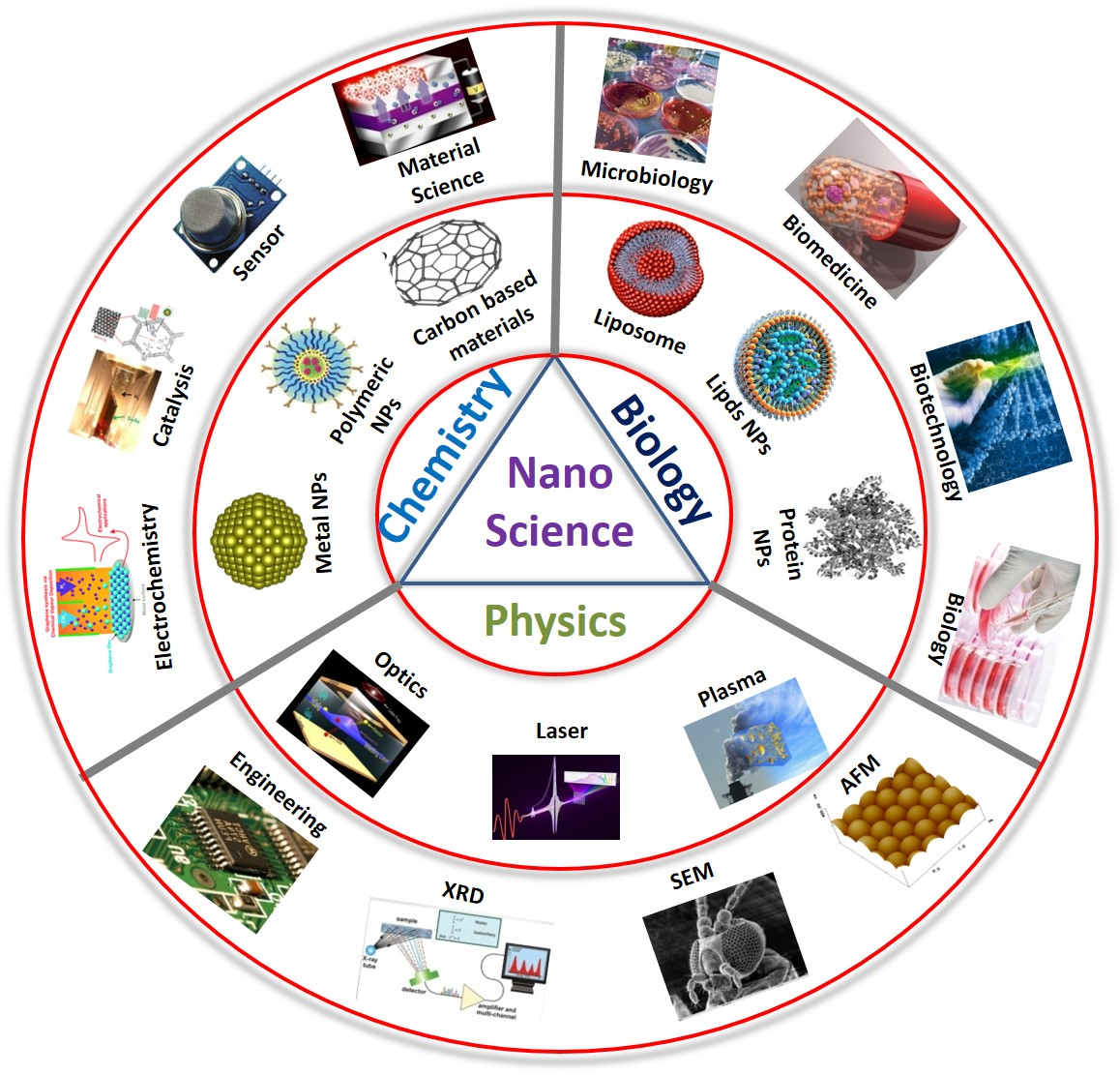
The "nano" in nano nuclear technology refers to two distinct but related fields. First, it describes the physical scale of the reactors, often termed micro-reactors, which produce between 1 and 20 megawatts of thermal energy. Second, it refers to the application of nanotechnology in the engineering of these systems. This includes the use of nanofluids for heat transfer and nanocomposites for structural components that can withstand extreme radiation environments.
This technology addresses a critical gap in the global energy market: the need for reliable, "always-on" power that does not require a massive footprint or a connection to a vulnerable national grid. By 2026, nano nuclear technology is no longer a theoretical concept but an operational reality in specialized sectors such as deep-sea mining, Arctic research stations, and high-performance computing hubs.
Nanotechnology in Reactor Materials and Fuel
The primary technical hurdle for small-scale nuclear power has always been thermal management and material degradation. Nanotechnology provides the solution through the molecular engineering of reactor components.
Enhanced Thermal Management with Nanofluids
One of the most significant roles of nanotechnology in this field is the development of nanofluids. These are engineered colloidal suspensions of nanoparticles (such as alumina, zirconia, or carbon nanotubes) in a base liquid. In nano nuclear reactors, these fluids serve as advanced coolants.
Unlike traditional water or molten salt coolants, nanofluids exhibit significantly higher thermal conductivity and a higher critical heat flux (CHF). This allows a much smaller volume of coolant to remove a larger amount of heat from the reactor core, which is essential for maintaining a compact reactor size without risking a meltdown.
Radiation-Resistant Nanocomposites
The structural integrity of a reactor depends on its ability to withstand constant neutron bombardment. Traditional steel and alloys eventually become brittle and fail. Nano nuclear technology utilizes nanostructured ferritic alloys (NFAs) and metal-matrix nanocomposites. These materials contain a high density of nanoscale features that act as "sinks" for radiation-induced defects. By trapping these defects at the molecular level, the material "self-heals," extending the operational lifespan of the micro-reactor to 20 years or more without the need for internal structural replacements.
The Strategic Role of Micro-Reactors in 2026
By 2026, the strategic deployment of nano nuclear technology has focused on four primary areas: remote industrial operations, military applications, disaster recovery, and data infrastructure.
Decentralized Power for Data Centers
The explosion of AI and decentralized computing has led to an unprecedented demand for localized power. Traditional grids are often unable to supply the 10-50 MW required for a modern AI training cluster without significant upgrades. Nano nuclear reactors can be installed directly on-site, providing a dedicated, carbon-free energy source that is independent of the local utility provider.
Remote and Off-Grid Industry
Mining operations in the Canadian North or desalination plants in remote coastal regions have historically relied on expensive and polluting diesel generators. The role of nano nuclear technology here is transformative. A single micro-reactor can be shipped to the site, plugged in, and provide continuous power for a decade. This reduces the logistical burden of fuel transport and slashes the carbon footprint of heavy industry.
Rapid Response and Disaster Relief
In the wake of natural disasters, restoring power is the first step toward recovery. Portable nano nuclear units, which are designed to be "plug-and-play," can be deployed via cargo aircraft to restore power to hospitals and water treatment plants within hours of arrival. Their inherent safety features mean they can operate in proximity to populated areas with minimal risk.
Comparative Analysis: Nano Nuclear vs. Traditional Energy Sources
To understand the specific niche of nano nuclear technology, it is helpful to compare its operational parameters with both traditional nuclear power and modular renewable systems.
| Feature | Traditional Nuclear (LWR) | Small Modular Reactors (SMR) | Nano Nuclear / Micro-Reactors |
|---|---|---|---|
| Power Output | 1,000 MW+ | 50 MW - 300 MW | 1 MW - 20 MW |
| Footprint | 500+ Acres | 20 - 50 Acres | < 1 Acre (Containerized) |
| Construction | On-site (10-15 years) | Modular (3-5 years) | Factory-built (< 2 years) |
| Cooling Requirement | Massive (Water source needed) | Moderate | Passive (Air or Nanofluid) |
| Refueling Cycle | 18 - 24 Months | 3 - 7 Years | 10 - 20 Years |
| Primary Use Case | National Grid Baseload | Industrial Hubs | Remote/Specialized/On-site |
Safety Protocols and Passive Systems
A defining role of nano nuclear technology is the move toward inherent safety. Unlike the large-scale reactors of the past, which required active pumps and electricity to remain cool during a shutdown (a failure of which led to the Fukushima incident), micro-reactors are designed with passive safety systems.
Nanotechnology contributes to this through the use of TRISO (TRi-structural ISOtropic) fuel. While not exclusive to nano nuclear, the integration of TRISO fuel in micro-reactors is a cornerstone of their safety profile. Each fuel particle is roughly the size of a poppy seed and is encapsulated in three layers of carbon and ceramic-based materials. These layers act as a containment vessel for each individual kernel of fuel, capable of withstanding temperatures far beyond any conceivable reactor accident.
Furthermore, the high surface-area-to-volume ratio of nano nuclear cores allows for passive heat dissipation. In the event of a total power loss, the reactor naturally sheds excess heat through radiation and conduction to the atmosphere without the need for moving parts or operator intervention. This "walk-away safe" characteristic is vital for gaining public and regulatory acceptance.
Economic and Regulatory Landscape in 2026
The economics of nano nuclear technology in 2026 have shifted from "cost per kilowatt-hour" to "value of reliability." While the initial capital expenditure (CAPEX) for a micro-reactor may be higher than a natural gas turbine, the long-term operational costs are significantly lower due to the lack of fuel price volatility and the 20-year refueling cycle.
Regulatory Streamlining
The U.S. Nuclear Regulatory Commission (NRC) and international bodies like the International Atomic Energy Agency (IAEA) have established new frameworks for micro-reactors as of 2026. These frameworks recognize that a 5 MW reactor does not require the same 10-mile emergency planning zone as a 1,000 MW plant. This regulatory evolution has paved the way for "commercial-off-the-shelf" nuclear power, where the licensing process is focused on the reactor design rather than the specific installation site.
Addressing Nuclear Waste
Nano nuclear technology also addresses the waste problem through higher burn-up rates. Because these reactors use highly enriched fuels like HALEU (High-Assay Low-Enriched Uranium), they extract more energy from the same amount of material, resulting in a smaller volume of high-level waste. Some 2026 designs even explore the role of "waste-burning" where the micro-reactor can utilize spent fuel from older, traditional reactors as its primary energy source.
Frequently Asked Questions
What is the difference between an SMR and nano nuclear technology?
Small Modular Reactors (SMRs) are typically larger, producing 50 to 300 MW, and require some on-site assembly and traditional infrastructure. Nano nuclear technology focuses on micro-reactors (1-20 MW) that are fully factory-assembled, transportable in a single container, and designed for decentralized, on-site use without a connection to a larger grid.
Is nano nuclear technology safe for urban deployment?
Yes, due to passive safety features and TRISO fuel. These reactors are designed to be "inherently safe," meaning they cannot physically melt down even if all power and cooling systems fail. By 2026, their safety profiles have reached a level where they are being considered for use in providing heat and power to large hospital complexes and industrial parks in suburban environments.
How is the fuel for these reactors managed?
Most nano nuclear reactors are designed with a "cradle-to-grave" fuel cycle. The reactor is delivered pre-fueled. After its 10- to 20-year lifespan, the entire unit—including the fuel—is returned to the manufacturer for decommissioning and recycling. This eliminates the need for on-site fuel handling or radioactive waste storage by the end-user.
Can nano nuclear power replace renewable energy like wind and solar?
It is not intended to replace renewables but to complement them. Nano nuclear provides "baseload" power—energy that is available 24/7 regardless of weather conditions. It is ideal for high-reliability needs where solar or wind, even with battery storage, might fall short during extended periods of low production.
What is HALEU fuel, and why is it important?
High-Assay Low-Enriched Uranium (HALEU) contains between 5% and 20% Uranium-235, which is higher than the 3% to 5% used in traditional reactors. This allows for smaller reactor cores, longer fuel cycles, and better efficiency, making it the essential fuel for the nano nuclear sector in 2026.
Next Steps for Implementation
For organizations looking to integrate nano nuclear technology into their energy strategy, the first step is a site-specific feasibility study. This involves evaluating local regulatory zoning, power requirements, and the thermal-to-electric ratio needed for your operations. By 2026, many providers offer "Power-as-a-Service" (PaaS) models, where the vendor owns and operates the reactor, and the user simply pays for the electricity and heat generated.
Engaging with reputable vendors such as those listed in the Department of Energy (DOE) Micro-reactor Program is recommended to ensure compliance with the latest safety and transport standards.
Image Gallery