How the Glinda Green Dress Captivates Fans: Design, Symbolism, and Cultural Impact
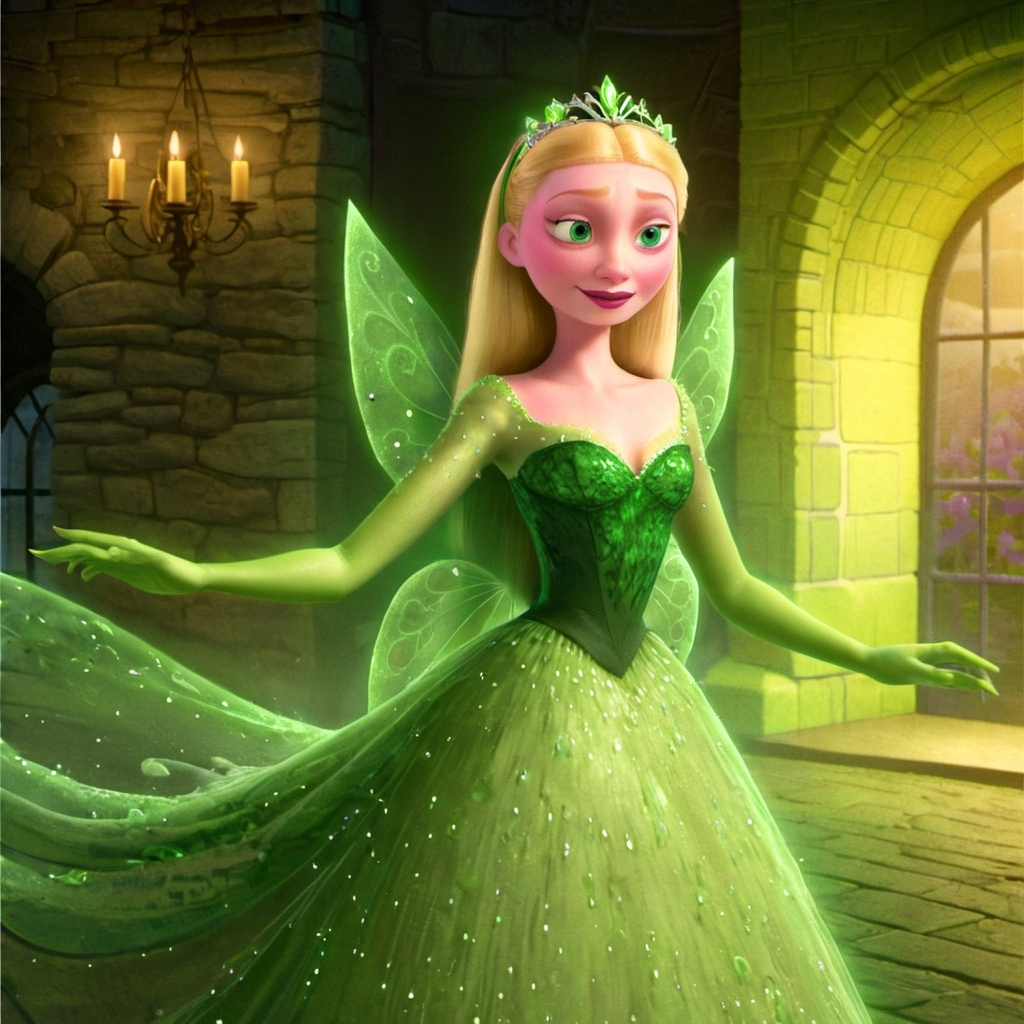
The Glinda green dress—specifically the seafoam and emerald-toned ensembles debuted in the Wicked film adaptations (2024–2025)—captivates fans by subverting Glinda’s traditional "pink" identity. Through intricate hand-pleating, iridesc...
The Glinda green dress—specifically the seafoam and emerald-toned ensembles debuted in the Wicked film adaptations (2024–2025)—captivates fans by subverting Glinda’s traditional "pink" identity. Through intricate hand-pleating, iridescent silk textures, and its symbolic representation of her deepening bond with Elphaba, the dress represents a pivotal narrative shift that resonates with audiences’ desire for complex character growth and high-fashion craftsmanship.
Contents
The Aesthetic Subversion: Why Green for the "Pink" Witch?
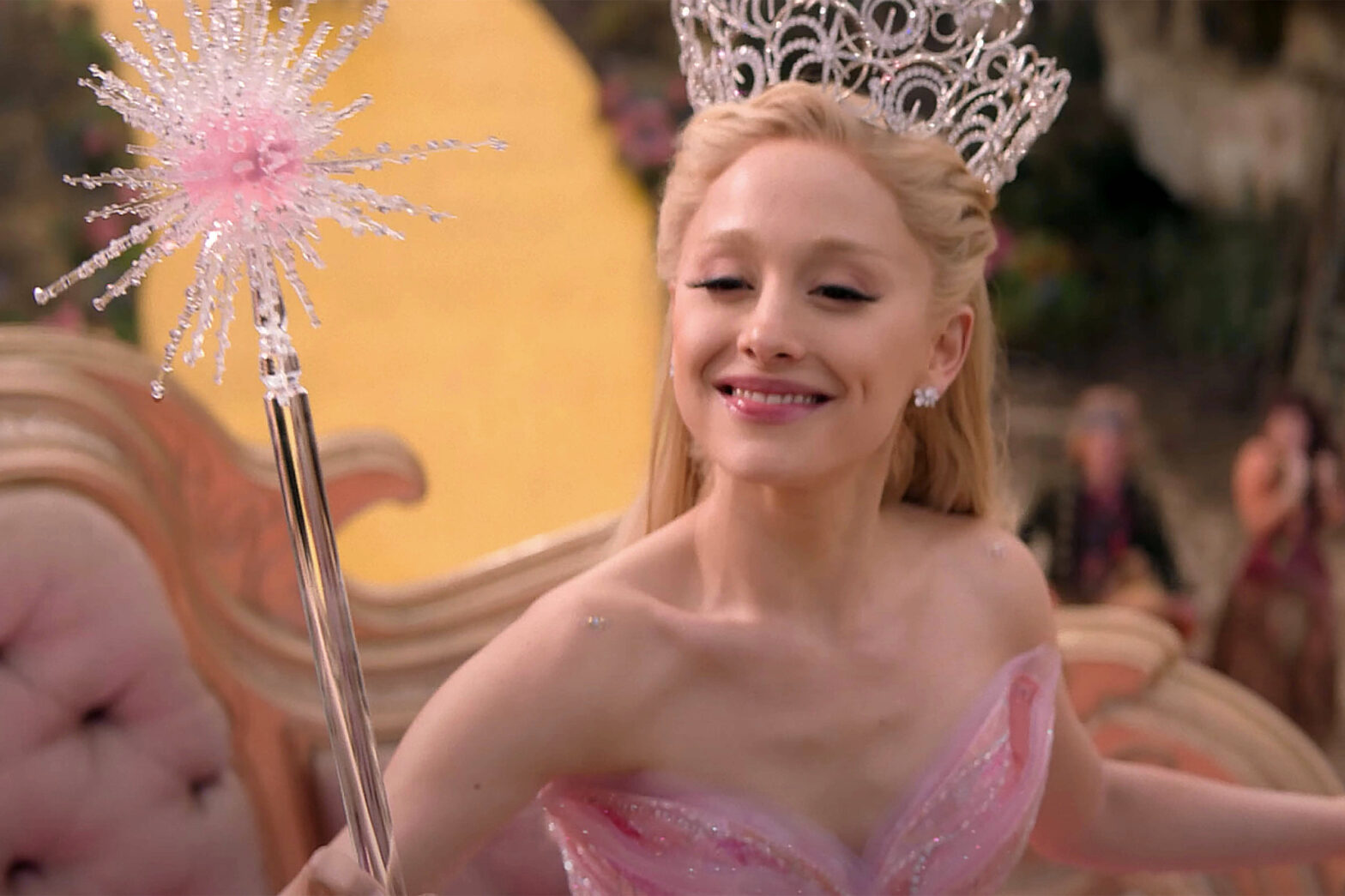
For decades, the character of Glinda the Good has been synonymous with a saccharine, voluminous pink palette. This color choice traditionally reinforced her status as the "popular" foil to Elphaba’s misunderstood green. However, as of 2026, the cultural conversation around Glinda has shifted significantly, largely due to the cinematic exploration of her wardrobe transitions. When Glinda dons green—particularly during the "One Short Day" sequence in the Emerald City—it serves as a visual manifestation of her willingness to enter Elphaba’s world.
Fans are captivated by this departure because it breaks the "Barbie-core" expectations associated with the character. The specific shade used in the films is often described as a "luminous mint" or "petalic seafoam," which bridges the gap between her signature light aesthetic and the saturated greens of Oz’s capital. This color choice is not merely an aesthetic pivot; it is a psychological signal. It suggests that Glinda is no longer just a static figure of goodness but a woman capable of adaptation, empathy, and political consciousness.
The contrast created when Glinda stands next to Elphaba in these scenes is a masterclass in color theory. Instead of the jarring pink-and-green clash seen in the Shiz University scenes, the green-toned wardrobe creates a harmonious visual unity. This unity captures the "Gelphaba" fandom’s imagination, as it visually validates the emotional intimacy between the two protagonists.
Behind the Craft: Paul Tazewell’s Vision for the Film Duology
The technical construction of the Glinda green dress (and its variations) is a primary reason for its enduring fascination among costume enthusiasts and fashion historians. Designed by Tony Award-winning costume designer Paul Tazewell, the wardrobe for the Wicked films (Part 1 and Part 2) utilized haute couture techniques that are rare in standard film production.
Materiality and Movement
The Emerald City gown is characterized by its "petalic" structure. Tazewell and his team utilized hundreds of individual silk organza "petals," each hand-dyed to achieve a gradient that shifts from a pale mint to a deep forest green. This construction allows the dress to catch the light differently depending on the camera angle, creating an iridescent effect that feels magical rather than manufactured.
The use of silk faille and iridescent taffeta provides a structural rigidity that maintains a high-fashion silhouette while allowing for the fluid movement required for musical numbers. Fans often analyze the way the fabric "breathes" during choreographed sequences, noting that the weight of the dress contributes to the character’s regal yet frantic energy as she navigates the wonders of the Emerald City.
Technical Specifications of the Emerald City Gown
To understand why this garment holds such gravity in the fan community, one must look at the data behind its creation. As revealed in behind-the-scenes exhibitions in late 2025, the primary green gown worn by Ariana Grande’s Glinda involved:
- Fabric Yardage: Over 40 yards of silk organza and tulle.
- Labor Hours: Approximately 350 hours of hand-stitching and embellishment.
- Weight: The gown, despite its airy appearance, weighs nearly 12 pounds due to the density of the layered petals and internal corsetry.
- Structural Support: A custom-built crinoline designed to provide volume without hindering the actress's ability to perform complex vocal runs.
The Influence of Ariana Grande’s Method Dressing
In the lead-up to the 2024 and 2025 releases, the "Glinda green" phenomenon was amplified by Ariana Grande’s strategic red-carpet appearances. This "method dressing"—where an actor wears clothes inspired by their character during press tours—became a viral sensation. While she frequently wore pink to honor Glinda’s origins, her occasional pivots to custom-designed green gowns by houses like Vivetta and Thom Browne signaled a sophisticated understanding of the character’s arc.
Fans began to track these "green sightings" as clues to the movie's emotional beats. By the time Wicked: Part Two concluded its theatrical run in early 2026, the green dress had become a symbol of Glinda’s ultimate sacrifice and her transition into the more somber, wise figure seen in the later stages of the Ozian timeline. This real-world fashion strategy transformed a costume into a cultural "moment," encouraging fans to adopt "Glinda-core" aesthetics that blended pastel greens with traditional feminine silhouettes.
Comparing Glinda’s Signature Wardrobe Elements
The following table highlights the differences between Glinda's traditional "Bubble" aesthetic and the "Emerald City" green aesthetic that has captivated the 2026 fashion landscape.
| Feature | The Signature Pink "Bubble" Dress | The Emerald City Green Dress |
|---|---|---|
| Primary Color | Petal Pink / Iridescent Rose | Seafoam / Mint / Emerald Gradient |
| Silhouette | Extreme Ballgown (Hyper-Feminine) | Architectural Petal Structure (Avant-Garde) |
| Symbolism | Performance of "Goodness" and Popularity | Solidarity with Elphaba / Political Awakening |
| Fabric Texture | Glitter-dusted tulle and sequins | Layered silk organza and iridescent faille |
| Narrative Role | The Shiz arrival and "Popular" | The discovery of the Wizard's world |
| Fan Appeal | Nostalgia and classic "Princess" vibes | Sophistication, complexity, and "Gelphaba" unity |
The "Glinda-core" Movement and the Cosplay Community
The fascination with the Glinda green dress has translated into a massive surge in high-end cosplay. Unlike the relatively straightforward pink dresses of the past, the green Emerald City gown presents a technical challenge that the maker community has embraced.
Challenges in Replication
Cosplayers often struggle with the "chameleon" nature of the green dress. Under warm stage lights, the dress appears more golden-green; under cool cinematic filters, it leans toward a frosty mint. This has led to a sub-culture of "accuracy hunters" who source specific iridescent fabrics that mimic the film’s color-shifting properties.
The Impact of 3D Printing and Laser Cutting
By 2026, the use of hobbyist laser cutters has allowed fans to replicate the hundreds of identical "petals" required for the dress. This technological accessibility has democratized high-fashion costume design, allowing fans to recreate a $20,000 film costume at a fraction of the cost, further fueling the dress’s visibility on social media platforms and at fan conventions.
Psychological Appeal: The "Change for Good" Narrative
Beyond the silk and sequins, the dress captivates fans because it represents a "Change for Good"—a core theme of the Wicked story. When Glinda wears green, she is literally wearing Elphaba’s color. In the psychology of fandom, this is a powerful visual metaphor for "shipping" (the desire for two characters to be in a relationship) or deep platonic love.
The dress acts as a bridge. For fans, seeing Glinda in green is a cathartic moment. It suggests that the boundaries between "the blonde" and "the green girl" are porous. This emotional resonance is why the green dress often receives more engagement in fan art and digital archives than the pink dress; it represents the moment the character becomes truly "human" and vulnerable.
Common Misconceptions About Glinda's Green Palette
Despite its popularity, several misconceptions persist regarding Glinda’s use of green in the films:
- "It’s a New Invention": While the 2024 film popularized it, Glinda has worn green-tinted or blue-green traveling clothes in various stage productions and the original 1939 film (where she wore a very pale pink that often photographed as white or cool-toned). However, the 2024/2025 films are the first to make it a distinct "fashion statement."
- "It’s Elphaba’s Dress": Some viewers mistakenly believe Glinda is wearing Elphaba’s clothes. In reality, the Emerald City sequence shows both characters receiving makeovers that incorporate the city's signature hue into their respective styles.
- "The Color is Static": As noted by Paul Tazewell, the dress is designed to look like "water and light." It is not one single shade of green, which is why it is so difficult to capture in a single photograph.
FAQ
Why does Glinda wear green in the Emerald City?
In the context of the Wicked narrative, Glinda wears green to fit into the mandatory aesthetic of the Emerald City. The Wizard’s capital requires citizens and visitors to view the world through "green-tinted glasses" (or simply adopt the color) to maintain the illusion of the city's splendor. Formally, it represents her and Elphaba’s temporary inclusion in the Ozian elite.
Who designed the Glinda green dress for the Wicked movie?
The dress was designed by Paul Tazewell, a renowned costume designer known for his work on Hamilton and the 2021 West Side Story. His goal was to create a "couture version of Oz" that felt grounded in high-fashion history while remaining fantastical.
What is the "petalic" design mentioned by fans?
The "petalic" design refers to the way the skirt and bodice of the Emerald City gown are constructed using hundreds of leaf-shaped silk pieces. This mimics the appearance of a flower, specifically a green rose or peony, symbolizing Glinda’s blooming consciousness and her "flowery" personality taking on a new shade.
Is the Glinda green dress available for purchase?
While the original screen-worn costumes are archived by Universal Pictures, several high-end fashion collaborations (such as the 2024-2025 "Wicked x Bloomingdale's" and various designer capsule collections) offered "inspired-by" gowns. For 2026, many fans rely on custom commissions or high-end cosplay replicas.
How does the green dress differ from the "Popular" pink dress?
The pink dress used in the "Popular" sequence is designed to be chaotic, youthful, and performative, featuring shorter hemlines and "frilly" textures. The green dress is more mature, structured, and elegant, marking Glinda's transition from a schoolgirl to a public figure of influence.
Practical Recommendation for Fans and Collectors
For those looking to incorporate the Glinda green aesthetic into their own wardrobe or collection in 2026, focus on iridescent silk organza and mint-to-emerald gradients. When shopping for "Glinda-core" items, prioritize fabrics that have a "dual-tone" quality (often called "shot silk"), which allows the garment to shift between silver, green, and blue. This mimics the cinematic magic of the original Tazewell design and ensures the look remains sophisticated rather than costume-like.
Image Gallery