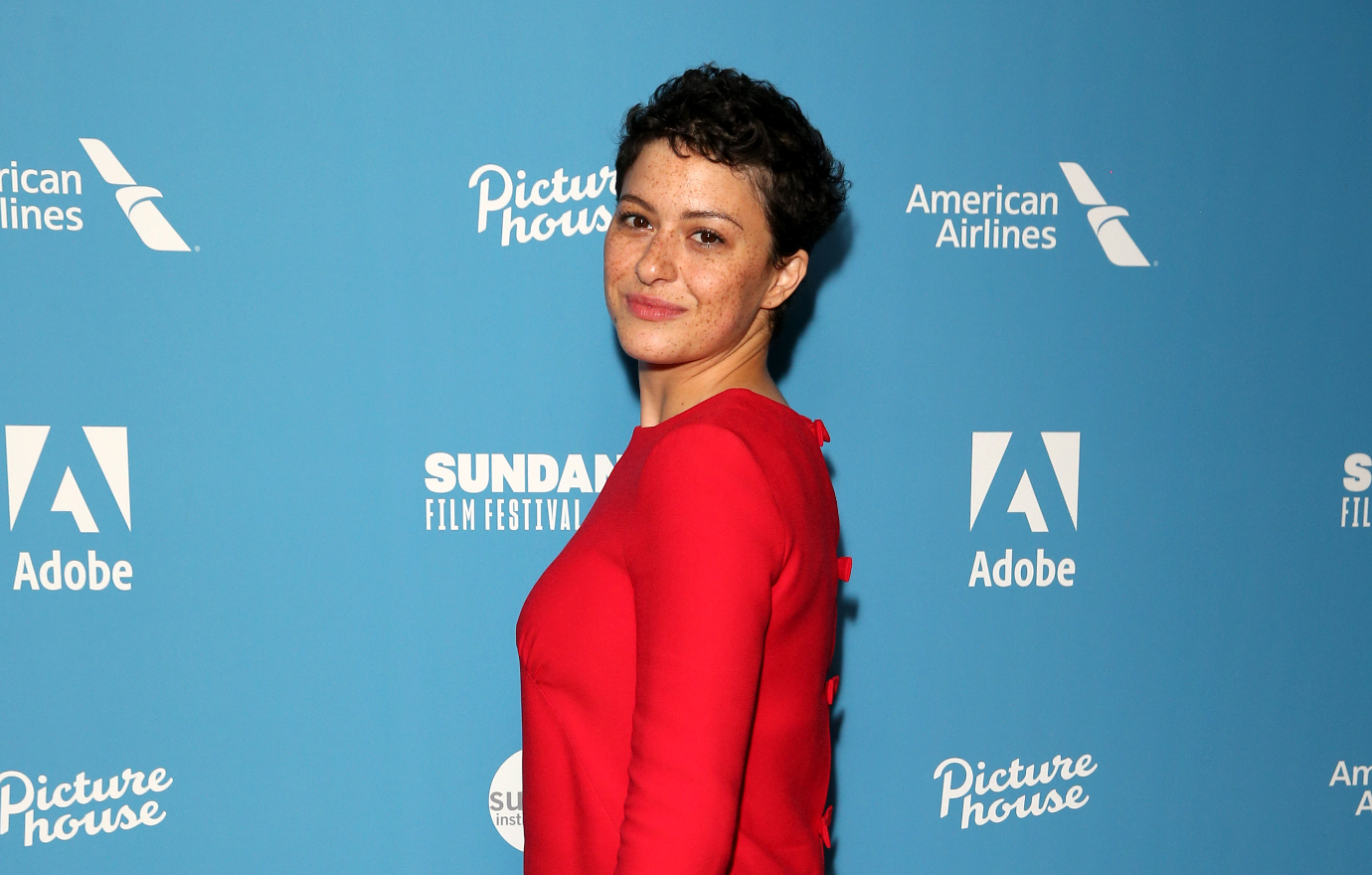
Alia Shawkat in 2003 and Her Rising Profile: A Career-Defining Year
In 2003, Alia Shawkat achieved her primary career breakthrough by landing the role of Maeby Fünke in the critically acclaimed Fox sitcom Arrested Development. This pivotal year transformed her from a promising child actress in cable dr...
In 2003, Alia Shawkat achieved her primary career breakthrough by landing the role of Maeby Fünke in the critically acclaimed Fox sitcom Arrested Development. This pivotal year transformed her from a promising child actress in cable dramas into a leading figure in the "single-camera" comedy revolution, establishing her long-term industry profile.
Contents
The Landscape of Alia Shawkat’s Career Pre-2003
To understand the magnitude of 2003 for Alia Shawkat, one must first look at the foundation she laid in the early 2000s. Born in Riverside, California, Shawkat began her professional acting journey at a young age, appearing in various commercials and minor television guest spots. However, her first significant exposure came through the television series State of Grace, which aired from 2001 to 2002.
In State of Grace, Shawkat played the lead role of Hannah Rayburn, a young girl living in 1960s North Carolina. The show was a nostalgic period piece that focused on the friendship between Hannah and Tana Schrick (played by Mae Whitman). This role was instrumental because it allowed Shawkat to demonstrate her ability to carry a series and navigate complex emotional arcs. It also introduced her to the collaborative nature of television production, a skill that would become essential when she joined the ensemble cast of a much more fast-paced comedy a year later.
By the end of 2002, State of Grace had concluded, leaving Shawkat at a crossroads. While she was a recognized talent within the industry, she had yet to find the project that would bridge the gap between "child actor" and "household name." That bridge arrived in the form of a pilot script for a radical new comedy about a wealthy family that lost everything.
The 2003 Breakthrough: Arrested Development and Maeby Fünke
The premiere of Arrested Development on November 2, 2003, marked a seismic shift in Shawkat's profile. Created by Mitch Hurwitz and executive produced by Ron Howard, the show was unlike anything else on network television at the time. It eschewed the traditional multi-camera format, laugh tracks, and predictable punchlines of the early 2000s in favor of a frenetic, layered, and often meta-fictional approach to comedy.
Shawkat was cast as Maeby Fünke, the rebellious daughter of Lindsay Bluth Fünke (Portia de Rossi) and Tobias Fünke (David Cross). Maeby was characterized by her cynicism, her ability to manipulate her self-absorbed parents, and her ongoing "cousin-romance" tension with George Michael Bluth (Michael Cera).
The Significance of the Role
Maeby Fünke was a departure from the typical teenage roles available to actresses in 2003. While many of her contemporaries were cast in idealized or overly dramatic roles on the WB or Disney Channel, Shawkat’s Maeby was grounded, street-smart, and deeply satirical. Her performance was noted for its deadpan delivery—a hallmark of her acting style that would define much of her later work.
In the episodes that aired during the fall of 2003, such as "Top Banana" and "Charity Drive," Shawkat proved she could hold her own against seasoned comedic veterans like Jeffrey Tambor and Jessica Walter. Her timing and chemistry with Michael Cera became one of the show's most beloved elements, providing a grounded (albeit strange) emotional core to a show that was otherwise centered on absurdity.
The Industry Reception and Critical Acclaim in 2003
The rising profile of Alia Shawkat in 2003 was not just a result of visibility, but of high-level critical validation. While Arrested Development struggled with low ratings in its initial run, critics were immediate in their praise. Television reviewers for publications like Variety and The Hollywood Reporter highlighted the ensemble's strength, frequently mentioning Shawkat and Cera as the breakout younger stars.
By late 2003, the industry had recognized the unique energy Shawkat brought to the screen. She was nominated for a Young Artist Award for Best Performance in a TV Series (Comedy or Drama) – Supporting Young Actress. This nomination was significant because it placed her in the context of the best young talent of the era, but specifically for a project that was pushing the boundaries of the medium.
Impact on the "Indie" Icon Persona
It was during this time that the seeds of Shawkat’s "indie" reputation were sown. Because Arrested Development was a "cult favorite" rather than a mainstream juggernaut, its cast members developed a cool, intellectual cachet. Shawkat became synonymous with a specific type of sophisticated, alternative comedy that would eventually lead her to projects like Whip It, The Final Girls, and eventually her own series, Search Party.
Technical Analysis of Shawkat’s Acting Style in 2003
What specifically contributed to her rising profile was her mastery of the "underplay." In a show where characters like Tobias or GOB Bluth were constantly "overacting" or engaging in slapstick, Shawkat’s Maeby was the observer.
- Deadpan Delivery: In 2003, deadpan was becoming a popular comedic tool, but it was rarely executed well by teen actors. Shawkat’s ability to deliver lines with zero inflection allowed the writing's irony to shine.
- Physicality: Even as a 14-year-old, Shawkat understood the power of a reaction shot. Her facial expressions—often conveyances of mild disgust or amusement at her parents' antics—became essential for the show’s editing style.
- Maturity of Tone: Shawkat possessed a vocal maturity and presence that made her "con artist" storylines (such as Maeby pretending to be a film executive) believable within the heightened reality of the show.
Comparing Milestones: Pre-2003 vs. Post-2003
The following table illustrates the shift in Alia Shawkat’s career trajectory sparked by the events of 2003.
| Feature | Pre-2003 Status (State of Grace Era) | Post-2003 Status (Arrested Development Era) |
|---|---|---|
| Primary Genre | Period Drama / Coming-of-Age | Avant-garde Ensemble Comedy |
| Industry Standing | Promising Youth Talent | Breakout Star of a Critical Hit |
| Public Recognition | Niche Cable Audience | National Network Exposure (Fox) |
| Acting Style | Sincere, Emotional, Narrative | Deadpan, Satirical, Meta-fictional |
| Collaborative Circle | Standard TV Directors | Mitch Hurwitz, Ron Howard, David Cross |
| Award Profile | Emerging Actor | Young Artist Award Nominee |
The Cultural Context of 2003 Television
The year 2003 was a transition period for television. The "Golden Age of TV" was beginning to take shape, with shows like The Sopranos and The Wire dominating the drama landscape. Comedy was also evolving; the era of the "Must See TV" sitcom was fading, and audiences were looking for something more sophisticated.
Alia Shawkat’s rise coincided perfectly with this shift. She represented a new generation of actors who weren't trained in the traditional sitcom school of "setup-setup-punchline." Her profile rose because she was the face of the "new" comedy—smarter, faster, and more cynical. This alignment with the changing tastes of the audience ensured that even when Arrested Development was eventually cancelled (and later revived), Shawkat’s career remained on an upward trajectory.
Long-term Legacy of the 2003 Breakout
Looking back from 2026, the importance of 2003 in Shawkat’s filmography cannot be overstated. It was the year she established the professional identity she would carry for the next two decades. The role of Maeby Fünke allowed her to avoid the pitfalls of many child stars; she was never seen as a "cute kid" but rather as a competent, funny, and slightly dangerous performer.
This foundation allowed her to transition seamlessly into independent film and eventually into producing and writing. The connections she made in 2003—particularly with the Bluth family cast—remained relevant for years, leading to the Netflix revival of Arrested Development in 2013 and 2018, which further solidified her place in the cultural zeitgeist.
Frequently Asked Questions
How old was Alia Shawkat in 2003?
Alia Shawkat was 14 years old during the premiere and initial broadcast of Arrested Development in 2003. She was born on April 18, 1989.
What was Alia Shawkat’s first major role before 2003?
Her first major role was playing Hannah Rayburn in the series State of Grace, which aired on Fox Family (later ABC Family) from 2001 to 2002. This role established her as a capable lead actress before her comedy breakout.
Did Alia Shawkat win any awards for her work in 2003?
While she did not win a major Emmy that year, she received a Young Artist Award nomination for her role as Maeby Fünke. The ensemble of Arrested Development also began receiving critical nominations that would eventually lead to several wins in subsequent years.
How did the character Maeby Fünke influence Shawkat's career?
The character’s satirical and rebellious nature allowed Shawkat to be cast in more mature, "alternative" roles throughout her career. It prevented her from being typecast in traditional "girl next door" roles and paved the way for her success in independent cinema.
Who was Alia Shawkat’s frequent scene partner in 2003?
Her most frequent scene partner was Michael Cera, who played her cousin George Michael Bluth. Their onscreen chemistry was a highlight of the show’s first season and contributed significantly to both actors' rising profiles in 2003.
Was Arrested Development popular in 2003?
Critically, it was one of the most popular shows of 2003, winning several awards early on. However, in terms of viewership numbers (ratings), it struggled to find a massive audience on Fox, which contributed to its eventually becoming a "cult classic."
Practical Recommendation for Researchers and Fans
To truly appreciate the rise of Alia Shawkat’s profile in 2003, it is recommended to view the first season of Arrested Development specifically through the lens of early-2000s television trends. Pay close attention to the contrast between her character and the teen archetypes found in other 2003 shows like The O.C. or Lizzie McGuire. This comparison reveals why Shawkat was considered a breath of fresh air in the industry and how she successfully navigated the transition from child actor to an adult artist with a distinct, influential voice.
Image Gallery