Perma Pier Foundation Repair of Texas: Commercial Foundation Crack Sealing Protocols
Foundation stability is the cornerstone of commercial asset longevity, particularly in the expansive and moisture-sensitive clay soils common throughout Texas. When structural integrity is compromised by subsurface shifts, professional...
Foundation stability is the cornerstone of commercial asset longevity, particularly in the expansive and moisture-sensitive clay soils common throughout Texas. When structural integrity is compromised by subsurface shifts, professional intervention becomes necessary to prevent catastrophic failure or costly operational downtime. Perma Pier Foundation Repair of Texas utilizes specialized techniques to address these concerns, focusing on technical diagnostic assessments and precise crack sealing methods designed to restore the structural continuity of concrete slabs and masonry support systems in commercial environments.
Contents
Understanding Commercial Foundation Vulnerabilities in Texas
Commercial structures face distinct challenges compared to residential properties, primarily due to larger footprints, significant dead loads, and specific occupancy requirements. The soil composition in many parts of Texas, particularly the prevalence of expansive clays, creates a cyclical process of swelling during wet seasons and shrinking during droughts. This movement exerts substantial uplift and settling pressures on grade beams and slab foundations.
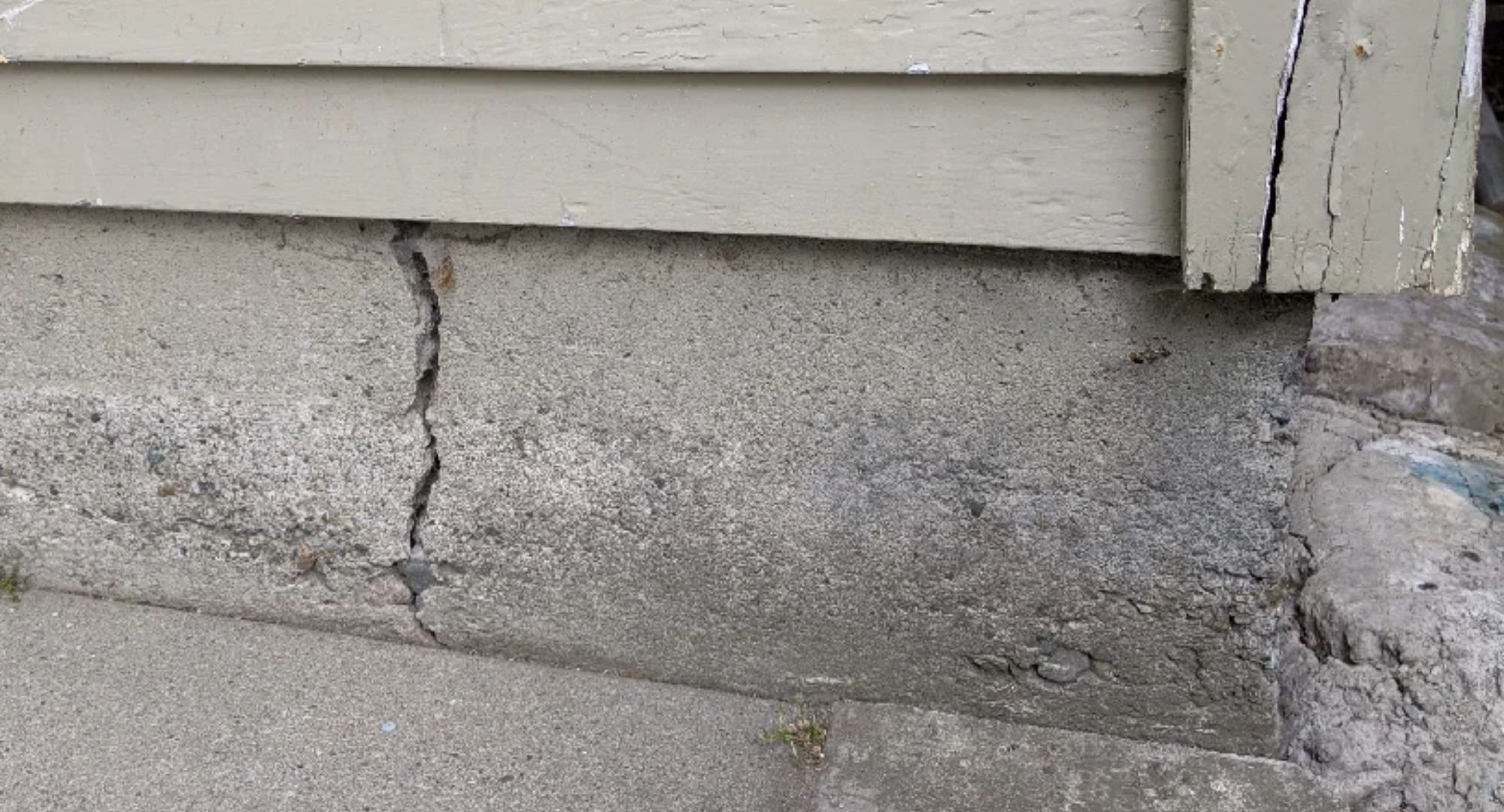
For commercial facility managers and property owners, foundation cracks are rarely just cosmetic. They often serve as early warning signs of differential settlement—a condition where different parts of a building settle at different rates. If left unaddressed, these cracks allow moisture infiltration into the subsurface, which can corrode reinforcement steel (rebar), undermine soil density, and lead to widespread structural compromise.
Identifying Structural vs. Non-Structural Cracks
Before any repair strategy is deployed, professional diagnostic teams must differentiate between minor shrinkage cracks and those indicating active structural movement.
- Shrinkage Cracks: Typically occurring during the curing process of concrete, these are often narrow and localized. They do not usually indicate a failure of the support system.
- Structural/Differential Settlement Cracks: These are often wider than 1/8th of an inch, diagonal in orientation, or accompanied by visible offsets in floor elevation. These cracks suggest the building is "twisting" or sinking, requiring remedial underpinning or localized crack sealing and stabilization.
Perma Pier Foundation Repair Methods for Commercial Assets
The philosophy behind commercial repair by specialized providers like Perma Pier involves a dual-phase approach: stabilization of the underlying soil and the sealing of the foundation interface to prevent future degradation.
Diagnostic Assessment
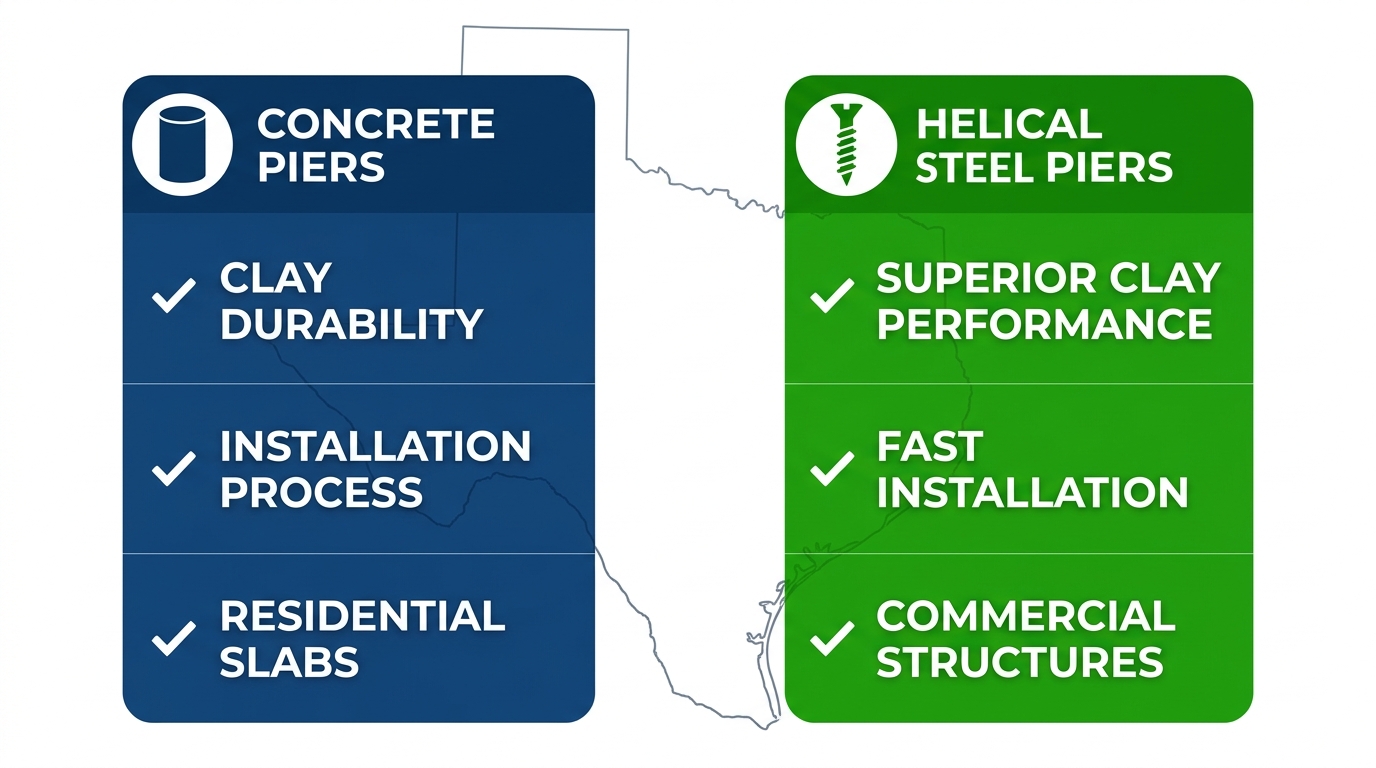
Professional intervention begins with a site-specific geotechnical analysis. This involves measuring elevation gradients across the commercial floor plan and identifying the root cause of the foundation movement. In many cases, commercial crack sealing is part of a larger plan that may include installing pressed pilings or steel piers to transfer the building’s load to deeper, more stable soil strata.
Injection-Based Crack Sealing
Once the building’s elevation has been stabilized or deemed structurally sound, crack sealing is performed using advanced materials designed for the high-stress environment of a commercial property.
- Preparation: The crack is cleaned of debris, loose concrete, and contaminants using high-pressure air or mechanical routing. A clean substrate is essential for the bonding agent to adhere effectively.
- Epoxy or Polyurethane Injection: Depending on the nature of the crack, high-strength epoxy or expanding polyurethane is injected into the void under pressure.
- Epoxy resins are typically used when structural strength is required, as they effectively "weld" the crack back together, restoring the monolithic strength of the concrete.
- Polyurethane foams are often selected for active water-leaking cracks because they expand to fill the void and remain flexible, accommodating minor future movements without fracturing.
- Surface Finishing: Excess material is removed, and the area is sealed to match the surrounding surface, protecting the repair from environmental exposure.
Comparing Foundation Repair and Sealing Technologies
Selecting the appropriate material for foundation sealing depends on the specific requirements of the commercial project, such as load-bearing needs and water-control mandates.
| Material Type | Primary Application | Structural Bonding | Flexibility |
|---|---|---|---|
| Low-Viscosity Epoxy | Hairline to medium structural cracks | High | Low |
| High-Pressure Polyurethane | Leaking cracks, wet environments | Moderate | High |
| Hydraulic Cement | Surface-level patching/plugging | Low | Negligible |
| Steel Piering (Underpinning) | Active, large-scale settlement | N/A (Load Support) | N/A |
The Role of Preventive Maintenance in Commercial Real Estate
Maintaining a commercial foundation in Texas requires a proactive strategy rather than a reactive one. The climate—characterized by extreme heat and periodic heavy rainfall—places constant stress on building materials. Property managers should establish a routine monitoring schedule to detect crack formation before they expand into critical failures.
Monitoring Indicators
- Wall/Slab Aperture Monitoring: Periodically measuring the width of existing cracks to determine if they are "active" (still moving) or "stable."
- Water Management: Inspecting and maintaining the grading around the commercial structure. Ensuring water drains away from the foundation is the single most effective way to prevent soil-related movement.
- Plumbing Integrity: Conducting regular hydrostatic testing of the building’s plumbing system. Leaks beneath a slab are a primary cause of rapid foundation failure in Texas, as the moisture softens the supporting soil.
Common Challenges and Limitations
Even with professional-grade repair, there are inherent limitations. Crack sealing is not a panacea for severe structural failure; if the soil is actively shifting due to poor drainage or extreme environmental conditions, sealing the cracks will not stop the settlement. In such cases, the structural cause—often the lack of deep-soil support—must be addressed first.
Furthermore, commercial buildings with heavy industrial machinery or significant foot traffic may require specific curing times for repair materials to ensure they achieve their rated load-bearing capacity before the area is returned to full operational service. Always consult with a licensed structural engineer or professional foundation contractor to confirm that the proposed repair matches the load requirements of the specific facility.
Frequently Asked Questions
1. Does crack sealing alone solve foundation settlement in commercial buildings? No. Crack sealing is typically a restorative or maintenance step to stop water infiltration and restore aesthetic or surface integrity. If the foundation is actively settling, structural support, such as steel pier installation, must be performed first to stabilize the building.
2. How long does the epoxy or polyurethane seal typically last? When professionally applied to a clean, stable surface, these materials are designed to last the life of the concrete structure. However, their longevity depends on the underlying soil remaining stable.
3. Is it necessary to hire a structural engineer for commercial foundation repairs? For commercial properties, it is highly recommended. An engineer can evaluate the extent of the damage, ensure the repair plan meets local building codes, and verify that the proposed solution effectively addresses the structural cause of the cracking.
4. Can foundation repairs be performed while the commercial building is occupied? In many cases, yes. Professional contractors use non-invasive or low-impact methods to minimize disruptions. However, depending on the severity of the repair, specific work zones may need to be cordoned off for safety and to allow for proper material curing.
5. What is the difference between piering and crack sealing? Piering is a structural intervention that installs metal or concrete supports to stabilize the building’s load. Crack sealing is a remedial or maintenance action that fills existing voids in the concrete to prevent further moisture damage and restore surface consistency.
Next Steps for Facility Managers
If you notice signs of structural movement or significant cracks in your commercial foundation, initiate an inspection immediately. Contact a qualified foundation expert to conduct an elevation survey and document the width and progression of existing cracks. Maintain a log of these observations to provide to a structural engineer, as this documentation is critical for determining whether the issue requires minor sealing or a comprehensive structural stabilization plan.
Image Gallery