How to Clean an Induction Stove Top: Step-by-Step Instructions
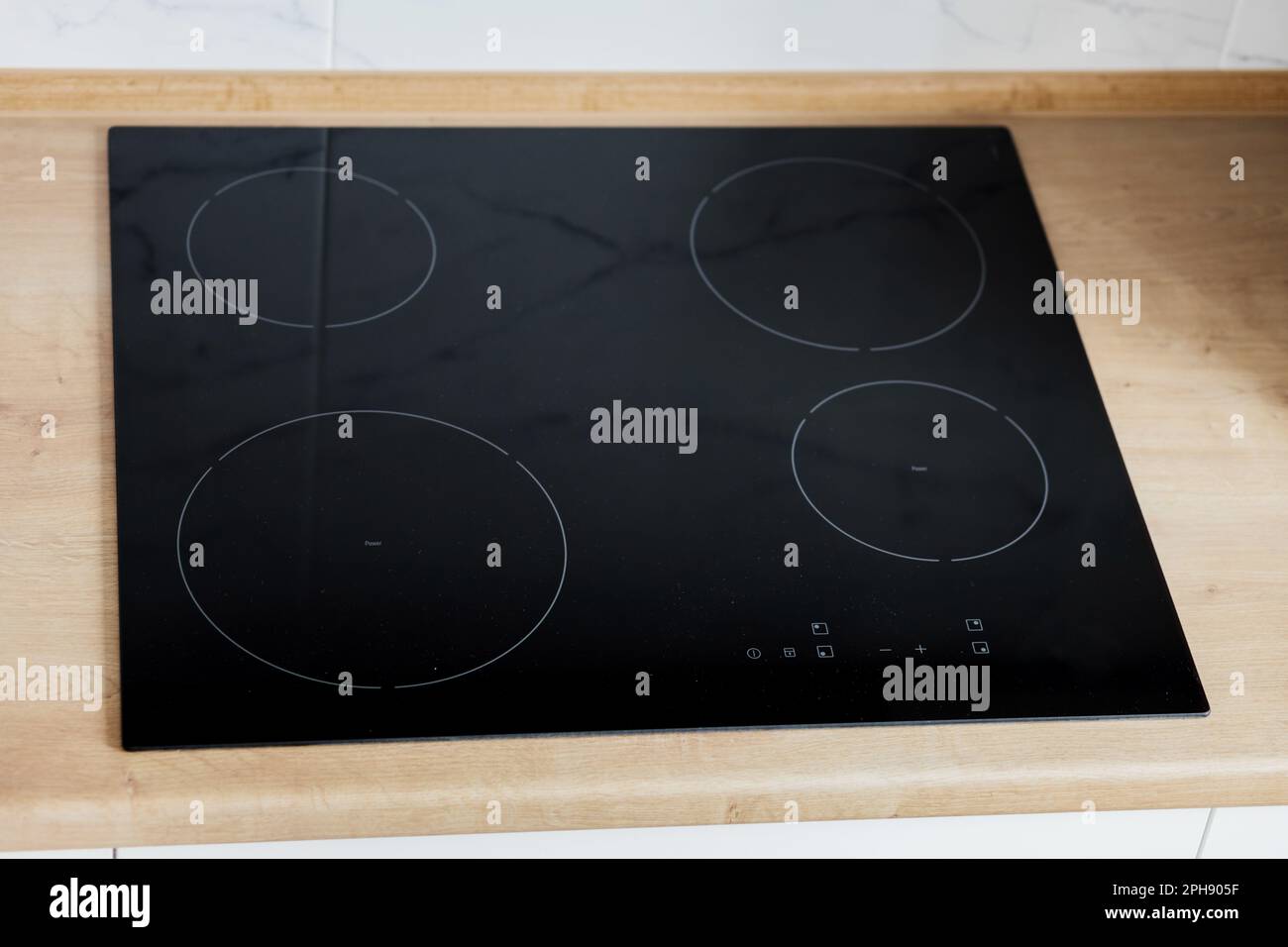
Cleaning an induction stove top requires a disciplined approach because the surface is typically made of glass-ceramic, which is susceptible to scratching and thermal shock. Unlike gas burners or traditional electric coils, induction c...
Cleaning an induction stove top requires a disciplined approach because the surface is typically made of glass-ceramic, which is susceptible to scratching and thermal shock. Unlike gas burners or traditional electric coils, induction cooktops remain relatively cool during the cooking process, meaning spills are less likely to bake on instantly. However, residue accumulation is inevitable. By following a methodical cleaning procedure, you can maintain the aesthetic appeal and operational efficiency of your appliance without damaging the delicate glass surface.
Contents
Prerequisites and Necessary Supplies
Before beginning the cleaning process, ensure the cooktop has completely cooled. While induction surfaces do not generate heat directly, they absorb residual heat from the cookware. Attempting to clean a hot surface can cause cleaning agents to evaporate prematurely, leaving streaks, or may even crack the glass if cold water is applied to a hot zone.
Gather the following items to ensure a safe and effective cleaning session:
- Non-abrasive microfiber cloths: Essential for wiping without leaving lint or causing micro-scratches.
- Specialized glass-ceramic cleaner: Use products specifically formulated for induction or glass cooktops, which are designed to lift grease without etching the finish.
- A specialized scraper (razor blade type): Only to be used for stubborn, burnt-on food remnants. Ensure the blade is sharp and rust-free.
- White distilled vinegar: A mild, natural acidic cleaner helpful for removing water spots and light grime.
- A non-scratch scrubbing pad: Use only versions explicitly labeled "safe for glass-ceramic" to avoid permanent surface damage.
Preparation: Clearing the Surface
The first step in any maintenance routine is the removal of physical debris. If you have been cooking, remove all pots and pans from the surface. Use a dry paper towel or a soft, clean cloth to wipe away any loose crumbs, salt, or dried food particles. If you proceed to wet cleaning while these particles are present, you risk dragging grit across the glass, which can cause visible scratches. If you notice significant spills that have hardened, do not attempt to scrub them immediately with an abrasive pad. Instead, soften the area first.
Step-by-Step Cleaning Process
To achieve a streak-free, clean finish, follow these sequential steps:
- Spot-Treat Heavy Deposits: Apply a small amount of your specialized cooktop cleaner to the burnt-on areas. Allow the product to sit for two to five minutes. This dwell time is critical as it breaks the molecular bond between the carbonized food and the glass.
- Scraping for Stubborn Remnants: Hold the specialized razor scraper at a 45-degree angle to the glass surface. Using light, steady pressure, gently push the scraper underneath the burnt residue. Keep the blade flat against the surface to prevent the corners from digging into the glass. If the residue does not come off easily, re-apply the cleaning solution and wait longer.
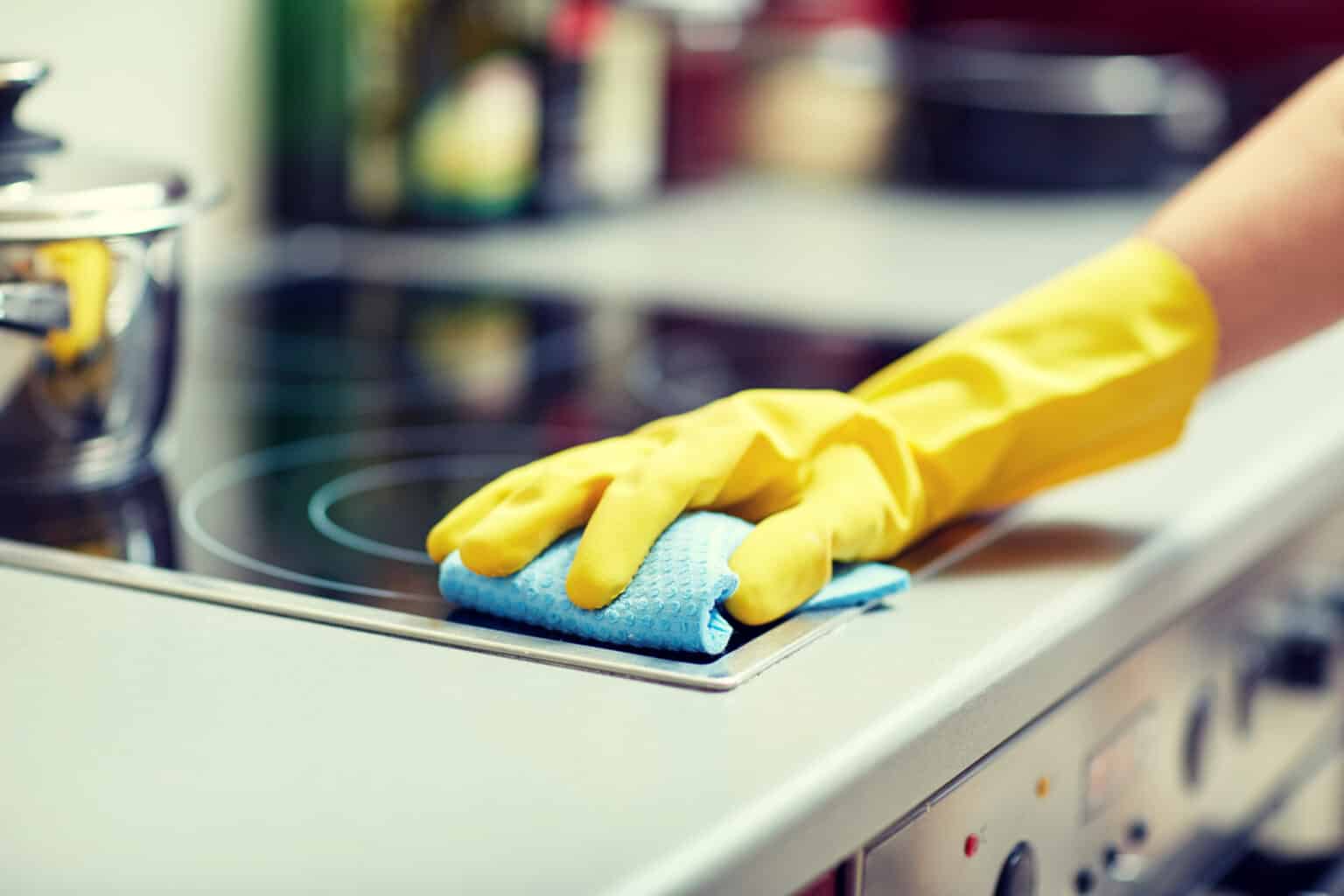
- General Cleaning: Apply the cleaning cream to the entire surface of the induction unit. Use a damp microfiber cloth or the designated non-scratch scrub pad to distribute the cleaner in a circular motion. This step degreases the surface and removes any lingering oils.
- Rinsing: Wipe away the cleaning residue with a clean, damp cloth. It is vital to remove all traces of cleaning product, as high-heat contact with leftover chemical residue can sometimes cause pitting on the glass surface during subsequent use.
- Buffing: Using a clean, dry microfiber cloth, buff the surface in a circular motion until the glass appears clear and shiny.
Comparison of Cleaning Methods and Products
| Method | Best For | Risk Level |
|---|---|---|
| Microfiber & Water | Daily maintenance, light dust | Negligible |
| Vinegar Solution | Removing water spots and light grease | Low |
| Cream Cooktop Cleaner | Routine cleaning, grease removal | Low |
| Razor Scraper | Heavily burnt-on sugar or starch | High (requires skill) |
Common Mistakes to Avoid
The most frequent error in induction stove maintenance is the use of inappropriate cleaning tools. Steel wool, scouring pads, and abrasive scouring powders (such as those containing pumice or bleach) will permanently mar the glass-ceramic surface. Over time, these fine scratches accumulate, creating a dull finish that traps grease, making future cleaning significantly more difficult.
Furthermore, avoid using high-pressure steam cleaners directly on the glass. The rapid temperature fluctuation caused by localized high-heat steam can lead to stress fractures in the glass. Additionally, never use the stove top as a cutting board or a shelf. The vibration of a heavy knife or the impact of a falling object can result in cracks that, while not always breaking the surface immediately, compromise the integrity of the cooktop’s electronic components housed beneath.
Troubleshooting Persistent Issues
If you encounter white, hazy rings around the burner zones, these are often mineral deposits from cookware or water. These are easily removed by applying a 50/50 mixture of water and white vinegar, allowing it to sit for a few minutes, and wiping clean.
If you observe brownish discoloration, this is typically heat-stained grease that has been improperly cleaned in the past. Repeated applications of a specialized cooktop cleaner combined with gentle use of a scraper are usually effective. If the discoloration persists, it may be "permanent" heat damage within the glass, which usually cannot be reversed through cleaning.
Summary of Safety and Maintenance
Always prioritize the manual provided by your specific manufacturer. While the general instructions above apply to almost all glass-ceramic induction units, some brands (such as those using specific metallic coatings or glass-ceramic blends) may have proprietary cleaning recommendations or restrictions.
The longevity of your induction stove top is heavily dependent on daily habits. By cleaning the surface after every use—once it has cooled—you prevent the accumulation of layers of grease that eventually harden into carbonized crusts. This proactive maintenance minimizes the need for aggressive tools like scrapers, thereby extending the life and clarity of your appliance.
Frequently Asked Questions
Can I use baking soda to clean my induction cooktop? Baking soda is a mild abrasive. While some users report success, it is generally discouraged by most major appliance manufacturers because it can create microscopic scratches over time. Stick to cream-based cleaners specifically formulated for ceramic glass.
Why does my induction stove top show scratches even though I am careful? Scratches are often caused by the movement of heavy pots across the surface, especially those with rough or uneven bottoms (like cast iron). Always lift your cookware rather than sliding it, and ensure the bottom of your pans are clean before placing them on the burner.
How often should I use the scraper tool? The scraper should be used only as a last resort for stubborn, localized food spills that do not respond to soft cleaning methods. It is not intended for routine maintenance of the entire cooktop.
Is it safe to use window cleaner on my induction stove? Most window cleaners contain ammonia, which can leave a film on the glass or cause streaking under high heat. While not immediately damaging, it is not the most effective product for removing the specific types of grease and food residue found on a stove.
What should I do if the glass cracks? If the glass surface cracks, stop using the cooktop immediately. Moisture or food debris entering the crack can reach the induction coils and electronics beneath, creating a significant fire or electrical hazard. Contact a certified service technician for a replacement panel.
For the best results, dedicate one clean microfiber cloth specifically to your stove top to prevent cross-contamination from other kitchen surfaces. Consistency in your cleaning routine is the most effective way to ensure your cooktop remains in pristine condition for years to come.
Image Gallery