How the NELK Boys Monetize Their YouTube Brand Despite Demonetization
The NELK Boys have maintained a highly profitable business model on YouTube despite frequent demonetization of their primary channel. By shifting their financial reliance away from Google AdSense toward direct-to-consumer merchandising...
The NELK Boys have maintained a highly profitable business model on YouTube despite frequent demonetization of their primary channel. By shifting their financial reliance away from Google AdSense toward direct-to-consumer merchandising, brand partnerships, and membership platforms, they have decoupled their creative content output from YouTube’s fluctuating advertising policies.
Contents
Understanding the Demonetization Landscape
For many creators, demonetization serves as a significant hurdle, as YouTube’s automated systems often flag content for mature themes, controversial stunts, or aggressive pranks. For the NELK Boys, this has historically been a recurring issue. Their brand identity, rooted in "Full Send," focuses on high-energy, often provocative, and unconventional challenges that frequently clash with YouTube’s "Advertiser-Friendly Content Guidelines."
When a video is demonetized, the creator no longer receives a share of the revenue generated by display, overlay, or video ads that run alongside their content. For traditional influencers, this would mean the end of a career. However, the NELK Boys evolved their business structure to treat YouTube not as a primary revenue source, but as a top-of-funnel marketing asset. This strategic shift allows them to prioritize high-engagement, viral content that drives traffic to their own proprietary platforms, where they maintain full control over the monetization process.
The Power of Full Send Merchandising
The backbone of the NELK Boys' revenue model is their merchandise line, Full Send. By cultivating a cult-like following, they have successfully transformed their audience into a customer base. Unlike AdSense, which pays a fraction of a cent per view, direct sales from apparel, accessories, and lifestyle products generate significantly higher margins.
By branding their content with the "Full Send" slogan, the group creates an omnipresent marketing engine within their videos. Viewers are constantly exposed to the brand, making the transition from "viewer" to "consumer" seamless. Because this revenue stream is entirely independent of YouTube’s backend, even if a video is demonetized or shadowbanned, the sales generated through their Shopify-backed e-commerce site remain untouched.
Diversification through Brand Partnerships
Beyond physical products, the group has leaned heavily into large-scale brand partnerships. Companies willing to pay for direct access to their massive, highly engaged young adult demographic do not follow the same strict "brand safety" criteria as Google’s programmatic advertisers.
By integrating brand deals directly into the script—often referred to as native advertising—the NELK Boys ensure that even their most "demonetized" videos provide high value to their sponsors. These deals often involve long-term agreements with supplement companies, betting platforms, and lifestyle brands, providing a level of financial stability that is disconnected from the whims of algorithmic demonetization.
Membership Platforms and Exclusive Content
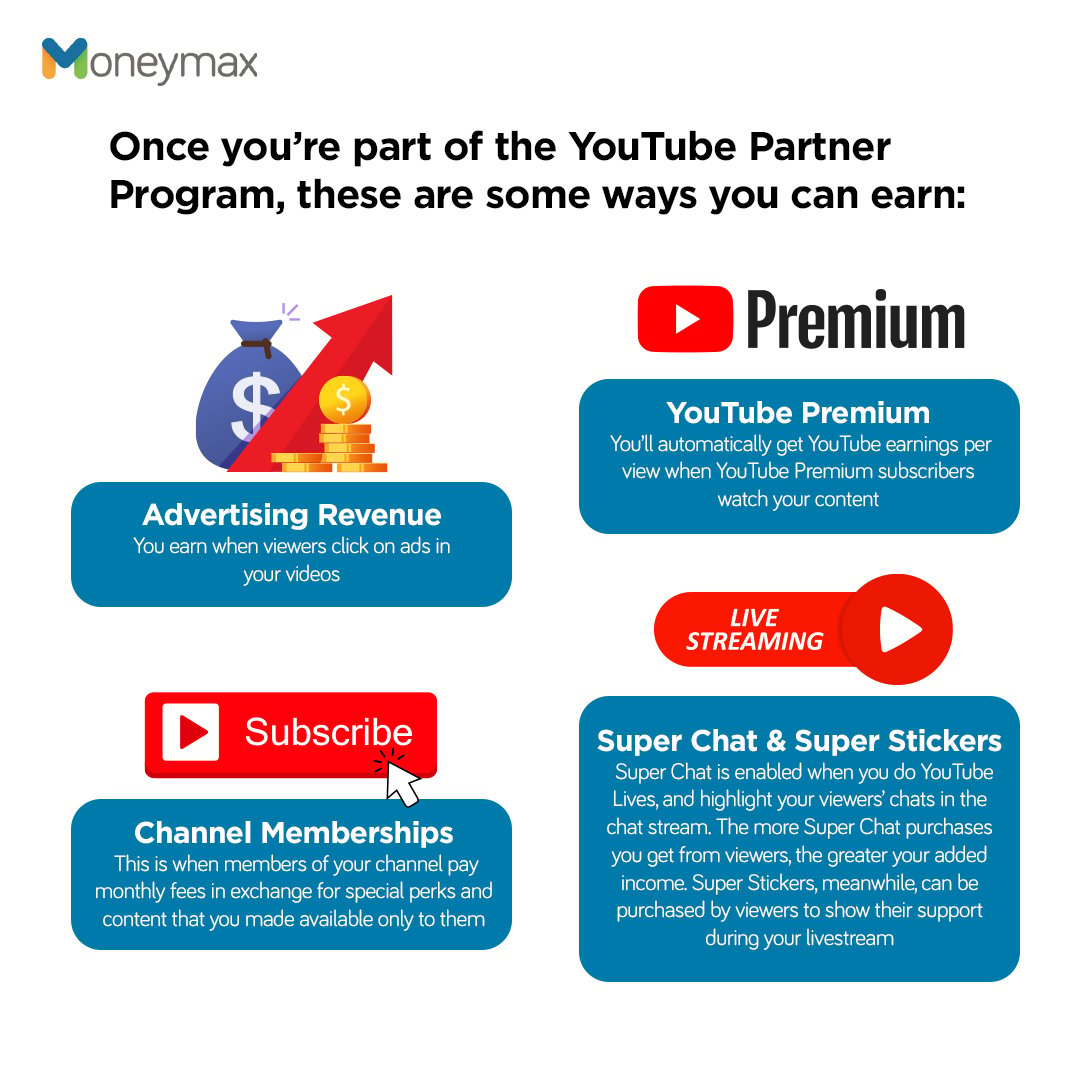
In recent years, the group has diversified further by leveraging paid membership tiers. Platforms like their own exclusive apps or private newsletters allow them to monetize their most dedicated fans directly. This model provides recurring monthly revenue, which is more predictable and reliable than the variable nature of viral video advertising.
This approach creates a tiered experience:
- YouTube Content: High-volume, viral content designed for broad reach, discovery, and brand awareness.
- Paid Memberships: Exclusive, uncensored content, behind-the-scenes access, and community benefits for the "inner circle."
This structure essentially allows them to subsidize their "free" content through the revenue generated by their most loyal subscribers.
Comparison of Monetization Methods
| Method | Revenue Predictability | Reliance on YouTube | Primary Goal |
|---|---|---|---|
| AdSense | Low (Variable) | High | Passive Income |
| Merchandising | Medium | Low | Profit Margins |
| Brand Deals | High (Contractual) | Moderate | Revenue/Exposure |
| Memberships | High (Recurring) | Low | Community Loyalty |
Mitigating Risks Through Brand Autonomy
The NELK Boys’ ability to survive demonetization is a case study in media independence. By building their own digital infrastructure, they have mitigated the "platform risk" that haunts many other creators. If a channel were to be fully terminated or restricted, the strength of their "Full Send" brand—which exists across various social platforms—would remain.
Their strategy acknowledges a fundamental shift in the creator economy: content is no longer the product; content is the marketing for the brand. This realization allows them to engage in the type of high-risk, high-reward content creation that draws in millions of viewers, knowing that their business model does not rely on the approval of corporate ad-network algorithms.
Challenges and Future Considerations
While this strategy has proven effective, it is not without its own set of risks. Building an e-commerce empire and managing logistics, supply chains, and customer service requires a vastly different set of skills than content creation. Furthermore, relying on brand deals and lifestyle products requires constant maintenance of the "Full Send" image, which can be exhausting for the individuals involved.
Additionally, as regulatory scrutiny on influencer marketing increases—specifically regarding endorsements and the promotion of certain types of platforms—the NELK Boys must continue to navigate complex legal and ethical landscapes. Their success in 2026 relies on their ability to balance the edgy, unfiltered nature of their content with the requirements of professional business management and regulatory compliance.
Frequently Asked Questions
Why does YouTube demonetize the NELK Boys? YouTube demonetizes content that it deems "not advertiser-friendly." Given the nature of their stunts, pranks, and discussions, the NELK Boys frequently trigger automated systems designed to filter out content that brands may find controversial or risky to be associated with.
Do the NELK Boys lose money when a video is demonetized? They lose the potential AdSense revenue for that specific video. However, because their business model relies on brand deals and merchandise sales, they do not lose the primary income streams associated with the video’s reach and marketing power.
How does Full Send impact their revenue? Full Send is their proprietary brand. By selling apparel and lifestyle products, they capture 100% of the profit margin on every sale, rather than relying on the small, split revenue share offered by the YouTube Partner Program.
Is it possible to replicate their business model? Replicating this model requires a massive, dedicated audience and a high level of brand recognition. It is a high-capital, high-effort strategy that typically requires an entire team of professionals to manage e-commerce logistics and corporate partnerships.
What is the next step for a creator facing demonetization? Creators facing consistent demonetization should prioritize building an owned audience, such as an email list, a dedicated membership platform, or a proprietary mobile application. Reducing reliance on platform-specific ad revenue is the most effective long-term defense against algorithmic changes.
Final Recommendation
For creators looking to emulate the financial independence of the NELK Boys, the most actionable step is to move your audience off of rented platforms. Focus on building an email list or a subscription-based platform where you control the relationship with your fans. Once you have a direct line to your audience, develop a product or service that adds tangible value to their lives, effectively decoupling your income from the volatility of algorithmic ad revenue.
Image Gallery