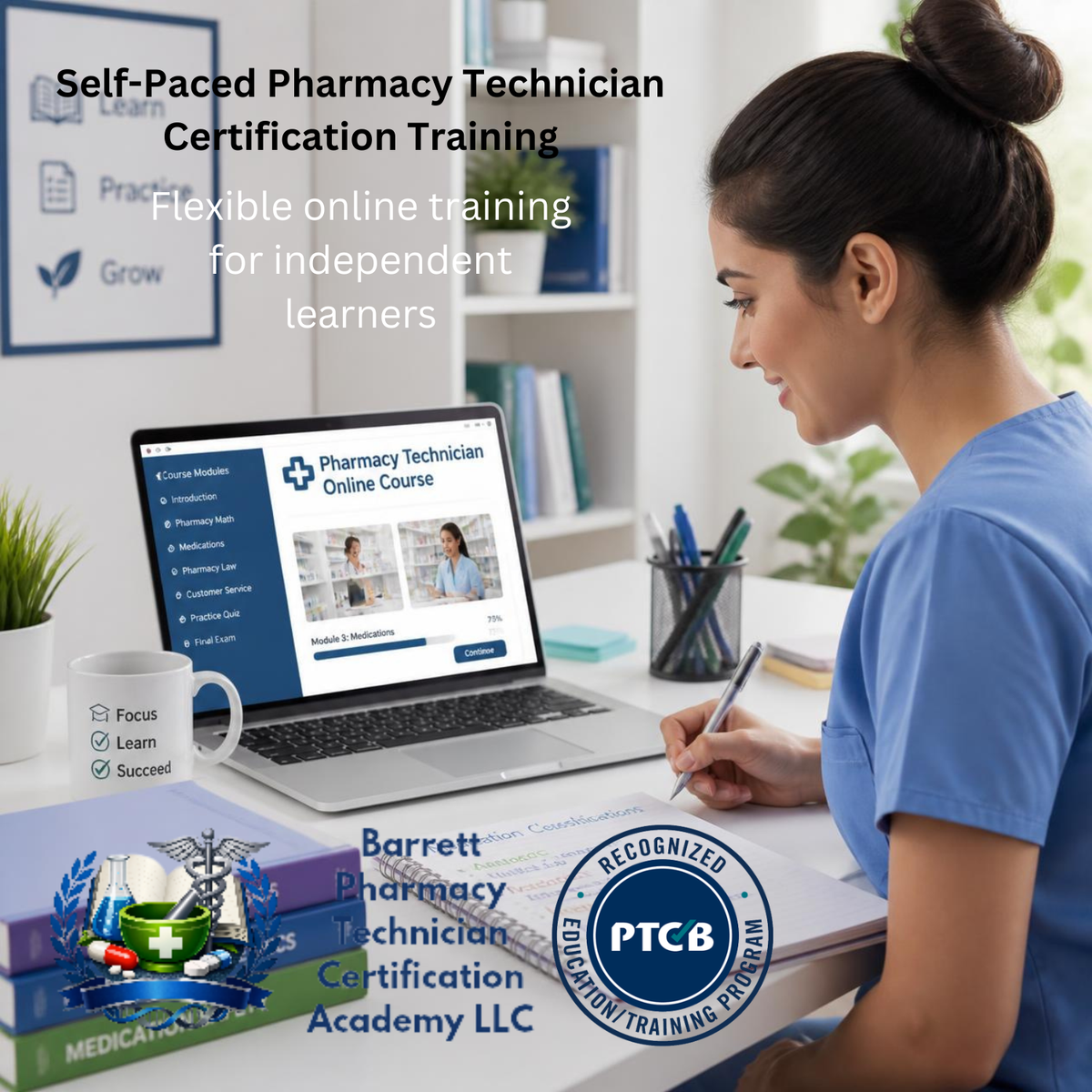
Understanding the Cost of Pharmacy Technician Course
Entering the healthcare field as a pharmacy technician requires balancing education expenses against potential earnings, with total program costs generally ranging from several hundred dollars for community college certificates to upwa...
Entering the healthcare field as a pharmacy technician requires balancing education expenses against potential earnings, with total program costs generally ranging from several hundred dollars for community college certificates to upwards of $15,000 for specialized private career schools.
Contents
Navigating the financial landscape of healthcare education requires looking past the baseline sticker price. Aspiring pharmacy technicians often face a web of variable expenses, including tuition, state registration fees, certification exam costs, and mandatory clinical supplies. Understanding these financial components helps prospective students choose programs that align with their career goals without accumulating unmanageable debt. This guide breaks down the precise financial commitments involved, analyzes the differences between program types, and highlights hidden expenses to help you budget accurately for your training.
Overview of Pharmacy Technician Training Programs
Pharmacy technician training comes in several formats, each carrying a different price tag and time commitment. Broadly speaking, educational pathways split into two main categories: formal institutional training and employer-sponsored on-the-job training.
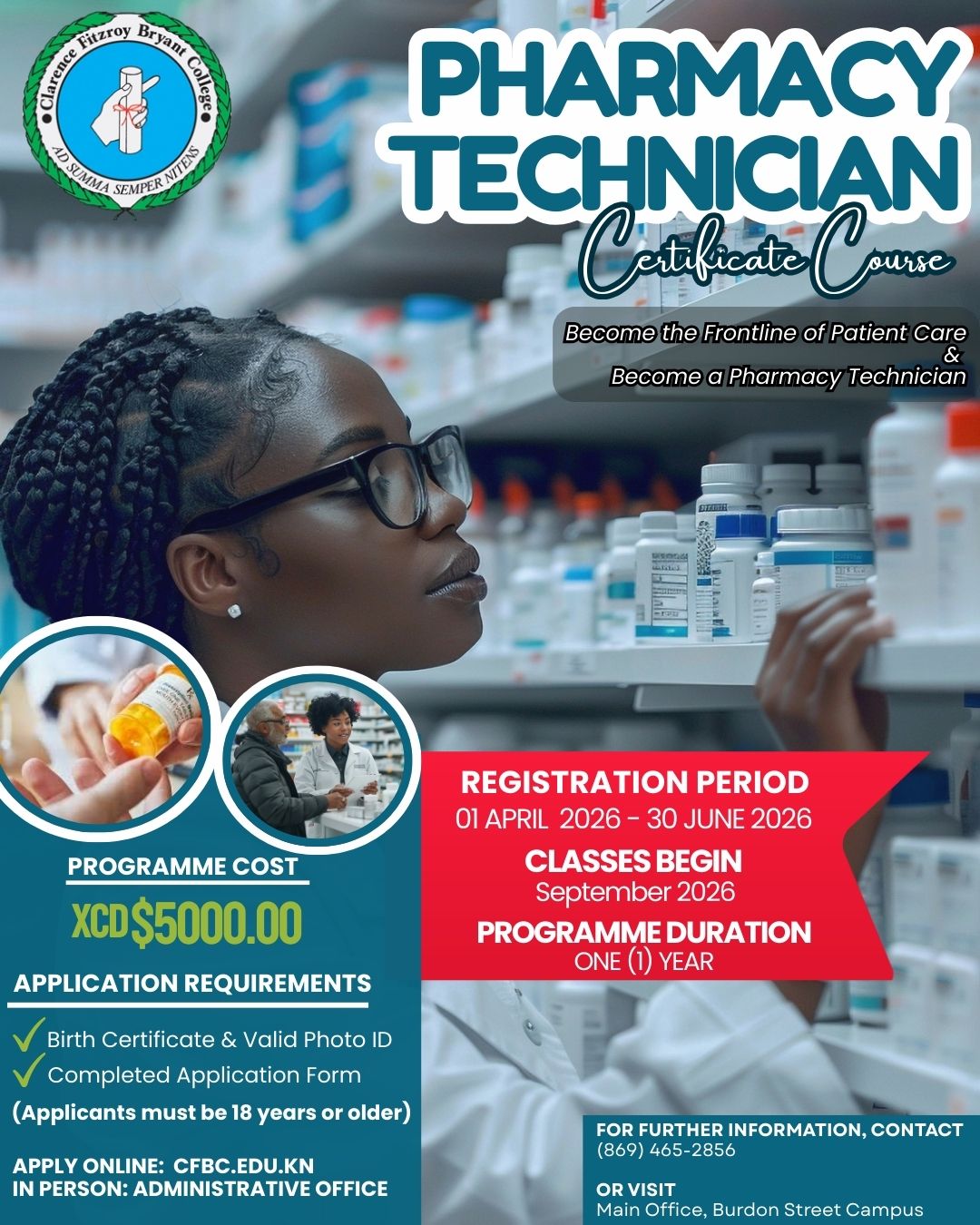
Formal education is typically delivered through community colleges, technical vocational schools, and specialized private career institutes. Community colleges offer the most cost-effective formal route, often providing certificate programs or diplomas that take between six months and one year to complete. Associate degrees are also available, though they require a two-year commitment and introduce higher general education expenses. Private career schools, by contrast, focus on accelerated curricula that can be completed in as little as three to nine months, but they command substantially higher tuition rates due to specialized placement services and flexible scheduling options.
Alternatively, many major retail pharmacy chains—such as CVS, Walgreens, and Kroger—offer formal internal training programs. These employers hire candidates as trainees, pay for their training materials, and prepare them to take the Pharmacy Technician Certification Exam (PTCE) while earning an hourly wage. While this route eliminates upfront tuition costs, it often requires signing a commitment agreement to work for the company for a specified duration following certification.
Breakdown of Direct Educational Expenses
When calculating the cost of pharmacy technician courses, distinguishing between direct institutional charges and out-of-pocket miscellaneous costs is essential. Tuition rates form the largest portion of the budget, but they rarely represent the total financial obligation.
Institutional tuition varies heavily based on residency status and institution type. In-state public community colleges frequently charge per-credit-hour rates that keep total tuition under $2,000 to $4,000. Out-of-district or out-of-state tuition at these same institutions can double or triple the baseline cost. Private career schools generally charge a flat program fee rather than per-credit pricing, with totals typically ranging from $5,000 to over $15,000.
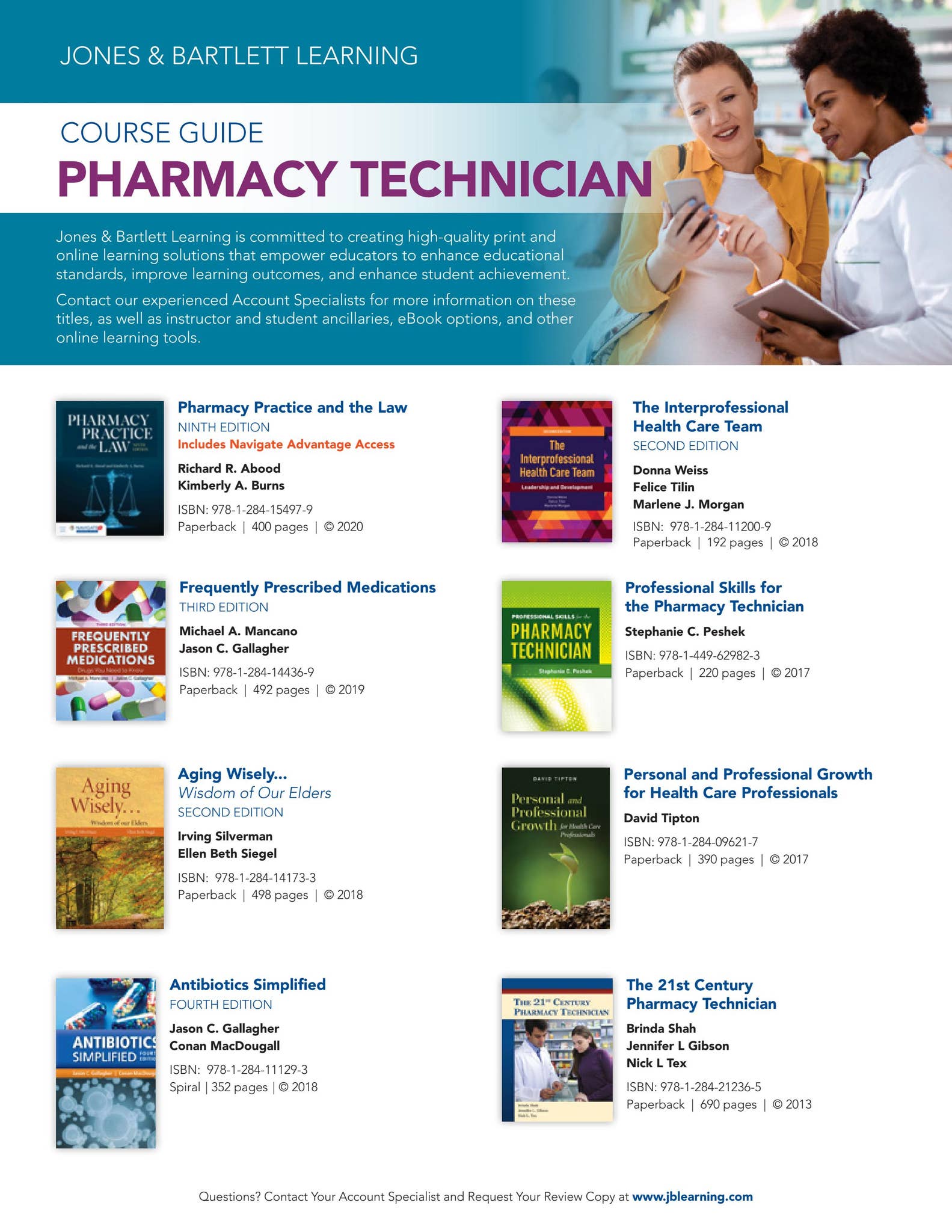
Beyond tuition, students must account for instructional materials. Pharmacology textbooks, medical calculation workbooks, and digital learning management system access codes frequently add $300 to $800 to the initial expense. Furthermore, hands-on training requires specific personal protective equipment and clinical gear, such as lab coats, closed-toe professional shoes, and stethoscopes if required by the clinical rotation site.
Comprehensive Cost Comparison by Program Type
| Program Type | Average Duration | Tuition & Fees Range | Textbooks & Supplies | Exam & Licensure Cost | Estimated Total Cost |
|---|---|---|---|---|---|
| Community College Certificate | 6 to 12 months | $1,500 – $5,000 | $300 – $600 | $200 – $400 | $2,000 – $6,000 |
| Private Vocational School | 3 to 9 months | $5,000 – $15,000 | $500 – $1,000 | $200 – $400 | $5,700 – $16,400 |
| Employer-Sponsored Training | 3 to 6 months | $0 (Covered by employer) | Minimal | Covered or reimbursable | $0 – $200 out-of-pocket |
| Online-Only Training Program | 4 to 12 months | $700 – $3,000 | $100 – $300 | $200 – $400 | $1,000 – $3,700 |
Hidden and Associated Costs Beyond Tuition
Securing a position in a licensed pharmacy requires meeting strict state and national regulatory standards. These compliance steps introduce secondary expenses that catch many students by surprise if they budget strictly for tuition.
State boards of pharmacy mandate background checks, fingerprinting, and drug screenings for anyone handling controlled substances. These safety vetting measures usually cost between $50 and $150. Additionally, state board registration or trainee licensure fees range from $25 to over $100 depending on the jurisdiction.
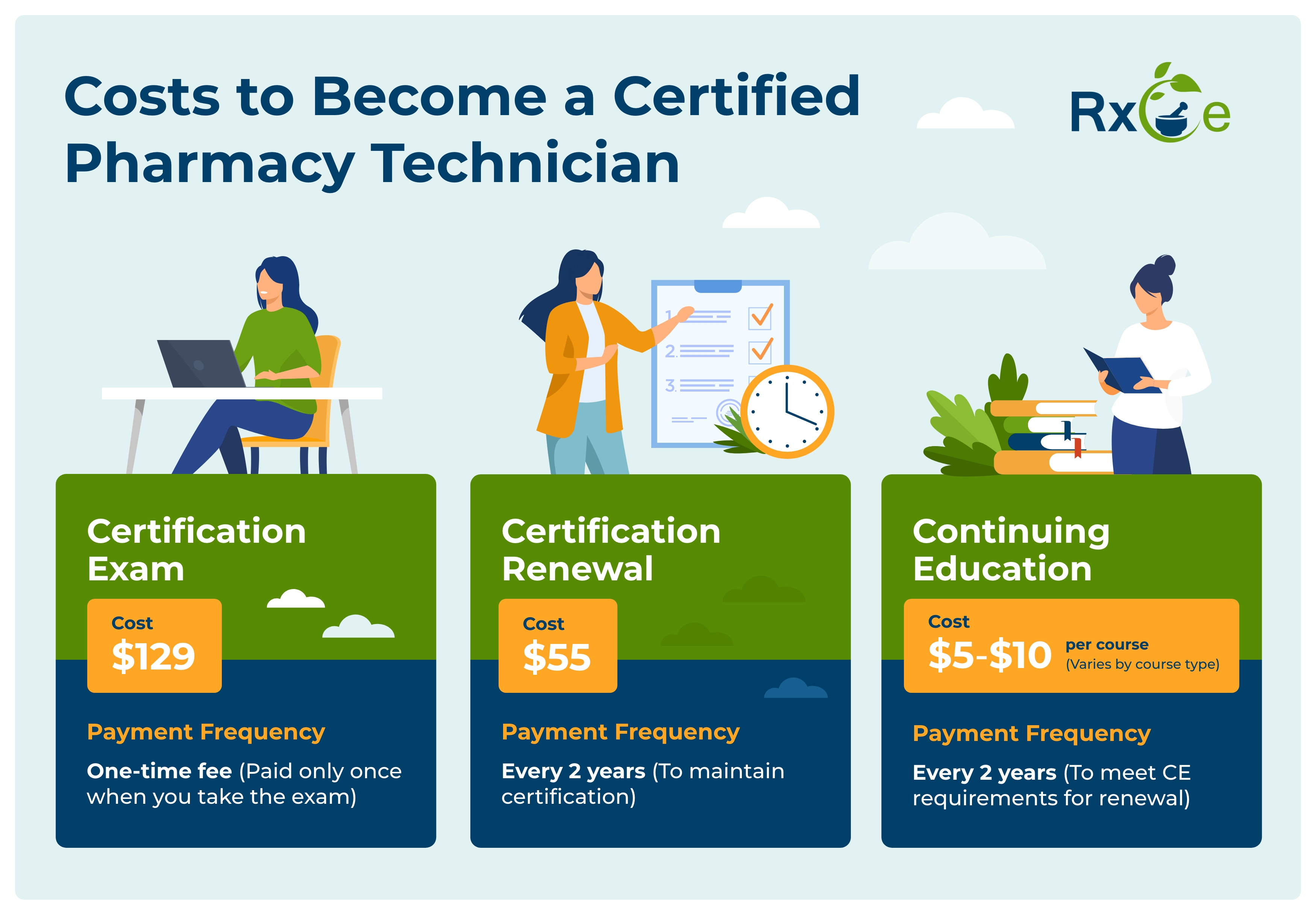
Passing an accredited national exam is standard practice for career advancement and mandatory in most states. The Pharmacy Technician Certification Board (PTCB) administers the PTCE, while the National Healthcareer Association (NHA) administers the Exam for the Certification of Pharmacy Technicians (ExCPT). Both exams carry an initial registration fee of $129. Beyond the exam fee, students often invest in practice exams, flashcards, or interactive review software, adding another $50 to $150 to their preparation budget.
Finally, clinical externships—a required component of most formal educational programs—can introduce transportation and parking expenses. Because externship sites are assigned based on institutional partnerships rather than geographic proximity, students may face increased daily fuel or public transit costs during their unpaid clinical hours.
Financial Aid and Funding Options
Because many pharmacy technician courses qualify for institutional or federal financial support, students do not always have to pay out of pocket. Navigating these funding avenues requires verifying institutional accreditations and program eligibility.
Programs housed within accredited public community colleges frequently qualify for federal student aid through the Free Application for Federal Student Aid (FAFSA). Students enrolled in these programs may be eligible for Federal Pell Grants, state-based grants, or subsidized student loans. Conversely, smaller private vocational schools or specialized online-only certificate providers may not be eligible for Title IV federal funding, meaning students must rely on institutional payment plans, private student loans, or personal credit.
Workforce development grants offer another viable pathway. Many state departments of labor and local American Job Centers offer funding initiatives—such as the Workforce Innovation and Opportunity Act (WIOA) grants—designed to retrain displaced workers for high-demand healthcare careers like pharmacy technology. These grants frequently cover 100% of tuition, fees, and required books for qualifying applicants.
Evaluating Program Return on Investment (ROI)
Assessing the financial viability of a pharmacy technician course requires weighing upfront costs against projected earnings and career stability. According to occupational data maintained by the U.S. Bureau of Labor Statistics (BLS), the median annual wage for pharmacy technicians was approximately $40,300, with hourly rates clustering around $19.38. Entry-level positions in certain regions may start closer to minimum wage, while certified technicians working in specialized hospital inpatient pharmacies often command higher hourly compensation.
When calculating return on investment, shorter, lower-cost programs naturally yield a faster financial payback period. A student who spends $2,500 at a community college can recoup their educational investment within their first few months of full-time employment. On the other hand, financing a $14,000 private vocational program through private loans extends the debt payoff timeline significantly, making employer-sponsored training or public community college routes mathematically superior choices for budget-conscious candidates.
Common Mistakes to Avoid When Budgeting
Miscalculating the true financial burden of healthcare training often leads to incomplete certifications or unexpected debt. Avoiding common missteps ensures smoother program completion.
- Failing to verify accreditation: Enrolling in unaccredited programs can disqualify students from sitting for major national certification exams (such as the PTCE), rendering the course completion certificate financially worthless. Always verify that a program is recognized by the Pharmacy Technician Certification Board (PTCB) or the American Society of Health-System Pharmacists (ASHP).
- Ignoring hidden fees in tuition quotes: Always request an itemized list of fees before signing enrollment agreements. Some programs quote base tuition while leaving out mandatory technology fees, lab fees, and graduation processing charges.
- Overlooking employer reimbursement: Many retail and hospital pharmacies offer tuition assistance or tuition reimbursement programs for employees working part-time while studying. Skipping this option means missing out on free employer-provided funding.
- Neglecting recertification costs: Certification is not a one-time event. Pharmacy technicians must complete continuing education (CE) hours every two years and pay renewal fees to maintain active credentials, which represents an ongoing career overhead cost.
Frequently Asked Questions
Can I become a pharmacy technician for free?
Yes, many major retail pharmacy chains offer paid, on-the-job training programs. They hire applicants as pharmacy clerks or trainees, train them internally, and pay for their certification exams while they earn a paycheck, eliminating upfront educational costs entirely.
Does financial aid cover online pharmacy technician courses?
It depends entirely on the provider's accreditation. If the online course is offered through an accredited community college or vocational school that participates in federal student aid programs, financial aid such as Pell Grants may apply. Proprietary online-only schools often require private payment plans.
What is the difference between the PTCE and the ExCPT?
Both are nationally recognized certification exams for pharmacy technicians. The Pharmacy Technician Certification Exam (PTCE), administered by the PTCB, and the Exam for the Certification of Pharmacy Technicians (ExCPT), administered by the NHA, cost similar amounts and serve the same professional purpose, though employers or states may occasionally express a preference for one over the other.
Are books and supplies usually included in tuition?
In most cases, textbooks, digital access codes, lab supplies, and uniforms are billed separately from base tuition. Students should budget an additional $300 to $1,000 for these materials depending on the specific curriculum requirements.
How long does it take to pay off a pharmacy technician program?
For graduates of low-cost community college programs costing around $3,000, debt can typically be paid off within three to six months of full-time employment. Graduates of high-end private vocational schools costing over $12,000 face a longer repayment timeline depending on their starting salary and financing terms.
Next Actions for Prospective Students
Before committing financial resources to any pharmacy technician training program, contact the admissions office to request a complete, itemized breakdown of all direct and indirect expenses. Cross-reference the program's accreditation status directly on the PTCB or ASHP registry to ensure eligibility for national examinations. Finally, visit your local American Job Center to check if you qualify for state workforce development grants that can significantly offset or completely cover your tuition costs.
Image Gallery