Kroger New Employee Dress Code: Guidelines for Orientation, Shifts, and Departments
The Kroger new employee dress code requires associates to wear a company-provided apron or vest over a clean, solid-colored or approved top, paired with dark or plain denim pants free of rips, tears, or frays. Employees must wear close...
The Kroger new employee dress code requires associates to wear a company-provided apron or vest over a clean, solid-colored or approved top, paired with dark or plain denim pants free of rips, tears, or frays. Employees must wear closed-toe, slip-resistant shoes. Specialty areas like Deli, Bakery, and Fuel Center mandate additional safety and hygiene attire.
Contents
Understanding workplace expectations before your first day ensures a seamless onboarding process across Kroger and its subsidiary banners, including Ralphs, Fred Meyer, King Soopers, Fry's, Smith's, and Harris Teeter. While store management enforces core safety and branding rules company-wide, specific guidelines vary depending on your assigned department, shift duties, and local store directives.
Core Dress Code Standards for Kroger Associates
Kroger’s corporate dress code balances brand uniformity, employee safety, and customer accessibility. As an associate, your attire serves as your primary identifier on the sales floor while protecting you against common retail hazards like slips, spills, and heavy machinery.
(Note check: Ensure no code blocks are used anywhere in output. Markdown text only.)
Approved Tops and Company Uniform Items
When you complete your hiring paperwork and orientation, Kroger provides essential uniform elements. In most retail stores, this includes:
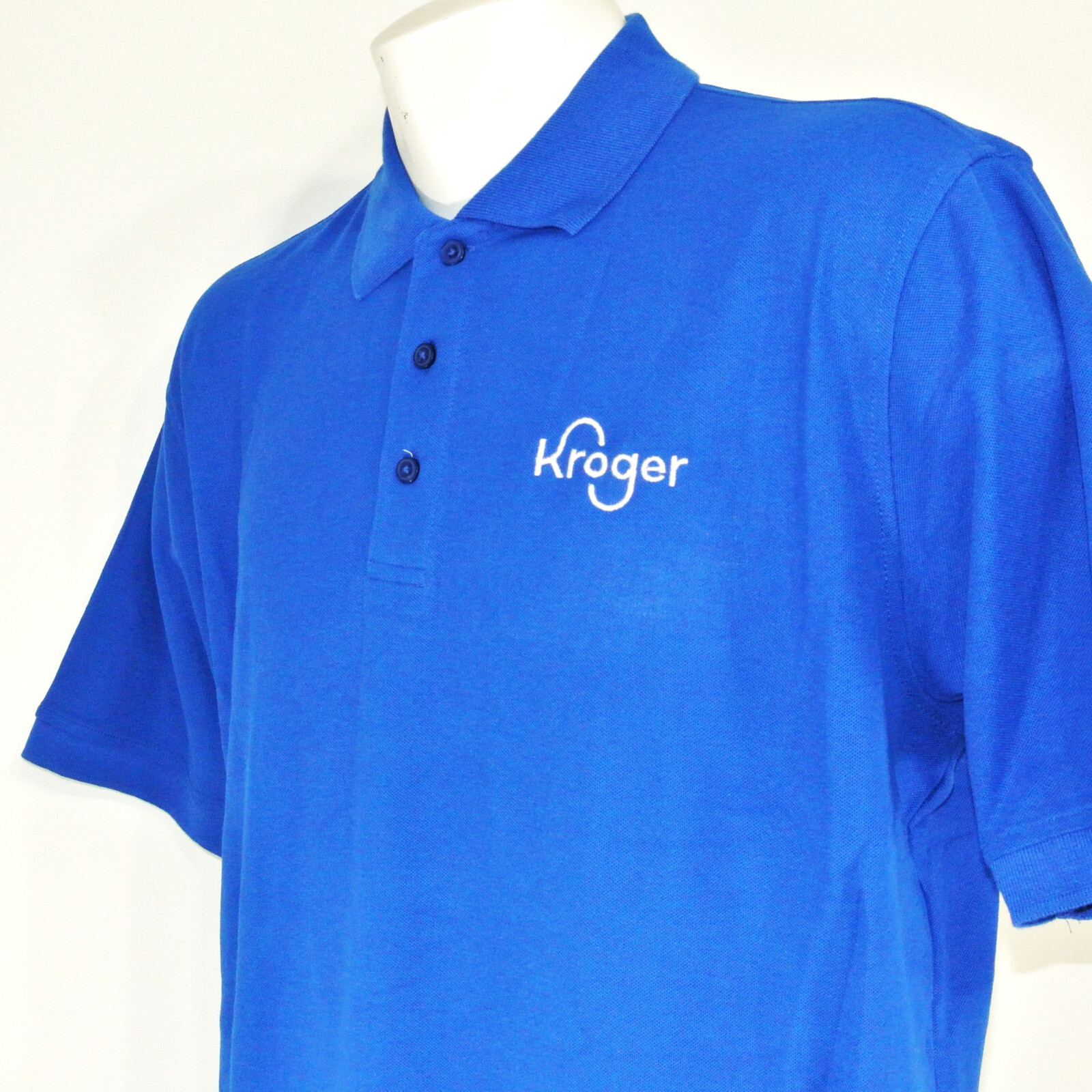
- Company-Provided Vest or Apron: Associates receive an iconic Kroger-branded vest or dark apron. This must be worn over your personal shirt during your entire shift and kept clean and wrinkle-free.
- Underlying Top: You are typically required to wear a plain, solid-colored t-shirt, polo, or long-sleeve shirt under your vest or apron. Neutral colors like black, navy blue, grey, or white are standard. Tops must cover your chest, shoulders, and midriff completely. Graphics, large non-Kroger logos, offensive slogans, or sheer fabrics are strictly forbidden.
- Name Tag Placement: Your official name tag must be worn prominently on the left side of your chest or designated location on your vest or apron at all times while on the clock.
Pants, Denim, and Bottoms Guidelines
Kroger maintains a relaxed yet professional policy regarding bottoms, allowing employees to remain comfortable during long shifts:
- Approved Jeans and Slacks: You can wear plain blue jeans, black jeans, khakis, or work trousers. Pants must fit properly at the waist without sagging.
- Condition Rules: Denim must be clean, neat, and structural. Pants with deliberate rips, distressed patches, raw hems, or holes are not permitted on the sales floor.
- Prohibited Bottoms: Sweatpants, track pants, athletic leggings, yoga pants, pajama bottoms, and overly tight athletic wear are prohibited. Shorts are generally restricted unless explicitly allowed for specific outdoor roles like Fuel Center attendants or Utility Clerks during summer months under local management discretion.
Footwear and Slip-Resistance Rules
Footwear is one of the most strictly regulated aspects of the Kroger dress policy due to workplace safety regulations and worker compensation guidelines:
- Closed-Toe and Closed-Heel Requirement: All shoes must fully enclose your feet. Sandals, flip-flops, crocs (with or without ventilation holes), canvas slip-ons without heel backing, and high heels are prohibited.
- Slip-Resistant Soles: Because store floors can become slick near produce misters, floral display coolers, or fresh food preparation areas, rubber-soled, slip-resistant shoes are mandatory. Work shoes tested under ASTM F2913 standards for slip resistance are strongly recommended for all floor associates.
- Comfort and Support: Retail associates routinely walk 8,000 to 15,000 steps per shift on polished concrete or tile floors. Support-focused athletic shoes or dedicated work shoes with shock-absorbing insoles prevent lower-back fatigue and foot strain.
Orientation Day vs. Regular Shift Requirements
Many new hires wonder what to wear to their first official day of onboarding versus standard store shifts.
Orientation Dress Code Guideline On your first day of computer training (often referred to as Web-Based Learning or WBL), you are not yet expected to wear full department uniforms. You should dress in neat business-casual or clean casual attire. A plain polo or high-neck t-shirt paired with clean, dark jeans (no rips) and closed-toe sneakers is ideal.
What Happens During Orientation
- Paperwork and Identity Verification: You will process tax paperwork, direct deposit details, and employee identification.
- Computer Training Modules: You will spend several hours reviewing safety protocols, customer service standards, and company culture.
- Uniform Distribution: Your HR manager or Store E-Commerce/Training Coordinator will issue your primary uniform gear, including your apron or vest, name tag, and any specialized equipment badges.
- Store Tour: You will take a guided walk through employee-only spaces, break rooms, backrooms, and your assigned department. Wearing closed-toe footwear is mandatory during this tour to access backroom loading docks and stock areas safely.
Starting on your second day—or your first scheduled shift on the floor—you must report in full compliance with standard uniform rules, wearing your issued vest/apron and name tag over approved clothing.
Department-Specific Dress Code Requirements
Safety and hygiene standards vary across different sections of a Kroger store. Departments handling fresh food or outdoor tasks enforce specialized regulations governed by state health codes and Occupational Safety and Health Administration (OSHA) rules.
(Ensure clear breakdown of departments.)
Fresh Food Departments (Bakery, Deli, Meat, Seafood, Produce)
Employees working in fresh departments must adhere to strict sanitation and food-handling rules dictated by the FDA Food Code:
- Hair Coverings: Hairnets, beard restraints (for facial hair over a quarter-inch), or approved company caps must be worn at all times while inside food preparation and service areas. Long hair must be tied back behind the shoulders.
- Sanitary Outerwear: Fresh department clerks must wear clean food-prep aprons or coats provided by the store. Aprons must be removed before using the restroom or entering break areas to prevent cross-contamination.
- Jewelry Restrictions: Federal health codes ban hand and wrist jewelry in food prep environments. Rings with stones, bracelets, watches, and dangling neck chains cannot be worn. Plain wedding bands without stones are usually the only exception.
- Fingernail Standards: False nails, acrylics, press-ons, and nail polish are banned in food handling departments unless clean, intact disposable gloves are worn at all times during food handling, per local health inspector directives.
Fuel Center Attendants
Attendants managing Kroger Fuel Centers work in outdoor environments exposed to weather changes and vehicular traffic:
- High-Visibility Wear: Reflective high-visibility vests or jackets are mandatory while working on the fuel island or directing traffic.
- Weather-Appropriate Apparel: Managers generally permit plain knee-length shorts during hot summer months, provided they meet length standards (typically no shorter than two inches above the knee). In winter, heavy jackets, insulated gloves, and beanies without non-Kroger branding are permitted.
- Footwear Safety: Heavy-duty, oil-resistant, non-slip work boots or sturdy leather shoes are recommended to prevent slipping on oil residue or fuel spills.
E-Commerce (Pickup / ClickList) and Stocking Logistics
Pickup associates and overnight replenishment clerks experience heavy physical activity throughout their shifts:
- Ergonomic Attire: Breathable, stretchable cotton tops and durable denim or work trousers are recommended to facilitate constant lifting, bending, and reaching.
- Footwear Focus: Supportive, high-traction running or cross-training shoes are highly advised for Pickup clerks covering several miles of store aisles daily. Overnight stockers handling heavy pallets and manual pallet jacks should opt for reinforced or steel-toe boots.
- Weather Adjustments for Pickup: Pickup clerks staging items in staging bays or loading groceries into customer vehicles in staging zones are permitted weather-appropriate outer layers, such as waterproof rain coats or thermal winter coats.
Pharmacy Department
Pharmacy Technicians and Interns maintain a clinical appearance suitable for a healthcare environment:
- Attire: Pharmacy staff wear medical scrubs (typically in designated store colors like navy blue or ceil blue) or a crisp white lab coat over professional business-casual attire (button-down shirt, dress slacks, modest footwear).
- Footwear: Closed-toe medical clogs, professional dress shoes, or subtle, clean athletic shoes are standard.
Grooming, Tattoos, Piercings, and Personal Expression
Kroger updated its brand guidelines to foster a more inclusive work environment while preserving professional hygiene standards.
Tattoo Policy
Visible tattoos are generally permitted for store associates across most Kroger banners, provided they satisfy community standards:
- Permitted: Decorative tattoos on arms, legs, shoulders, and hands are widely accepted.
- Prohibited: Tattoos depicting graphic violence, explicit language, profanity, gang symbols, sexual content, or hate speech must be covered during work hours using sleeves, bandages, or high-collared shirts. Face and neck tattoos are subject to store manager evaluation during the hiring interview.
Facial Hair and Hair Styling
- Hair Color and Styles: Expressive hair colors (such as blue, pink, or purple) and diverse hairstyles (including dreadlocks, braids, twists, and afros) are allowed as long as hair is kept clean and controlled.
- Facial Hair: Beards, moustaches, and sideburns must be neatly groomed, trimmed, and clean. In food preparation areas (Deli, Meat, Bakery), beard guards are mandatory for facial hair exceeding a short length.
Piercings and Accessories
- Facial Piercings: Small, subtle nose studs or modest ear piercings are generally allowed. Store managers reserve the right to request clear retainers or removal if jewelry poses a safety hazard near machinery.
- Jewelry Limits: Excessively long, dangling earrings, loose necklaces, or wide wrist chains are prohibited near conveyor belts, cardboard balers, meat slicers, and trash compactors due to snagging risks.
Departmental Dress Code Comparison
The table below outlines specific uniform requirements, allowed bottoms, footwear standards, and hygiene rules across core store departments.
| Store Department | Upper Body Attire | Approved Bottoms | Footwear Standards | Hygiene & Safety Requirements |
|---|---|---|---|---|
| Grocery / Front End | Kroger Vest or Apron over plain solid t-shirt/polo | Clean blue/black jeans, khakis (no tears) | Closed-toe, slip-resistant athletic or casual shoes | Standard grooming, name tag visible on upper left |
| Deli & Bakery | Store-issued fresh coat/apron over solid shirt | Dark denim or work slacks (no tears/frays) | Slip-resistant, non-permeable rubber-soled work shoes | Hairnets, beard guards, no acrylic nails/polish, no jewelry |
| Meat & Seafood | Store-issued heavy apron/coat over thermal layer | Heavy-duty work pants or dark jeans | Non-slip waterproof boots or heavy-duty rubber shoes | Cutting gloves when operating saws/knives, hairnets |
| Pickup (E-Commerce) | Kroger Vest over comfortable cotton shirt | Durable jeans, approved seasonal shorts (manager discretion) | High-cushion, non-slip running/walking shoes | Weather protection for car-side loading, clean name tag |
| Fuel Center | High-visibility reflective vest over seasonal shirt | Neat jeans, slacks, or length-approved summer shorts | Oil-resistant, heavy-duty closed-toe shoes | Weather gear, clear visibility attire at all times |
| Pharmacy | Designated color scrubs or lab coat | Scrub pants or business-casual slacks | Clean closed-toe supportive dress shoes or dark sneakers | Professional grooming, minimal jewelry |
What Not to Wear: Strict Violations and Safety Risks
Failing to follow dress code standards can result in verbal coaching, written warnings, or being sent home to change without pay. Avoid the following prohibited items:
- Tattered or Damaged Clothing: Jeans with intentional designer knee rips, frayed hems, or distressed patches violate professional standards.
- Open Footwear: Canvas shoes with exposed heels, sandals, flip-flops, slides, mesh shoes that absorb spilled liquids, or footwear with non-functional straps.
- Revealing Tops: Crop tops, tank tops, spaghetti straps, low-cut shirts, sheer fabrics, or tops exposing the stomach or lower back when bending over.
- Offensive Graphics: Apparel displaying alcohol or tobacco logos, political candidates, crude humor, vulgar language, or rival brand logos.
- Dangling Accessories: Lanyards hanging past the waist, loose key chains, long necklaces, or unsecured scarves that could catch in belt registers or equipment.
- Headwear Exceptions: Hats are generally prohibited indoors unless they are official Kroger-branded caps provided for specific roles (e.g., Pickup or Fresh departments) or worn for documented religious or medical reasons.
Requesting Religious and Medical Accommodations
Kroger is an equal opportunity employer committed to accommodating sincere religious practices and medical requirements under federal, state, and local laws.
Religious Accommodations
If your faith requires specific attire—such as head coverings (hijabs, turbans, yarmulkes), modest skirts or dresses instead of pants, or specific facial hair practices:
- Speak with your Store HR Leader or Store Manager during your interview or orientation.
- Complete the standard accommodation request form provided by corporate HR.
- HR will coordinate reasonable solutions, such as approving solid-colored head scarves that integrate safely with store aprons or food-safety caps.
Medical Accommodations
Associates needing custom footwear (e.g., specialized orthopedic boots or diabetic footwear), wrist supports, or modified aprons due to physical conditions should present documentation from a licensed healthcare provider to HR. Kroger's accommodation team evaluates requests to maintain both employee comfort and workplace safety.
Frequently Asked Questions
Does Kroger provide the uniform for new employees?
Yes, Kroger provides core uniform elements—typically an apron or vest and your official employee name tag—free of charge during orientation. You are responsible for providing your own plain tops, approved pants/jeans, and compliant slip-resistant shoes.
Can you wear jeans to orientation at Kroger?
Yes, you can wear jeans to your orientation session. Ensure the jeans are dark or plain, clean, and completely free of holes, rips, tears, or frayed edges. Pair them with a neat, solid-colored t-shirt or polo.
Are facial piercings and visible tattoos allowed at Kroger?
Visible tattoos are allowed as long as they do not depict profanity, hate speech, graphic violence, or offensive themes. Small facial piercings (such as modest nose studs) are generally permitted, though food prep areas may require retainers or removal for sanitation reasons.
What kind of shoes do you need to wear at Kroger?
You must wear closed-toe, closed-heel shoes with rubber, slip-resistant soles. Athletic sneakers with good support are popular for sales floor associates, while work boots or slip-resistant shoes are recommended for stocking and fresh departments.
Can you wear shorts working at Kroger?
Shorts are generally not permitted for indoor store associates like cashiers, stockers, or grocery clerks. However, length-approved plain shorts are often permitted for outdoor roles, such as Fuel Center attendants and Utility Clerks during hot summer months, subject to store manager approval.
Summary Action Plan for New Kroger Hires
- Prepare for Orientation: Wear clean, dark jeans without rips, a plain shirt, and closed-toe sneakers. Bring your required legal identification for employment verification.
- Receive Your Uniform: Collect your official Kroger vest/apron and name tag from your HR leader. Ask any store-specific questions regarding local manager expectations.
- Invest in Compliant Footwear: Purchase a supportive pair of closed-toe, slip-resistant shoes before your first active floor shift to safeguard your feet and joints.
- Review Department Rules: If placed in Deli, Bakery, Meat, or Pharmacy, verify specific hygiene protocols (hairnets, glove policies, jewelry bans) prior to your first operational day.
Image Gallery