How to Tell When a Pineapple Is Ready to Eat
To determine if a pineapple is ready to eat, smell the base for a sweet, tropical aroma and look for a golden-yellow color extending from the bottom upward. The fruit should feel heavy for its size and yield slightly to firm pressure....
To determine if a pineapple is ready to eat, smell the base for a sweet, tropical aroma and look for a golden-yellow color extending from the bottom upward. The fruit should feel heavy for its size and yield slightly to firm pressure. Avoid pineapples with a fermented smell or soft, bruised spots.
Contents
Selecting the perfect pineapple is a skill that combines sensory observation with an understanding of plant biology. Unlike many other fruits, such as bananas or peaches, pineapples do not continue to ripen significantly once they are harvested. This biological reality makes the selection process at the grocery store or market critical; the fruit you buy is essentially as sweet as it will ever get. As of 2026, advances in agricultural logistics have streamlined the time from farm to shelf, but the fundamental indicators of ripeness remain consistent.
Understanding Pineapple Maturation: The Non-Climacteric Factor
To master the art of selection, one must understand that the pineapple (Ananas comosus) is a non-climacteric fruit. In botanical terms, this means the fruit does not experience a burst of ethylene production and respiration after being detached from the parent plant. In simpler terms, a pineapple does not have internal starch reserves that convert into sugars after harvest.
When a pineapple is cut from its stalk, the sugar development stops instantly. While a green pineapple left on a counter may change color over several days—turning from green to yellow—this is primarily a breakdown of chlorophyll in the skin rather than an increase in the sugar content of the flesh. Because of this, consumers must prioritize finding a fruit that was harvested at its peak. Farmers typically look for a specific "Brix" level (a measurement of sugar content) before clearing a field for harvest, but once that fruit reaches your local market in 2026, you are the final judge of its quality.
The Four Pillars of Pineapple Selection
Professional chefs and produce experts rely on four primary sensory checks to identify a ripe pineapple: scent, sight, touch, and the "leaf test." Each provides a different piece of the puzzle regarding the fruit’s internal state.
1. The Scent Test: The Golden Rule of Aroma
The most reliable indicator of a ripe pineapple is its fragrance. To perform this test correctly, turn the pineapple upside down and smell the base (the bottom where it was cut from the stalk).
- Ripe: A ripe pineapple should emit a bright, sweet, and distinctly tropical aroma. It should smell exactly like the fruit tastes.
- Underripe: If there is no scent at all, the fruit was likely harvested too early. While it might be juicy, it will lack the characteristic sweetness and complex flavor profile.
- Overripe: If the scent is vinegary, pungent, or reminiscent of alcohol, the pineapple has begun to ferment. This happens when the sugars break down due to age or bruising.
2. Visual Indicators: Decoding the Shell Color
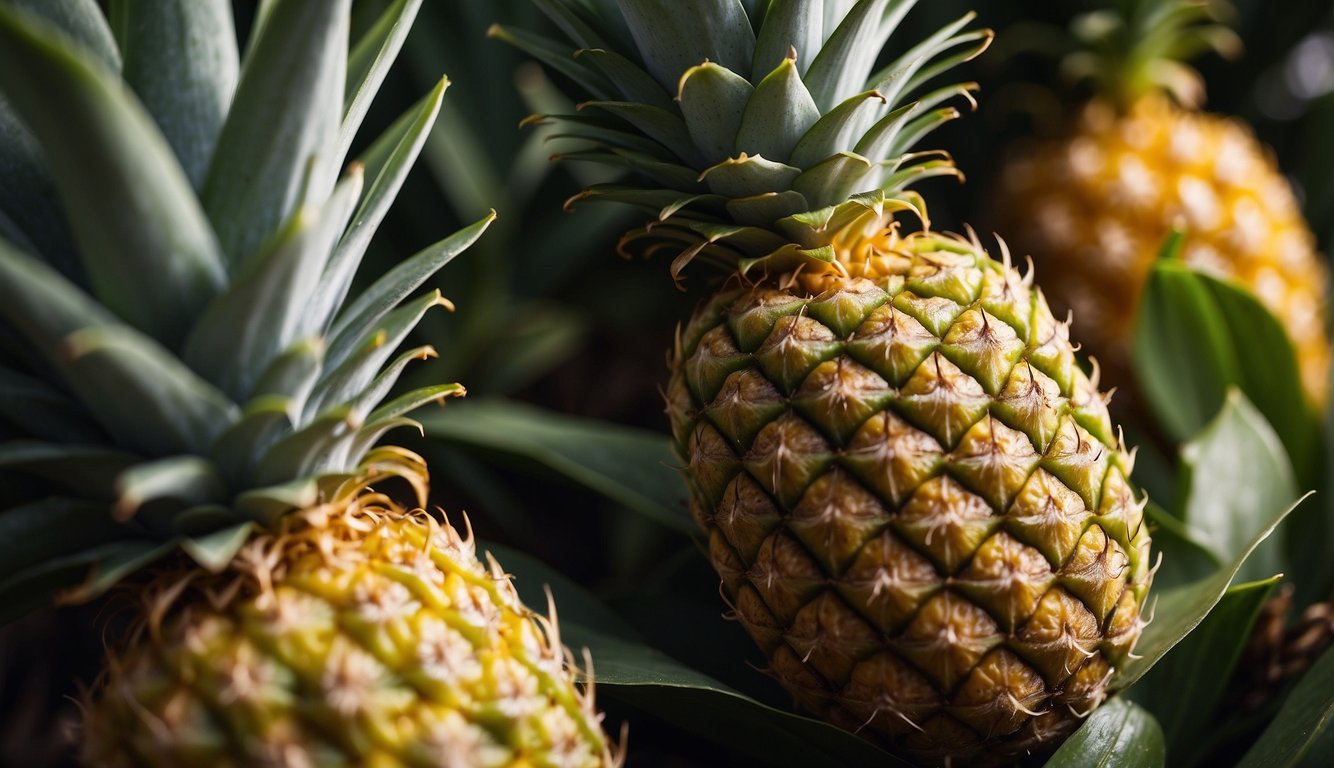
While color isn't always a definitive proof of sweetness, it is a strong visual cue. The "eyes" of the pineapple—the individual scales on the skin—tell a story of maturation.
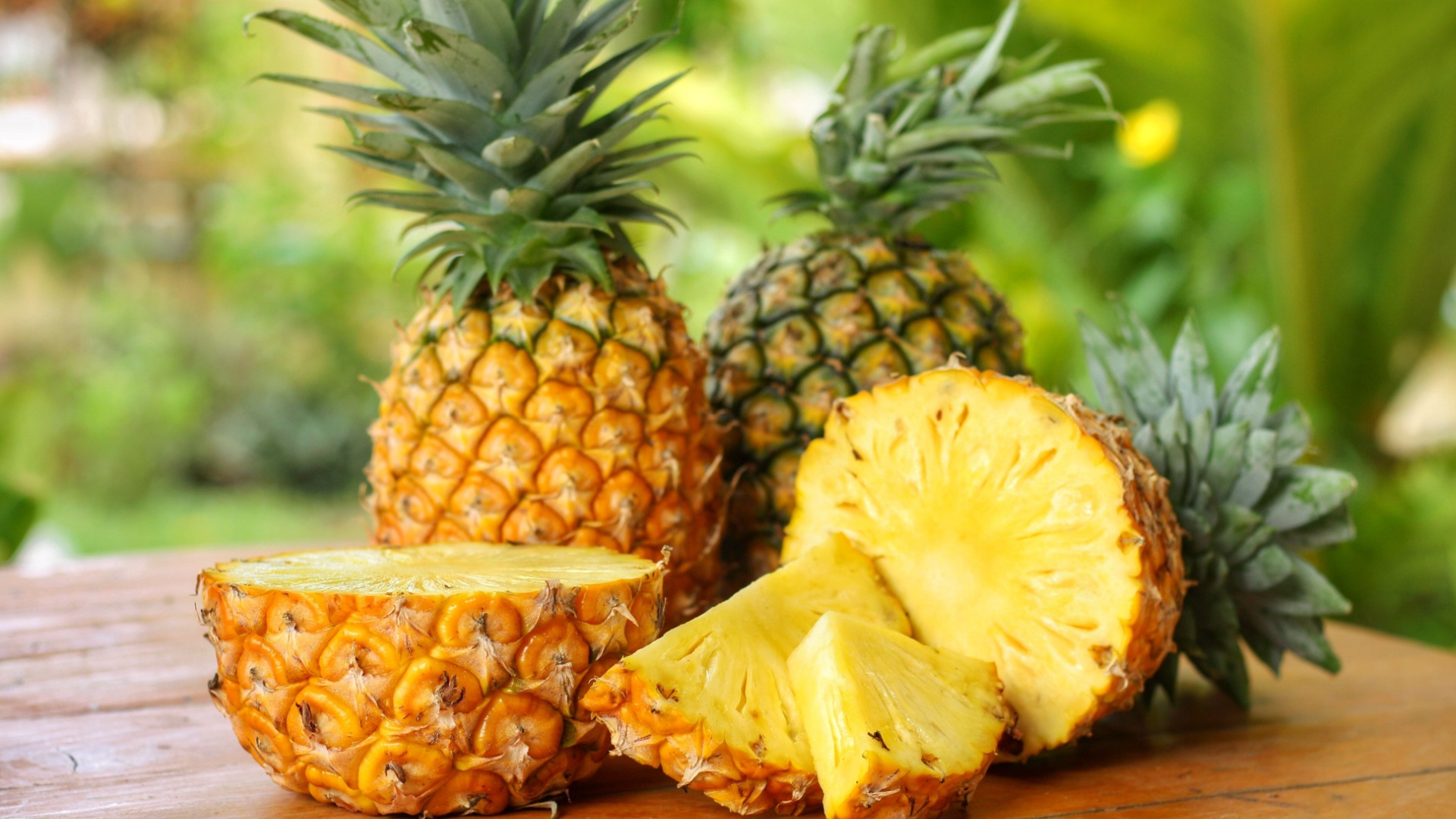
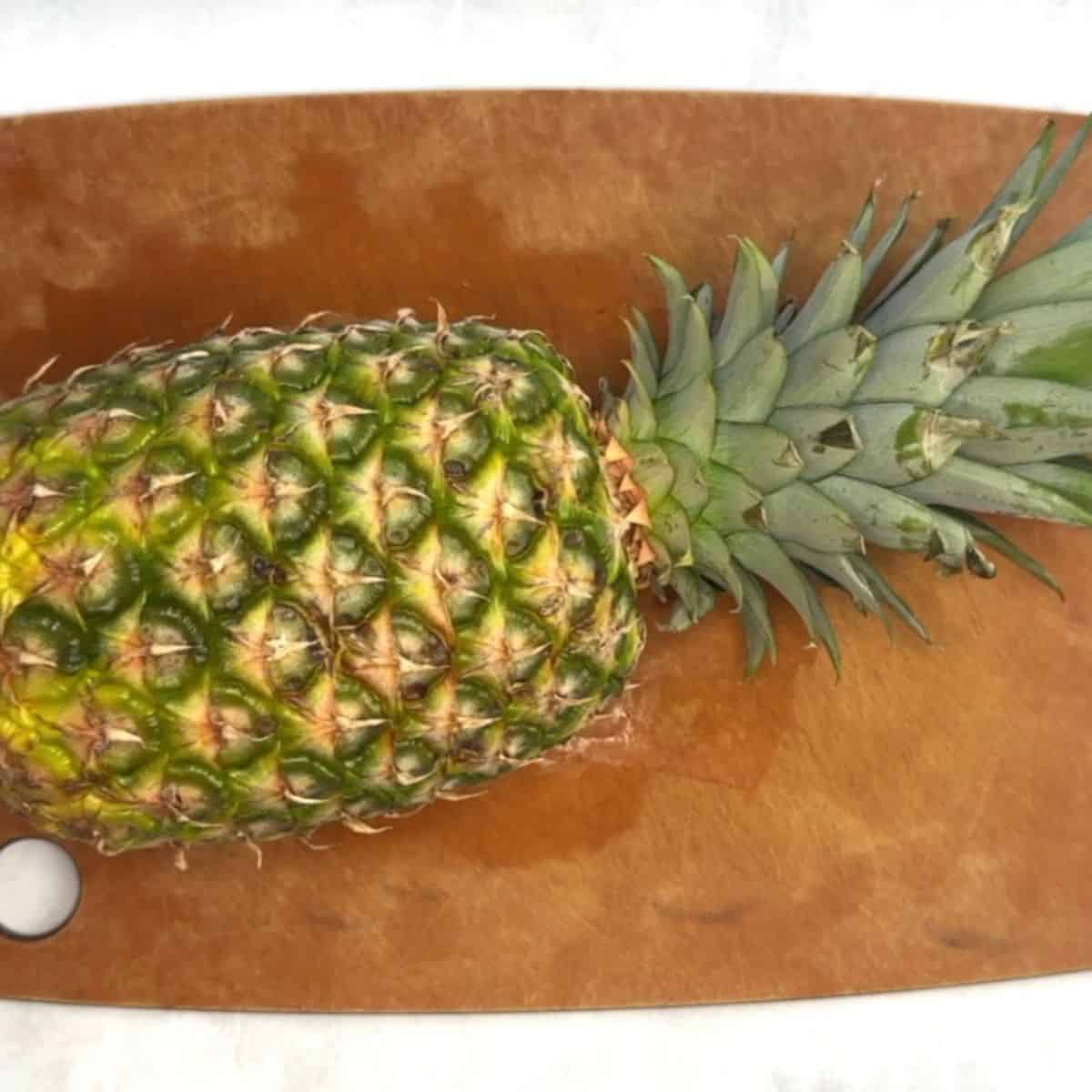
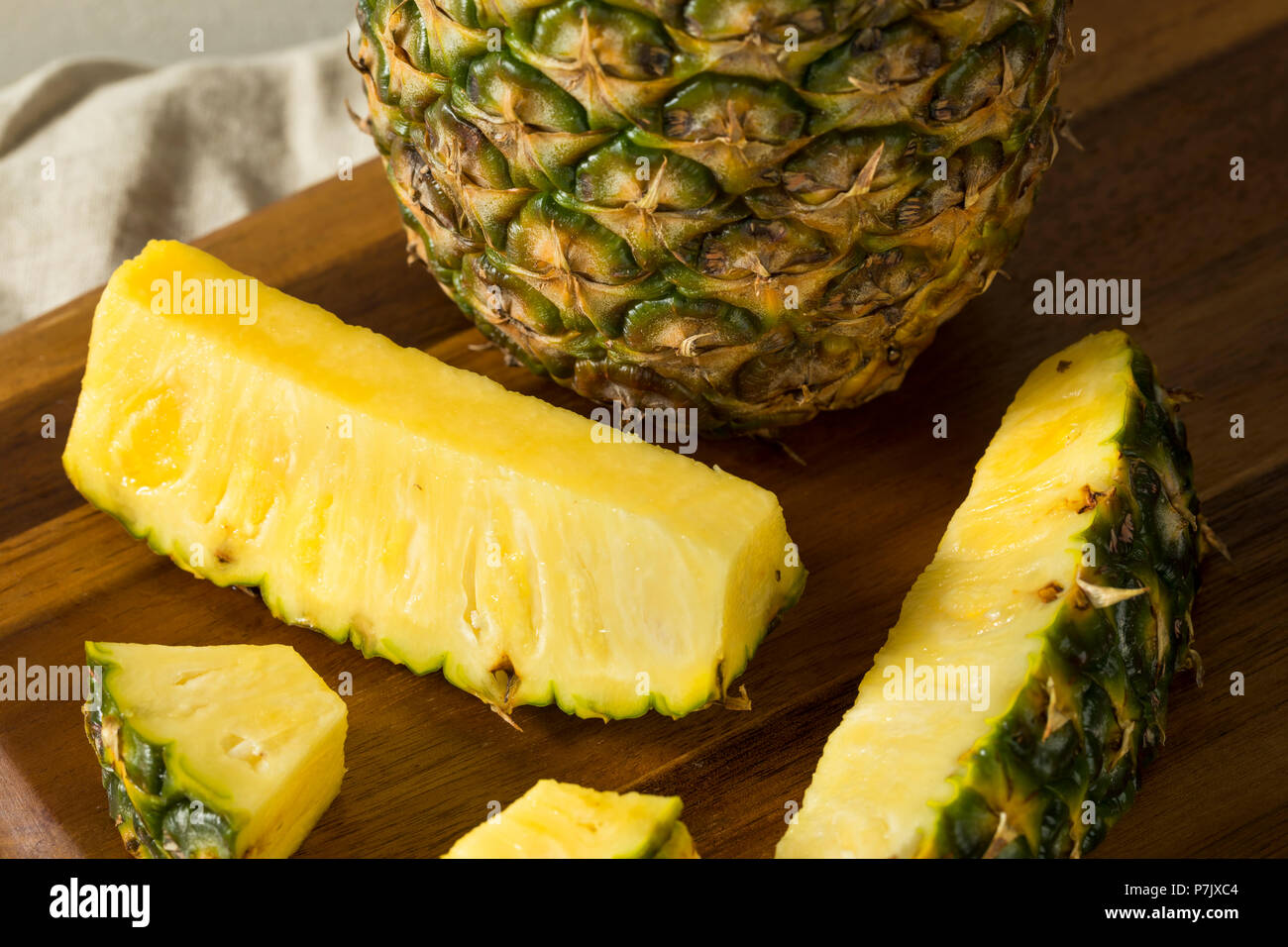
- The Gold Standard: Look for a pineapple that is transitioning from green to a golden-yellow hue. This transition usually begins at the base and moves upward. A pineapple that is golden from bottom to top is typically at its peak.
- Varietal Differences: It is important to note that some varieties, such as the "Select" or "MD2" hybrids common in 2026, can sometimes be ripe even while the skin remains mostly green. However, even these varieties will show a slight "warmth" in their color and a widening of the eyes when ready.
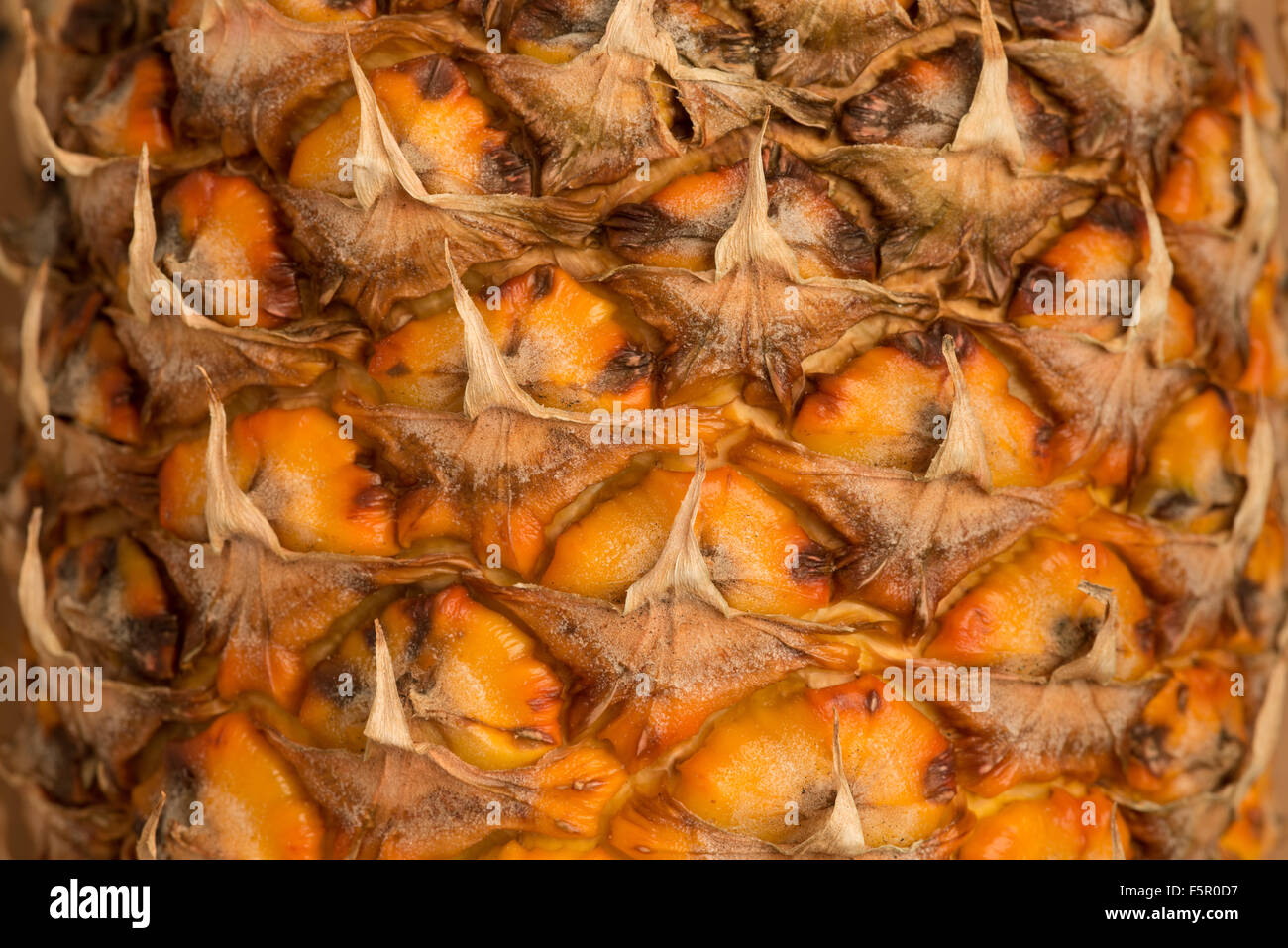
- Avoid the "Dull" Look: A dull, bronze, or brownish-grey skin usually indicates an old fruit that has lost its moisture and internal vitality.
3. Tactile Feedback: The Squeeze Test
A pineapple should feel substantial. When you hold it, it should feel heavy for its size, indicating high water and sugar content.
- Firmness: Give the pineapple a gentle squeeze. It should be firm but have a slight "give," similar to the feel of a ripe orange or a slightly firm avocado.
- Soft Spots: If the shell feels mushy or if your thumb leaves a permanent indentation, the fruit is likely bruised or rotting inside.
- The "Eyes" Texture: On a ripe pineapple, the eyes should be flat and well-developed rather than deep and recessed.
4. The Leaf Test: Fact or Fiction?
A common piece of kitchen folklore suggests that if you can easily pull a leaf (frond) from the center of the pineapple’s crown, it is ripe.
While there is some truth to this—as the fruit matures, the attachment of the leaves weakens—it is not a foolproof method. A leaf might pull out easily simply because the pineapple is old and beginning to decay, rather than because it is sweet. Use the leaf test only as a secondary confirmation. If a center leaf comes out with a very gentle tug AND the base smells sweet, you have a winner. If the entire crown is loose or falling off, the fruit is likely overripe.
Comparison of Pineapple Ripeness Stages
| Feature | Underripe | Peak Ripeness (Ready to Eat) | Overripe / Fermented |
|---|---|---|---|
| Aroma | None or very faint "green" smell | Sweet, tropical, and fragrant | Pungent, vinegary, or alcoholic |
| Color | Solid dark green | Golden-yellow (at least at the base) | Dark orange, bronze, or dull brown |
| Texture | Rock hard, no give | Firm with a slight yield | Soft, mushy, or "squishy" spots |
| Weight | May feel light | Heavy and dense | Can feel heavy but often leaking juice |
| Crown Leaves | Very difficult to pull out | Pull out with a firm, steady tug | Fall out easily or look wilted/brown |
The "Upside Down" Method and Other Ripening Myths
One of the most persistent myths in 2026 is that you can ripen a pineapple by storing it upside down on its leaves. The logic behind this theory is that the sugars in a pineapple are concentrated at the base (because that is where the fruit was attached to the plant), and flipping it allows the sugars to flow downward to the top.
According to research from institutions like the University of Hawaii's College of Tropical Agriculture, flipping the pineapple does not actually increase the sugar content of the fruit. However, it can help redistribute the existing juices, making the top portion of the pineapple taste slightly moister and more flavorful than it would have otherwise. It will not, however, turn a sour, underripe pineapple into a sweet one.
Storage Strategies to Maintain Peak Ripeness
Once you have identified a pineapple that is ready to eat, you must manage its shelf life carefully. Because they are non-climacteric, they begin to decline as soon as they reach their peak.
- Room Temperature: If you plan to eat the pineapple within 1–2 days, keep it on the counter away from direct sunlight. High temperatures in 2026 urban environments can accelerate fermentation, so a cool, shaded spot is best.
- Refrigeration: To extend the life of a whole ripe pineapple, place it in the refrigerator. The cold temperature slows down the enzymatic breakdown. A whole pineapple can last 3–5 days in the fridge.
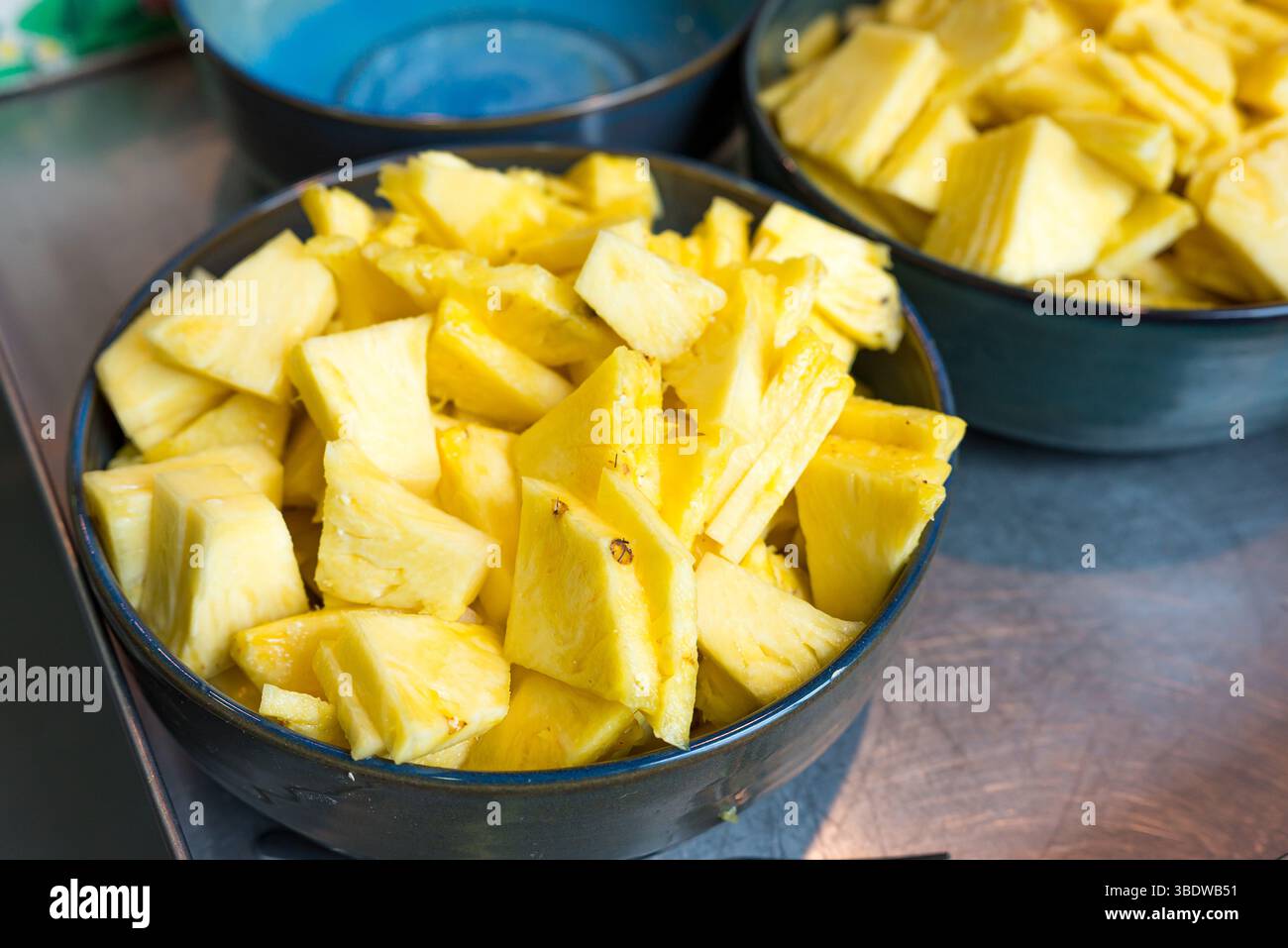
- Prepared Storage: For the best quality, slice the pineapple and store the pieces in an airtight container in the refrigerator. This prevents the fruit from absorbing other odors in the fridge and keeps the flesh crisp. Sliced pineapple is best consumed within 3 to 4 days.
- Freezing: If you cannot finish the fruit, pineapple freezes exceptionally well. Spread chunks on a baking sheet to freeze individually before transferring them to a bag; this prevents them from clumping and makes them perfect for smoothies or cooking.
Troubleshooting: Common Problems
Even when a pineapple looks perfect on the outside, internal issues can occur. Being aware of these can save a meal:
- Internal Browning: Sometimes called "chilling injury" or "core rot," this appears as brown, water-soaked areas in the flesh. This often happens if the pineapple was stored at temperatures below 45°F (7°C) during transport or at the store.
- White Flesh: If the flesh is very white rather than yellow, the fruit was harvested too early. It will likely be high in acid and low in sugar. You can still use this for cooking (like in a stir-fry) where heat can help break down the fibers and mellow the acidity.
- Effervescence: If the fruit tingle or "fizzes" on your tongue, it has fermented. While not necessarily dangerous in small amounts, it indicates the fruit has spoiled and will have an "off" flavor.
Frequently Asked Questions
Can I ripen a green pineapple at home?
No, you cannot truly ripen a pineapple once it is picked because it lacks starch to convert into sugar. However, you can "soften" it by leaving it at room temperature for a few days. This makes the fruit juicier and less fibrous, but the sugar-to-acid ratio will remain largely the same as when it was in the store.
Is a green pineapple safe to eat?
Yes, a green pineapple is safe to eat, but it may be very tart and acidic. Some people find that eating underripe pineapple causes irritation to the mouth and tongue. This is due to bromelain, an enzyme that breaks down proteins. Bromelain is more concentrated in underripe fruit and in the core.
Why does my mouth burn when I eat ripe pineapple?
This is caused by bromelain. To minimize the "burn," ensure the pineapple is fully ripe (higher sugar levels help balance the sensation) and consider removing the core entirely. Grilling or cooking the pineapple also deactivates the bromelain enzyme, eliminating the stinging sensation.
How do I know if a pineapple has gone bad?
Check the base for mold (white or fuzzy spots). If the pineapple feels light, looks shriveled, or has a strong smell of vinegar or fermented yeast, it should be discarded. Leaking juice from the bottom is also a sign that the cell walls have broken down and the fruit is past its prime.
Are small pineapples sweeter than large ones?
Not necessarily. Size is usually a result of the variety and growing conditions. However, "Queen" pineapples are often smaller and notably sweeter and crisper than the larger "Smooth Cayenne" or "MD2" varieties. Focus on the scent and color rather than the physical dimensions.
Practical Recommendation
When shopping for a pineapple in 2026, prioritize the scent test at the base above all other indicators. If the pineapple smells like a tropical paradise and has a golden hue creeping up from the bottom, it is ready for immediate consumption. If you must buy one that isn't quite ready, look for the most "yellow" option available and plan to use it within 48 hours for the best texture, even if the sweetness remains static.
Image Gallery