Left Hand Thumb Twitching: Causes, Medical Evaluation, and Relief Strategies
Involuntary twitching in your left thumb is most frequently caused by benign muscle fasciculations in the thenar eminence. These localized muscle spasms typically stem from muscle fatigue, stress, excessive caffeine, electrolyte imbala...
Involuntary twitching in your left thumb is most frequently caused by benign muscle fasciculations in the thenar eminence. These localized muscle spasms typically stem from muscle fatigue, stress, excessive caffeine, electrolyte imbalances, or minor irritation of the median nerve. While most cases resolve spontaneously with rest, persistent twitching accompanied by progressive muscle weakness or atrophy warrants neurological evaluation.
Contents
Anatomy of a Thumb Twitch: Why the Thenar Muscles Involuntarily Spasm
An involuntary twitch in the left thumb occurs when small groups of muscle fibers contract spontaneously due to abnormal electrical impulses. The muscular pad at the base of your thumb, known as the thenar eminence, is controlled by a delicate network of peripheral nerves and fine motor units. This muscle group includes the abductor pollicis brevis, the flexor pollicis brevis, and the opponens pollicis.
These muscles rely on precise signals transmitted from the central nervous system down the spinal cord, through the cervical nerve roots (primarily C6 and C7), and along the median and ulnar nerves of the arm. When a motor nerve fiber becomes hyperexcitable, it fires an unplanned action potential. This releases acetylcholine at the neuromuscular junction, causing a momentary visible ripple or pull under the skin known as a fasciculation.
Medical professionals categorize muscle movements in the hand into three distinct clinical patterns:
- Fasciculations: Brief, spontaneous contractions of a single motor unit or group of muscle fibers. They create a flickering or rippling movement under the skin without moving the joint significantly.
- Tremors: Rhythmic, oscillatory muscle contractions that cause back-and-forth movement of the thumb joint. Tremors can occur at rest or during intentional movement.
- Myoclonus: Sudden, brief, shock-like muscle jerks that produce larger movements of the thumb or whole hand.
Identifying whether your left thumb is flickering under the skin or physically moving at the joint provides essential diagnostic context for your healthcare provider.
Common Benign Causes of Left Thumb Fasciculations
The vast majority of left thumb twitches are transient, harmless, and linked to everyday physiological stress or lifestyle factors. Because modern daily routines heavily engage the non-dominant or dominant left hand for specialized tasks, the thenar muscles are particularly susceptible to fatigue.
Muscle Fatigue and Repetitive Micro-Trauma
Repetitive strain from modern digital habits is one of the leading triggers for isolated thumb twitching. Extended periods of one-handed smartphone use, left-hand scrolling, typing, or gripping a computer mouse create micro-trauma in the thenar muscle fibers. Holding a device for hours forces the flexor pollicis brevis and opponens pollicis to maintain continuous isometric contraction, exhausting the motor nerve pathways and triggering post-fatigue fasciculations.
Psychological Stress and Anxiety
High levels of emotional or psychological stress stimulate the sympathetic nervous system, releasing elevated levels of cortisol and adrenaline (epinephrine). These stress hormones increase systemic nerve excitability throughout the body. The small, highly innervated muscles of the hand are often the first to exhibit nervous system hyper-arousal, resulting in persistent twitching during or after stressful events.
Excessive Caffeine and Stimulant Intake
Caffeine acts as a central nervous system stimulant by blocking adenosine receptors and raising intracellular cyclic adenosine monophosphate (cAMP) levels. When consumed in high amounts, caffeine lowers the threshold required for motor neurons to fire spontaneous action potentials. Other stimulants, including nicotine, over-the-counter decongestants, and prescription medications for attention disorders, can exert identical hyperexcitable effects on the muscles of the left hand.
Electrolyte Imbalances and Dehydration
Optimal neuromuscular transmission relies on a delicate balance of key minerals: magnesium, calcium, potassium, and sodium.
- Magnesium Deficiency: Magnesium regulates nerve impulses and prevents calcium from flooding nerve endings. Low magnesium levels allow calcium to enter nerve cells unchecked, causing motor neurons to over-fire and trigger persistent twitching.
- Potassium and Calcium Imbalances: Fluctuations in extracellular calcium or potassium disrupt the resting membrane potential of peripheral nerves, rendering them unstable and prone to spontaneous depolarization.
- Dehydration: Inadequate hydration alters fluid concentrations around motor nerve endings, leading to localized metabolic irritability in overworked hand muscles.
Sleep Deprivation and Exhaustion
Chronic sleep debt impairs the central nervous system's ability to regulate peripheral nerve activity. Restorative sleep is required to clear metabolic waste from neural pathways and reset neurotransmitter baseline levels. Lack of sleep lowers overall threshold resistance in motor units, triggering random fasciculations across small muscle groups like the thenar eminence.
Neuromuscular and Structural Causes Requiring Clinical Attention
When left thumb twitching persists for weeks, increases in severity, or occurs alongside changes in sensation or motor strength, it may indicate underlying nerve entrapment or neurological dysfunction.
Median Nerve Compression (Carpal Tunnel Syndrome)
The median nerve travels through the narrow carpal tunnel passage in the wrist to provide motor control to the thenar muscles and sensory input to the thumb, index, middle, and half of the ring finger. Compression of this nerve—caused by inflamed flexor tendons, repetitive wrist flexion, or fluid retention—can irritate motor nerve fibers. Early carpal tunnel syndrome often presents as localized muscle twitching or fluttering at the base of the left thumb before progressing to classic numbness, tingling, and weakness.
Cervical Radiculopathy
A herniated disc, bone spur, or spinal stenosis in the neck (specifically involving the C6 or C7 nerve roots) can compress or irritate the motor nerves supplying the left arm. This spinal nerve root irritation sends abnormal electrical signals down the arm pathway, manifesting as thumb twitching, sharp electric-like pain in the forearm, or diminished deep tendon reflexes in the arm.
Benign Fasciculation Syndrome (BFS)
Benign Fasciculation Syndrome is a non-progressive neurological disorder characterized by chronic, widespread, or localized muscle twitching. Individuals with BFS experience frequent fasciculations in various muscle groups—frequently starting in the calves, eyelids, or thumb muscles—without any associated muscle destruction, structural nerve damage, or clinical weakness. BFS is often exacerbated by stress, viral infections, or intense physical exertion.
Peripheral Neuropathy
Damage to peripheral nerves caused by metabolic conditions such as diabetes mellitus, chronic alcohol exposure, vitamin B12 deficiency, or thyroid dysfunction can disrupt normal signal transmission. Peripheral neuropathy typically causes sensory changes like burning or numbness, but early motor fiber involvement can produce twitching in peripheral extremities like the left hand and thumb.
Serious Neurological Conditions: Contextualizing Risk
Patients frequently worry that a twitching thumb is an early warning sign of Amyotrophic Lateral Sclerosis (ALS) or Parkinson's Disease. It is critical to understand the diagnostic distinctions between these conditions:
- Amyotrophic Lateral Sclerosis (ALS): ALS involves lower and upper motor neuron degeneration. Crucially, in ALS, fasciculations are accompanied by clinical muscle weakness (inability to lift objects or turn keys, not just subjective tiredness) and progressive muscle atrophy (visible wasting of the thenar muscle pad). Fasciculations alone, in the absence of true muscle weakness or structural wasting, rarely indicate motor neuron disease.
- Parkinson's Disease: Parkinson's produces a resting tremor—a rhythmic, back-and-forth "pill-rolling" movement between the thumb and index finger—rather than isolated muscle fasciculations under the skin. Parkinsonian tremors typically decrease during intentional movement of the hand.
Diagnostic Comparison of Left Thumb Twitching Causes
Understanding how different conditions manifest helps clarify when self-care is appropriate and when specialized medical evaluation is necessary.
| Potential Cause | Visual Pattern | Characteristic Associated Symptoms | Diagnostic Urgency | Primary Medical Specialist |
|---|---|---|---|---|
| Repetitive Muscle Strain | Rapid, fine flickering under the skin | Localized muscle soreness, tightness after hand use | Low (Self-limiting) | General Practitioner / Physical Therapist |
| Electrolyte / Caffeine Trigger | Random, sporadic jumps or ripples | Fatigue, systemic restlessness, caffeine sensitivity | Low (Self-limiting) | Primary Care Physician |
| Carpal Tunnel Syndrome | Twitching combined with nocturnal hand jerks | Nighttime numbness, index/thumb tingling, weakened grip | Moderate | Orthopedist / Hand Specialist |
| Cervical Radiculopathy | Intermittent twitching along the arm path | Neck pain, radiating arm shooting pain, thumb numbness | Moderate to High | Neuromuscular Specialist / Spine Orthopedist |
| Benign Fasciculation Syndrome | Widespread or localized persistent ripples | Muscle cramps, heightened anxiety, general fatigue | Low to Moderate | Neurologist |
| Motor Neuron Disease (ALS) | Persistent fasciculations over wasting muscle | Progressive true clinical weakness, visible thenar atrophy | High (Urgent Evaluation) | Neurologist / ALS Specialist |
Immediate Home Remedies and Management Strategies
If your left thumb twitching is acute and unaccompanied by sensory loss or progressive weakness, targeted lifestyle interventions can restore normal neuromuscular excitability.
Targeted Ergonomic and Neuromuscular Reset Protocol
Ergonomic Decompression: Immediately audit how you hold your left hand. Avoid supporting the weight of large smartphones or tablets solely on your left pinky and thumb. Use a desktop stand, voice-to-text tools, or alternate hands to relieve isometric stress on the thenar eminence.
Hydration and Mineral Replenishment: Consume adequate water daily and replenish electrolyte levels. Foods rich in magnesium (spinach, pumpkin seeds, almonds), potassium (bananas, avocados), and calcium support normal nerve signal transmission. If diet is insufficient, an oral magnesium glycinate or citrate supplement may help stabilize hyperactive nerve membranes.
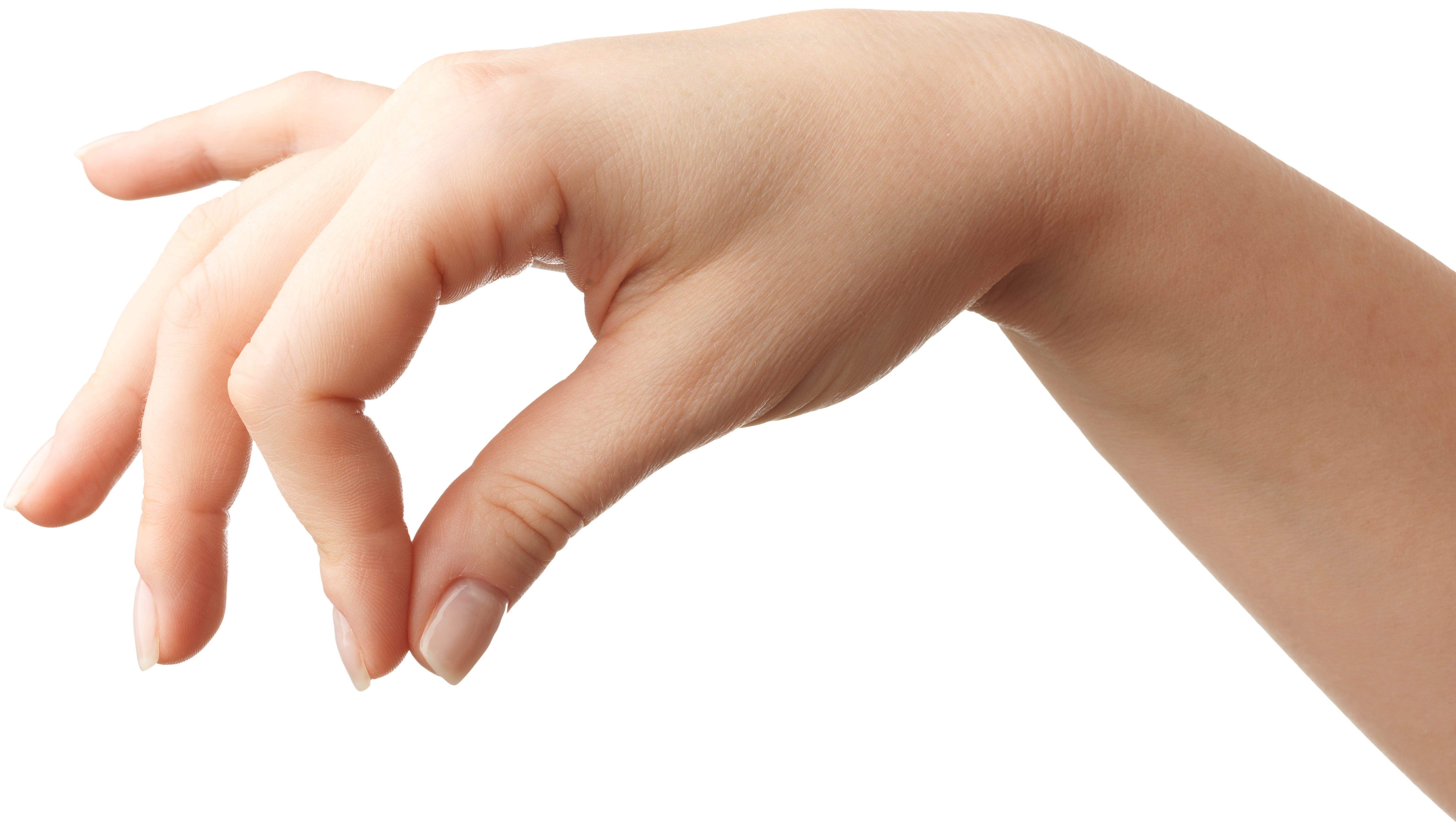
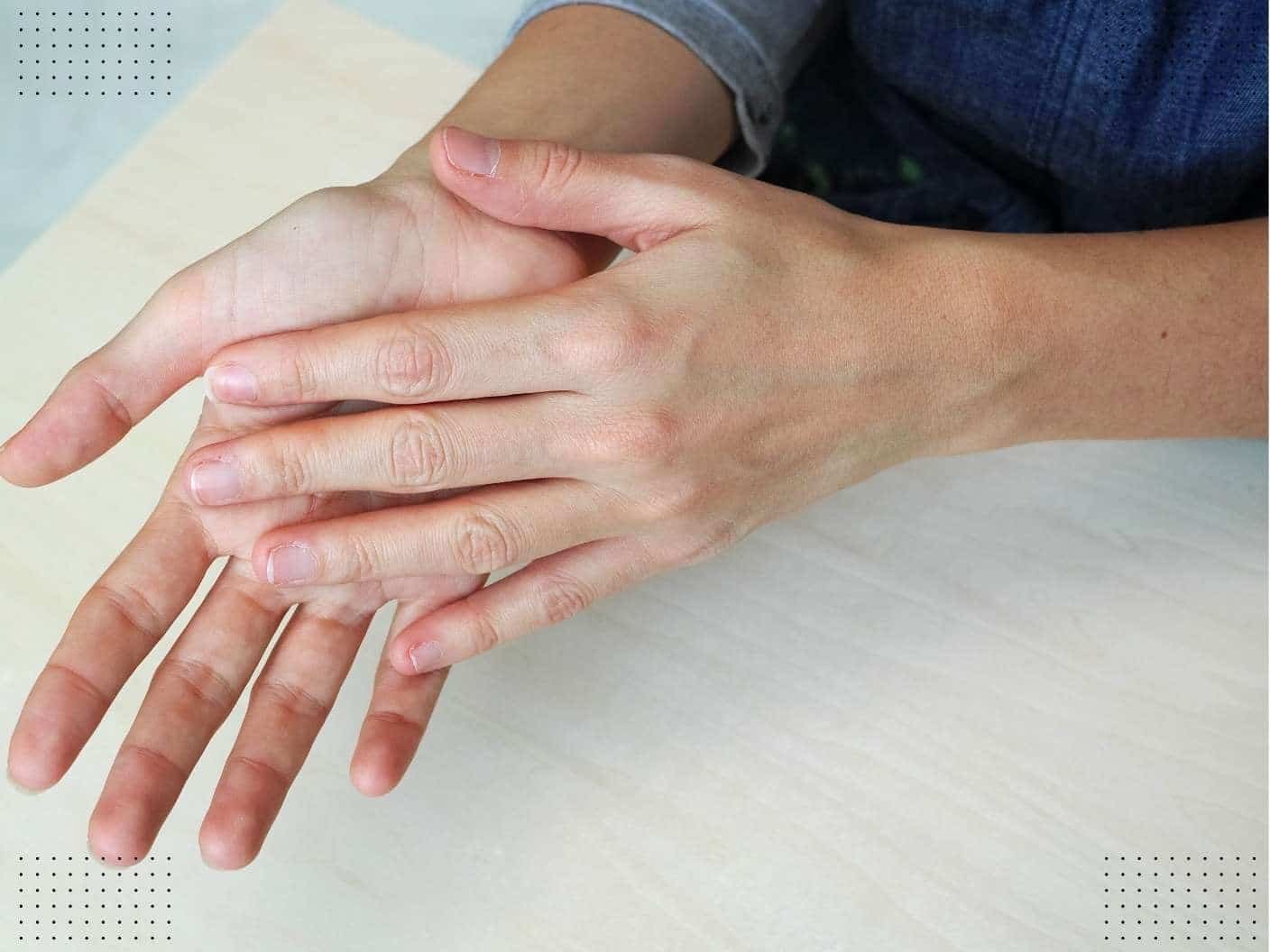
Targeted Thenar Muscle Stretching: Extend your left arm forward with your palm facing outward and fingers pointing down. Gentle pressure applied to the tip of the left thumb using your right hand pulls the thenar muscle tissue into a soft stretch. Hold for 20 to 30 seconds to suppress hyperactive stretch reflexes.
Thermal Therapy: Apply a warm compress or soak your left hand in warm water mixed with Epsom salts for 10 to 15 minutes in the evening. Moist heat increases vascular circulation, removes metabolic end-products, and relaxes tight muscular structures around the median nerve.
Medical Evaluation and Diagnostic Testing
When lifestyle adjustments do not resolve left thumb twitching within two to three weeks, or if neurological red flags emerge, a comprehensive medical assessment is recommended.
Neurological Red Flags
Schedule a prompt medical appointment if you observe any of the following warning signs:
- Progressive difficulty performing fine motor tasks, such as buttoning a shirt, turning a door key, or holding a pen.
- Visible flattening or shrinking of the muscular pad at the base of your left thumb (thenar atrophy).
- Spreading of muscle twitches from the thumb to the arm, shoulder, or legs, accompanied by persistent muscle cramps.
- Persistent numbness, loss of pinprick sensation, or a burning pain radiating down the neck or arm into the hand.
What to Expect During Clinical Workup
A neurologist or hand specialist will conduct a targeted evaluation to isolate the origin of the involuntary nerve signaling:
- Physical and Neurological Examination: The physician assesses deep tendon reflexes, muscle tone, sensory loss patterns, and tests individual hand muscle strength against resistance to distinguish true clinical weakness from muscle fatigue.
- Electromyography (EMG): A diagnostic procedure where fine needle electrodes are inserted into the thenar muscles to evaluate electrical activity at rest and during contraction. EMG precisely differentiates benign fasciculations from denervation changes caused by nerve compression or motor neuron degeneration.
- Nerve Conduction Studies (NCS): Electrodes placed on the skin measure the speed and strength of signals traveling through the median and ulnar nerves, identifying exact sites of nerve entrapment such as the wrist or elbow.
- Cervical Spine Magnetic Resonance Imaging (MRI): If cervical radiculopathy is suspected, an MRI captures detailed cross-sectional images of the neck to evaluate intervertebral discs, spinal cord compression, and nerve root foraminal stenosis.
- Comprehensive Blood Panels: Laboratory testing measures serum electrolytes, thyroid-stimulating hormone (TSH), hemoglobin A1c (for diabetic neuropathy), vitamin B12 levels, and creatine kinase (CK) to screen for underlying systemic or metabolic causes.
Frequently Asked Questions About Left Thumb Twitching
Why is only my left thumb twitching and not my right?
Asymmetrical muscle twitching is extremely common. If you are left-handed, your left thenar muscles perform more fine motor labor, making them more prone to muscle fatigue. If you are right-handed, your left hand often acts as an isometric stabilizer—holding heavy mobile devices or steering wheels while the right hand performs dynamic movements—inducing localized nerve irritability in the left hand specifically.
Can anxiety cause my thumb to twitch uncontrollably?
Yes. Psychological anxiety triggers the release of stress hormones like adrenaline, which significantly lowers the threshold required for peripheral nerves to fire spontaneous impulses. Heightened anxiety also causes hyperawareness, leading individuals to monitor their thumb closely, which increases perceived stress and creates a feedback loop of nerve hyperexcitability.
How long does a benign thumb twitch usually last?
A benign thumb twitch caused by fatigue, stress, or caffeine can last anywhere from a few minutes to several days. In some cases, localized fasciculations related to mild nerve strain or Benign Fasciculation Syndrome can persist off and on for weeks before fully resolving as muscle micro-trauma heals.
Could left thumb twitching be an early sign of ALS or Parkinson's?
It is highly unlikely. Isolated thumb twitching without objective clinical weakness or muscle wasting is almost never the initial presentation of ALS. Furthermore, Parkinson's disease causes a structural resting tremor (a rhythmic shaking movement of the joint) rather than fine, irregular muscle fiber fasciculations flickering under the skin.
What vitamins or minerals help stop muscle twitching?
Magnesium plays a critical role in calming hyperactive motor nerves by regulating calcium flux into cells. Vitamin B12 supports the integrity of peripheral nerve myelin sheaths, while potassium and calcium maintain stable resting membrane potentials. Consult a physician before beginning high-dose supplementation, as blood tests should guide treatment for underlying deficiencies.
Clinical Path Forward
Experiencing an persistent twitch in your left thumb can be distracting and anxiety-inducing, but it is almost always a benign physiological response to fatigue, nerve irritation, or stress. Modern lifestyle habits—ranging from smartphone ergonomics to high caffeine consumption—frequently overload the delicate motor units of the thenar eminence.
Begin by resting your hand, optimizing your daily ergonomic setup, reducing stimulants, and restoring your body's hydration and electrolyte balance. If the twitching persists beyond three weeks, spreads significantly, or occurs alongside noticeable muscle weakness or loss of thumb volume, consult a healthcare provider for a thorough neurological evaluation.
Image Gallery