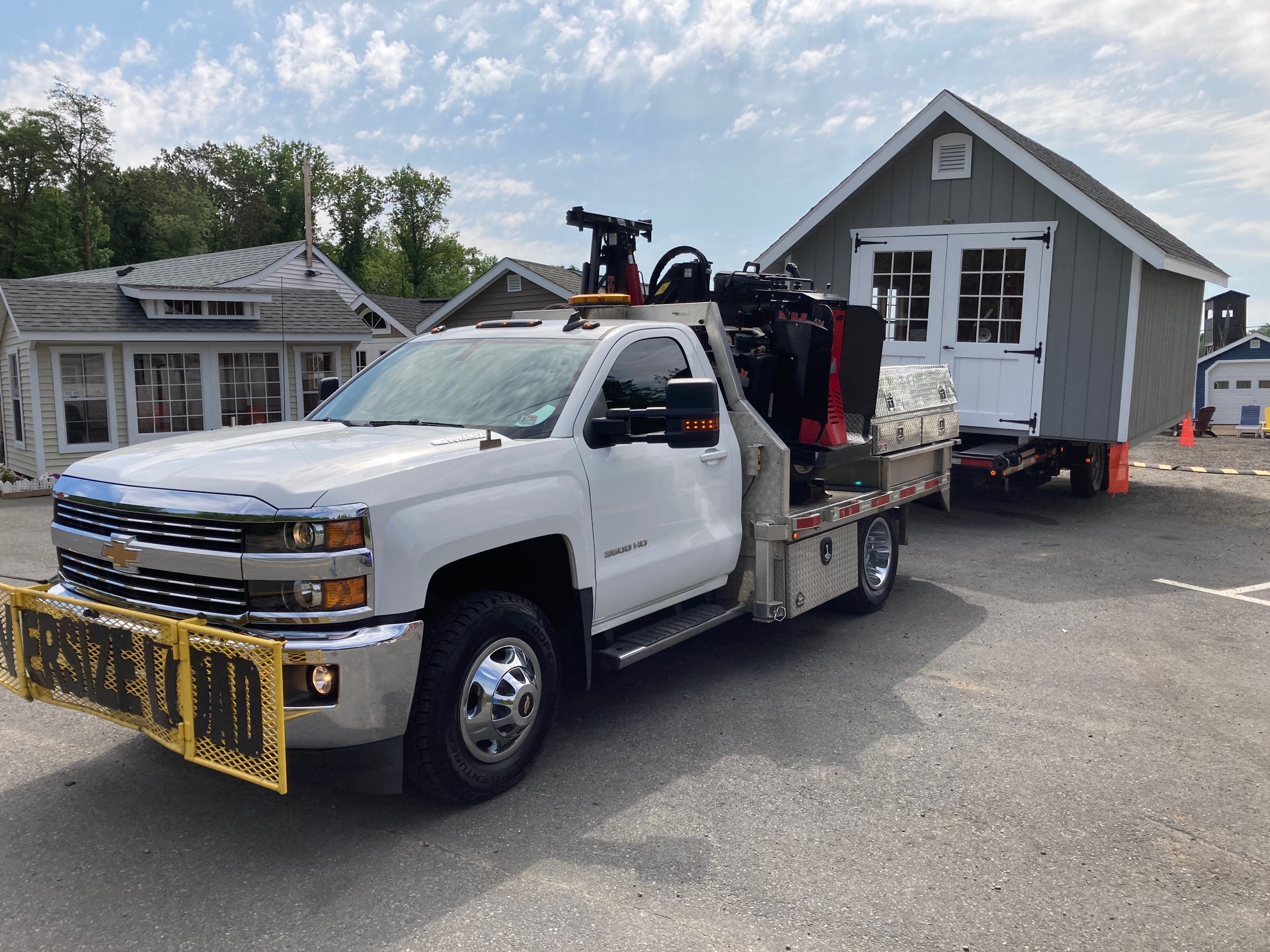
Mastering the Use of a Shed Mover Tool: A Professional Guide for 2026
A shed mover tool is a specialized mechanical assembly designed to lift and transport pre-built garden sheds, storage structures, or small cabins across relatively flat terrain. Utilizing a system of heavy-duty steel rollers, dollies,...
A shed mover tool is a specialized mechanical assembly designed to lift and transport pre-built garden sheds, storage structures, or small cabins across relatively flat terrain. Utilizing a system of heavy-duty steel rollers, dollies, and hydraulic lifting jacks, these tools allow a single operator or a small team to relocate a shed without requiring a professional rigging company or a flatbed trailer.
Contents
Understanding the Mechanics of Shed Moving Systems
Moving a shed is a structural engineering challenge that requires careful weight distribution and stabilization. A professional-grade shed mover tool typically consists of a combination of high-capacity hydraulic jacks and low-profile dollies with high-density polyurethane wheels.
The fundamental principle behind these tools is the reduction of friction and the elevation of the shed frame above its foundation. By lifting the shed onto a stable, rolling carriage, you convert the static weight of the building into kinetic energy, allowing it to be pulled or pushed along a prepared path. In 2026, many operators prefer pneumatic tires for uneven terrain, as they distribute pressure more effectively than solid rubber wheels, preventing the tool from sinking into soft ground or damaging residential lawns.
Core Components of a Reliable Mover Kit
- Hydraulic Toe Jacks: These are essential for the initial lift. They feature a low-profile claw that slips under the shed skids, allowing for controlled, vertical elevation.
- Heavy-Duty Dollies: These are the primary load-bearing units. Most systems utilize a two-dolly setup, one for each side of the shed's main skid.
- Safety Chains and Ratchet Straps: Crucial for securing the shed to the mover apparatus to prevent lateral sliding during transit.
- Pivoting Axles: High-end models include steerable axles, which are vital for maneuvering through tight backyard gates or around landscaping features.
Critical Pre-Transit Assessment and Site Preparation
Before deploying a shed mover tool, you must conduct a thorough structural integrity assessment of the building. Not all sheds are designed to be moved; those with compromised floor joists or weakened skids can experience catastrophic failure if lifted from the wrong points.
Structural Integrity Guidelines
Inspection Requirements Before lifting, verify the condition of the main support skids. If the wood is rotted or shows significant termite damage, the structure may collapse under its own weight during the lift.
Weight Distribution Remove all internal items, including tools, shelving, and heavy equipment. A shed’s weight is concentrated at its base, but loose interior items shift during movement, causing dangerous imbalances in the center of gravity.
Path Clearance Evaluate the intended path for obstacles such as roots, rocks, or soft soil. Ensure that the ground can support the concentrated weight of the shed and the mover. Placing sheets of plywood over soft grass or flowerbeds is a standard practice to distribute weight and protect the landscape.
Operational Workflow for Safe Shed Relocation
Moving a shed is a systematic process. Rushing the setup phase is the most common cause of equipment failure and property damage. By following this procedure, you minimize the risk of accidental tipping or structural deformation.
- Level the Lifting Points: Position the toe jacks at the strongest structural points of the shed, typically near the corners of the main floor skids.
- Gradual Elevation: Lift the shed no more than 2-3 inches. Excessive height creates an unstable center of gravity, increasing the risk of the shed toppling during the move.
- Dolly Placement: Slide the dollies under the skids once the required clearance is achieved. Ensure the dollies are centered to prevent the shed from leaning.
- Securing the Load: Use heavy-duty, industrial-rated ratchet straps to bridge the shed frame to the dollies. This creates a unified transport unit.
- Steady Traction: Use a motorized vehicle (such as a lawn tractor or compact utility tractor) or a manual winch system to pull the shed. Always move at a slow, controlled walking pace. Never attempt to push a heavy shed by hand; always use a tow-hitch connection for better control.
Comparison of Shed Moving Solutions
Selecting the right tool depends on the total weight of the structure and the frequency of use. The following table compares common methods used by professional and DIY shed movers in 2026.
| Method | Best For | Typical Capacity | Mobility |
|---|---|---|---|
| Hydraulic Dolly System | Frequent, professional use | 5,000–15,000 lbs | High (Steerable) |
| Pneumatic Roller Pipe | Extremely heavy, long distance | 10,000+ lbs | Low (Linear only) |
| Skid-Steer/Loader | Short-range, rough terrain | 2,000–8,000 lbs | Very High |
| Manual Prying/Cribbing | Occasional, light structures | < 2,000 lbs | Negligible |
Safety Protocols and Liability Considerations
Operating heavy machinery to move structures carries inherent risks. In 2026, standard safety requirements emphasize the use of personal protective equipment (PPE), including steel-toed boots, high-visibility clothing, and heavy-duty work gloves.
If you are moving a shed on a property with utility lines (e.g., electricity, irrigation, or gas), you must perform a site sweep. Even if the shed is currently disconnected, buried lines near the path of travel can be severed by the concentrated pressure of the dolly wheels. Furthermore, ensure that the shed weight does not exceed the rated capacity of the jacks or dollies; exceeding these limits voids manufacturer warranties and significantly increases the probability of equipment fracture.
Frequently Asked Questions
Can I move a shed that has a concrete floor? No, a standard shed mover tool is designed for wooden skids. Concrete sheds are monolithic or heavily reinforced; attempting to move them with roller dollies will likely crack the slab.
How do I determine the total weight of my shed? A safe estimation is to calculate 15–20 pounds per square foot for a standard wooden shed. If the shed is filled with heavy equipment, you must empty it entirely before attempting any move.
Is it safe to move a shed with a shingle roof? Yes, but the movement should be exceptionally smooth. Excessive vibration or sudden stops can cause asphalt shingles to loosen or crack, leading to leaks later.
What should I do if the ground is uneven? If you encounter significant slopes or soft soil, you should build a temporary ramp or path using 3/4-inch plywood sheets. This bridges the gaps and ensures the dollies have a stable, flat surface to traverse.
Do I need a permit to move a shed within my own yard? Regulations vary by municipality. While internal relocation is usually permitted, check your local building department’s ordinances, especially if the move places the shed closer to a property line or public easement.
What is the most common mistake when using a shed mover? The most common error is failing to secure the shed to the dollies. Without proper strapping, the shed can easily slide off the dollies during a sudden stop or when encountering an obstacle.
Final Recommendations for Successful Execution
Success with a shed mover tool depends on planning and stabilization. For most residential projects, a rental-grade hydraulic dolly system is the most cost-effective and safe solution. Before starting, verify that your pulling vehicle has sufficient torque to maintain a slow, steady momentum. Always prioritize safety over speed; if the structure shows signs of flexing or if the dollies begin to shift, immediately stop the movement and re-level the support points. By following these technical standards, you ensure the structural integrity of your shed and the safety of your property throughout the relocation process.
Image Gallery