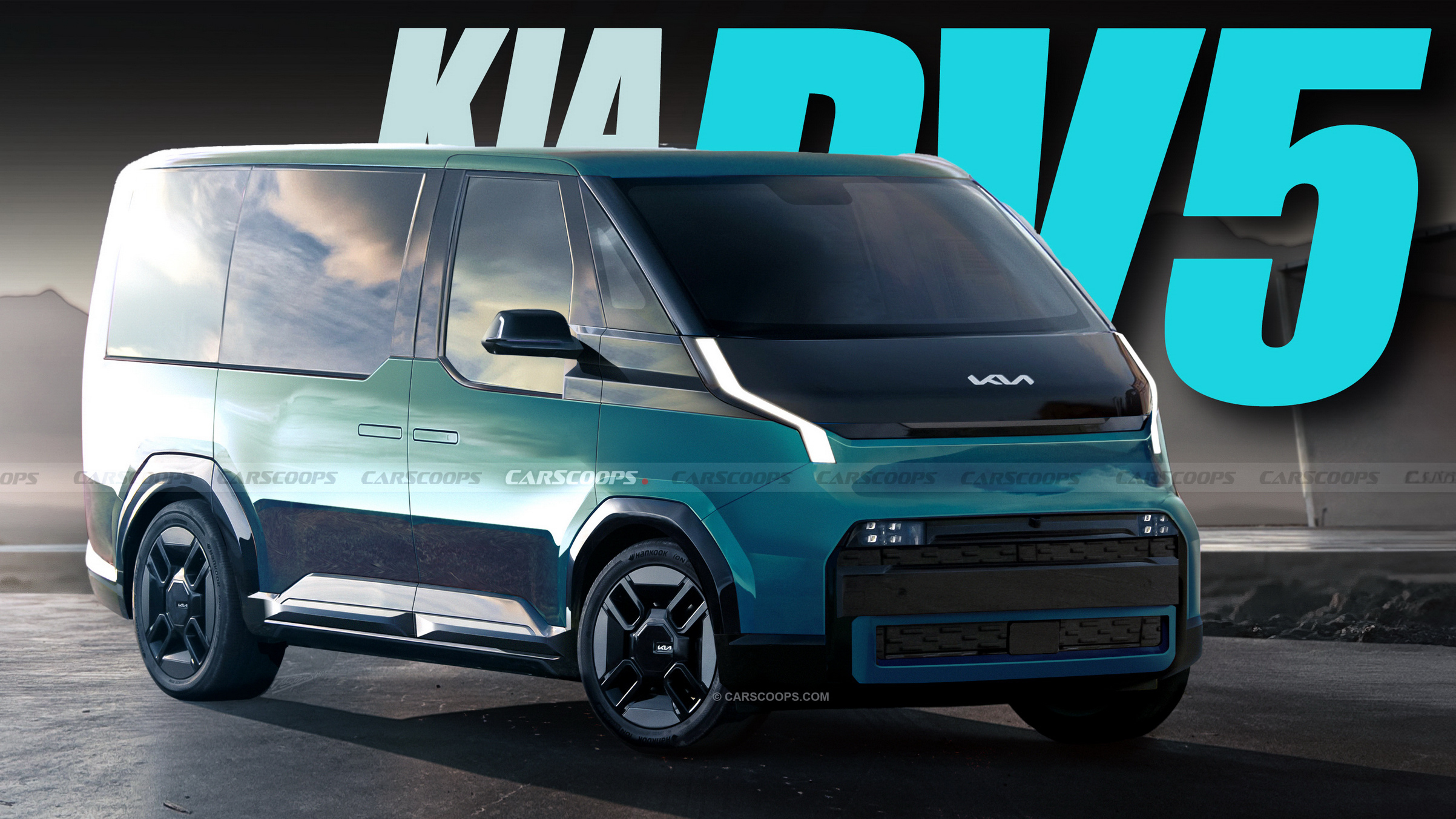
Kia Electric Sports Car Drives the Next Generation
Kia's vision for an electric sports car represents a strategic pivot toward high-performance zero-emission driving, combining advanced modular platforms, aggressive styling, and next-generation battery technology to redefine the brand'...
Kia's vision for an electric sports car represents a strategic pivot toward high-performance zero-emission driving, combining advanced modular platforms, aggressive styling, and next-generation battery technology to redefine the brand's identity for future drivers.
Contents
The automotive landscape is undergoing an irreversible transition toward electrification, and legacy manufacturers are racing to redefine what battery-powered vehicles can achieve beyond simple utilitarian commuting. Within this shifting paradigm, Kia has emerged as a surprisingly aggressive innovator. Moving far beyond mainstream crossovers and family SUVs, the concept of a dedicated Kia electric sports car embodies the brand’s ambitions to capture the imagination of driving enthusiasts. By leveraging advanced skateboard platforms, high-output dual-motor architectures, and striking aerodynamic design, Kia is attempting to craft a vehicle that not only honors the heritage of traditional sports cars but actively drives the next generation of performance expectations.
The Evolution of Kia’s Performance Ambitions
For decades, Kia was recognized primarily as a purveyor of affordable, reliable, and practical transportation. However, the introduction of the rear-wheel-drive Stinger sport sedan marked a critical turning point, proving that the South Korean manufacturer possessed the engineering prowess to build a compelling driver's car. This performance-oriented shift accelerated dramatically with the arrival of the Electric Global Modular Platform (E-GMP), which underpinned vehicles like the award-winning EV6 GT.
The E-GMP architecture fundamentally changed how Kia approached vehicle dynamics. By placing heavy battery packs low in the chassis and distributing weight evenly, engineers achieved sports-car-like center of gravity dynamics without relying solely on traditional internal combustion layouts. The success of these initial performance experiments laid the groundwork for dedicated halo projects. These upcoming or conceptual battery-electric sports vehicles are designed to showcase the absolute peak of the brand’s technical capabilities, proving that electrification and driving engagement are not mutually exclusive concepts.
Core Engineering and Powertrain Architecture
At the heart of any true sports car lies its powertrain, and a next-generation electric sports vehicle requires hardware capable of delivering instantaneous torque alongside sustained high-speed performance. Kia's approach relies heavily on high-voltage electrical systems, specifically 800-volt architecture. This ultra-fast charging capability ensures that high-performance driving sessions are not permanently hindered by excessively long replenishment stops.
Dual-Motor Configurations and Vectoring
To put power down effectively, future sports models utilize advanced dual-motor layouts capable of distributing torque dynamically to each individual wheel.
- Instantaneous Torque Delivery: Electric motors eliminate spool-up time, providing immediate throttle response.
- Electronic Torque Vectoring: Sophisticated software monitors wheel slip in milliseconds, shifting power laterally to maximize cornering grip.
- Regenerative Braking Optimization: High-capacity recuperation systems capture kinetic energy during heavy deceleration, feeding power back into the battery stack.
Managing thermal loads remains one of the greatest engineering challenges for high-performance electric vehicles. Kia utilizes advanced liquid-cooling circuits for both the battery cells and the inverter modules, ensuring that the vehicle can complete multiple hot laps on a track or sustained high-speed Autobahn runs without triggering thermal throttling safeguards.
Design Philosophy and Aerodynamic Efficiency
A sports car must communicate speed and agility visually even when standing still. Kia’s design language—dubbed "Opposites United"—plays a central role in shaping its performance vehicles. This philosophy combines organic, natural elements with sharp, futuristic geometric lines.
Aerodynamic efficiency directly dictates driving range and high-speed stability. Instead of relying on brute force, designers sculpt active aerodynamic elements into the bodywork. Active grille shutters, flat underbody panels, and specialized rear diffusers work in unison to reduce the drag coefficient while generating genuine downforce at highway speeds. Inside the cockpit, the minimalist yet driver-focused layout strips away unnecessary clutter, placing critical driving controls directly on the steering wheel much like modern motorsport configurations.
| Feature Area | Traditional ICE Sports Car | Next-Gen Kia Electric Sports Architecture |
|---|---|---|
| Center of Gravity | Variable based on engine placement | Ultra-low, centralized floor-mounted battery pack |
| Power Delivery | Dependent on RPM curves and transmission shifts | Instantaneous torque across all operational speeds |
| Refueling Time | 3 to 5 minutes at liquid fuel pumps | 10% to 80% charge in under 20 minutes (800V) |
| Maintenance Profile | Complex (oil, belts, exhausts, transmissions) | Simplified (reduced moving parts, regenerative brake wear) |
Bridging the Gap Between Concept and Production
Translating aggressive concept cars into street-legal production vehicles presents significant regulatory, financial, and manufacturing hurdles. Kia has historically demonstrated a unique willingness to bring daring concepts remarkably close to their final showroom iterations—as witnessed with the transition from the EV6 concept to the production model.
For an electric sports car to successfully capture market share, it must balance prohibitive development costs with accessible enthusiast pricing. By sharing modular E-GMP components across multiple corporate brands within the Hyundai Motor Group, Kia can amortize the research and development expenditures required for specialized lightweight carbon-fiber composites and high-output inverter electronics. This platform-sharing strategy ensures that high performance remains viable without requiring an astronomical six-figure price tag.
Frequently Asked Questions
What platform will power the next-generation Kia electric sports car?
The vehicle is expected to utilize an evolution of the dedicated Electric Global Modular Platform (E-GMP), optimized specifically for lower ride heights, shorter wheelbases, and enhanced torsional rigidity required by true sports car geometry.
How fast can an electric Kia sports model charge?
Thanks to standard 800-volt electrical architecture, these vehicles can support ultra-fast DC fast charging, allowing compatible chargers to replenish the battery from 10% to 80% capacity in approximately 18 to 20 minutes under optimal thermal conditions.
Will these electric sports models feature artificial engine sounds?
Manufacturers increasingly incorporate customizable sound profiles into high-performance electric vehicles to provide auditory feedback that matches vehicle speed and acceleration, enhancing the visceral driver connection.
How does weight affect the handling of an electric sports car?
While battery packs add overall weight compared to legacy gas-powered sports cars, positioning that weight low and centrally within the chassis creates a remarkably low center of gravity, which aids agile cornering and balanced transitional weight transfer.
Image Gallery