The Ultimate Guide to Dry Heat Protectant for Hair: Professional Protection for Heat Styling
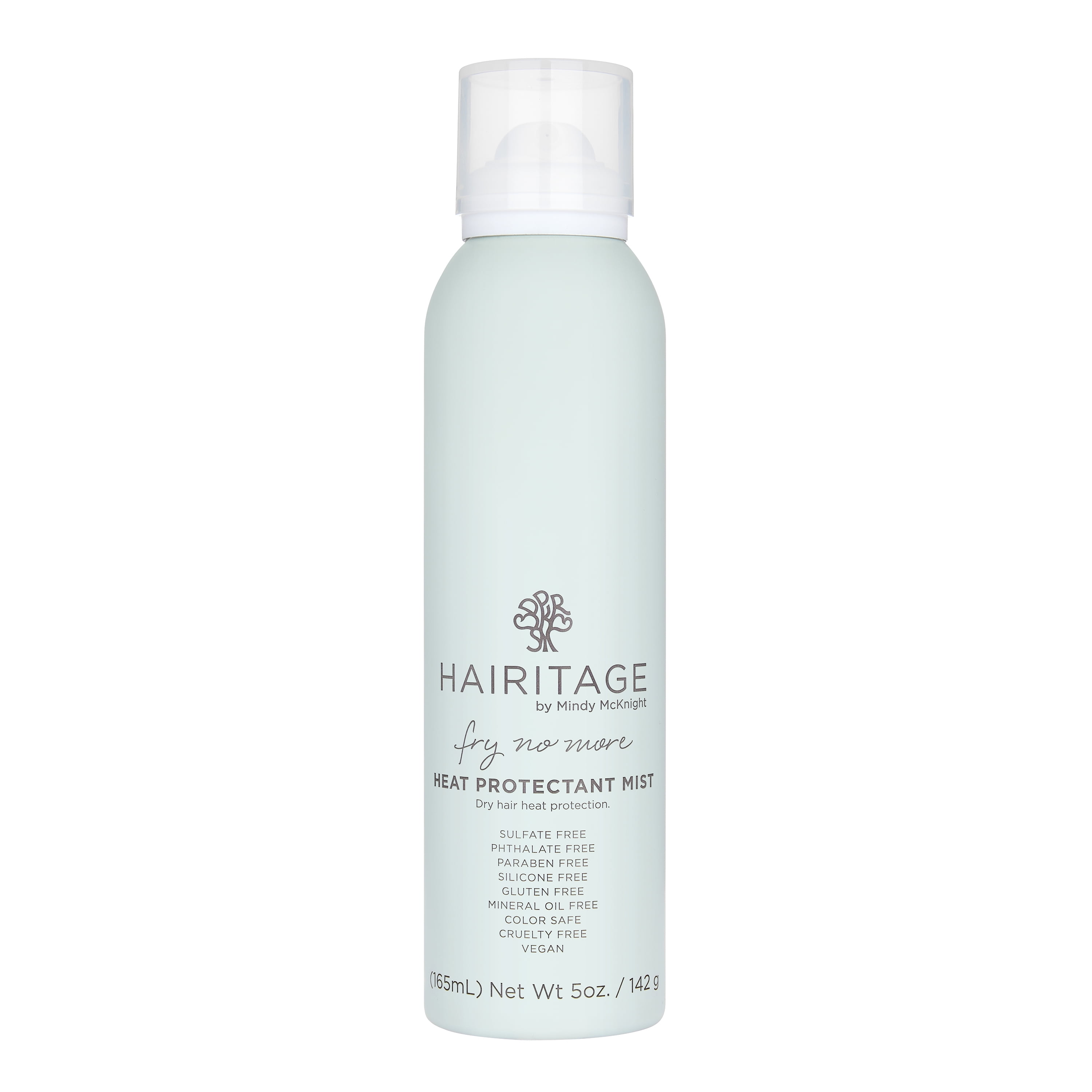
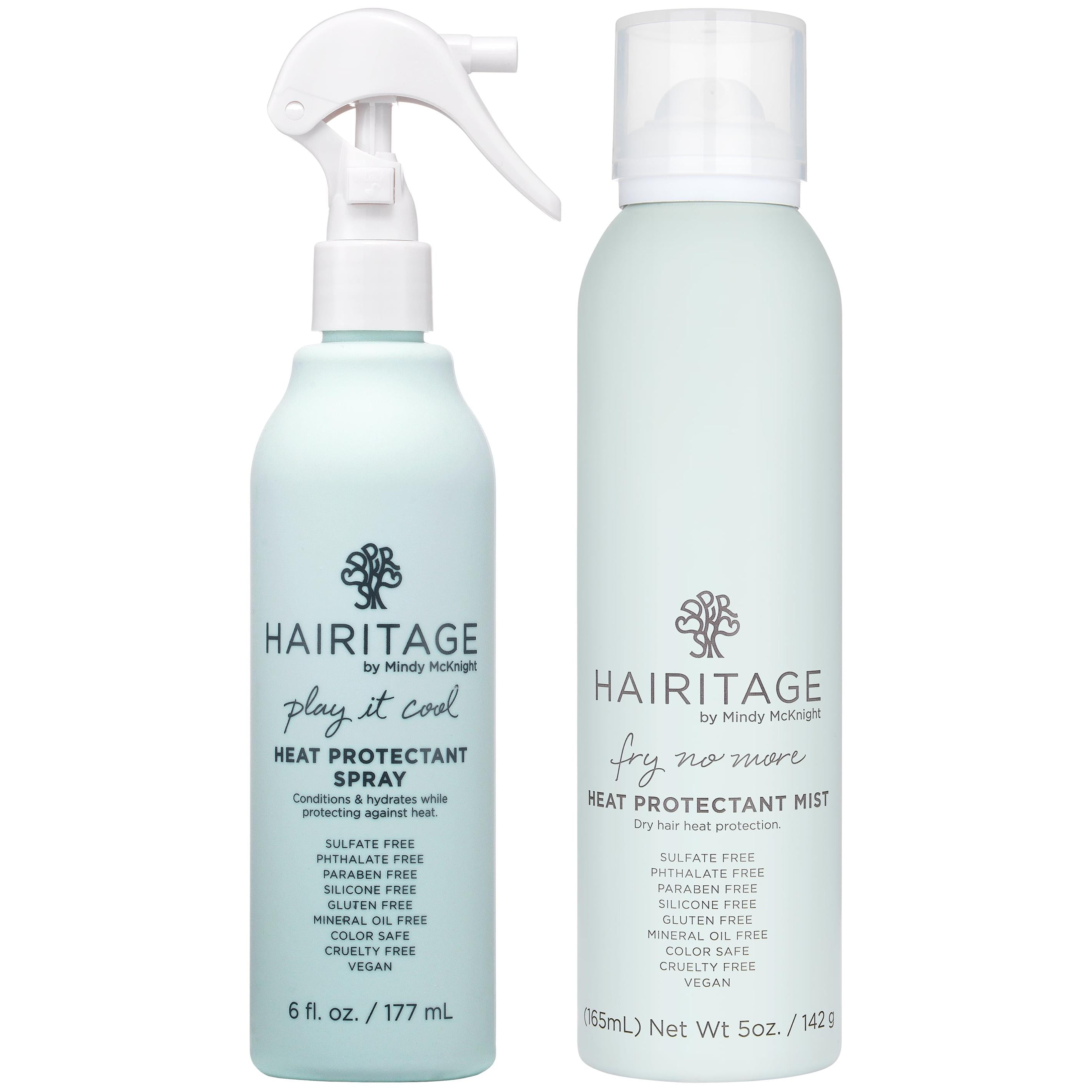
Dry heat protectant for hair is a specialized styling product formulated specifically for application on dry strands before using high-heat tools like flat irons, curling wands, or hot rollers. Unlike traditional heat protectants desig...
Dry heat protectant for hair is a specialized styling product formulated specifically for application on dry strands before using high-heat tools like flat irons, curling wands, or hot rollers. Unlike traditional heat protectants designed for damp hair, these formulas provide a lightweight, moisture-free barrier that prevents thermal damage, frizz, and breakage without re-wetting the hair cuticle or causing the "sizzle" effect that leads to structural degradation.
Contents
Understanding the Difference: Wet vs. Dry Heat Protectants
To maintain hair health in 2026, it is essential to distinguish between the two primary categories of thermal protection. Most consumers are familiar with "wet" heat protectants—creams, lotions, or sprays applied to towel-dried hair before blow-drying. These products are formulated to work with the moisture already present in the hair, helping to distribute the lower heat of a blow dryer while smoothing the cuticle.
However, using a water-based "wet" protectant on hair that is already dry before using a 450°F (232°C) flat iron can be catastrophic. When water is trapped under high heat, it reaches boiling point instantly, creating "bubble hair"—a condition where the moisture inside the hair shaft turns to steam and bursts through the cuticle, leaving permanent, irreparable gaps. Dry heat protectants are typically aerosol-based or formulated with volatile silicones and anhydrous (water-free) ingredients. They evaporate almost instantly upon contact, leaving behind a microscopic protective film that does not introduce new moisture to the hair, thus preventing the boiling effect while still shielding the keratin proteins from extreme temperatures.
The Science of Thermal Damage and Protective Barriers
Hair is primarily composed of a protein called keratin, held together by disulfide bonds. When temperatures exceed 130°C (266°F), these bonds begin to weaken. By 200°C (392°F), the protective lipid layer of the hair is stripped away, and the internal cortex begins to lose its structural integrity. This leads to what stylists call "thermal trauma," manifesting as split ends, a "straw-like" texture, and a loss of color vibrancy.
Dry heat protectants function through three primary mechanisms:
- Thermal Conductivity Reduction: Ingredients like dimethicone and cyclomethicone have low thermal conductivity. They slow down the transfer of heat from the metal plate to the hair fiber, ensuring the core of the hair doesn't reach damaging temperatures instantly.
- Heat Distribution: Polymers such as PVP/VA copolymers help spread the heat evenly across the surface of the hair strand, preventing "hot spots" where a single section of the hair absorbs an excessive amount of energy.
- Friction Reduction: By smoothing the cuticle, these products allow styling tools to glide effortlessly. This reduces mechanical damage—the physical snapping of hairs caused by the iron catching on rough cuticle scales.
Key Ingredients to Look for in 2026
As of 2026, hair science has moved toward "biomimetic" ingredients that not only protect but also reinforce the hair's natural barrier. When selecting a dry heat protectant, look for these advanced components:
- Volatile Silicones (Cyclopentasiloxane): These provide the "dry" feel. They offer high slip and protection but evaporate quickly so they don't weigh down the hair or leave a sticky residue.
- Hydrolyzed Silk or Keratin: These proteins fill in micro-cracks in the hair cuticle, providing a smoother surface for the iron and temporarily reinforcing the hair's structure.
- Heat-Activated Polymers: These are the "glue" of the protectant. They form a flexible, breathable shield that hardens slightly under heat to lock in the style while keeping the internal moisture sealed.
- Antioxidants (Green Tea Extract, Vitamin E): High heat generates free radicals that can fade hair color. Antioxidants help neutralize this oxidative stress during the styling process.
- Argan or Marula Oil (in anhydrous form): These provide a high-shine finish and fatty acids that replenish the hair's lipid layer without the weight of traditional water-based oils.
How to Correctly Apply Dry Heat Protectant
Proper application is the difference between a salon-quality finish and accidental damage. Because dry heat protectants are often aerosols, many users apply them too close to the head, leading to concentrated "wet" spots.
Step 1: Ensure Absolute Dryness
Never use a dry heat protectant on damp hair. Ensure your hair is 100% dry, either from air-drying or a previous blow-dry. If you feel any cool or "heavy" spots in your hair, hit them with a blow dryer for thirty seconds before proceeding.
Step 2: Sectioning
For maximum protection, you must protect every strand. Divide your hair into at least four quadrants. Use clips to keep the top sections away while you work on the bottom. If you simply spray the surface of your hair, the inner layers remain unprotected when you run the iron through them.
Step 3: The "Misting" Technique
Hold the canister 8 to 10 inches away from your hair. Use a continuous sweeping motion to mist the section from roots to ends. Avoid "soaking" the hair; a light, even coating is sufficient.
Step 4: The "Wait and Comb" Rule
After spraying a section, wait 5–10 seconds for the volatile carriers to evaporate. Run a fine-tooth comb through the section to ensure the product is distributed evenly across every individual hair fiber. This prevents the product from "gunking up" on your styling tool.
Step 5: Style with Precision
Use your flat iron or curling wand as usual. You should notice the tool gliding more smoothly. If you see a small amount of "steam," it is likely the product's volatile silicones evaporating, which is normal. However, if you hear a loud sizzling sound, stop immediately—your hair is either still damp or you have applied too much product.
Comparison of Dry Heat Protectant Formulas
Different hair textures require different delivery systems. Use the table below to determine which dry heat protectant format is best for your specific needs in 2026.
| Formula Type | Best For | Key Benefits | Finish |
|---|---|---|---|
| Aerosol Spray | Fine to Medium hair | Ultra-lightweight; impossible to over-apply; dries instantly. | Matte to Natural Shine |
| Dry Oil Mist | Thick, Coarse, or Curly hair | High lipid content; tames stubborn frizz; adds significant weight. | High Gloss / Sleek |
| Non-Aerosol Pump | Eco-conscious users | More concentrated; better for targeted "spot" styling (e.g., bangs). | Natural / Flexible |
| Heat-Protectant Dry Shampoo | Oily scalps / Second-day hair | Absorbs oil while providing a barrier for quick touch-ups. | Matte / Voluminous |
Common Mistakes to Avoid
Even with the best products, user error can lead to hair breakage. Avoiding these pitfalls will extend the life of your hair health:
- Using Too Much Product: Over-saturation can lead to "product buildup," which actually makes the hair more prone to burning. The buildup acts as a heat conductor rather than an insulator.
- Styling at Maximum Temperature: Just because your flat iron goes to 450°F doesn't mean you should use it there. Most hair types (especially fine or lightened hair) only require 300°F to 350°F. The dry heat protectant is a safety net, not a license to use excessive heat.
- Ignoring the Ends: The ends of your hair are the oldest and most porous. They require the most protection but are often the most neglected during the spraying process. Ensure you mist all the way through the tips.
- Forgetting to Clean Tools: Dry heat protectants can leave a residue on your styling plates over time. This residue can burn and create an uneven heating surface. Wipe your tools down with a damp cloth (when cool!) once a week.
Troubleshooting Heat Damage
If you find that your hair feels crunchy or smells "burnt" even after using a protectant, you may have existing damage that requires more than just a spray.
- Porosity Issues: If your hair is highly porous, it may absorb the protectant too quickly, leaving the surface exposed. In this case, consider a "layered" approach: use a leave-in conditioner on wet hair, blow-dry, and then use the dry heat protectant.
- Mechanical Stress: If you have to pass the iron over the same section five times, the heat protectant will eventually fail. Focus on slow, single passes.
- Ingredient Sensitivity: Some users find that high concentrations of alcohol (often used as a drying agent in aerosol protectants) can be drying. If your hair feels brittle, switch to an alcohol-free dry oil mist.
FAQs
Can I use dry shampoo as a heat protectant?
Standard dry shampoos are designed to absorb oil using starches like rice or corn starch. Unless the bottle explicitly states it contains "thermal protection," do not use it as a substitute. In fact, some starches can burn or clump when exposed to high heat, potentially damaging your hair or your styling tool.
Is dry heat protectant necessary if my flat iron has "ionic technology"?
Yes. While ionic technology helps to seal the cuticle and reduce frizz by neutralizing static, it does not provide a physical or chemical barrier against high temperatures. Thermal protection is a separate requirement from ionization.
How long does the protection last after spraying?
Most dry heat protectants are effective until the hair is next dampened or washed. However, if you are restyling the next day with high heat, it is recommended to apply a light "refresh" mist to ensure the barrier is still intact, especially if you have brushed your hair thoroughly, which can mechanically remove some of the protective polymers.
Will dry heat protectant weigh down fine hair?
Aerosol-based dry heat protectants are specifically engineered for this concern. They use "flash-evaporating" solvents that leave only the necessary protective molecules behind, making them much lighter than traditional creams or oils. If you have fine hair, stick to aerosols and avoid "dry oil" versions.
Final Recommendation
For optimal hair health in 2026, a dry heat protectant should be considered a non-negotiable step for anyone using a flat iron or curling wand on dry hair. For those with fine to medium hair, an aerosol mist provides the most even coverage without sacrificing volume. Those with coarse or highly textured hair should opt for a dry oil spray to provide the necessary lubrication and weight. Regardless of the formula, always remember to section your hair and allow the product a few seconds to set before applying heat. Your hair's integrity depends not just on the tools you use, but on the invisible barrier you create before the heat ever touches the strand.
Image Gallery