What is Bulk Transport? A Comprehensive Guide to Large-Scale Logistics
Bulk transport is the specialized process of shipping large quantities of unpackaged goods, where the cargo itself is loaded directly into a transport vehicle, such as a tanker, hopper, or ship hold. Unlike break-bulk or containerized...
Bulk transport is the specialized process of shipping large quantities of unpackaged goods, where the cargo itself is loaded directly into a transport vehicle, such as a tanker, hopper, or ship hold. Unlike break-bulk or containerized shipping, bulk transport treats the commodity as a single mass, relying on specialized infrastructure for loading and unloading.
Contents
In the global supply chain of 2026, bulk transport remains the backbone of industrial and agricultural trade. Whether it involves moving millions of gallons of liquified natural gas (LNG) across oceans or delivering tons of grain to a local processing plant, this method of logistics prioritizes volume and cost-efficiency. By eliminating the need for individual packaging like boxes, pallets, or crates, businesses can significantly reduce overhead costs and maximize the carrying capacity of their fleets.
The Core Concept of Bulk Transportation
At its most fundamental level, bulk transport is defined by the absence of secondary packaging. If you are shipping 50,000 laptops, they are packaged in boxes, placed on pallets, and stuffed into containers; this is not bulk transport. However, if you are shipping 50,000 tons of iron ore or 20,000 gallons of milk, the product is poured, pumped, or blown directly into the transport vessel.
The efficiency of this method relies on the economy of scale. Because the cost of the vehicle, fuel, and labor is spread across a massive quantity of a single product, the "per-unit" cost of transportation drops dramatically. This makes bulk transport the preferred choice for commodities—raw materials that are standardized and traded in high volumes.
The Distinction Between Bulk and Break-Bulk
It is common for those new to logistics to confuse "bulk" with "break-bulk."
- Bulk Transport: Cargo is loose and loaded directly into the structure of the ship, truck, or railcar. Examples include crude oil, grain, and coal.
- Break-Bulk: Cargo is individual items that are too large for containers but are still distinct units, such as heavy machinery, large pipes, or bundled timber.
Primary Categories: Dry Bulk vs. Liquid Bulk
Bulk transport is divided into two major segments based on the physical state of the material being moved. Each requires vastly different equipment, safety protocols, and handling procedures.
Dry Bulk Materials
Dry bulk refers to solid, granular, or particulate materials. These are typically moved using gravity, conveyor belts, or pneumatic systems.
- Major Bulks: This category includes high-volume global commodities such as iron ore, coal, and grain. These represent the highest tonnage in maritime shipping.
- Minor Bulks: This includes products like fertilizers, scrap metal, cement, and minerals like bauxite or phosphate.
- Agricultural Bulks: Wheat, corn, soybeans, and sugar are seasonal but represent a massive portion of the dry bulk market.
Handling dry bulk requires an understanding of the stowage factor (the space a ton of cargo occupies) and the angle of repose (the steepest angle at which a sloping surface of loose material is stable). If the angle of repose is not managed, the cargo can shift during transit, potentially causing a ship or truck to capsize.
Liquid Bulk Materials
Liquid bulk involves fluids or gases that have been liquefied. These materials are stored in tanks and moved via pumps and pipes.
- Petroleum Products: Crude oil, gasoline, diesel, and aviation fuel.
- Chemicals: Hazardous and non-hazardous chemicals, including acids, resins, and cleaning agents.
- Food-Grade Liquids: Milk, fruit juices, vegetable oils, and wine.
- Liquefied Gases: LNG and LPG (Liquefied Petroleum Gas), which require specialized cryogenic tanks to keep the gases in a liquid state at extremely low temperatures.
Liquid bulk transport is heavily regulated due to the environmental risks of spills and the volatile nature of many fluids. In 2026, the industry has seen a massive shift toward ISO tanks—multimodal containers designed specifically for liquids that can move seamlessly between ships, rails, and trucks.
Modes of Bulk Transport
The choice of transport mode depends on the distance, the nature of the commodity, and the available infrastructure.
1. Maritime Bulk Transport
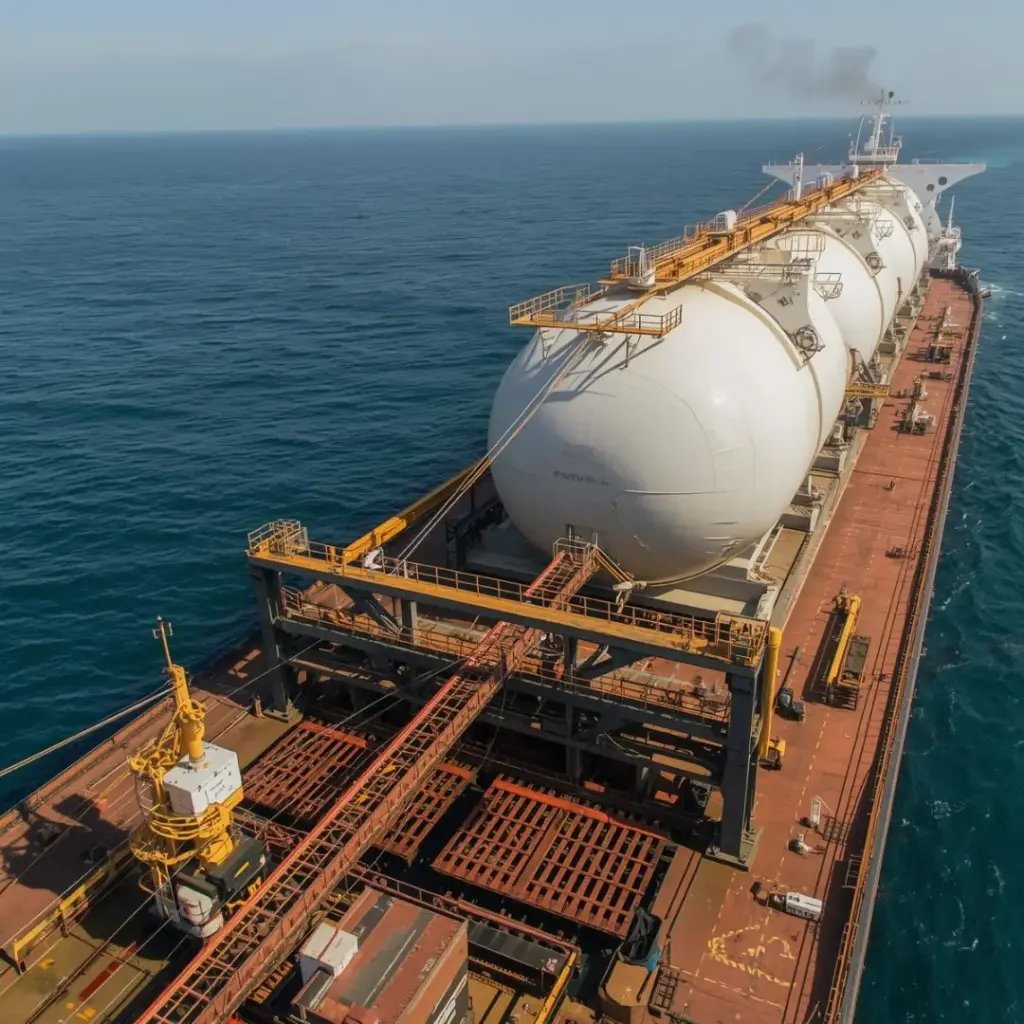
The vast majority of international bulk trade happens via sea. Large vessels called Bulk Carriers (for dry goods) and Tankers (for liquids) dominate the oceans. These ships are categorized by size, such as Handysize, Panamax, and Capesize. Capesize vessels, for instance, are so large they cannot pass through the Panama Canal and must sail around Cape Horn or the Cape of Good Hope.
2. Road Bulk Transport
For domestic and regional delivery, heavy-duty trucks are the primary solution.
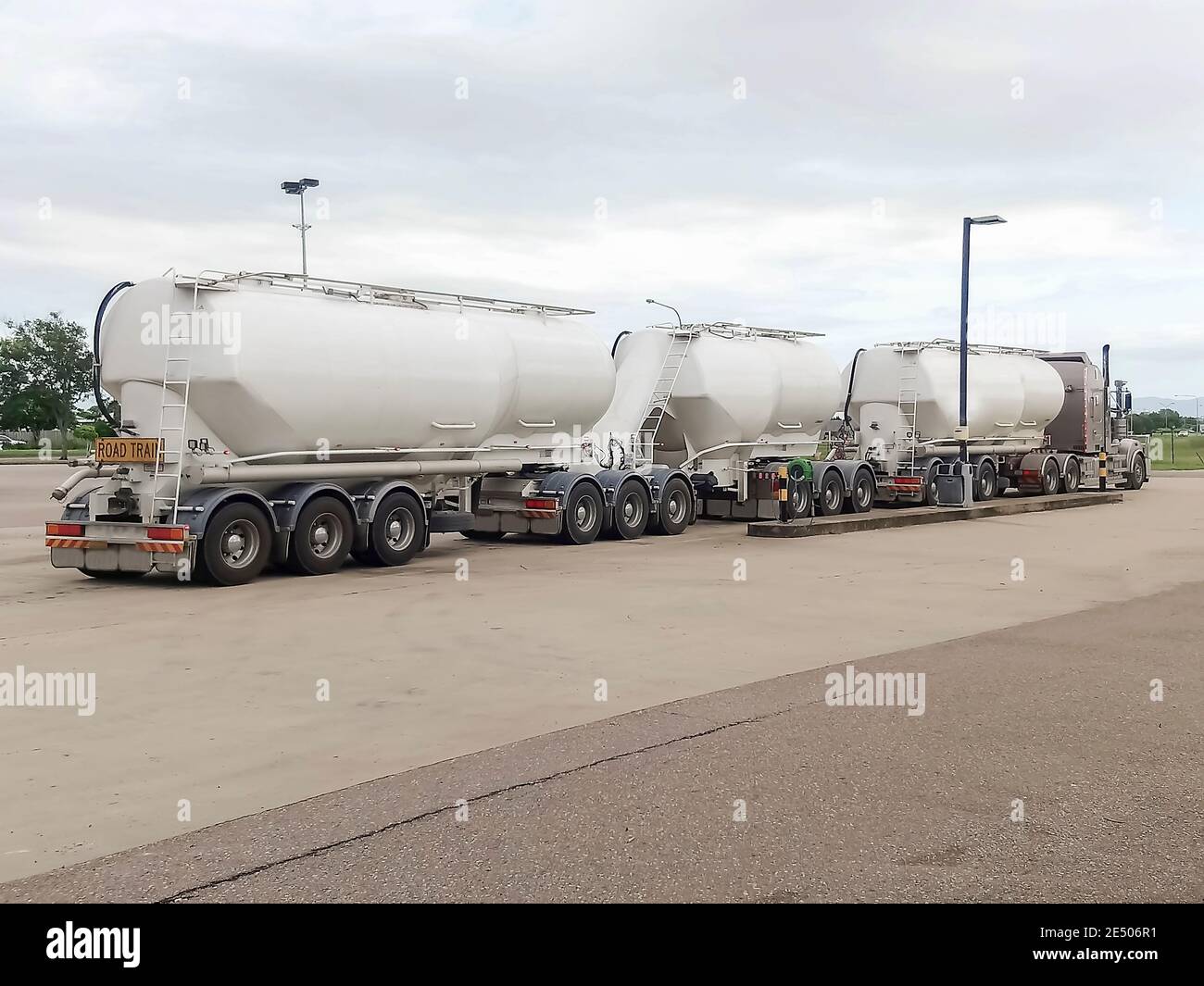
- Pneumatic Trailers: Used for fine powders like cement or flour. These use compressed air to "blow" the product into a silo.
- Dump Trucks/Tippers: Common in construction and mining for moving sand, gravel, or ore.
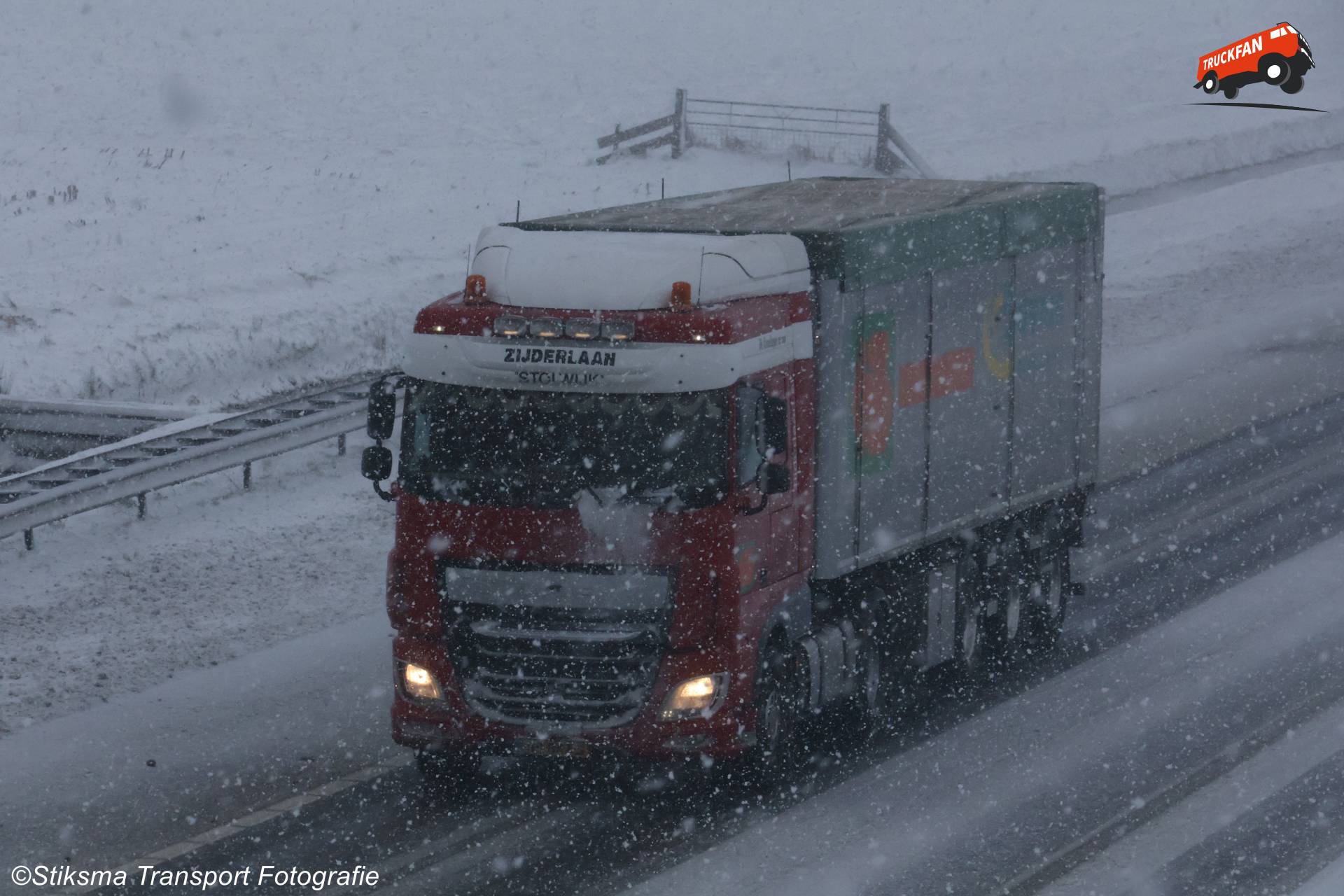
- Tanker Trucks: Used for everything from fuel delivery to hauling food-grade liquids. Modern 2026 tankers often feature multi-compartment designs, allowing them to carry different grades of fuel or different liquids in a single trip.
3. Rail Bulk Transport
Rail is exceptionally efficient for moving dry bulk across continents. Hopper cars (for dry goods) and Tank cars (for liquids) can be linked into "unit trains"—trains where every car carries the same commodity from a single origin to a single destination. This is the most energy-efficient land-based method for moving heavy materials like coal or grain.
4. Pipelines
While not a "vehicle," pipelines are the ultimate form of bulk transport for liquids and gases. They provide a continuous flow of product over thousands of miles with minimal labor costs. However, they require massive initial capital investment and are subject to intense environmental and geopolitical scrutiny.
Technical Specifications and Equipment
The engineering behind bulk transport is focused on durability and ease of discharge. Below is a comparison of common equipment types used in the industry as of 2026.
| Equipment Type | Common Cargo | Mechanism of Action | Primary Benefit |
|---|---|---|---|
| Pneumatic Trailer | Cement, Flour, Plastic Pellets | Compressed air discharge | Prevents contamination; moisture-tight |
| ISO Tank Container | Chemicals, Food-grade liquids | Pump-driven or gravity | Intermodal; easy to switch from ship to rail |
| Bottom Hopper Railcar | Grain, Coal, Sand | Gravity discharge through floor | Rapid unloading without specialized tilting |
| Cryogenic Tanker | LNG, Liquid Oxygen | Vacuum-insulated pressure vessel | Maintains ultra-low temperatures for gases |
| End Dump Trailer | Gravel, Scrap Metal | Hydraulic lift to tilt the bed | Simple, rugged, and handles large debris |
| Walking Floor Trailer | Mulch, Recycled Waste | Moving floor slats | Unloads in low-clearance areas without tilting |
Operational Logistics: Loading and Unloading
The "bulk" nature of the cargo means that it cannot be moved by hand. Instead, logistics hubs use massive mechanical systems to ensure speed and safety.
- Conveyor Systems: Used at ports and mines to move dry bulk from a stockpile directly into the hold of a ship or a railcar.
- Pumps and Manifolds: For liquid bulk, high-capacity pumps move thousands of gallons per minute. In 2026, many of these systems are automated, using IoT sensors to monitor flow rates, pressure, and temperature to prevent "slugging" or pipe bursts.
- Grab Cranes and Ship-to-Shore Gantry Cranes: Used for materials that cannot be easily moved by conveyor, such as scrap metal or large ores.
- Silos and Tank Farms: These act as the buffers in the bulk transport chain. Cargo is held in these massive storage structures until a transport vehicle is ready for loading.
Regulatory Compliance and Safety in 2026
Bulk transport is fraught with risks, ranging from environmental disasters (oil spills) to physical hazards (dust explosions). Consequently, several regulatory bodies govern these operations.
- IMDG & ADR: The International Maritime Dangerous Goods (IMDG) code and the Agreement concerning the International Carriage of Dangerous Goods by Road (ADR) set strict rules for labeling, tank construction, and driver training when hauling hazardous bulk.
- MARPOL: The International Convention for the Prevention of Pollution from Ships. As of 2026, MARPOL regulations have become even stricter regarding sulfur emissions and the discharge of tank-cleaning residues into the ocean.
- Weight Regulations: Domestically, agencies like the FMCSA (Federal Motor Carrier Safety Administration) in the U.S. enforce strict Gross Vehicle Weight (GVW) limits. Overloading a bulk trailer not only damages infrastructure but also compromises braking and stability.
- Contamination Control: For food-grade bulk (like sugar or oil), "wash certificates" are mandatory. A tanker that previously carried industrial chemicals must undergo a certified, multi-stage cleaning process before it can legally carry food products.
Economic and Environmental Considerations
As we move through 2026, the bulk transport industry is facing a dual challenge: increasing demand for raw materials and the pressure to decarbonize.
Sustainability Initiatives
The industry is transitioning toward Green Ammonia and Hydrogen as fuels for large bulk carriers. On the road, electric and hydrogen-cell bulk trucks are becoming common for short-haul "last-mile" deliveries of construction materials. Furthermore, the use of "smart" routing algorithms has reduced empty miles (deadheading), which historically was a major source of waste in bulk logistics, where a truck would deliver a load of liquid but return empty because the tank was contaminated.
Cost Structures
Bulk transport pricing is often volatile, influenced by fuel surcharges, seasonal harvest demands, and global geopolitical stability. Unlike fixed-rate parcel shipping, bulk transport often uses charter parties (contracts) where rates are negotiated based on "laytime" (the time allowed for loading/unloading) and "demurrage" (penalties for delays).
Frequently Asked Questions
What is the difference between a bulk carrier and a container ship?
A bulk carrier has large, open hydraulic hatches that reveal a single massive hold where goods like grain or coal are poured. A container ship is designed with a cellular structure to hold standardized 20-foot or 40-foot metal boxes. Bulk carriers are generally slower and more specialized in the types of ports they can visit, as they require specific equipment like grain elevators or conveyor loaders.
Is bulk transport always cheaper than container shipping?
Generally, yes, if the volume is high enough. Bulk transport eliminates the cost of the containers themselves and the labor of packing/unpacking them. However, for smaller quantities or high-value goods that require protection from the elements and manual handling, container shipping is more practical and often more cost-effective.
How is hazardous liquid bulk handled?
Hazardous liquids are transported in specialized tanks (often stainless steel or lined with protective coatings) that meet specific "T-codes" under international law. These vehicles must have specialized venting, emergency shut-off valves, and often GPS tracking that alerts authorities if the vehicle deviates from a prescribed safe route.
What are the risks of shipping dry bulk?
The two primary risks are liquefaction and combustion. Some dry cargos, like certain mineral concentrates, can turn into a liquid-like state if they have too much moisture and are vibrated by a ship's engine, leading to sudden capsizing. Other materials, like coal or grain dust, are highly flammable and can spontaneously combust or explode if dust concentrations and temperatures are not managed.
Can bulk trailers be used for different products?
Yes, but it depends on the "compatibility" of the products and the rigor of the cleaning process. A "dedicated" trailer only carries one type of product (e.g., fuel only) to avoid any risk of cross-contamination. "Non-dedicated" trailers can carry various goods but must be professionally cleaned and inspected between loads, especially when moving between industrial and food-grade commodities.
Practical Recommendation for Businesses
If your operations require moving more than 15-20 tons of a single raw material consistently, you should evaluate a transition from palletized shipping to bulk transport. Start by conducting a total cost of ownership (TCO) analysis that includes not just the freight rate, but the savings on packaging materials, the reduction in labor for loading, and the potential for reduced product loss. For those moving liquids, investing in or leasing ISO tanks is the most flexible entry point into the bulk market in 2026, as they provide the benefits of bulk volume with the logistical ease of containerized infrastructure.
Image Gallery