Does Drake Have Ghostwriters? The Truth Behind the Writing Credits
Drake does utilize co-writers, reference tracks, and collaborative production teams, a reality that has sparked significant debate regarding the definition of a "ghostwriter" in contemporary hip-hop. While the term "ghostwriter" implie...
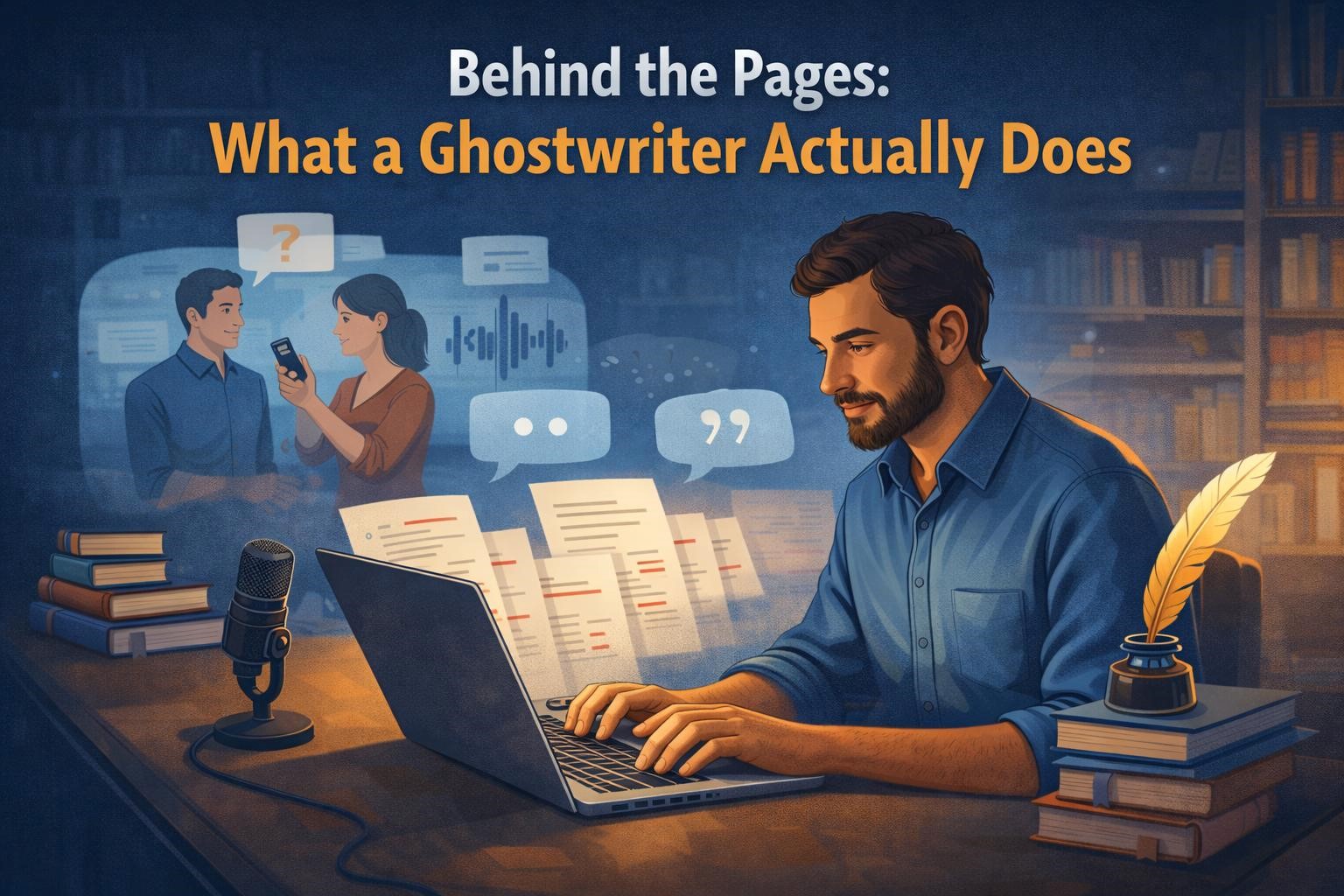
Drake does utilize co-writers, reference tracks, and collaborative production teams, a reality that has sparked significant debate regarding the definition of a "ghostwriter" in contemporary hip-hop. While the term "ghostwriter" implies an anonymous creator who writes material that another artist passes off entirely as their own, Drake’s actual process typically involves credited co-writers, vocal reference providers, and a close-knit collective of songwriters who work openly in studio environments.
Contents
The conversation surrounding Drake's writing process is one of the most enduring and fiercely debated topics in modern popular music. As one of the best-selling and most influential artists of the 21st century, his artistic methods face intense scrutiny from fans, critics, and fellow musicians. To understand how Drake creates his music, it is necessary to examine the mechanics of modern hip-hop collaboration, the nature of credited songwriters versus uncredited ghostwriters, historical controversies, and the broader industry standards that govern how modern rap hits are made.
The Evolution of Songwriting in Modern Hip-Hop
In the foundational decades of hip-hop, the unwritten rule of the genre was strict self-sufficiency: rappers were expected to write every single bar they performed. This standard was rooted in hip-hop's origins as a medium of personal storytelling, social commentary, and competitive lyricism. To use another person's words was often viewed as a fundamental breach of authenticity, akin to a novelist publishing a book written by someone else.
However, as hip-hop evolved into the dominant commercial genre of global music, the production scale of rap albums began to mirror that of pop and rock blockbusters. Modern recording studios function as creative ecosystems rather than isolated booths. Today's tracks frequently feature multiple producers, vocal arrangers, melody makers, and lyricists who contribute to the final product.
Drake entered the industry during this transitional phase, bringing a hybrid style that blended traditional rap verses with melodic, R&B-infused hooks. This sonic versatility naturally required a different approach to songwriting. Melodies, harmonies, and rhythmic cadences often require specialized vocal direction, opening the door for collaborative sessions where multiple artists and writers bounce ideas off one another in real time.
Understanding the Difference: Co-Writers vs. Ghostwriters
To accurately assess whether Drake has ghostwriters, it is essential to distinguish between a ghostwriter and a co-writer. These terms are frequently conflated in public discourse, but they carry vastly different legal, financial, and ethical implications in the music industry.
A ghostwriter is someone who writes music or lyrics for hire under an agreement of anonymity. They typically do not receive public credit in the liner notes, do not collect performance royalties tied to their writing credits, and are legally bound to keep their involvement confidential. The primary motivation for using a ghostwriter is illusion: maintaining the public perception that the primary artist is solely responsible for every creative output.
Conversely, a co-writer is an individual whose contribution is formally acknowledged in official songwriting credits, mechanical royalty distributions, and publisher databases like ASCAP or BMI. When an artist lists multiple writers on a track, transparency is established. The public, industry peers, and copyright organizations know precisely who contributed to the composition, even if the primary recording artist performs the final vocals.
Drake’s catalog prominently features credited co-writers. On major releases, albums list numerous producers and writers alongside Drake's legal name, Aubrey Graham. While some critics argue that the sheer volume of credited writers diminishes his status as an elite lyricist, industry professionals view this as standard operating procedure for a global pop-rap superstar managing an aggressive release schedule.
| Feature | Ghostwriter | Credited Co-Writer |
|---|---|---|
| Public Recognition | Anonymous; hidden from liner notes. | Formally listed in credits and databases. |
| Royalty Collection | Usually paid a flat fee; no publishing royalties. | Receives legal performance and mechanical royalties. |
| Ethical Perception | Often viewed as deceptive or inauthentic in rap. | Regarded as standard industry collaboration. |
| Legal Status | Frequently bound by strict nondisclosure agreements. | Registered legally with PROs (BMI, ASCAP, etc.). |
The 2015 Meek Mill Controversy and Quentin Miller
The most significant turning point in public awareness regarding Drake's writing process occurred in July 2015. During a high-profile feud, Philadelphia rapper Meek Mill took to social media to publicly accuse Drake of using ghostwriters, specifically pointing to an Atlanta-based rapper and songwriter named Quentin Miller.
Meek Mill’s allegations were accompanied by leaked audio reference tracks featuring Quentin Miller rapping verses that later appeared, with minor adjustments, on Drake’s 2015 commercial mixtape If You're Reading This It's Too Late. Tracks like "10 Bands," "No Tellin'," and "Used To" featured stark structural similarities between Miller's reference recordings and Drake's final versions.
The leak ignited a firestorm across the music industry. Hip-hop purists debated whether Drake's artistic credibility had been compromised. In response, Quentin Miller clarified the nature of their relationship in subsequent interviews, explaining that he worked collaboratively with Drake in the studio, contributing ideas, flows, and lyrics during joint writing sessions. Miller confirmed that he was initially supposed to receive writing credits and financial compensation, though the credit situation became complicated amidst the intense media fallout.
The 2015 controversy permanently shifted the public conversation. It established that Drake, like many contemporary pop and hip-hop stars, utilizes reference tracks and collaborative writing sessions, but it also highlighted the fine line between collaborative co-writing and uncredited ghostwriting.
Reference Tracks and the Collaborative Process in the Studio
The use of reference tracks is a widely practiced, yet rarely discussed, element of modern music production. A reference track is a rough recording—often created by a songwriter or vocal coach—designed to demonstrate a specific melody, vocal cadence, rhythm, or lyrical concept to the primary artist.
In major-label environments, reference tracks serve several practical purposes:
- Melodic Exploration: Rap and R&B crossover tracks rely heavily on intricate vocal melodies that are often easier for a specialized melody writer to construct and pitch.
- Workflow Efficiency: Artists juggling massive recording schedules, touring obligations, and business ventures often lean on writing camps where multiple creators generate ideas simultaneously.
- Vocal Coaching: A reference vocalist provides a blueprint for how a verse or chorus should sit within the pocket of a beat, guiding the lead artist's delivery.
When Drake utilizes reference tracks, it is typically within this collaborative framework. Rather than sitting alone with a pen and pad, his creative process often involves a rotating circle of writers, producers, and friends who pitch ideas, write lines, and record demos. When an idea works, Drake adapts it, re-records it with his distinct cadence and perspective, and incorporates it into his music.
Industry Perspective: Is Co-Writing Normal in Rap?
To view Drake through an isolated lens is to misunderstand the broader economics and creative structures of 21st-century popular music. While traditionalist hip-hop fans hold rap artists to an uncompromising standard of total self-authorship, the reality of the Billboard charts tells a different story.
Major pop stars, R&B icons, and contemporary hip-hop heavyweights routinely employ rooms of writers. Icons across genres—from Kanye West and Jay-Z to Beyoncé and Rihanna—have long utilized collaborative writing camps. Jay-Z, widely regarded as one of the greatest lyricists in hip-hop history, has openly acknowledged that various artists and writers have contributed to his lines or provided structural assistance throughout his career.
The distinction lies in transparency and the degree of authorship. When an artist actively participates in shaping the vision, delivers the performance with undeniable technical skill, and brings a unique artistic identity to the material, fans and peers often tolerate or embrace collaborative writing. The backlash occurs primarily when an artist claims total, unassisted solo authorship while secretly relying entirely on outside writers. In Drake's case, while the 2015 controversy caught him off guard regarding uncredited expectations, subsequent releases have featured increasingly transparent songwriting credits, softening the argument that he hides his collaborative network.
Frequently Asked Questions
Did Quentin Miller write Drake's biggest hits?
No. Quentin Miller collaborated with Drake primarily during the sessions for the 2015 mixtape If You're Reading This It's Too Late, contributing to tracks like "10 Bands" and "No Tellin'." He did not write Drake's career-defining global mega-hits such as "Hotline Bling," "One Dance," or "God's Plan," which involved different production and writing teams.
What is the difference between a reference track and a ghostwriter?
A reference track is a demo recorded by a songwriter to showcase a flow, melody, or lyric to a lead artist. A ghostwriter is an anonymous writer whose contributions are hidden from the public. Many modern reference track creators are eventually credited as co-writers on official streaming platforms and royalty databases.
Do other famous rappers use co-writers?
Yes. Collaborative songwriting is common across the entire music industry, including top-tier hip-hop artists. Writers, vocal producers, and featured artists frequently contribute lyrics, hooks, and rhythmic concepts to major studio albums released by top-charting rap acts.
Why is using co-writers controversial in hip-hop?
Hip-hop has historical roots deeply tied to personal authenticity, autobiographical storytelling, and competitive lyricism. Because rap historically values self-made independence more than traditional pop music, relying on outside writers can lead critics to question an artist's foundational skill and credibility.
Are Drake's writers officially credited on his albums?
Yes. On major commercial studio albums such as Certified Lover Boy and For All the Dogs, Drake’s team lists extensive writing and production credits across digital streaming platforms and physical liner notes, ensuring that all contributing songwriters receive legal and financial recognition.
Conclusion and Next Steps
Drake’s creative process relies heavily on collaboration, reference tracks, and a trusted circle of co-writers rather than strict, isolated solo writing. While this reality challenges the traditional hip-hop ideal of absolute self-sufficiency, it aligns with standard operating procedures for modern global superstars. If you are analyzing songwriting credits for research or exploring the mechanics of modern music production, check the official liner notes or digital streaming credits on platforms like Tidal or Apple Music to verify the exact composition teams behind your favorite tracks.
Image Gallery