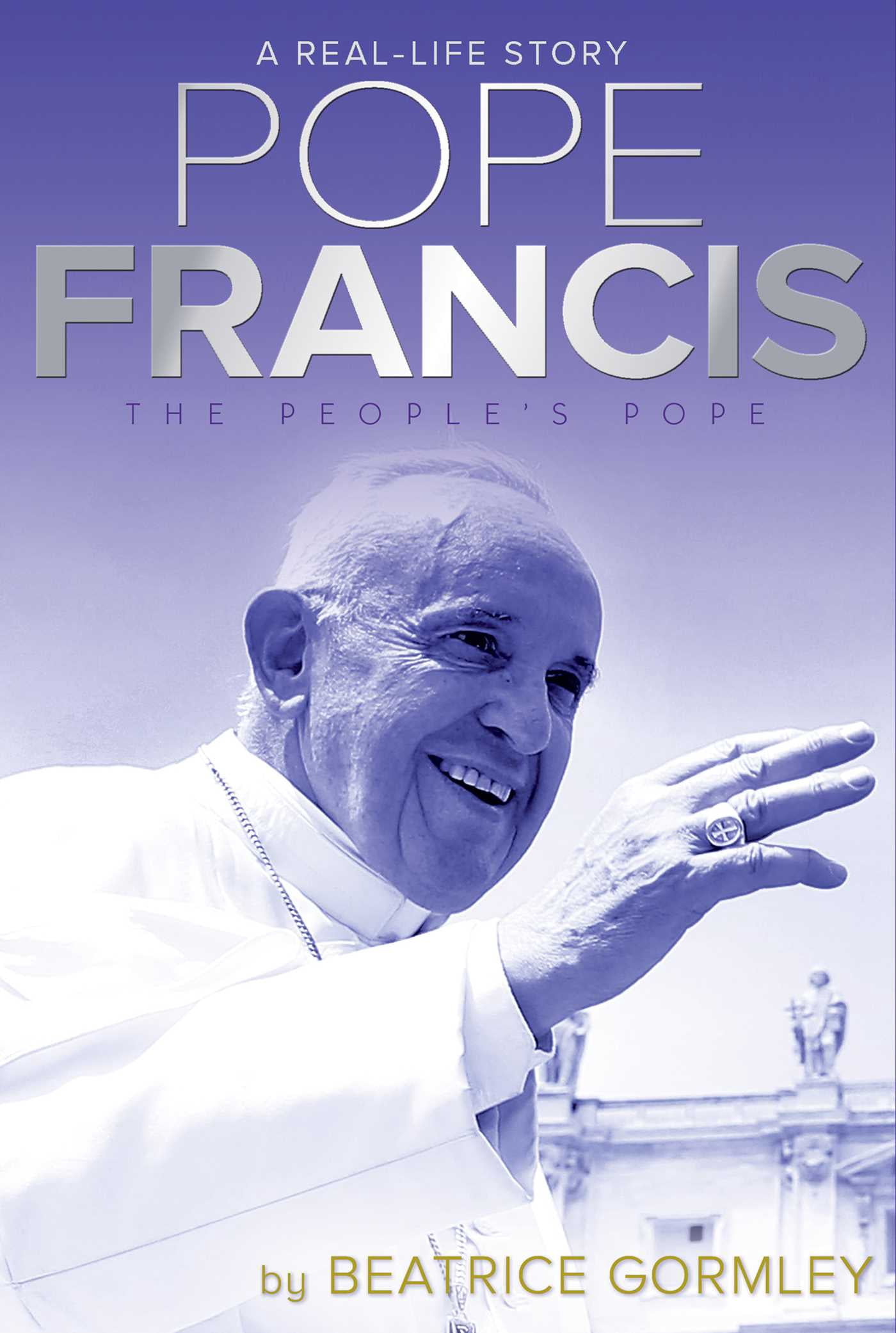
Francis, the People's Pope: Life, Leadership, and Papal Legacy
Pope Francis earned the title "the People's Pope" through his approachable pastoral style, personal simplicity, and relentless focus on marginalized communities worldwide. Elected as the 266th Bishop of Rome in March 2013, Jorge Mario...
Pope Francis earned the title "the People's Pope" through his approachable pastoral style, personal simplicity, and relentless focus on marginalized communities worldwide. Elected as the 266th Bishop of Rome in March 2013, Jorge Mario Bergoglio transformed the public face of the Catholic Church by prioritizing social justice, ecological stewardship, institutional transparency, and synodal governance over traditional formal court etiquette.
Contents
The Emergence of "The People's Pope": Defining a Pastoral Identity
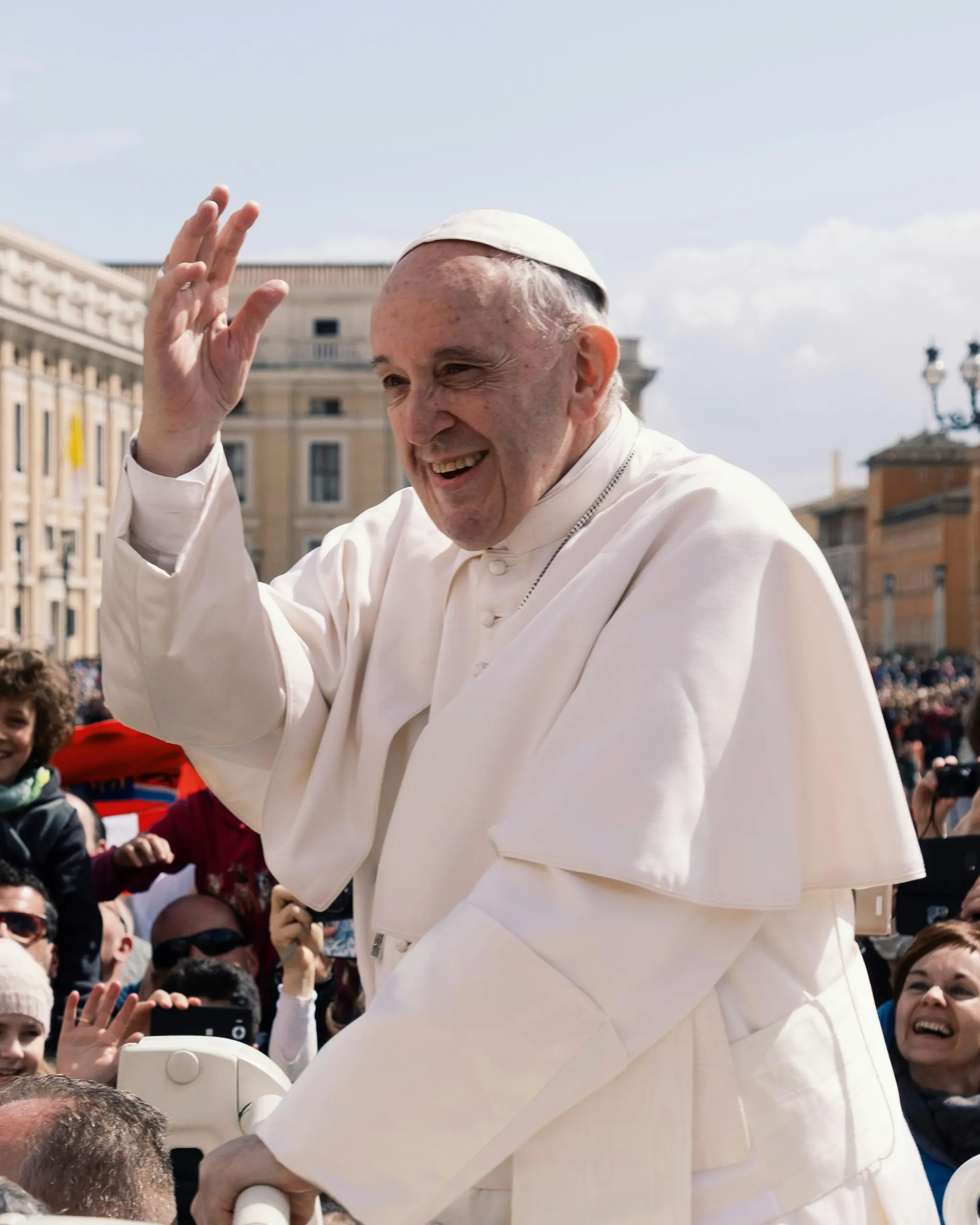
The moniker "the People's Pope" surfaced almost immediately following the election of Cardinal Jorge Mario Bergoglio on March 13, 2013. As the first Latin American pontiff, the first Jesuit pope, and the first to choose the name Francis—in honor of Saint Francis of Assisi, the 13th-century champion of the poor—his initial public appearance on the balcony of St. Peter's Basilica established a distinct tone for his pontificate. Rather than offering a traditional solemn papal blessing first, he asked the assembled crowd to pray to God to bless him, bowing deeply before the public.
This symbolic gesture set the stage for a dramatic departure from decades of established papal protocol. Francis famously declined to reside in the ceremonial Papal Apartments inside the Apostolic Palace, choosing instead to live in a modest two-room suite in the Domus Sanctae Marthae, a Vatican guesthouse where he could dine alongside visiting clergy and lay staff.
He eschewed traditional ornamental vestments, such as the ermine-trimmed red velvet mozsetta and solid gold pectoral cross, favoring simple white cassocks and a silver-plated cross he had worn since his tenure as Archbishop of Buenos Aires. When traveling around Rome and abroad, he replaced armored luxury sedans with modest economy cars, reinforcing his message that church leaders must abandon royal posturing in favor of direct, unpretentious engagement with everyday believers.
Roots of Bergoglio’s Worldview: From Buenos Aires to Rome
To understand why Francis embraced the pastoral title of the People's Pope, one must examine his formative years in Argentina. Born on December 17, 1936, in Buenos Aires to Italian immigrant parents, Jorge Mario Bergoglio grew up in a working-class neighborhood. Before entering the seminary, he worked briefly as a chemical technician and a nightclub bouncer, experiences that grounded his understanding of ordinary secular life.
After joining the Society of Jesus (the Jesuits) in 1958, Bergoglio completed rigorous academic training in philosophy and theology. His appointment as Provincial Superior of the Jesuits in Argentina during the 1970s coincided with a period of severe political turmoil, including the country's military dictatorship and the "Dirty War." This era profoundly shaped his perspectives on authority, institutional humility, and human rights.
- Early Ministry (Buenos Aires): Emphasis on Slum Evangelization ("Villas Miseria")
- Papal Election (2013): Rejection of Royal Papal Protocol & Court Etiquette
- Global Pontificate: Focus on Peripheries, Social Justice & Curial Reform
When Bergoglio was named Archbishop of Buenos Aires in 1998, he prioritized ministering to the city’s impoverished informal settlements, known as the villas miseria. He regularly traveled by public bus and subway, cooked his own meals, and spent extensive time in shantytowns washing the feet of drug-addicted youth, prisoners, and AIDS patients. This hands-on, street-level ministry forged his core conviction that the Catholic Church must operate not as a fortress of strict doctrine, but as a "field hospital after battle," treating wounds where people actually suffer.
Core Theological and Social Teachings
The intellectual and spiritual framework of Francis’s pontificate is articulated in a series of major apostolic exhortations and encyclicals that address urgent contemporary issues. His writings bridge traditional Catholic moral theology with global socio-economic realities.
Evangelii Gaudium (2013): The Joy of the Gospel
In his inaugural apostolic exhortation, Evangelii Gaudium, Francis laid out a roadmap for his pontificate. He criticized unchecked capitalism, structural economic inequality, and what he termed the "economy of exclusion." The document urged local parishes to step outside their physical walls and go to the "peripheries"—both geographical and existential—to serve vulnerable populations.
Laudato si’ (2015): Care for Our Common Home
With the publication of Laudato si’, Francis authored the Catholic Church’s first encyclical focused exclusively on environmental degradation and climate change. Framing ecology through a moral and theological lens, Francis argued that environmental destruction disproportionately impacts the global poor. He called for an "integral ecology" that connects economic policies, technological development, and social equity with environmental conservation.
Amoris Laetitia (2016): On Love in the Family
Following two lengthy assemblies of the Synod of Bishops, Amoris Laetitia addressed modern family life, marriage, and pastoral discernment. The document generated substantial discussion regarding its eighth chapter, which outlined potential pathways for divorced and remarried Catholics to receive the sacraments through individual spiritual discernment with their local priests.
Fratelli tutti (2020): On Fraternity and Social Friendship
Written during the height of the global COVID-19 pandemic, Fratelli tutti emphasized universal solidarity, economic redistribution, and international cooperation. Francis condemned rising political nationalism, extreme individualism, and modern warfare, urging nations to rebuild post-pandemic societies centered on human dignity, common good, and mutual responsibility.
Institutional Reforms within the Vatican
While Francis gained international popularity for his public persona, a central task of his pontificate involved restructuring the centralized governance structure of the Holy See, known as the Roman Curia. Over several decades, the Curia had faced criticism for financial mismanagement, lack of accountability, and bureaucratic inertia.
Overhauling Vatican Finances
Francis instituted sweeping reforms to stabilize and bring transparency to the Institute for the Works of Religion (commonly called the Vatican Bank) and broader Holy See finances:
- Established the Secretariat for the Economy to oversee financial planning, budgeting, and auditing.
- Implemented strict anti-money laundering standards compliant with international bodies like MONEYVAL.
- Hired independent global accounting firms to conduct external financial audits.
- Centralized asset management under the Administration of the Patrimony of the Apostolic See (APSA).
Restructuring the Roman Curia (Praedicate Evangelium)
In March 2022, Francis promulgated the landmark apostolic constitution Praedicate Evangelium, which fundamentally reorganized the Vatican's administrative apparatus. The constitution prioritized evangelization over doctrinal enforcement, placing the Dicastery for Evangelization above the historic Dicastery for the Doctrine of the Faith. Crucially, the reform explicitly permitted qualified laypeople, including laywomen, to head major Vatican departments—a role historically reserved exclusively for cardinals and bishops.
Institutionalizing Synodality
To shift decision-making away from centralized Vatican bureaucracy toward global consultation, Francis championed the concept of synodality. Through multi-year listening processes involving lay Catholics, religious orders, and clergy worldwide, the Synod on Synodality aimed to create a more participatory, collaborative church governance model that encourages local bishops to address regional needs directly.
Major Milestones of the Pontificate
The table below summarizes key documents, structural reforms, and institutional initiatives enacted during the pontificate of Pope Francis.
| Year | Milestone / Document | Core Objective | Long-Term Impact |
|---|---|---|---|
| 2013 | Evangelii Gaudium | Apostolic Exhortation on evangelization and economic justice | Realigned Catholic priorities toward poverty relief and social peripheries. |
| 2014 | Council of Cardinals Formed | Establishment of an advisory group of cardinals ("C9") | Decentralized papal decision-making and initiated Curial reform. |
| 2015 | Laudato si’ | Papal Encyclical on integral ecology and climate action | Positioned the Vatican as a major moral voice in global environmental policy. |
| 2016 | Amoris Laetitia | Exhortation on family, marriage, and pastoral discernment | Expanded local pastoral flexibility for complex marital and family situations. |
| 2019 | Vos Estis Lux Mundi | Motu Proprio on tackling clerical sexual abuse | Established mandatory global reporting mechanisms and accountable procedures for bishops. |
| 2020 | Fratelli tutti | Encyclical on social friendship and global fraternity | Challenged economic nationalism and promoted international peacebuilding. |
| 2022 | Praedicate Evangelium | Apostolic Constitution reforming the Roman Curia | Reorganized Vatican offices and allowed laypersons to lead top dicasteries. |
| 2023 | Fiducia Supplicans | Declaration by the Dicastery for the Doctrine of the Faith | Approved non-liturgical, informal pastoral blessings for couples in irregular situations. |
Public Perception, Critiques, and Polarizing Debates
Pope Francis’s non-traditional approach and willingness to confront institutional norms generated diverse reactions across the global church and political landscape. His papacy has been marked by distinct debates from both conservative and progressive viewpoints.
- Pope Francis
- Conservative Critiques
- Concerns over doctrinal clarity (e.g., communion)
- Restrictions on the Latin Mass (Traditionis)
- Progressive Critiques
- Maintenance of traditional teachings on women priests
- Frustration over pace of institutional change
- Conservative Critiques
Conservative Concerns
Conservative and traditionalist Catholic commentators frequently voiced concern over what they perceived as ambiguous doctrinal communication. Statements made during informal press conferences aboard the papal plane—such as his famous 2013 comment regarding homosexual individuals seeking God, "Who am I to judge?"—were seen by critics as confusing traditional church doctrine.
Furthermore, his decision in 2021 to issue Traditionis Custodes, which restricted the celebration of the traditional Latin Mass (Tridentine Rite), sparked significant resistance among traditionalist communities who felt alienated by the new limitations.
Progressive Expectations
Conversely, progressive Catholics praised his compassionate tone and emphasis on inclusion, but often expressed frustration with the limits of structural reform. Despite opening administrative roles to women within the Vatican, Francis consistently affirmed the Catholic Church's established doctrine regarding male-only ordination to the priesthood and maintained traditional definitions of sacramental marriage, leading some advocacy groups to argue that his reforms were primarily stylistic rather than foundational.
Institutional Handling of Clerical Abuse
The handling of the clerical sexual abuse crisis remained one of the most critical challenges of his pontificate. Early in his papacy, Francis faced sharp criticism for his initial defense of a Chilean bishop accused of covering up abuse.
However, after personally reviewing evidence and meeting with victims, he publicly acknowledged his mistake, apologized, and initiated significant reform measures. His 2019 decree Vos Estis Lux Mundi established legal accountability measures for bishops who obstruct justice or fail to report abuse, though advocacy organizations continue to press for total transparency and faster canonical trials globally.
Frequently Asked Questions
Why is Pope Francis referred to as "the People's Pope"?
Pope Francis earned this title due to his modest lifestyle, direct communication style, and focus on marginalized populations. Unlike traditional papal protocol that emphasized formal distance, Francis prioritized direct contact with ordinary citizens, lived in a communal guesthouse rather than the Apostolic Palace, and regularly focused his messages on poverty, migration, and human dignity.
How does Pope Francis's background as a Jesuit influence his papacy?
As the first Jesuit pope, Francis brought the spiritual tradition of Ignatius of Loyola to the papacy. This emphasis manifests in his focus on spiritual discernment, finding God in everyday life, flexibility in pastoral care, and a willingness to engage in dialogue with non-Catholic, non-Christian, and secular societies.
What is the significance of the encyclical Laudato si’?
Laudato si’ is the Catholic Church's landmark document addressing climate change, environmental destruction, and social justice. It introduced the concept of "integral ecology," arguing that human harm to the environment directly harms the world's poorest populations, making environmental care an essential moral and religious obligation.
What reforms did Pope Francis implement regarding Vatican governance?
Francis overhauled Vatican finances by creating the Secretariat for the Economy, standardizing anti-money laundering controls, and subjecting accounts to external audits. Additionally, his 2022 constitution Praedicate Evangelium restructured Vatican departments and formally allowed lay men and women to hold top leadership roles in Holy See governance.
What is the Synod on Synodality?
The Synod on Synodality is a global initiative launched by Pope Francis to reform how the Catholic Church makes decisions. By gathering input from lay Catholics, religious orders, and clergy around the world, the process aims to move the Church away from centralized top-down governance toward a collaborative model emphasizing active listening and shared responsibility.
Legacy and Impact on Global Leadership
The legacy of Pope Francis lies in his fundamental transformation of the papal office from a monarchical moral court into a global pastoral mission. By steering the Catholic Church's focus toward global poverty, environmental ethics, and administrative accountability, he redefined the role of the papacy in the 21st century.
For clergy, church leaders, and lay practitioners, evaluating the pontificate of Pope Francis requires looking beyond political polarizations. His lasting contribution is a model of Christian leadership rooted in humility, operational transparency, and active engagement with the world's most vulnerable populations.
Image Gallery