Understanding Moving Van Lines: A Comprehensive Guide to Interstate Relocation in 2026
Moving van lines are large-scale logistics networks that coordinate long-distance and interstate relocations through a system of local agents and centralized dispatch. Unlike local movers, van lines possess the federal authority to tra...
Moving van lines are large-scale logistics networks that coordinate long-distance and interstate relocations through a system of local agents and centralized dispatch. Unlike local movers, van lines possess the federal authority to transport household goods across state lines, providing the infrastructure, specialized equipment, and standardized training required for complex, multi-state residential transitions.
Contents
The landscape of professional moving has evolved significantly. In 2026, the term "moving van lines" refers to a sophisticated ecosystem of transportation experts, digital inventory systems, and national fleets. Understanding how these entities function—and how they differ from independent carriers or brokers—is essential for any homeowner or business planning a major relocation.
The Structure and Operation of a Van Line
A moving van line is not a single company in the traditional sense; rather, it is a consortium of independent local agents operating under a unified corporate brand and federal motor carrier authority. This structure allows for a "hub-and-spoke" logistics model that can handle moves originating in a small town and ending thousands of miles away.
The Role of the Local Agent
When you contact a major van line, you are typically dealing with a local agent. This agent is an independently owned company that has a franchise or membership agreement with the national van line. The local agent is responsible for:
- The In-Home or Virtual Estimate: Assessing the weight and volume of your goods.
- Origin Services: Packing, loading, and providing local storage if necessary.
- Equipment Maintenance: Providing the trucks and specialized packing materials.
The Corporate Van Line (The "Parent" Entity)
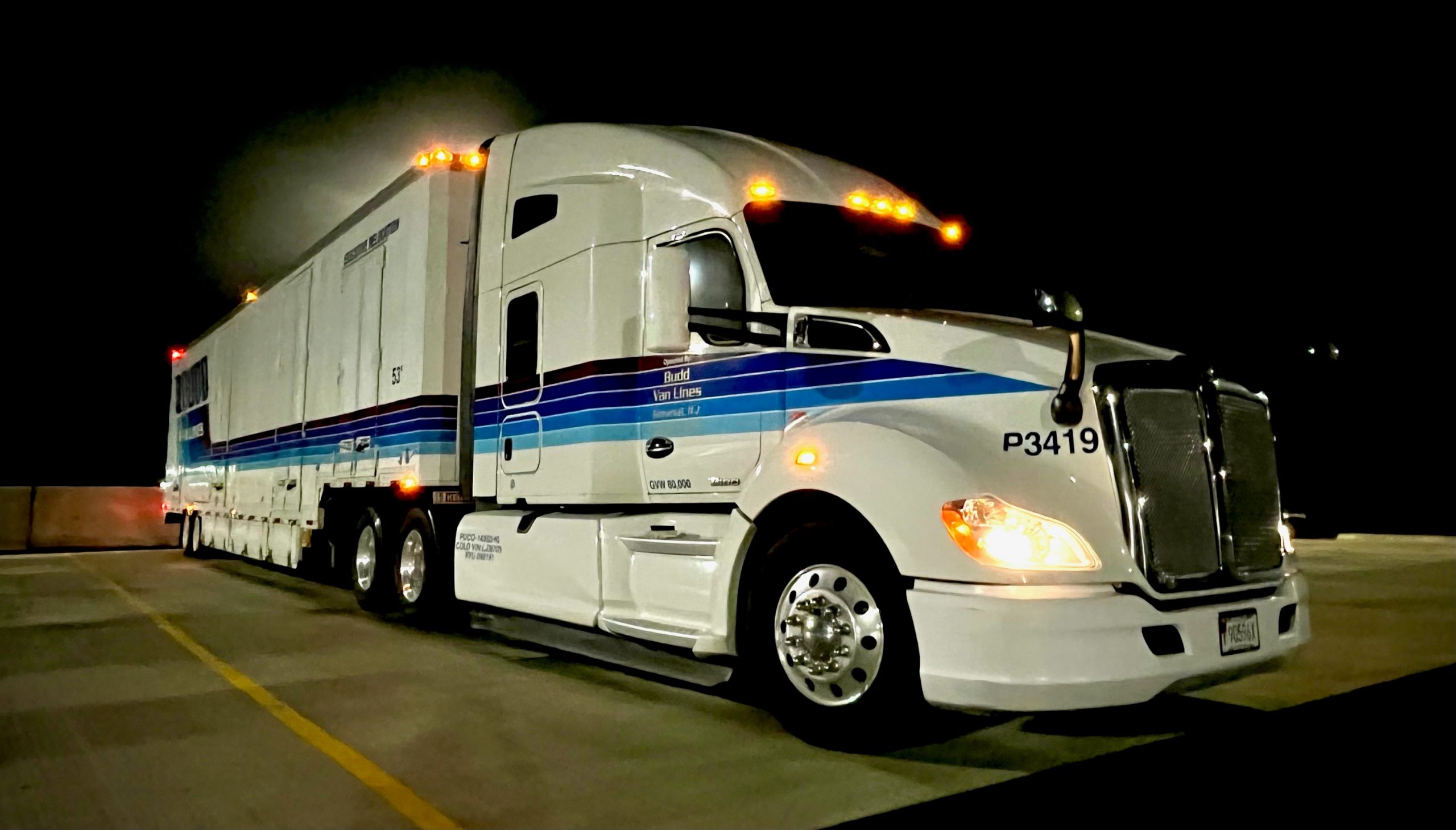
The national van line provides the "authority" (licensed by the Federal Motor Carrier Safety Administration or FMCSA) to move goods across state lines. They handle the complex logistics of dispatching, which involves matching a driver and a trailer to various shipments heading in the same direction. This consolidation is what makes long-distance moving economically viable; a single 53-foot trailer may contain the household goods of three or four different families.
Van Lines vs. Brokers vs. Independent Carriers
Navigating the moving industry requires distinguishing between different types of service providers. Misidentifying a provider can lead to significant issues regarding liability and pricing.
- Moving Van Lines: These are carriers with their own fleets and networks of agents. They assume full legal responsibility for the move and operate under a single Department of Transportation (DOT) number. Examples include United Van Lines and Allied Van Lines.
- Moving Brokers: A broker does not own trucks or employ movers. Instead, they sell your moving contract to a carrier. While brokers can sometimes find lower prices, they do not have the same level of operational control as a van line, and disputes over pricing or damages can be harder to resolve.
- Independent/Local Carriers: These are companies that own their trucks but usually operate within a specific region. While some have interstate authority, they lack the nationwide network of a van line, which can make "destination services" (unloading or claims) more difficult if they don't have a presence in your new city.
Understanding Estimates and Pricing in 2026
In 2026, pricing for moving van lines is primarily driven by weight, distance, and "accessorial services." Most reputable van lines now use AI-driven inventory apps that allow customers to scan rooms with a smartphone camera to generate highly accurate weight projections.
Types of Moving Quotes
It is vital to understand the legal nature of the quote you receive:
- Binding Estimate: This guarantees the total cost of the move based on the inventory listed. If the shipment weighs more than expected, the price does not change, provided no additional items are added.
- Non-Binding Estimate: This is an approximation. The final cost is determined by the actual weight of the shipment after the truck is weighed on a certified scale.
- Binding Not-to-Exceed Estimate: Often considered the most consumer-friendly option, this sets a maximum price. If the shipment weighs less than the estimate, you pay the lower amount; if it weighs more, you only pay the quoted maximum.
Cost Factors Beyond Weight
- Fuel Surcharges: Fluctuating energy costs are calculated as a percentage of the transportation rate.
- Linehaul Charges: The basic cost of transporting the goods over the required mileage.
- Accessorials: Charges for extra labor, such as "long carries" (if the truck cannot park near your door), "stair carries," or the crating of fragile items like marble tops or fine art.
Regulatory Compliance and Consumer Rights
Interstate moves are governed by federal law, specifically the FMCSA’s household goods regulations. Every van line must provide you with a copy of the "Your Rights and Responsibilities When You Move" booklet.
Verification Steps
Before signing an Order for Service, verify the following:
- U.S. DOT Number: This is a unique identifier that allows you to check the company’s safety record and complaint history via the FMCSA's SAFER System.
- Registered Assets: Ensure the company is authorized for "Household Goods" and has active insurance.
- Physical Address: Be wary of companies that only list a P.O. box or have no physical headquarters.
Valuation: Protecting Your Belongings
One of the most common points of confusion is the difference between "moving insurance" and valuation. Moving companies are not insurance agents; instead, they offer "valuation," which is the level of liability they assume for your goods.
| Protection Level | Cost | Coverage Detail | Recommended For |
|---|---|---|---|
| Released Value Protection | No Cost | $0.60 per pound per item. | Low-value shipments or DIY movers. |
| Full Value Protection (FVP) | Varies by value | Repair or replacement of lost/damaged items. | Most residential household moves. |
| Third-Party Insurance | Premium-based | Comprehensive coverage outside the mover's liability. | High-net-worth moves with rare collectibles. |
Under Full Value Protection, if an item is lost or damaged while in the van line’s custody, the mover must either repair the item, replace it with a similar item, or provide a cash settlement for the current market replacement value.
Comparing Leading National Van Lines in 2026
The following table compares the operational characteristics of the major national van line networks currently operating in the United States.
| Van Line Network | Estimated Agent Count | Primary Market Focus | Technology Features |
|---|---|---|---|
| United Van Lines | 500+ | Corporate & Executive Relocation | Advanced AI Inventory & GPS |
| Allied Van Lines | 400+ | Specialty Shipping (Pianos/Art) | Milestone-based Tracking Portal |
| North American Van Lines | 380+ | International & Freight Logistics | Interactive Shipment Dashboards |
| Atlas Van Lines | 430+ | Quality-Vetted Premium Residential | Mobile App Service Suite |
| Mayflower Transit | 300+ | Consumer Residential & Small Moves | Virtual Survey Technology |
The Relocation Process: Step-by-Step
Engaging a moving van line involves a standardized sequence of events designed to ensure accountability.
- Pre-Move Consultation: A move coordinator is assigned to your account. They oversee the virtual survey and provide the initial quote.
- The Order for Service: This document authorizes the van line to transport your goods. It includes the agreed-upon dates and the estimate type.
- Packing and Loading: Professional packers (if hired) secure your items. The driver creates a descriptive inventory, noting the condition of each item before it is loaded onto the trailer.
- Transportation and Tracking: Your shipment is assigned a "registration number." In 2026, most van lines provide real-time GPS tracking so you can monitor the trailer's location in transit.
- Delivery and Unloading: Upon arrival, you (the "shippers") must check off items against the inventory. Note any visible damage on the Bill of Lading before the crew leaves.
- Claims Process: If damage is discovered, you typically have nine months to file a formal claim with the van line's headquarters.
Common Pitfalls and Red Flags
Even with high-quality van lines, the industry is susceptible to fraudulent "rogue movers." To protect yourself, be alert for these warning signs:
- The "Low-Ball" Estimate: An estimate that is significantly lower than others is often a tactic to secure the contract before demanding more money at delivery (a practice known as "holding hostage").
- Cash-Only Demands: Reputable van lines accept credit cards and certified checks. Demand for a large cash deposit before the move is a major red flag.
- Generic Brand Names: Companies that answer the phone with generic phrases like "Movers" rather than a specific company name often operate as unregistered brokers.
- No Physical Inspection: Avoid companies that refuse to do a visual or virtual survey of your home and insist on giving an estimate over the phone based solely on room count.
FAQs About Moving Van Lines
What is the difference between a van line and a local mover?
A van line is a national network authorized for interstate commerce, whereas a local mover typically operates within a 50-to-100-mile radius and may not have the federal authority required to cross state lines. Van lines use a consolidated logistics model to make long-distance transport affordable.
How far in advance should I book a van line for a 2026 move?
For moves occurring during the "peak season" (May through September), you should begin requesting estimates 8 to 12 weeks in advance. For off-peak moves, 4 to 6 weeks is usually sufficient. Booking early ensures you secure your preferred loading and delivery dates.
Can moving van lines transport cars and pets?
Most major van lines can arrange for vehicle transportation, either by hitching a car to the moving trailer or using a specialized auto transport partner. However, for safety and legal reasons, van lines do not transport live animals. You will need to arrange for a specialized pet relocation service or transport them yourself.
What items are considered "non-allowables"?
Van lines are prohibited from transporting hazardous materials (explosives, flammable liquids, pressurized tanks) and perishable foods. Additionally, most coordinators recommend that you personally transport high-value "sentimental" items like jewelry, passports, and medical records.
How is the delivery window determined?
Unlike a local move, which happens in one day, interstate moves have a "delivery spread." This window (often 3 to 14 days) depends on the distance of the move and the amount of weight you are shipping. Larger shipments often have shorter delivery windows because they take up more space in the truck, requiring fewer stops.
Final Recommendation
When choosing among moving van lines, prioritize transparency and credentials over the lowest price. Always request a Binding Not-to-Exceed estimate and ensure the company provides its U.S. DOT number upfront. By selecting a carrier with a robust agent network and modern digital tracking, you significantly reduce the logistical friction inherent in long-distance relocation.
Image Gallery