Government Surveillance of Citizens: The 2026 Framework for Balancing Security and Privacy
Government surveillance balances security and privacy through legal frameworks that mandate judicial oversight, necessity, and proportionality. While security agencies use advanced data collection to prevent threats, privacy is protect...
Government surveillance balances security and privacy through legal frameworks that mandate judicial oversight, necessity, and proportionality. While security agencies use advanced data collection to prevent threats, privacy is protected by constitutional rights, data encryption, and independent audits that ensure monitoring remains targeted rather than indiscriminate in democratic societies.
Contents
The tension between the state’s duty to protect its citizens and the individual’s right to privacy has reached a critical juncture in 2026. As digital infrastructure becomes inextricably linked with daily life, the volume of data generated by private citizens offers unprecedented opportunities for law enforcement and intelligence agencies to preempt threats. However, this same data provides a granular map of personal lives, leading to a complex regulatory and ethical environment where "security" and "privacy" are often viewed as a zero-sum game.
The Mandate for Security: Why Governments Monitor Data
The primary justification for government surveillance is the preservation of national security and public safety. In 2026, the threat landscape has evolved beyond traditional kinetic warfare to include sophisticated cyber-attacks, decentralized domestic extremism, and transnational organized crime. Surveillance serves as a proactive tool to detect these threats before they manifest into physical or digital harm.
Counter-Terrorism and Intelligence Gathering
Intelligence agencies, such as the NSA in the United States or GCHQ in the United Kingdom, utilize signals intelligence (SIGINT) to identify patterns of communication among suspected terrorist cells. By monitoring metadata—the "who, when, and where" of a communication rather than the "what"—authorities can map social networks and intercept logistical planning. In 2026, the focus has shifted heavily toward encrypted messaging platforms, where the "going dark" phenomenon remains a primary concern for investigators.
Cyber Defense and Infrastructure Protection
As public utilities, financial systems, and healthcare networks become increasingly digitized, government surveillance is used to monitor network traffic for signs of state-sponsored intrusion. This form of surveillance is less about individual citizens and more about protecting the collective digital ecosystem. However, the line blurs when civilian devices are caught in the "dragnet" of large-scale traffic analysis designed to identify malware or DDoS (Distributed Denial of Service) origins.
The Privacy Imperative: Protecting Civil Liberties
Privacy is not merely a personal preference; it is a fundamental human right recognized by international law and many national constitutions. The United Nations High Commissioner for Human Rights has repeatedly emphasized that the right to privacy is a prerequisite for the exercise of other rights, such as freedom of expression and assembly.
The Chilling Effect
One of the most documented consequences of pervasive surveillance is the "chilling effect." When citizens believe they are being watched, they are less likely to engage in dissent, access controversial information, or associate with minority political groups. This self-censorship undermines the democratic process, which relies on the free exchange of ideas and the ability to hold the government accountable.
Data Misuse and Mission Creep
A significant risk in the surveillance debate is "mission creep"—the process by which data collected for one specific, high-stakes purpose (like counter-terrorism) is eventually used for lower-level law enforcement or administrative purposes. For instance, facial recognition databases originally built for border security may eventually be accessed by local police for routine traffic stops or protest monitoring, often without clear legislative authorization.
Technological Mechanisms of Surveillance in 2026
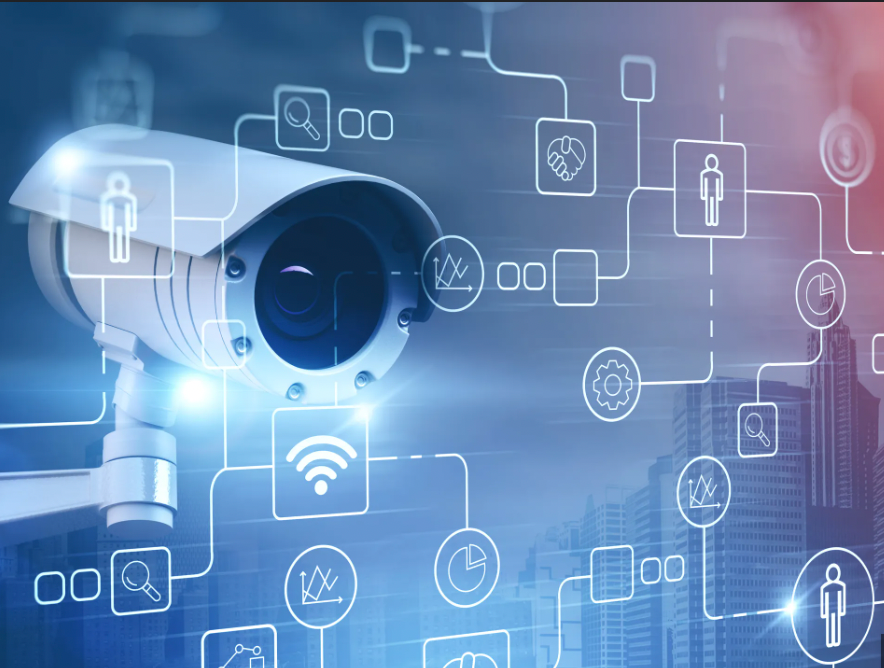
The year 2026 sees the widespread integration of Artificial Intelligence (AI) and machine learning into surveillance apparatuses. These technologies have transformed surveillance from a manual, labor-intensive process into an automated, predictive one.
AI-Driven Analytics and Predictive Policing
Modern surveillance systems use AI to analyze vast datasets, including social media activity, financial records, and location history. Predictive policing algorithms attempt to forecast where crimes might occur or who might be involved in illegal activity. While proponents argue this allows for more efficient resource allocation, critics point out that these algorithms often mirror the biases present in the historical data used to train them.
Biometric Identification
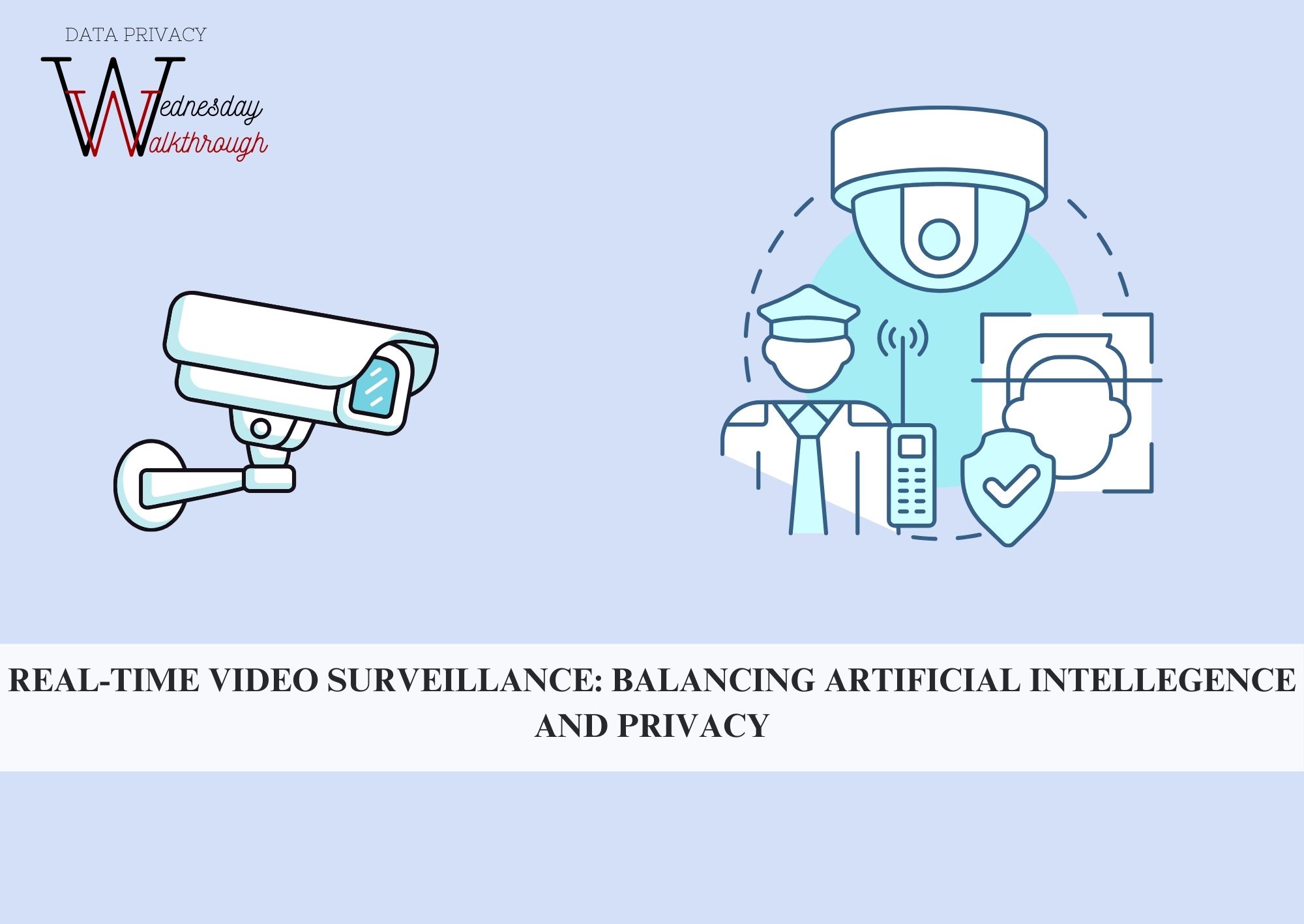
Facial recognition and iris scanning have become ubiquitous in urban environments. In 2026, high-definition CCTV networks equipped with real-time biometric analysis can track individuals across city centers with high precision. The balance here involves strict "use-case" limitations, such as the European Data Protection Board's guidelines which strictly limit the use of biometric data in public spaces to specific, time-bound threats.
The Internet of Things (IoT)
The proliferation of smart home devices, from voice assistants to connected security cameras, has created a secondary market for government surveillance. Law enforcement agencies frequently issue subpoenas to tech companies for data generated by these devices. The legal battle in 2026 often centers on whether a "reasonable expectation of privacy" exists for data shared with a third-party service provider.
Legal Frameworks and Judicial Oversight
To prevent the abuse of power, democratic societies rely on a "system of checks and balances" that subjects surveillance activities to judicial and legislative review.
- Warrant Requirements: In many jurisdictions, such as the U.S. under the Fourth Amendment, the government must demonstrate "probable cause" to a neutral judge before conducting a search. This ensures that surveillance is targeted and justified.
- The FISA Court: For matters of foreign intelligence, the Foreign Intelligence Surveillance Act (FISA) establishes a specialized court to review applications for surveillance. While critics argue these courts operate too secretly, supporters maintain they are a necessary compromise for national security.
- Necessity and Proportionality: Under the General Data Protection Regulation (GDPR), any interference with privacy must be "necessary in a democratic society" and "proportionate to the legitimate aim pursued." This means a government cannot use a broad surveillance tool if a less intrusive method could achieve the same result.
Comparative Surveillance Models (2026)
Different regions have adopted distinct approaches to the security-privacy balance, reflecting their unique political cultures and legal traditions.
| Jurisdiction | Primary Legislation/Regulation | Oversight Mechanism | Privacy Strength |
|---|---|---|---|
| United States | FISA / USA FREEDOM Act | FISA Court (FISC), PCLOB | Moderate (Stronger for domestic) |
| European Union | GDPR / AI Act (2024) | National Data Protection Authorities | High (Citizen-centric) |
| United Kingdom | Investigatory Powers Act | Investigatory Powers Commissioner (IPCO) | Moderate |
| China | National Intelligence Law | State/Communist Party Oversight | Low (State-centric) |
| Canada | Privacy Act / Bill C-59 | NSIRA / Privacy Commissioner | High |
The Encryption Conflict: Privacy vs. Law Enforcement Access
As of 2026, the debate over End-to-End Encryption (E2EE) remains one of the most contentious aspects of the surveillance balance. E2EE ensures that only the sender and receiver can read a message, effectively locking out both the service provider and the government.
Law enforcement agencies argue that E2EE creates a "lawless space" for criminals and child predators. They have pushed for "exceptional access" or "backdoors" that would allow them to decrypt communications with a warrant. Conversely, cybersecurity experts and privacy advocates argue that any backdoor is a vulnerability that can be exploited by hackers or foreign adversaries, thereby compromising the security of all users. The current consensus in many tech-forward nations is that subverting encryption poses a greater risk to national security than the loss of signal intelligence.
Operational Limitations and Common Mistakes
Effective surveillance is often hampered by "data rot" and the "needle in a haystack" problem. Collecting massive amounts of data does not automatically lead to better security. Common mistakes in government surveillance programs include:
- Over-Collection: Gathering so much information that analysts cannot process it in a timely manner, leading to missed warnings.
- Lack of Interoperability: Failure to share relevant data between different agencies (e.g., local police and national intelligence).
- Poor Data Hygiene: Storing sensitive citizen data on unencrypted or poorly secured servers, leading to government-scale data breaches.
- Inadequate Redress: Failing to provide citizens with a mechanism to challenge or correct data that has been wrongly collected or used against them.
Frequently Asked Questions
Is government surveillance legal without a warrant?
In many countries, certain types of surveillance, such as monitoring foreign communications or gathering "metadata" in public spaces, may not require a traditional warrant. However, most democratic systems require a warrant for "intrusive" surveillance, such as wiretapping a private phone or searching a home. The Office of the Director of National Intelligence (ODNI) provides regular transparency reports on how these authorities are used.
How does the "Five Eyes" alliance affect my privacy?
The Five Eyes (US, UK, Canada, Australia, and NZ) is an intelligence-sharing agreement. While these nations generally have laws preventing them from spying on their own citizens, critics have historically raised concerns that they might share intelligence on each other's citizens to bypass domestic restrictions. In 2026, oversight bodies like the National Security and Intelligence Review Agency (NSIRA) in Canada have increased scrutiny of these international transfers.
Can AI surveillance identify me if I wear a mask?
Modern AI-driven biometric systems in 2026 have evolved to use "gait analysis" (the way you walk) and infrared thermal mapping, which can often identify individuals even if their faces are partially obscured. While not 100% accurate, these technologies reduce the effectiveness of simple physical disguises.
What is the "Third-Party Doctrine"?
The Third-Party Doctrine is a legal principle (primarily in the U.S.) suggesting that individuals have no "reasonable expectation of privacy" for information they voluntarily share with third parties, such as banks, ISPs, or cell phone providers. This allows the government to subpoena this data without a search warrant, though 2026-era reforms in many states are beginning to challenge this doctrine for digital location data.
Does the government read my emails?
Generally, no. For the vast majority of citizens, the government does not have the resources or the legal justification to read private emails. Surveillance is typically targeted at individuals who meet specific criteria for investigation. However, automated "scanning" for prohibited content (such as child sexual abuse material or known malware signatures) may occur at the service-provider level in cooperation with the government.
Practical Recommendation for 2026
To navigate the 2026 landscape of government surveillance, citizens and organizations should prioritize "Privacy by Design." This involves using end-to-end encrypted communication tools, minimizing the amount of sensitive data shared with third-party apps, and staying informed about local legislative changes regarding data retention. For businesses, maintaining compliance with the latest GDPR and AI Act standards is essential to avoid significant regulatory fines while ensuring that any data shared with authorities is done so through strictly legal, documented channels.
Image Gallery