Exploring Non-Rated Officer Positions in the Air Force: Roles, Requirements, and Career Paths
Non-rated officer positions in the Air Force encompass all commissioned roles that do not involve piloting or directly operating aircraft as a primary duty. These professionals manage the logistics, intelligence, cyber security, medica...
Non-rated officer positions in the Air Force encompass all commissioned roles that do not involve piloting or directly operating aircraft as a primary duty. These professionals manage the logistics, intelligence, cyber security, medical care, and administrative infrastructure necessary to sustain global operations. While rated officers focus on flight, non-rated officers lead the technical and support functions that ensure mission success.
Contents
Understanding the Distinction: Rated vs. Non-Rated Officers
In the United States Air Force, the distinction between rated and non-rated officers is fundamental to career architecture. Rated officers are those who hold aeronautical ratings, including Pilots, Combat Systems Officers (CSO), Air Battle Managers (ABM), and Remotely Piloted Aircraft (RPA) pilots. These individuals are primarily responsible for the "fly" aspect of the Air Force mission.
Non-rated officers, conversely, represent the vast majority of the officer corps. They are the specialists, engineers, and leaders who manage the ground-based and space-based components of the Department of the Air Force. In 2026, the demand for non-rated officers continues to grow, particularly in technical fields like cyber warfare and space operations (coordinated through the Air Force/Space Force partnership). Being "non-rated" does not imply a lower status; rather, it identifies a career path focused on functional expertise and organizational leadership rather than cockpit operations.
Non-rated officers are categorized into two primary groups: Line of the Air Force (LAF) and Non-Line. Line officers are those eligible to command combat units, while Non-Line officers are specialized professionals such as Chaplains, Judge Advocates (JAG), and Medical Officers.
Primary Categories of Non-Rated Officer Positions
The Air Force utilizes the Air Force Specialty Code (AFSC) system to categorize roles. Non-rated positions are diverse, ranging from high-stakes intelligence gathering to the management of multi-billion dollar acquisition programs.
1. Operations Support and Intelligence
These roles are critical for situational awareness and mission planning. They provide the data that rated officers use to execute sorties and tactical maneuvers.
- Intelligence Officer (14N): These officers lead the collection, analysis, and dissemination of intelligence data. They work with satellite imagery, signals intelligence, and human intelligence to brief commanders on enemy capabilities.
- Cyber Operations Officer (17D/17S): In 2026, cyber defense is a top priority. These officers manage network security, offensive cyber operations, and the protection of critical military infrastructure.
- Weather Officer (15W): They analyze meteorological data to predict how environmental conditions will impact air and ground operations.
2. Logistics and Maintenance
Without logistical support, the Air Force cannot project power. Officers in these roles ensure that aircraft are mission-ready and that supplies reach the front lines.
- Aircraft Maintenance Officer (21A): They lead large teams of enlisted technicians to maintain the airworthiness of various platforms, from the F-35 to the B-21 Raider.
- Logistics Readiness Officer (21R): These officers manage the "supply chain" of the military, overseeing transportation, fuel distribution, and contingency planning.
- Munitions and Missile Maintenance (21M): Specialized in the storage and upkeep of conventional and nuclear arsenals.
3. Business and Acquisition
The Air Force functions as one of the world's largest enterprises. Managing its budget and technological development requires highly skilled business professionals.
- Acquisitions Manager (63A): They oversee the development and procurement of new weapon systems, working closely with defense contractors to ensure projects stay on schedule and within budget.
- Contracting Officer (64P): These officers are responsible for the legal and financial aspects of purchasing goods and services for the military.
- Financial Management Officer (65F): They manage the Air Force’s complex budget, ensuring funds are allocated correctly for operations and personnel.
4. Support and Personnel
These officers focus on the human element and the physical security of Air Force installations.
- Security Forces Officer (31P): They lead the Air Force’s internal police and ground defense force, protecting bases and personnel worldwide.
- Force Support Officer (38P): This role encompasses personnel management, morale programs, and human resources for the officer and enlisted corps.
- Public Affairs Officer (35P): They manage the Air Force’s communication strategy, dealing with media relations and internal communications.
Specialized Professional Roles (Non-Line Officers)
Specialized fields often require advanced degrees prior to commissioning. These officers usually enter through a "Direct Commission" or specific programs tailored to their profession.
- Judge Advocate General (JAG - 51J): Air Force attorneys who handle everything from military justice to international law and operational legal advice.
- Chaplain (52R): Provide spiritual support and counseling to Airmen and their families, regardless of religious affiliation.
- Medical Corps (4XX): This includes Doctors, Nurses, Dentists, and Biomedical Scientists. These officers manage the healthcare system of the Air Force and provide trauma care in combat environments.
Comparison of Key Non-Rated Officer Career Fields
| AFSC | Position Title | Primary Degree Preference | Core Responsibility |
|---|---|---|---|
| 14N | Intelligence Officer | Global Studies, STEM, History | Analyzing enemy threats and briefing commanders. |
| 17D | Network Operations | Computer Science, Cybersecurity | Managing and defending Air Force networks. |
| 21A | Aircraft Maintenance | Management, Engineering | Leading technicians to ensure aircraft readiness. |
| 63A | Acquisition Manager | Business, STEM, Economics | Overseeing the development of new technology. |
| 31P | Security Forces | Criminal Justice, Management | Base defense, law enforcement, and anti-terrorism. |
| 65F | Financial Management | Accounting, Finance, Business | Budgeting and fiscal oversight of military funds. |
Eligibility and Requirements for Non-Rated Officers
To become a non-rated officer in 2026, candidates must meet stringent physical, academic, and ethical standards. Unlike enlisted Airmen, officers are expected to serve as leaders and managers from their first day of active duty.
Academic Prerequisites
A minimum of a Bachelor’s degree is required for all officer positions. While the Air Force accepts degrees in many disciplines, there is a strong preference for STEM (Science, Technology, Engineering, and Mathematics) majors for technical AFSCs like Engineering or Cyber Operations. A competitive GPA (usually 3.0 or higher) is essential for selection boards.
The AFOQT (Air Force Officer Qualifying Test)
All aspiring non-rated officers must take the AFOQT. For non-rated roles, the most critical scores are:
- Verbal: Measures linguistic ability and comprehension.
- Quantitative: Measures mathematical and analytical reasoning.
- Academic Aptitude: A combination of the verbal and quantitative scores.
While non-rated applicants do not need to worry about the "Pilot" or "Navigator" sub-scores, a high Academic Aptitude score is vital for the "Whole Person Concept" evaluated by selection boards.
Physical and Medical Standards
Candidates must pass the Air Force Physical Fitness Assessment (PFA), which includes a 1.5-mile run, push-ups, and sit-ups. Additionally, a comprehensive medical exam (Military Entrance Processing Station or MEPS) ensures that the candidate is fit for worldwide deployment.
Security Clearances
Since many non-rated roles (especially Intelligence and Cyber) involve sensitive information, applicants must undergo a rigorous background investigation. Most officer positions require at least a Secret clearance, while many require Top Secret/Sensitive Compartmented Information (TS/SCI) access.
Commissioning Sources for Non-Rated Positions
There are three primary paths to becoming a non-rated officer in the Air Force:
- Air Force ROTC (Reserve Officers' Training Corps): Available at many colleges and universities. Students take military science classes alongside their regular degree and commission upon graduation.
- United States Air Force Academy (USAFA): A four-year military academy where cadets receive a fully funded education and a commission as a Second Lieutenant.
- Officer Training School (OTS): A 9.5-week program at Maxwell Air Force Base, Alabama. This path is for college graduates (both civilians and currently enlisted Airmen). OTS boards are highly competitive and are the primary way the Air Force adjusts its officer numbers based on current needs.
Career Progression and Promotion
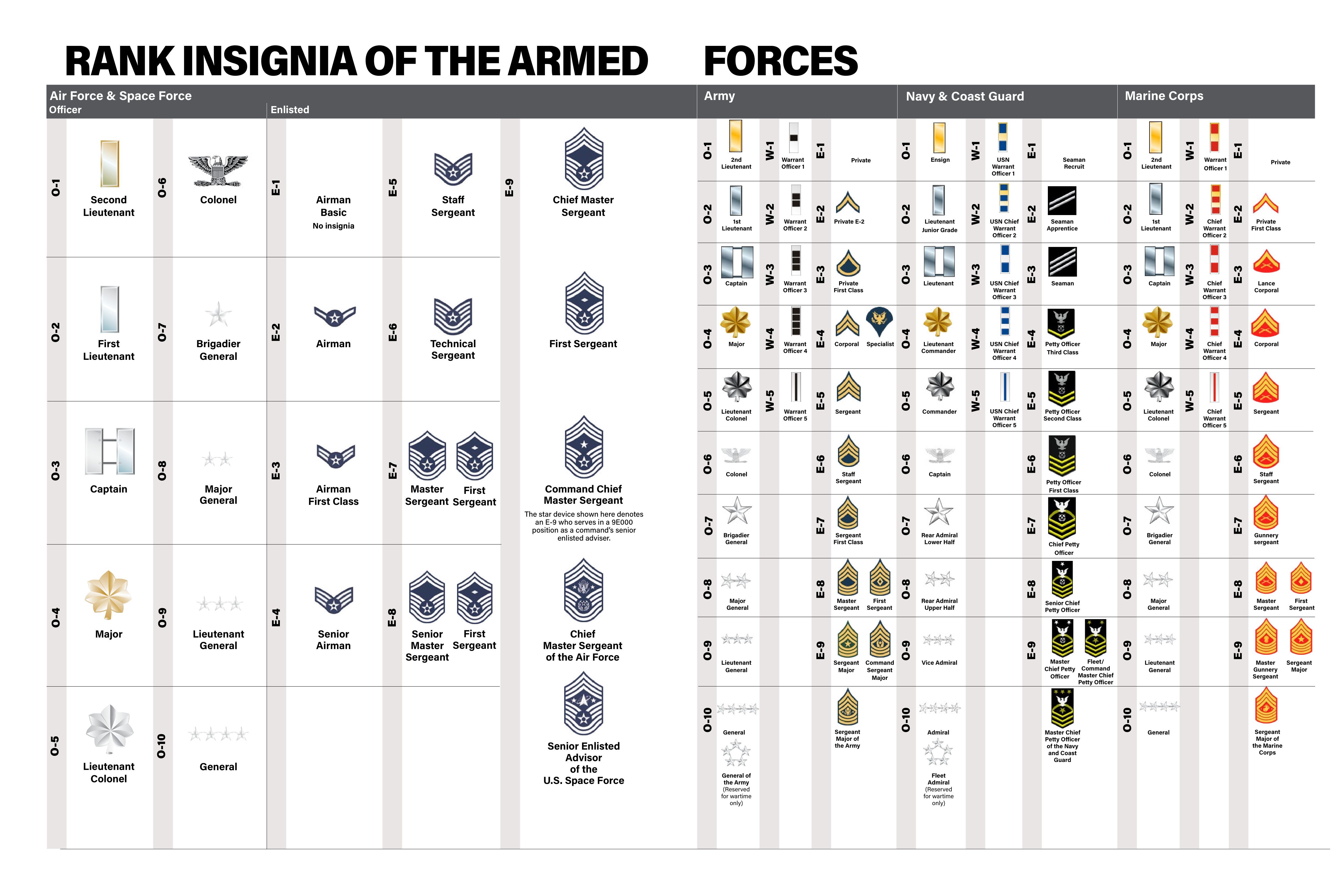
Non-rated officers enter the Air Force as Second Lieutenants (O-1). Promotion to First Lieutenant (O-2) and Captain (O-3) is generally non-competitive, occurring automatically after two years in the previous grade, provided the officer maintains high standards of conduct and performance.
Promotion to Major (O-4) and above is competitive. Officers are evaluated by a selection board that reviews their "Officer Performance Briefs" (OPBs), education, and leadership impact. Non-rated officers have the opportunity to serve as Squadron Commanders, Group Commanders, and even Wing Commanders (typically in support or mission support wings).
The Selection Process: The "Whole Person" Concept
When you apply for a non-rated position, especially through OTS, the selection board uses the "Whole Person" concept. This means they do not just look at your GPA or test scores. They evaluate:
- Leadership Experience: Did you lead a club in college? Were you a manager at a previous job?
- Physical Fitness: Do you represent the military image?
- Character: Your letters of recommendation and background check.
- Professionalism: Your interview with a senior Air Force officer.
Frequently Asked Questions
Can I choose my specific AFSC as a non-rated officer?
When you apply, you provide a "dream sheet" or a list of preferred AFSCs. While the Air Force attempts to match your degree and interests with a role, the final assignment is based on the "needs of the Air Force." Technical degrees often guarantee a placement in a related field.
Is the age limit different for non-rated officers?
Generally, you must commission before your 40th birthday. However, certain specialized roles like healthcare professionals or those with prior military service may receive age waivers. It is always best to consult with an Official Air Force Recruiter for the most current policy updates in 2026.
Do non-rated officers go into combat?
While non-rated officers are not usually the primary combatants (like pilots or special warfare officers), they do deploy to combat zones. Security Forces, Intelligence, and Logistics officers often operate in "forward" environments where they are responsible for base defense and mission support.
What is the "Direct Commission" program?
Direct Commission is reserved for highly specialized professionals such as lawyers (JAG), chaplains, and medical doctors. These individuals do not go through the standard OTS/ROTC/USAFA pipeline in the same way; instead, they attend a shortened orientation program designed for professionals.
Can a non-rated officer become a general?
Yes. Many four-star generals in the Air Force come from non-rated backgrounds, particularly in the areas of logistics, intelligence, and acquisitions. While historically many Chiefs of Staff have been pilots, the leadership of the Air Force is diverse.
Practical Recommendations for Aspiring Officers
If you are pursuing a non-rated officer commission in 2026, focus on the following steps:
- Prioritize STEM Education: Even if you want a support role, having a technical foundation makes you more competitive in an increasingly digital force.
- Seek Leadership Roles: Selection boards look for evidence that you can lead others. Do not just join organizations; lead them.
- Prepare for the AFOQT Early: Do not treat this like a standard test. Use study guides and practice exams to ensure your quantitative and verbal scores are in the top percentiles.
- Consult a Health Professional: Ensure your physical health meets military standards before starting the long application process to avoid medical disqualification later.
- Stay Informed: Requirements for specific AFSCs can change based on the National Defense Strategy. Regularly check official portals like the Air Force Personnel Center for the latest career field availability.
Image Gallery