Minute Maid Park’s Retractable Roof: How Its Movement Shapes the Astros’ Success
The movement of the retractable roof at Minute Maid Park directly influences the Houston Astros' success by controlling atmospheric variables, optimizing player performance through climate regulation, and amplifying crowd acoustics to...
The movement of the retractable roof at Minute Maid Park directly influences the Houston Astros' success by controlling atmospheric variables, optimizing player performance through climate regulation, and amplifying crowd acoustics to create a formidable home-field advantage. By transitioning between an open-air environment and a climate-controlled dome, the team strategically manages the physical and psychological conditions of the game.
Contents
The Engineering Behind the "Juice Box" Advantage
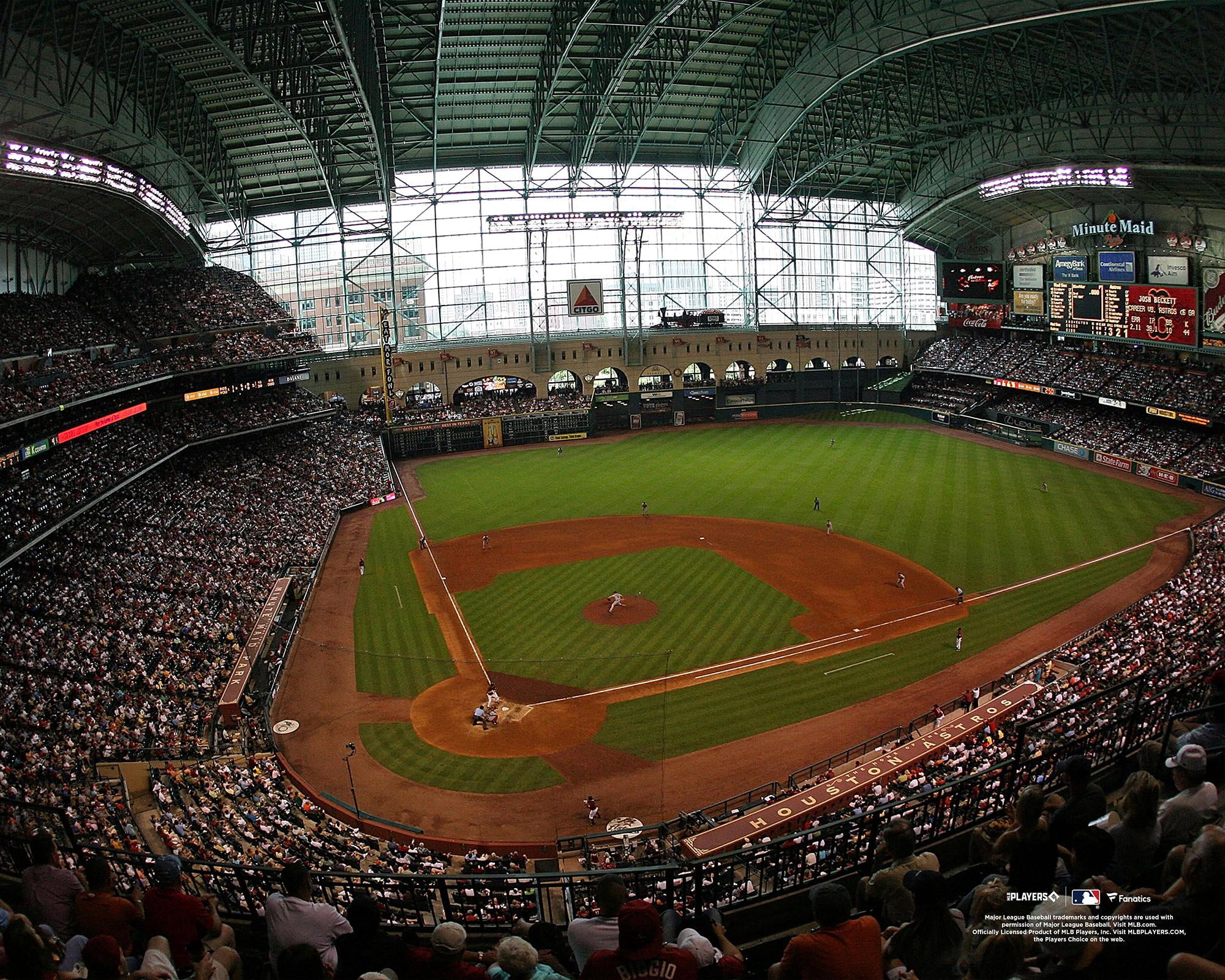
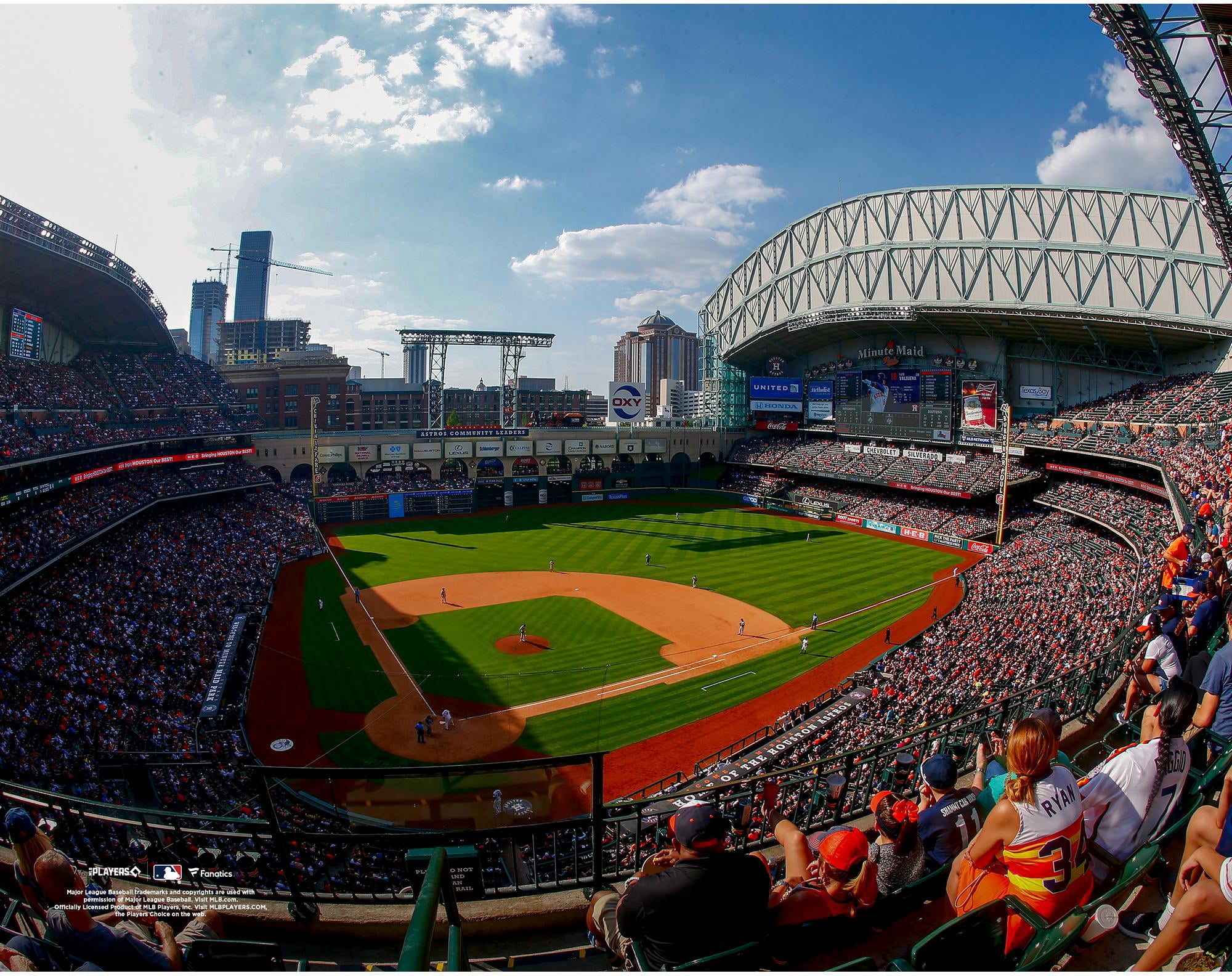
To understand how the roof shapes the Houston Astros' success, one must first appreciate the technical complexity of the structure itself. Since its opening in 2000, the stadium—affectionately known as the "Juice Box"—has featured one of the most sophisticated retractable roof systems in Major League Baseball (MLB). Designed by Uni-Systems, the roof consists of three main panels: a large western panel and two smaller eastern panels.
The mechanism relies on a set of 140-horsepower electric motors that drive the roof along a set of reinforced rails. In 2026, the system remains a marvel of durability, capable of moving 6.5 million pounds of steel at a speed of approximately 40 feet per minute. The entire process of opening or closing takes between 12 and 20 minutes, depending on wind conditions and mechanical calibration. This operational flexibility allows the Astros' front office and stadium operations team to respond to Houston’s volatile weather in real-time, ensuring that game conditions are always skewed toward the home team’s strengths.
The physical presence of the roof, whether open or closed, alters the geometry of the park. When closed, the roof sits 242 feet above the field of play at its highest point. This enclosure creates a pressurized environment that differs significantly from the humid, sprawling air of a Texas summer night.
Atmospheric Control and Ball Flight Physics
The most quantifiable way the roof shapes the Astros' success is through the manipulation of ball flight. Baseball is a game of inches, and the physics of the "Juice Box" environment can be the difference between a home run and a flyout.
Temperature and Air Density
Houston is notorious for its oppressive heat and humidity. In an open-stadium configuration, the air is less dense because warm air molecules are spaced further apart. Theoretically, a baseball travels further in hot, humid air because there is less resistance (drag). However, the Astros often opt to close the roof and engage the stadium's massive HVAC system, which keeps the interior at a consistent 72 to 74 degrees Fahrenheit.
While cooler air is technically denser and should reduce ball travel, the dehumidification process involved in air conditioning offsets this. By removing moisture from the air, the team creates a consistent "hitting environment" that their batters can practice in and adapt to throughout the season. Opposing teams, who may only visit Houston for a three-game series, often struggle to calibrate their swings to the unique drag coefficients found inside the closed dome.
The "Humidor" Effect in Reverse
Unlike stadiums in high-altitude environments like Denver, which use humidors to add moisture to balls to prevent them from flying too far, Minute Maid Park uses its roof to prevent the ball from becoming "waterlogged" by Houston's ambient humidity. When the roof is closed, the leather and laces of the baseball remain dry and firm. This allows for better grip by Astros pitchers—who are accustomed to the indoor feel—and consistent exit velocities for hitters.
The Acoustic Advantage: Creating a Wall of Sound
Perhaps the most significant impact of the roof’s movement is psychological. When the roof is closed, Minute Maid Park becomes one of the loudest venues in professional sports. The structural steel and the hard surfaces of the roof panels reflect sound waves back toward the field rather than allowing them to escape into the atmosphere.
Noise Levels and Pitcher Communication
During high-stakes games, such as the postseason runs that have defined the Astros' era in the 2010s and 2020s, the decibel levels inside a closed Minute Maid Park can exceed 100 dB. This level of noise serves several purposes:
- Disrupting Opposing Communication: Catchers and pitchers from visiting teams often find it difficult to communicate via traditional verbal cues or even electronic PitchCom systems if the volume is high enough to cause vibration interference.
- Rally Support: The acoustic feedback loop encourages the crowd. As the fans get louder, the sound reflects more intensely, creating a "cauldron" effect that can rattle inexperienced opposing players.
- Adrenaline Regulation: Astros players have frequently commented on how the "energy" of the closed roof helps them maintain focus during late-inning rallies.
Comparative Game Conditions
The following table illustrates the material differences between the two primary states of Minute Maid Park as of the 2026 season:
| Feature | Roof Open (Outdoor) | Roof Closed (Indoor) | Impact on Astros Success |
|---|---|---|---|
| Temperature | Variable (80°F–100°F+) | Controlled (72°F–74°F) | Reduces player fatigue over 162 games. |
| Humidity | High (60%–90%) | Regulated (Low) | Consistent ball flight and grip. |
| Acoustics | Sound escapes upwards | Sound reflects off steel | Maximizes home-field crowd advantage. |
| Wind | Crosswinds from the north/east | Negligible | Eliminates "cheap" home runs for visitors. |
| Visibility | Natural sunlight/shadows | Artificial LED lighting | Consistent "eye-tracking" for hitters. |
Strategic Decision Making: When to Move the Roof
The decision to open or close the roof is not merely a matter of comfort; it is a tactical choice governed by both MLB rules and the Houston Astros' internal data analytics.
MLB Ground Rules
According to MLB's official ground rules, the home team determines whether the roof is open or closed prior to the start of the game. However, once the game begins, the responsibility shifts to the umpire crew. If the roof starts open, it can only be closed if weather conditions (rain or extreme wind) threaten the game's progression. Conversely, if it starts closed, it generally remains closed.
The Astros' front office monitors meteorological data with extreme precision. They look for "windows" of temperature and humidity that favor their starting pitcher's style. For example, a high-velocity power pitcher might benefit from the denser, cooler air of a closed roof, whereas a finesse pitcher might prefer the movement variations caused by a slight breeze when the roof is open.
Player Longevity and Fatigue
Playing 81 home games in the Texas heat would take a physical toll on any roster. By keeping the roof closed for the vast majority of day games and mid-summer night games, the Astros effectively preserve the legs and stamina of their players. In 2026, sports science departments emphasize "recovery-time-to-performance" ratios. Maintaining a consistent 73-degree environment prevents the dehydration and heat exhaustion that often plague visiting teams who are not acclimated to the Gulf Coast climate.
The Impact on Pitching and Defense
The roof’s movement also shapes the defensive side of the ball. In an open-air stadium, wind gusts can turn a routine pop-up into a nightmare for outfielders. At Minute Maid Park, the closed roof eliminates wind as a variable.
Pitch Movement
Astros pitchers, particularly those who rely on high spin rates for sliders and "sweepers," find that the stagnant air inside the dome allows for more predictable break. Without the interference of external wind currents, the Magnus effect—the force that causes a spinning ball to curve—acts more consistently. This allows the Astros' pitching staff to "tunnel" their pitches with elite precision, as they don't have to account for a 15-mph gust blowing toward the Crawford Boxes in left field.
Turf and Surface Speed
While the roof itself is overhead, its state affects the playing surface below. Minute Maid Park uses natural grass (specifically designed for low-light environments). The roof's movement is essential for the health of this grass; it must be opened during non-game hours to allow for UV exposure. The health and thickness of the grass dictate how "fast" the infield plays. A well-maintained, sun-exposed turf allows the Astros' infielders to predict hops with higher accuracy, leading to fewer errors and more double plays.
Frequently Asked Questions
Does the roof move during the game?
Under normal circumstances, the roof does not move while play is active. According to MLB regulations, the decision to close the roof during a game is usually prompted by inclement weather. If the roof is being closed while the game is in progress, play may continue unless the umpires determine the movement or the weather itself is a distraction or hazard.
How does the "Juice Box" nickname relate to the roof?
The nickname "Juice Box" originally stems from the stadium's naming rights holder, Minute Maid (a brand known for juice). However, the name has taken on a second meaning among fans: the "boxed-in" feeling when the roof is closed, which concentrates the energy and noise of the crowd.
Can the Astros choose to close the roof just for the noise advantage?
Yes, the home team has the discretion to start the game with the roof closed for any reason, including "fan comfort." In practice, this allows the Astros to ensure the roof is closed during high-stakes games and playoffs to maximize the acoustic advantage and home-field energy.
What happens if the roof mechanism fails?
The roof is equipped with redundant motor systems and manual overrides. In the rare event of a total mechanical failure, the game would proceed under the current state of the roof. If it were stuck open during a rainstorm, the game would be delayed or postponed, similar to a traditional outdoor stadium.
Does the roof affect the lighting for the players?
Yes. When the roof is closed, the stadium relies entirely on high-efficiency LED sports lighting. This provides a uniform light source without the shifting shadows that occur during sunset in an open-air stadium. Most hitters prefer this consistency as it makes picking up the rotation of the ball easier.
Practical Recommendations for Fans and Analysts
When evaluating the Houston Astros' performance in 2026, it is vital to check the "Roof Status" in the pre-game notes. For bettors and fantasy baseball enthusiasts, the closed-roof configuration generally favors the "Under" on total runs due to the slightly denser air and the lack of wind-aided home runs. Conversely, for the Astros as a team, the closed roof is a force multiplier for their defensive and pitching metrics.
To truly appreciate the engineering, fans should arrive at the park early when an "opening" or "closing" is scheduled. Witnessing the 6.5-million-pound structure glide silently over the field is a reminder that in modern baseball, success is built not just on the players' talent, but on the very environment in which they compete.
Image Gallery