Comprehensive Guide to Understanding the Auto Insurance Comparison Process
To understand the auto insurance comparison process, you must standardize coverage limits across multiple quotes, evaluate carrier financial stability, and account for personal risk factors like telematics data. By comparing identical...
To understand the auto insurance comparison process, you must standardize coverage limits across multiple quotes, evaluate carrier financial stability, and account for personal risk factors like telematics data. By comparing identical policy structures from at least three different providers, you can identify the most cost-effective protection tailored to your specific driving profile.
Contents
Navigating the landscape of vehicle protection requires more than just looking at a monthly premium. As we move through 2026, the complexity of underwriting—driven by advanced telematics and artificial intelligence—demands a sophisticated approach to shopping for coverage. Understanding the auto insurance comparison process is essential for securing a policy that balances affordability with robust financial protection.
Establishing a Standardized Coverage Baseline
The most frequent mistake consumers make when comparing auto insurance is failing to "compare apples to apples." If one quote includes a $500 deductible and another includes a $1,000 deductible, the premium prices are fundamentally incomparable. To begin the process, you must establish a baseline of coverage levels that meet both your legal obligations and your personal risk tolerance.
Understanding Liability Limits
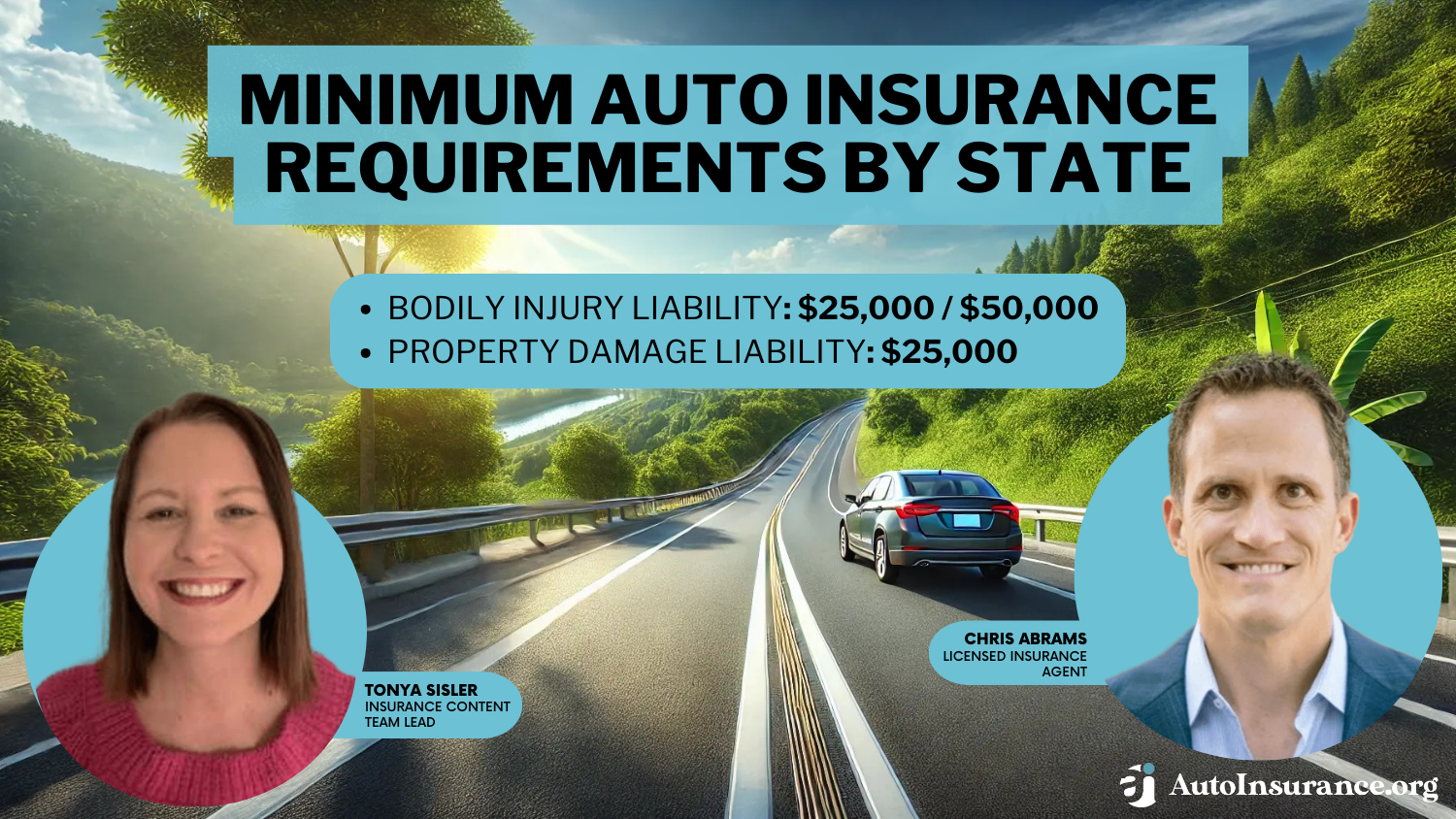
Liability coverage is the foundation of any policy. It is typically expressed as three numbers (e.g., 100/300/100). This represents $100,000 for bodily injury per person, $300,000 for bodily injury per accident, and $100,000 for property damage. In the current economic climate of 2026, where medical costs and vehicle repair technologies have surged, many experts recommend limits of at least 100/300/100 to protect personal assets from litigation following a major accident.
Choosing Between Comprehensive and Collision
Collision insurance covers damage to your vehicle resulting from an accident, regardless of fault. Comprehensive insurance covers non-collision events, such as theft, fire, or weather damage. When comparing these, pay close attention to the deductible. A higher deductible will lower your premium but increase your out-of-pocket costs during a claim. For vehicles older than ten years, the cost of these coverages may exceed the potential payout, making them a primary area for potential savings.
Disclaimer: This article provides general information and does not constitute professional financial or legal advice. Insurance regulations vary by jurisdiction; consult with a licensed agent or legal professional for specific guidance.
The Information Gathering Phase
To receive an accurate quote, you must provide precise data. In 2026, insurance companies utilize more granular data than ever before. To facilitate the comparison process, gather the following documentation:
- Vehicle Identification Number (VIN): This allows insurers to pull the specific safety features and repair cost data associated with your exact model.
- Driving History: Be prepared to disclose any moving violations or at-fault accidents within the last three to five years. Most insurers will verify this via a Comprehensive Loss Underwriting Exchange (CLUE) report.
- Annual Mileage: Estimated annual mileage is a significant rating factor. If you work from home or use public transit, you may qualify for "low-mileage" or "pay-per-mile" tiers.
- Credit-Based Insurance Scores: In states where it is legally permitted, insurers use credit history to predict risk. Knowing your current standing can help you anticipate rate variations.
Analyzing Carrier Financial Strength and Claims Reputation
A low premium is worthless if the insurance company lacks the financial liquidity to pay out a major claim or if their customer service makes the filing process impossible. Part of the comparison process involves vetting the companies themselves.
Financial Stability Ratings
Before committing to a policy, check the financial strength ratings from independent agencies such as AM Best or Standard & Poor’s. An "A" rating or higher indicates that the company is well-capitalized and likely to meet its long-term obligations. This is particularly important for long-term claims, such as those involving ongoing medical rehabilitation.
Consumer Satisfaction Metrics
Quantitative data should be balanced with qualitative reviews. The J.D. Power Auto Insurance Study provides annual rankings of carriers based on claims satisfaction and billing transparency. Furthermore, the National Association of Insurance Commissioners (NAIC) maintains a Consumer Complaint Index, which allows you to see how many complaints a company receives relative to its market share.
The Impact of Modern Underwriting Factors in 2026
The comparison process has evolved significantly with the integration of real-time data. Understanding these newer variables is key to optimizing your quotes.
Telematics and Usage-Based Insurance (UBI)
Most major carriers in 2026 offer telematics programs. These involve a mobile app or a plug-in device that monitors braking, acceleration, speed, and the time of day you drive. When comparing quotes, decide if you are comfortable sharing this data. While UBI can lead to discounts of up to 30% for safe drivers, it can also lead to surcharges for those with aggressive driving habits or frequent late-night commutes.
Electric Vehicle (EV) Specializations
If you are insuring an electric vehicle, you will notice that premiums often trend higher than internal combustion engine (ICE) counterparts. This is due to the high cost of battery replacement and the specialized labor required for repairs. When comparing quotes for an EV, look for carriers that offer specific "green vehicle" discounts or specialized roadside assistance that includes mobile charging stations.
Standardizing Quote Variables for Comparison
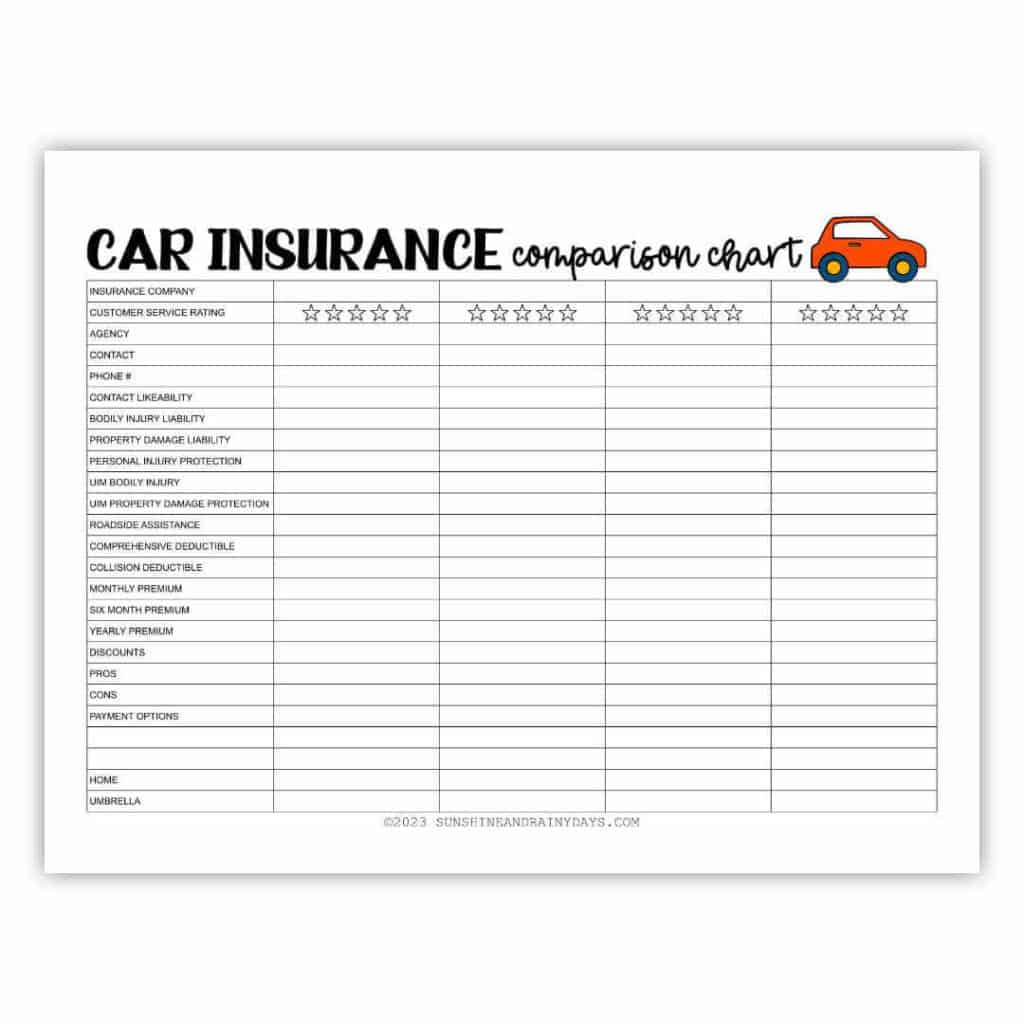
Use the following table to track and compare the quotes you receive. Ensure that the "Value" column is identical for every carrier you contact.
| Coverage Component | Coverage Limit / Value | Carrier A Quote | Carrier B Quote | Carrier C Quote |
|---|---|---|---|---|
| Bodily Injury Liability | $100,000 / $300,000 | $ | $ | $ |
| Property Damage | $100,000 | $ | $ | $ |
| Collision Deductible | $500 | $ | $ | $ |
| Comprehensive Deductible | $500 | $ | $ | $ |
| Uninsured Motorist | $100,000 / $300,000 | $ | $ | $ |
| Medical Payments/PIP | $10,000 | $ | $ | $ |
| Rental Reimbursement | $50/day (Max $1,500) | $ | $ | $ |
| Total 6-Month Premium | N/A | $ | $ | $ |
Selecting the Right Distribution Channel
How you obtain your quotes can affect both the price and the level of service you receive. There are three primary channels for auto insurance:
1. Direct-to-Consumer
Companies like Geico or Progressive allow you to purchase policies directly via their websites or apps. This often eliminates agent commissions, which can result in lower premiums. However, you are responsible for understanding the policy nuances without professional guidance.
2. Captive Agents
These agents represent a single insurance company (e.g., State Farm or Allstate). They have deep knowledge of their specific products and can often find internal discounts that online tools might miss. The downside is they cannot offer you options from competing carriers.
3. Independent Agents and Brokers
Independent agents represent multiple insurance companies. They can "shop the market" on your behalf, providing a broader range of quotes with a single application. This is often the most efficient way to understand the comparison process for those with complex needs, such as high-net-worth individuals or drivers with a "SR-22" requirement.
Common Pitfalls in the Comparison Process
Even diligent shoppers can fall into traps that lead to underinsurance or unexpected costs.
- Ignoring the Total Cost of Ownership: In 2026, some insurers offer lower premiums but charge significantly higher "policy fees" or "installment fees." Always compare the total cost for the policy term (usually 6 or 12 months) rather than just the monthly payment.
- Overlooking Gap Insurance: If you are financing or leasing a vehicle, your standard collision coverage only pays the "Actual Cash Value" (ACV) of the car. If you owe more than the ACV, you will be responsible for the difference. Ensure you compare the cost of adding "Gap" coverage across carriers.
- Missing Out on Bundling: Most insurers offer substantial discounts (often 10% to 25%) if you combine your auto policy with homeowners, renters, or life insurance. If you only compare auto insurance in isolation, you may miss the most significant savings opportunity.
Frequently Asked Questions
Does checking multiple auto insurance quotes hurt my credit score?
No. When an insurance company checks your credit for a quote, it is considered a "soft inquiry." Unlike "hard inquiries" used for credit card or loan applications, soft inquiries do not impact your credit score. You can request as many quotes as you need without fear of damaging your credit.
How often should I compare auto insurance rates?
It is a best practice to compare rates every 12 months or whenever you experience a major life event. Events such as moving to a new zip code, getting married, buying a home, or a significant change in your credit score can all trigger lower rates. In 2026, the market is dynamic, and loyalty to a single carrier often results in a "price optimization" penalty, where rates slowly creep up.
Why is there such a large price difference between two identical quotes?
Each insurance company uses its own proprietary algorithm to assess risk. One company might specialize in "preferred" drivers with perfect records, while another might be more competitive for drivers in urban areas. Additionally, companies adjust their rates based on their current "loss ratio" in your specific state; if a company had high claims payouts recently, they may raise rates to rebalance their books.
Can I switch insurance companies if I have already paid my premium in full?
Yes. You can cancel your policy at any time. If you have paid for six months or a year in advance, the insurance company is legally required to refund the "unearned premium" for the remaining period. Be sure to have your new policy active before canceling the old one to avoid a "lapse in coverage," which can significantly raise future rates.
What is the most important factor in the comparison process?
While price is vital, the "limit of liability" is the most important factor. Saving $200 a year on premiums is a poor trade-off if it leaves you with a $50,000 coverage gap after a serious accident. Always prioritize adequate limits over the absolute lowest price.
Next Steps for a Successful Comparison
To finalize your comparison, select the top two carriers from your research and contact them directly to ask about "hidden" discounts. Specifically, ask about discounts for professional associations (e.g., alumni groups, unions), safety features (e.g., lane-departure warnings, anti-theft systems), and paperless billing. Once you have confirmed the final price, verify the effective date of the new policy and ensure you receive a digital or physical insurance ID card before operating your vehicle under the new coverage.
Image Gallery