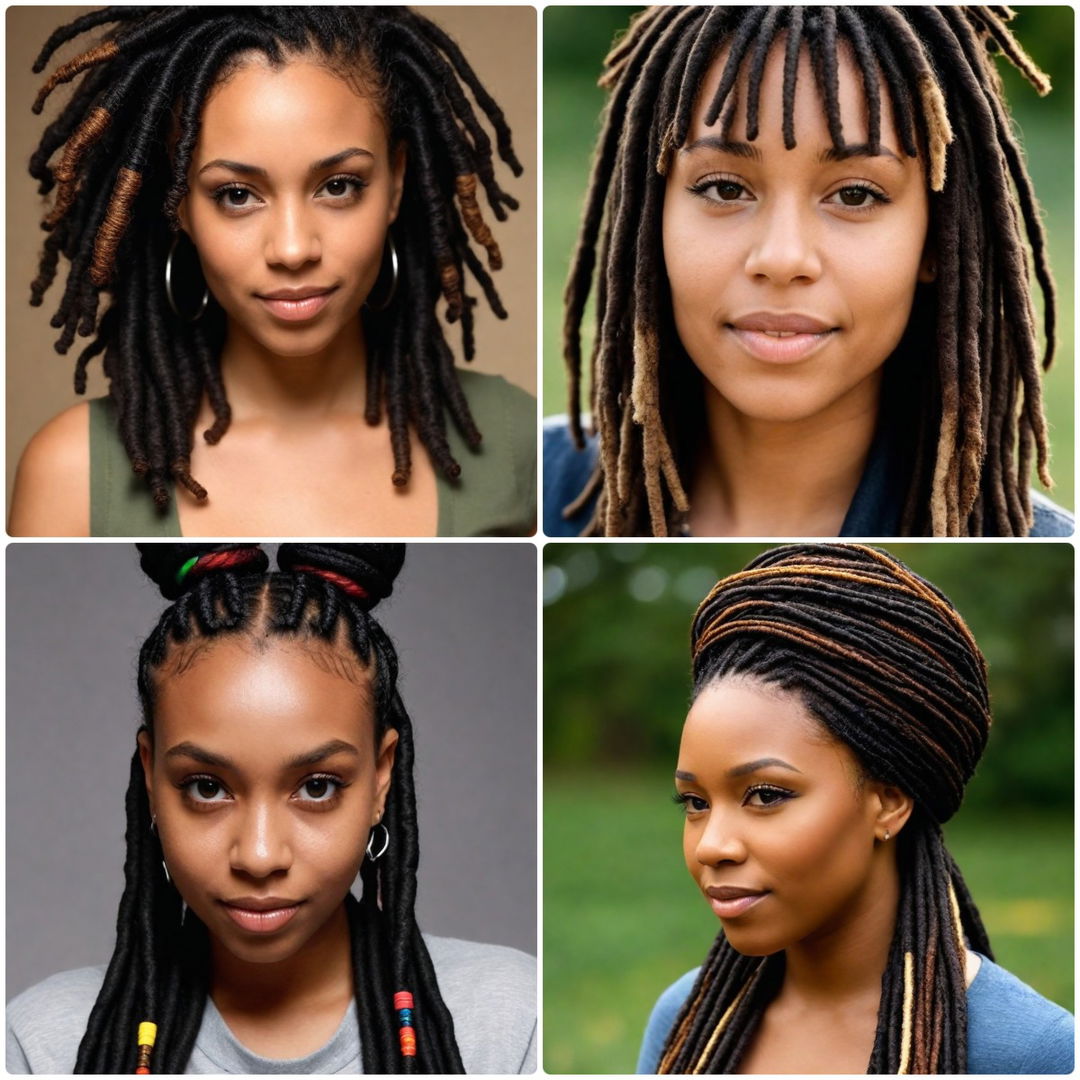
Bob Dreadlock Styles: The 2026 Definitive Guide to Modern Loc Artistry
Bob dreadlock styles are versatile, shoulder-length or shorter hair arrangements that combine the cultural heritage of locs with the timeless silhouette of a bob cut. In 2026, these styles prioritize scalp health, precision layering, a...
Bob dreadlock styles are versatile, shoulder-length or shorter hair arrangements that combine the cultural heritage of locs with the timeless silhouette of a bob cut. In 2026, these styles prioritize scalp health, precision layering, and weight distribution, offering a chic, manageable aesthetic for individuals seeking a professional yet expressive look that works across all loc stages and textures.
Contents
Whether you are transitioning from long locs to a shorter length or starting a fresh journey with loc extensions, the "loc bob" has evolved into a symbol of modern sophistication. The current year sees a significant shift toward minimalist maintenance and high-fashion structural integrity in the natural hair community.
The Evolution of the Dreadlock Bob in 2026
The bob has long been a staple in global hair fashion, but its integration with locs requires a specialized understanding of hair density and gravity. Historically, cutting locs was seen as a major milestone or a "reset." Today, it is viewed as a deliberate stylistic choice that allows for better mobility and a lighter feel on the neck and shoulders.
In 2026, the trend has shifted away from the uniform, heavy "block" cuts of the past toward more textured, airy, and asymmetrical shapes. This evolution is driven by advances in loc-specific cutting techniques, where stylists now treat each loc as an individual unit of a larger sculpture. This ensures that the bob retains its shape as it grows, preventing the "bell shape" that often plagues shorter loc styles.
The Physics of the Short Loc Cut
When dreadlocks are cut into a bob, the weight distribution changes immediately. For those with mature, thick locs, this can provide significant relief from neck tension. However, the "spring-back" effect is a critical technical consideration. In 2026, professional locticians utilize the "Dry-Stress" method, cutting the hair while dry and in its natural hang-state to ensure the bob doesn't shrink significantly higher than the intended length.
Top Bob Dreadlock Styles for 2026
The diversity of the loc bob allows it to be customized for every face shape and personal aesthetic. Here are the leading styles dominating the current landscape.
1. The Classic Blunt-Cut Bob
The blunt-cut bob is characterized by locs that are all trimmed to the same length, usually hitting just below the chin or at the jawline. This style is favored for its clean lines and "power look" in professional environments. In 2026, the trend includes slightly tapered ends to prevent the locs from fraying after the cut.
2. The Asymmetrical "A-Line" Loc Bob
This style features locs that are shorter in the back and gradually become longer toward the front, framing the face. It is an excellent choice for individuals with rounder face shapes, as the elongated front pieces create a slimming effect. It requires precise tension during the cutting phase to ensure the transition is smooth.
3. Layered Curly Loc Bob
By using pipe cleaners, flexi-rods, or the "loc-knot" technique, the bob is transformed into a voluminous, curly masterpiece. Layering is essential here; shorter locs at the crown provide lift, while longer locs at the base provide the foundation. This is a top-tier choice for special events and has become a staple for 2026 red-carpet natural hair looks.
4. Side-Swept Bob with Loc Jewelry
The deep side part remains a dominant trend. By parting the locs heavily to one side, you create an effortless, glamorous volume. In 2026, this is frequently paired with "minimalist hardware"—loc cuffs made of sustainable titanium or matte-finished copper that accentuates the bob’s architecture without adding excessive weight.
5. Micro-Loc Bob with Bangs
Micro-locs offer the highest level of styling flexibility. A micro-loc bob often includes a "loc fringe" or bangs. This requires a high level of technical skill to ensure the bangs sit flat against the forehead and do not obstruct vision. It is a youthful, edgy style that mimics the look of traditional loose-hair bobs more closely than any other loc variation.
Comparative Analysis of Popular Bob Loc Styles
| Style Name | Best Face Shape | Maintenance Level | Recommended Loc Maturity | 2026 Popularity Index |
|---|---|---|---|---|
| Blunt-Cut Bob | Oval / Heart | Low | Mature (2+ years) | High |
| Asymmetrical | Round / Square | Medium | Mid-to-Mature | Medium-High |
| Micro-Loc Bob | All | High | Any | Very High |
| Layered Curly | Long / Oval | High | Any (with extensions) | High |
| Fringe/Bangs Bob | Diamond / Long | Medium | Mature | Medium |
Technical Guide: How to Achieve the Perfect Loc Bob
Transitioning to a bob is not as simple as a standard haircut. It involves structural integrity checks to ensure the locs do not unravel.
Step 1: Structural Assessment
Before cutting, a professional loctician must check the "internal health" of each loc. If there are thinning areas or "soft spots," the bob will look uneven. In 2026, many stylists use digital scalp analysis to ensure the follicles can support the new weight distribution.
Step 2: The Precision Cut
Cutting locs requires heavy-duty, high-carbon steel shears.
- Sectioning: The hair is divided into four to six quadrants.
- Angle Selection: For a bob, the shears are often held at a 45-degree angle to create "soft ends" rather than a harsh, blunt edge that might feel "pokey" against the neck.
- Sealing: Once cut, the ends may be lightly palm-rolled with a loc-safe sealing wax or briefly blunted using a crochet needle to prevent the internal fibers from spilling out.
Step 3: Post-Cut Sealing and Hydration
A fresh cut exposes the inner "core" of the dreadlock. A deep conditioning treatment using lightweight, residue-free oils (such as jojoba or grapeseed) is mandatory to prevent the new tips from becoming brittle.
Maintenance and Scalp Health Standards
Maintaining a bob requires more frequent attention than longer styles because the "shape" is the primary feature. If the roots grow out too much without a re-twist, the bob loses its crisp silhouette.
2026 Maintenance Protocols
The 4-Week Re-Twist Cycle For bobs to maintain their architectural shape, a re-twist or interlocking session every 4 to 6 weeks is recommended. This keeps the parts clean and ensures the "hang" of the bob remains consistent.
Weight Management Because bobs are shorter, they are closer to the scalp. Ensure you are not over-accessorizing with heavy beads, as this can cause the locs to pull unevenly, ruining the symmetry of the cut.
Nighttime Care A silk or satin bonnet is essential, but for bobs, a "loc wrap" that keeps the locs flat against the head is preferred to prevent the ends from flipping outward or developing "sleep kinks" during the night.
Pros and Cons of Bob-Length Dreadlocks
Pros:
- Reduced Weight: Significantly decreases the risk of "traction alopecia" and neck strain.
- Faster Drying Time: Shorter locs retain less water, reducing the risk of "loc rot" (internal mildew).
- Modern Professionalism: Fits easily into conservative corporate environments while maintaining cultural identity.
- Versatility: Can be styled into half-up, half-down looks or accessorized easily.
Cons:
- Frequent Trims: To keep the bob at the perfect jawline length, you may need a trim every 6-8 months.
- Shrinkage Sensitivity: Humidity can cause a bob to "lift," making it look shorter than desired.
- Initial Fraying: Newly cut loc ends may take several weeks to "seal" and look natural.
2026 Pricing and Professional Industry Standards
In 2026, the cost of a professional loc bob transformation has seen a slight increase due to the specialized "structural cutting" training now required for locticians.
- Consultation & Cut: $150 – $300 (depending on loc density and geographic location).
- Full Transformation (Cut + Re-twist + Style): $250 – $500.
- Loc Extension Bob (Starting from scratch): $800 – $2,500 (includes human hair extensions and 8-12 hours of labor).
When choosing a stylist, look for certifications in "Loc Artistry" or "Advanced Loc Architecture." In 2026, many top-tier salons now offer "Virtual Sizing" where you can see a 3D render of how different bob lengths will look on your specific face shape before the first snip is made.
Frequently Asked Questions (FAQ)
Can I get a bob if my locs are still in the "starter" phase?
Yes, you can achieve a bob look during the starter phase, but it is often better to use loc extensions to establish the shape. If you cut starter locs, they are highly likely to unravel because the internal "matting" process is not yet complete. Most experts recommend waiting at least 12 to 18 months before performing a structural bob cut on natural locs.
How do I stop my loc bob from "sticking out" at the sides?
This common issue is usually caused by "sleep memory" or improper drying. To fix this, dampen the locs slightly and use a satin scarf to tie them down flat for 20 minutes in the morning. Additionally, ensure your stylist uses a "vertical layering" technique during the cut, which allows the locs to lay flatter against one another.
Are loc bobs suitable for thin hair?
Absolutely. In fact, a bob is often the best style for those with thinning locs. By removing the weight of long hair, you reduce the tension on the follicle, which can actually help hair appear fuller and healthier. A layered bob can also create the illusion of more volume.
How often should I wash a bob-style loc set?
You should maintain a regular washing schedule of every 1 to 2 weeks. Because bobs are shorter and often touch the face and neck more frequently, they can pick up skin oils and makeup residue faster than longer locs. Always use a residue-free, clear shampoo to keep the locs lightweight.
Can I transition a bob back into long locs?
Yes. A bob is simply a length choice. If you decide you want long hair again, you just stop trimming the ends. However, be aware that as the bob grows out, you will go through an "awkward phase" where the hair hits the shoulders and may flip outward before it gains enough weight to hang straight down.
Do I need to seal the ends after cutting them into a bob?
While not strictly mandatory for very mature locs, sealing the ends with a crochet needle or a small amount of loc-safe gel helps the bob look "finished." Without sealing, the ends will appear fuzzy and may gather lint more easily during the first few months post-cut.
For those ready to embrace the loc bob in 2026, the key is a balance between precision cutting and diligent scalp care. By selecting a style that complements your face shape and following a strict maintenance routine, you can enjoy a sophisticated, lightweight, and culturally resonant hairstyle that stands the test of time.
Image Gallery