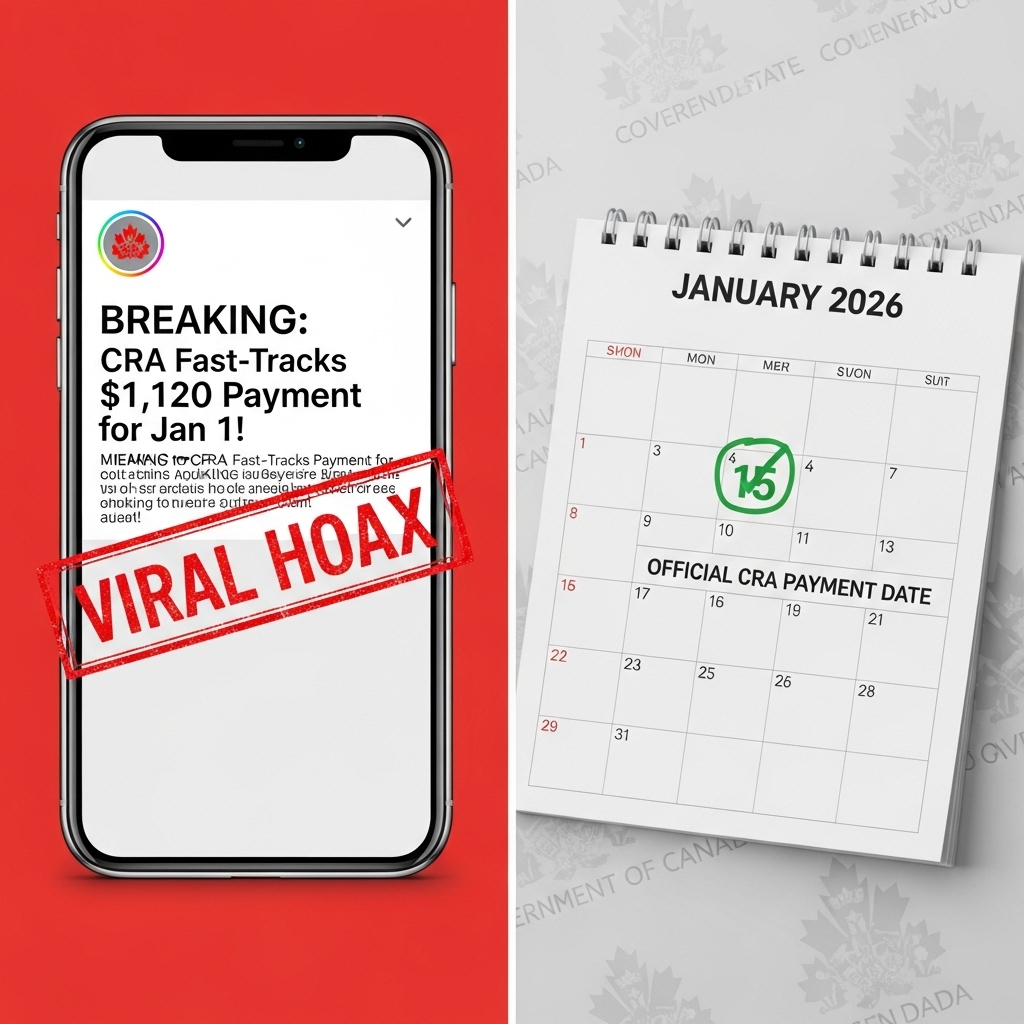
Understanding the Canada Carbon Rebate Payouts and Guidelines
The Canada Carbon Rebate—formerly known as the Climate Action Incentive payment—is a federally funded financial relief measure designed to return proceeds from the federal pollution pricing back to households. Eligible residents in qua...
The Canada Carbon Rebate—formerly known as the Climate Action Incentive payment—is a federally funded financial relief measure designed to return proceeds from the federal pollution pricing back to households. Eligible residents in qualifying provinces receive these tax-free quarterly deposits, which are distributed directly by the Canada Revenue Agency through direct deposit or paper cheque.
Contents
What is the Canada Carbon Rebate and How Does It Work?
The Canada Carbon Rebate (CCR) operates as a cornerstone of the federal government's climate strategy. By placing a price on carbon pollution from fuel consumption, the federal government collects levies that are not absorbed into general government revenues. Instead, the vast majority of these funds are redistributed directly to individuals and families residing in the provinces where the federal fuel charge applies.
The primary objective is to ensure that most households receive more in rebates than they pay through the increased costs associated with carbon pricing, particularly benefiting lower- and middle-income families. The mechanism relies entirely on personal income tax returns. There is no separate application form required; filing your annual income tax and benefit return automatically assesses your eligibility and calculates your entitlement based on your family size and residential address.
Core Mechanics of the Federal Fuel Charge and Rebate System
The system balances environmental accountability with direct financial support. The Canada Revenue Agency (CRA) administers the distribution schedule, aligning payments with established quarterly cycles. To qualify for these funds, individuals must meet specific residency and tax-filing prerequisites established by the federal government.
Operational Mandate for CCR Administration Tax Filing Requirement: You must file your income tax return every year—even if you have earned zero income—to maintain continuous, uninterrupted eligibility for quarterly carbon rebate disbursements.
Eligibility Criteria and Regional Qualifications
Not all residents across the country qualify for the same level of support, nor do all provinces participate in the federal carbon pricing backstop mechanism. Provinces and territories that implement their own compliant pricing systems manage their own carbon return frameworks, while those operating under the federal system receive the CCR.
Qualifying Provinces Under the Federal System
Eligible recipients must be residents of a province where the federal fuel charge applies during the specific payment period. Historically, these jurisdictions have included:
- Alberta
- Manitoba
- New Brunswick
- Newfoundland and Labrador
- Nova Scotia
- Ontario
- Prince Edward Island
- Saskatchewan
Basic Personal and Residency Prerequisites
To successfully receive a Canada Carbon Rebate payment, an individual must meet all of the following criteria on the first day of the payment month:
- Age Requirement: You must be at least 19 years of age. If you are under 19, you may still qualify if you have a spouse or common-law partner, or if you are a parent who lives or has lived with your child.
- Residency Status: You must be a resident of Canada for income tax purposes immediately before the payment is issued.
- Tax Compliance: You must have filed a tax return for the preceding tax year with the CRA.
Payment Calculation Factors and Rural Surcharges
The total amount an eligible individual or family receives is determined by a structured formula that accounts for household composition and geographical location. Recognizing that rural residents often face higher energy transportation costs and lack equivalent access to public transit infrastructure, the federal government incorporates a rural supplement into the calculation.
Breakdown of Entitlement Variables
The rebate structure scales based on specific family dynamics:
- Base Amount: A specific dollar amount allocated for an eligible individual.
- Spousal/Partner Top-Up: An additional equivalent amount for a spouse or common-law partner.
- Child Supplement: A designated amount for each eligible child under the age of 19.
- Single-Parent Supplement: An adjustment for single parents heading a household.
- Rural Supplement: A 20% provincial baseline increase for residents living outside designated census metropolitan areas (CMAs).
| Household Composition Factor | Standard Urban Baseline | Applicable Rural Supplement (20%) |
|---|---|---|
| Single Adult | Standard provincial base amount | Base amount plus 20% rural supplement |
| Married or Common-Law Couple | Combined adult base amounts | Combined amounts plus 20% rural supplements |
| First Child (Under 19) | Specific child allocation amount | Child allocation plus 20% rural supplement |
| Subsequent Children (Under 19) | Staggered child allocation amount | Staggered amount plus 20% rural supplement |
Distribution Schedules and Payment Delivery Methods
Timely distribution of funds relies heavily on updating banking information with the Canada Revenue Agency. Payments are typically issued on the fifteenth day of specific months. If the fifteenth falls on a weekend or a statutory holiday, the CRA issues the payment on the last business day prior to the fifteenth.
Direct Deposit Versus Paper Cheques
While direct deposit remains the fastest and most secure method to receive funds, paper cheques are still mailed out to individuals who have not set up direct deposit banking details with the CRA.
- Direct Deposit Advantages: Funds typically land in the recipient's bank account on the exact payment date, eliminating postal delays, loss risks, and the need to visit a physical financial institution for deposit.
- Cheque Delivery Factors: Paper cheques rely on Canada Post networks and can occasionally experience delays due to severe weather, postal disruptions, or outdated mailing addresses registered with the tax authority.
Common Obstacles, Troubleshooting, and Discrepancy Resolution
Recipients sometimes encounter situations where expected payments are delayed, missing, or calculated incorrectly. Understanding the common root causes can expedite the resolution process through official channels.
Frequent Reasons for Payment Delays or Missing Funds
- Unfiled Tax Returns: Failing to file the most recent personal income tax return halts all ongoing benefit and rebate disbursements until the return is fully processed.
- Outdated Address Records: If you moved provinces or changed your residential address from an urban center to a rural zone (or vice versa) without updating the CRA, your payment amount or eligibility will be temporarily miscalculated.
- Name or Marital Status Changes: Legal name changes or updates to marital status must be reported immediately to avoid administrative freezes on family-linked disbursements.
- Bank Account Updates: Closing an old bank account without registering the new routing and account numbers with CRA My Account results in returned direct deposits.
Step-by-Step Resolution Guide
- Check CRA My Account: Log into your secure digital portal via the official Government of Canada website to review your notice of assessment and active benefit payment schedules.
- Verify Processing Timelines: Allow up to ten business days past the scheduled payment date before submitting a formal missing payment inquiry to the CRA.
- Update Personal Information: Use the "Change my address" or "Update my marital status" features online to ensure your file reflects your current life circumstances.
- Contact CRA Directly: Call individual tax enquiries lines if your account indicates a processed payment that has failed to arrive after the standard waiting period.
Comparison of Provincial Carbon Pricing Systems
To understand why some residents receive the Canada Carbon Rebate while others do not, it is helpful to review how different jurisdictions handle carbon pricing compliance.
| Jurisdiction Model | Implementation Mechanism | Carbon Rebate Status |
|---|---|---|
| Federal Backstop Provinces | Applied directly by the federal government | Receives quarterly Canada Carbon Rebate payouts |
| Output-Based Pricing System (OBPS) | Hybrid models meeting federal stringency | Varies based on provincial direct-return programs |
| Fully Independent Provincial Systems | Locally legislated consumer carbon pricing | Managed via distinct provincial tax credits or rebates |
Maximizing Your Entitlement and Ensuring Compliance
Ensuring you receive your correct financial allocation requires proactive administrative habits. Maintaining accurate records with tax authorities prevents frustrating payment interruptions.
- File Early: Submitting your tax return well in advance of annual deadlines ensures that your eligibility parameters update seamlessly for the upcoming benefit year.
- Keep Direct Deposit Active: Transitioning away from paper cheques protects your funds against theft and guarantees immediate liquidity on payment mornings.
- Review Notices of Assessment: Read every Notice of Assessment issued by the CRA after tax season to verify that your climate action incentive entitlement details are accurately listed.
Frequently Asked Questions
Do I need to apply separately to receive the Canada Carbon Rebate?
No, a separate application is not required. The CRA automatically determines your eligibility and calculates your payment amount when you file your annual income tax and benefit return.
Are Canada Carbon Rebate payments considered taxable income?
No, the Canada Carbon Rebate payments are completely tax-free. You do not need to report these funds as income on your subsequent personal income tax returns.
What should I do if my payment does not arrive on the scheduled date?
Wait up to ten business days past the scheduled disbursement date, then log into your CRA My Account to check for any unaddressed tax return requirements, returned deposits, or outdated personal information.
Why do rural residents receive a higher carbon rebate amount?
Rural and small community residents receive a 20% supplement on top of the baseline provincial amount because they often have limited access to clean public transit options and incur higher energy transportation costs.
What happens to my rebate if I move to a different province?
Your rebate eligibility and calculation amounts will adjust based on the residency rules and fuel charge frameworks of your new home province once you update your address with the CRA.
Image Gallery